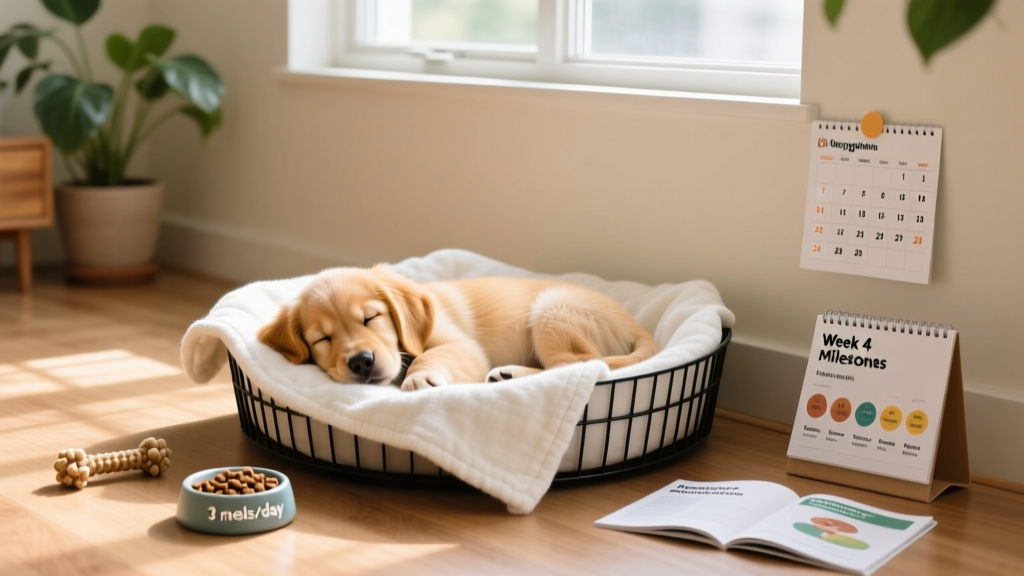
German Bred Rottweiler Puppies: Complete Week-by-Week Care Guide
Everything you need to raise German bred Rottweiler puppies — age milestones, feeding schedules, vaccination timelines, potty training, and first-year costs.

Why German Bred Rottweiler Puppies Are Different From Day One
German bred Rottweiler puppies come from lineage selected under the ADRK (Allgemeiner Deutscher Rottweiler-Klub) standard, which enforces stricter working-title requirements and conformation testing than many other registries. This means your puppy likely descends from dogs that passed a Zuchttauglichkeitsprüfung (breeding suitability test), including temperament evaluation, hip and elbow scoring, and working aptitude assessment.
The practical upshot for you as a new owner: German-line Rottweilers tend to mature slightly slower than American-line counterparts, often reaching full skeletal maturity around 24–30 months rather than 18–24 months. They also typically display stronger drive and handler focus, which makes early structured training non-negotiable. Expect an adult male weight of 95–135 lb (43–61 kg) and females at 80–100 lb (36–45 kg), per the AKC Rottweiler breed standard.
When Should I Bring My German Bred Rottweiler Puppy Home?
The ideal pickup window is 8 to 9 weeks of age. German ADRK breeders typically keep puppies until a minimum of 8 weeks — some hold until 9 or 10 weeks to complete early neurological stimulation protocols and initial temperament assessments.
Bringing a puppy home before 8 weeks risks incomplete bite inhibition learning from littermates. Waiting past 12 weeks without structured socialization exposure can narrow the critical socialization window, which closes around 14 weeks. If your breeder recommends a later pickup (10–12 weeks), ask specifically what socialization exposures the puppy has already received — you'll need documentation of at least 30+ novel stimuli encountered.
Age-Specific Milestones for Your Rottweiler Puppy
Feeding Schedule: Exact Portions by Age and Weight
German bred Rottweiler puppies are prone to rapid growth-related orthopedic issues, including hip dysplasia and osteochondritis dissecans (OCD). Overfeeding accelerates growth rate and increases joint stress. According to the Merck Veterinary Manual, large-breed puppies should be fed a diet formulated for large-breed growth, with calcium restricted to 1.0–1.5% on a dry matter basis.
Key feeding rules for German bred Rottweiler puppies:
- Use a large-breed puppy formula (look for the AAFCO statement specifying growth for large-breed dogs, 70+ lb adult weight)
- Aim for a body condition score (BCS) of 4–5 out of 9 — ribs should be palpable without excess fat covering
- Transition from 3 to 2 daily meals around 16–20 weeks
- Never free-feed; measured meals help monitor appetite changes (an early illness indicator) and prevent bloat-risk behavior
- Wait 60–90 minutes after eating before vigorous exercise to reduce gastric dilatation-volvulus (GDV/bloat) risk
Vaccination Schedule: What Your Rottweiler Puppy Needs and When
The American Veterinary Medical Association (AVMA) recommends core vaccines for all puppies. German bred Rottweiler puppies follow the same schedule as other breeds, but their larger size means your vet may adjust certain protocols (e.g., some practitioners administer leptospirosis vaccine separately to monitor for adverse reactions).
Important: Your puppy is NOT fully protected until 1–2 weeks after the final DHPP booster at 14–16 weeks. Avoid public dog parks, pet store floors, and areas with unknown dog traffic until then.
The Critical Socialization Window (Weeks 3–14): Your Exposure Checklist
Behavioral research shows that the primary socialization period for puppies closes between 12–14 weeks. For German bred Rottweiler puppies — a breed with strong protective instincts — this window is arguably the most important developmental period of their lives. Inadequate socialization during this time correlates strongly with fear-based reactivity and territorial aggression in adulthood.
Before full vaccination, carry your puppy or use a stroller/sling for outdoor exposures. Let them observe from safe distances rather than having direct contact with unknown dogs.
Rottweiler Puppy Socialization Checklist (Aim for 100+ Exposures by 16 Weeks)
People (minimum 20 encounters):
- Men with beards, hats, sunglasses
- Children of various ages (supervised, calm interactions)
- People using wheelchairs, crutches, or walkers
- People wearing uniforms (mail carriers, delivery drivers)
- People of different ethnicities and body types
Surfaces & Environments (minimum 15):
- Gravel, sand, grass, wet pavement, metal grates, tarps
- Elevators, automatic doors, staircases (carry down if under 12 weeks to protect joints)
- Car rides (start with 5-minute trips, build to 20+ minutes)
Objects & Sounds (minimum 20):
- Umbrellas opening, vacuum cleaners, doorbells, thunderstorms (use recorded audio at low volume)
- Plastic bags rustling, bicycles, skateboards, trash cans
- Vet exam tables, grooming tables, nail clippers
Other Animals (minimum 10 safe encounters):
- Fully vaccinated, temperament-tested adult dogs
- Puppies from verified vaccinated litters (puppy class setting)
- Cats (supervised, controlled introductions if applicable)
Potty Training Timeline: Realistic Expectations for a Rottweiler Puppy
Rottweiler puppies are generally quick learners when it comes to housebreaking, thanks to their intelligence and eagerness to please. However, bladder control develops on a biological timeline that no amount of training can accelerate.
The general rule: A puppy can hold their bladder for approximately 1 hour per month of age, plus 1 hour. So a 3-month-old Rottweiler can hold it roughly 4 hours during the day — but overnight control may lag behind.
When will my puppy be fully potty trained? Most Rottweiler puppies achieve reliable house training between 5–7 months of age. "Reliable" means fewer than 1 accident per month with a consistent routine. Some males may continue occasional marking behavior into adolescence — this is hormonal, not a training failure, and typically resolves with neutering (discuss timing with your vet).
Troubleshooting tips:
- Regression at 4–5 months: Often coincides with teething stress or a fear period. Return to more frequent outdoor trips temporarily.
- Submissive urination when greeting: Common in young Rottweilers. Ignore the puppy for the first 60 seconds when arriving home; greet calmly at their level.
- Nighttime accidents despite crate training: Remove water 2 hours before bedtime; ensure last potty trip is immediately before you sleep.
Crate Training Progression: Time Limits by Age
Rottweilers typically adapt well to crate training because they den naturally. The crate becomes their safe retreat — not a punishment space. Choose a 42-inch crate (for males) or 36-inch crate (for females) with a divider panel to adjust space as your puppy grows.
Never exceed these maximums. Crating a puppy for 8 hours during the day is not appropriate at any age under 6 months. If you work full-time, arrange a midday potty break via a dog walker, neighbor, or coming home at lunch.
Teething Timeline (3–6 Months): Relief Strategies and Safe Chew Options
Rottweiler puppies begin losing their 28 deciduous (baby) teeth around 14–16 weeks, with the process typically completing by 6–7 months as all 42 adult teeth erupt. During peak teething (4–5 months), your puppy's urge to chew will be intense — this is physiological, not behavioral.
Safe chew recommendations by stage:
- 14–20 weeks: Frozen wet washcloths (twist, wet, freeze), rubber puppy teething rings (Kong Puppy, Nylabone Puppy), chilled carrot sticks
- 4–5 months (peak): Frozen stuffed Kongs (fill with plain yogurt + kibble), Benebone Puppy, bully sticks (supervised only — remove when smaller than the puppy's mouth)
- 5–7 months: Transition to adult-rated rubber chews (Kong Classic red or black based on chew intensity), yak cheese chews, dental chews approved by the Veterinary Oral Health Council (VOHC)
Avoid: Raw bones (splintering risk), antlers (tooth fracture risk in powerful chewers like Rottweilers), cooked bones of any kind, and any chew small enough to swallow whole.
Common Puppy Problems: Rottweiler-Specific Solutions
Puppy Biting and Nipping
Rottweiler puppies are mouthy — this is a breed trait amplified during teething. Biting typically peaks between 8–16 weeks and should steadily decrease through 5–6 months with consistent redirection.
What works:
- When teeth touch skin, give a calm "ouch" and immediately redirect to an appropriate chew toy
- If biting continues, withdraw attention for 10–20 seconds (stand up, turn away, or step behind a baby gate)
- Ensure the puppy gets 2–3 structured play sessions daily — overtired puppies bite more
- Teach "leave it" and "drop it" using positive reinforcement (high-value treat trades)
What doesn't work: Holding the mouth shut, alpha rolls, yelling, or any physical punishment. These methods increase fear and can trigger defensive aggression — particularly counterproductive with a guardian breed.
Whining in the Crate
Expect 2–5 nights of intermittent whining when first crate training. Differentiate between protest whining (stops when ignored) and needs-based whining (puppy needs to eliminate). If the puppy has been crated for their age-appropriate maximum, take them out to potty immediately, then return to crate without play or attention.
Destructive Chewing
A bored adolescent Rottweiler can destroy furniture, baseboards, and shoes in minutes. Prevention strategies:
- Provide a rotation of 4–5 appropriate chews (novelty prevents boredom)
- Use bitter apple spray on furniture legs and baseboards during the chewing phase (3–8 months)
- Ensure 30–45 minutes of daily mental enrichment (training sessions, puzzle feeders, scent games)
- Restrict unsupervised access to the house until the puppy has earned room-by-room privileges (typically 8–12 months)
When Can My Puppy Go Outside and Meet Other Dogs?
This question requires balancing disease risk against socialization urgency — and the socialization window won't wait.
Safe from day one (8 weeks):
- Carrying your puppy through public spaces for visual and auditory exposure
- Private backyard exploration (if no unknown dogs have accessed the area)
- Visits to homes of known, fully vaccinated, healthy dogs
- Puppy kindergarten classes that verify vaccination records and sanitize floors
Wait until 1–2 weeks after final DHPP booster (typically 16–18 weeks):
- Public dog parks (additionally, many trainers advise against dog parks entirely for Rottweiler puppies due to unpredictable dog interactions)
- Pet store floors with high dog traffic
- Dog-friendly restaurant patios with unknown dogs
- Boarding facilities (ensure all required vaccines are complete)
First-Year Cost Breakdown: Budgeting for Your German Bred Rottweiler
Raising a Rottweiler puppy is a significant financial commitment. Here's a realistic breakdown based on 2025–2026 US pricing data:
Frequently Asked Questions About German Bred Rottweiler Puppies
How often should I feed my 8-week-old Rottweiler puppy?
Feed 3 meals per day, approximately ⅔ to 1 cup of large-breed puppy kibble per meal, depending on the puppy's current weight and the specific food's caloric density. Always follow the feeding guide on your chosen food's packaging as a starting point, then adjust based on body condition score. You should be able to feel ribs without pressing hard, and see a visible waist when viewed from above.
How do I stop my Rottweiler puppy from biting my hands and ankles?
Redirect every bite to an appropriate chew toy the instant teeth touch skin. If the puppy persists, withdraw all attention for 15–20 seconds by standing still or stepping behind a gate. Ensure your puppy gets adequate physical exercise (15–20 minutes of structured play per session, 2–3 times daily) and mental stimulation. Biting often escalates when puppies are overtired — enforce nap times in the crate if needed. Expect improvement by 16–20 weeks with consistent responses.
Should I get pet insurance for my Rottweiler puppy?
Yes. Rottweilers have higher-than-average rates of hip dysplasia (estimated 20% prevalence per the Orthopedic Foundation for Animals), cardiac conditions (aortic stenosis), and certain cancers (osteosarcoma, lymphoma). Enrolling at 8–10 weeks, before any conditions are documented, ensures pre-existing condition exclusions don't apply. Look for policies with annual limits of $10,000+ and reimbursement rates of 80–90%.
Are German bred Rottweilers more aggressive than American-line Rottweilers?
No — but they are typically more driven, more handler-focused, and slower to warm to strangers. German-line dogs are selected for working aptitude (Schutzhund/IGP titles), which means they have strong prey drive and protective instincts that require proper channeling through training. Without adequate socialization and mental stimulation, any Rottweiler can develop problematic behaviors, but this is a management issue, not an inherent aggression problem. A well-socialized German-line Rottweiler is confident, stable, and discriminating — not indiscriminately aggressive.
When should I start formal obedience training?
Begin basic cue training (sit, down, name recognition) the day you bring your puppy home at 8 weeks using positive reinforcement methods. Enroll in a structured puppy kindergarten class at 10–12 weeks (after the first vet visit confirms health status). Progress to beginner obedience at 5–6 months, and consider intermediate/advanced classes or a working dog sport (rally, nosework, IGP) by 12–18 months. German bred Rottweilers thrive when given a job — channeling their drive into structured activities prevents boredom-related problem behaviors.
Robin Maitland
All our authors care for dogs every day — read more of their work on the authors page.