Best No Pull Puppy Harness 2026: Safe Front-Clip Picks
Discover the best no pull dog harness for puppies in 2026. Learn how front-clip harnesses protect growing joints and stop leash pulling safely.

A front-clip harness for a puppy redirects pulling force toward the owner by attaching the leash at the chest, safely discouraging forward lunging without damaging the developing trachea. This guide is designed for new puppy owners and novice dog trainers seeking humane, effective leash-training tools for dogs under 12 months of age.
- Front-clip harnesses redirect pulling momentum at a 45-degree angle.
- Always use the two-finger rule for strap tightness.
- Re-measure your puppy every 2 weeks during growth spurts.
Why Choose a Front-Clip Harness for Your Puppy?
Front-Clip Harness Definition: A canine walking restraint featuring a leash attachment D-ring located on the chest strap. When tension is applied, the design pivots the dog's center of mass sideways, neutralizing forward momentum and discouraging pulling behavior without applying pressure to the neck.
The Biomechanics of Front-Clip vs. Back-Clip
When a puppy pulls on a standard collar, the force concentrates entirely on the cervical spine. This pressure increases the risk of tracheal collapse, a condition where the windpipe cartilage weakens over time. According to the American Kennel Club, harnesses distribute this force across the chest and shoulders, protecting vulnerable airways.
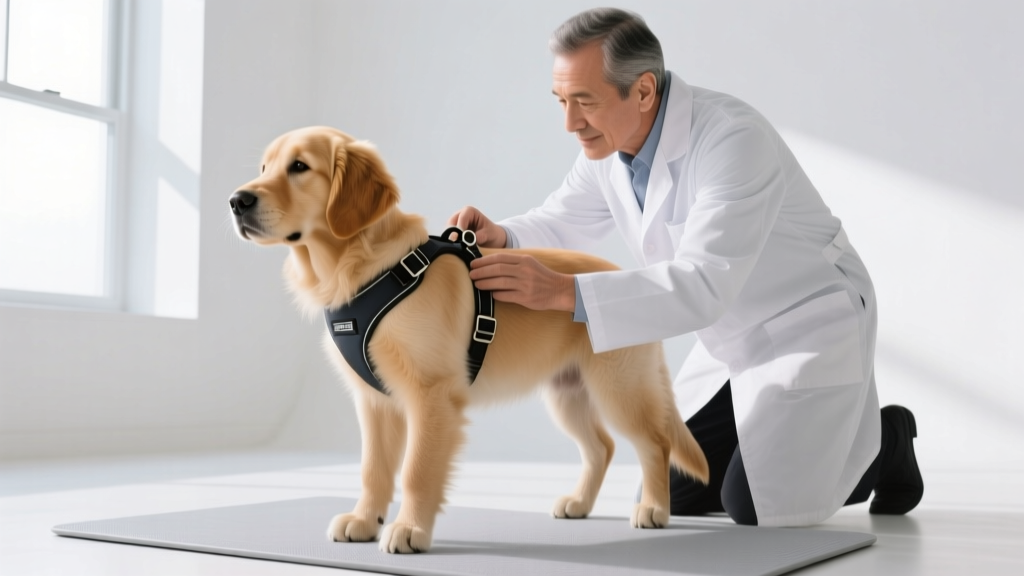
Step-by-Step Front Harness Fitting Guide
Taking Accurate Measurements
Use a soft fabric measuring tape to record the circumference of the puppy's chest. Place the tape exactly behind the front legs, wrapping it around the widest part of the ribcage. Add 2.5 centimeters to this measurement to allow for breathing room and immediate growth.
Adjusting the Straps for a Growing Puppy
Secure the chest strap first, ensuring the front D-ring sits flat against the sternum. Fasten the girth strap behind the front legs. You must be able to slide exactly 2 fingers under any strap. The American Kennel Club emphasizes that a poorly fitted harness can cause severe chafing within 15 minutes of walking.
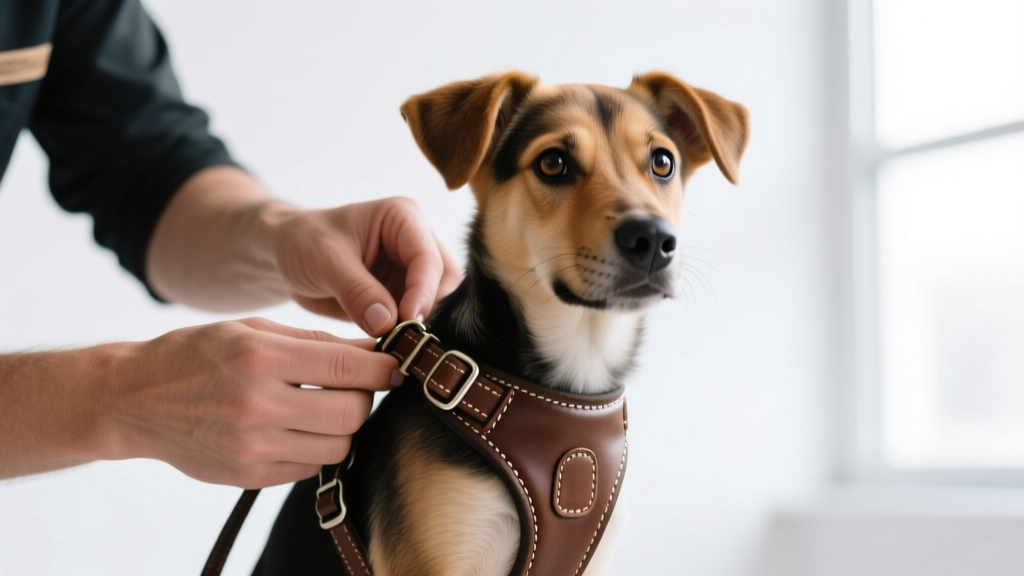
Front-Clip vs. Back-Clip: Comparison Matrix
| Feature | Front-Clip Harness | Back-Clip Harness | Standard Collar |
|---|---|---|---|
| Pulling Redirection | High (45-degree pivot) | None (encourages pulling) | None |
| Tracheal Safety | Excellent | Excellent | Poor |
| Best Use Case | Active leash training | Relaxed walking, car travel | ID tags only |
Frequently Asked Questions
Is a front harness bad for puppies?
No, a front harness is not bad for puppies when fitted correctly. Models like the Ruffwear Front Range or Kurgo Tru-Fit feature padded chest plates that prevent joint strain. The concern arises only if the harness is left on constantly or fitted too tightly, which can impede shoulder extension.
How tight should a puppy front harness be?
A puppy front harness must adhere strictly to the two-finger rule. You should be able to comfortably slide two adult fingers between the harness straps and the puppy's skin at all adjustment points. This ensures the harness remains secure during sudden lunges without restricting respiratory function.
What age can a puppy wear a front-clip harness?
Puppies can wear a front-clip harness starting at 8 weeks of age, coinciding with their first outdoor socialization walks. Select a lightweight, micro-adjustable model designed specifically for toy or small breeds to avoid burdening their developing skeletal structure with heavy hardware.
Conclusion and Next Steps
Selecting the correct front harness for a puppy establishes a foundation for safe, pain-free leash training while protecting their developing respiratory system. By distributing force across the chest and utilizing the 45-degree redirection principle, you eliminate pulling without relying on aversive neck pressure. Your immediate next step is to grab a soft measuring tape, record your puppy's ribcage circumference today, and order a micro-adjustable harness before their next scheduled walk.
aaron-whyte
All our authors care for dogs every day — read more of their work on the authors page.