French Puppy Names & First-Year Guide: Milestones, Feeding, and Care
Discover charming French puppy names plus a complete first-year care guide covering feeding schedules, potty training, vaccines, and milestones for your French breed pup.

French Puppy Names: Finding the Perfect Fit for Your New Companion
Bringing home a French Bulldog, Bichon Frise, Papillon, or any French-origin breed is a milestone moment — and one of the first decisions you'll face is choosing a name that suits your puppy's heritage and personality. French puppy names carry an air of elegance, playfulness, or rustic charm that pairs beautifully with breeds born in the countryside of Provence or the salons of Paris.
Below, you'll find curated French puppy name lists organized by style, followed by a comprehensive first-year puppy care guide tailored to small and medium French breeds (French Bulldog, Bichon Frise, Papillon, Barbet, and Briard). Every timeline, feeding portion, and cost estimate reflects 2026 veterinary standards and real-world owner data.
Classic French Puppy Names
- Male: Marcel, Beau, Remy, Gaston, Henri, Luc, Olivier, Pascal, Toulouse, Jacques
- Female: Amélie, Bijou, Chloé, Delphine, Fleur, Giselle, Mimi, Nicolette, Sylvie, Colette
Food-Inspired French Puppy Names
- Male: Baguette (Baggy), Brie, Croissant (Cro), Madeleine (Maddy), Soufflé, Éclair
- Female: Crème, Macaron, Praline, Truffe (Truffle), Noisette, Cannelle (Cinnamon)
Playful & Modern French Puppy Names
- Male: Coco, Doudou, Loulou, Pipou, Zouzou, Titou
- Female: Lilou, Lou, Nala, Zaza, Kiki, Pomme
Noble & Regal French Puppy Names
- Male: Baron, Duc, Lafayette, Montagne, Roi, Versailles
- Female: Comtesse, Duchesse, Impératrice, Majesté, Reine, Château
When Should I Bring My Puppy Home? Age-Specific Milestones
The American Kennel Club recommends bringing your puppy home between 8 and 12 weeks of age. For brachycephalic breeds like French Bulldogs, many responsible breeders keep puppies until 10–12 weeks to monitor airway development and ensure stable eating habits. Here's what to expect at each developmental stage:
Weeks 4–8: Litter Socialization (With the Breeder)
During this period, your puppy learns bite inhibition from littermates, begins exploring solid food, and develops basic motor skills. The breeder should introduce varied textures (grass, tile, carpet), novel sounds (vacuum, doorbell recordings), and gentle human handling. Puppies receive their first deworming at 2, 4, 6, and 8 weeks.
Weeks 8–12: Transition & Bonding (Your First Month)
What to expect: Your puppy will sleep 18–20 hours per day, have a 5–10 minute attention span, and need potty breaks every 1–2 hours. Expect crying the first 2–3 nights in the crate — this is normal separation behavior, not a sign of a problem. Begin hand-feeding portions of meals to build trust and practice name recognition 10–15 times daily.
Weeks 12–16: Confidence Building
Your puppy's coordination improves dramatically. They can now handle 10–15 minute training sessions, learn sit/down/come with lure-reward methods, and begin leash introduction indoors. Fear periods commonly occur around 12–14 weeks — your puppy may suddenly seem startled by previously familiar objects. Never force exposure; let them approach at their own pace with high-value treats (boiled chicken, freeze-dried liver).
Weeks 16–24: Adolescence Begins
Teething intensifies, energy levels spike, and your puppy may "forget" previously learned commands. This is normal — continue short daily training sessions (5 minutes, 3x/day). Increase structured exercise: two 15–20 minute leash walks plus mental enrichment (snuffle mats, frozen Kongs). For French Bulldogs, avoid exercise in temperatures above 80°F (27°C) due to brachycephalic airway risk.
Months 6–12: Teen Phase & Maturity
Your puppy reaches 75–90% of adult size. Sexual maturity arrives (discuss spay/neuter timing with your veterinarian — current AAHA guidelines recommend 6–9 months for small breeds, 12–18 months for large breeds like the Briard). Expect a second fear period around 8–10 months. Maintain consistent routines and increase socialization with new environments: pet-friendly stores, outdoor cafés, and supervised dog park visits (only after full vaccination).
Feeding Schedule: Exact Portions by Age and Weight
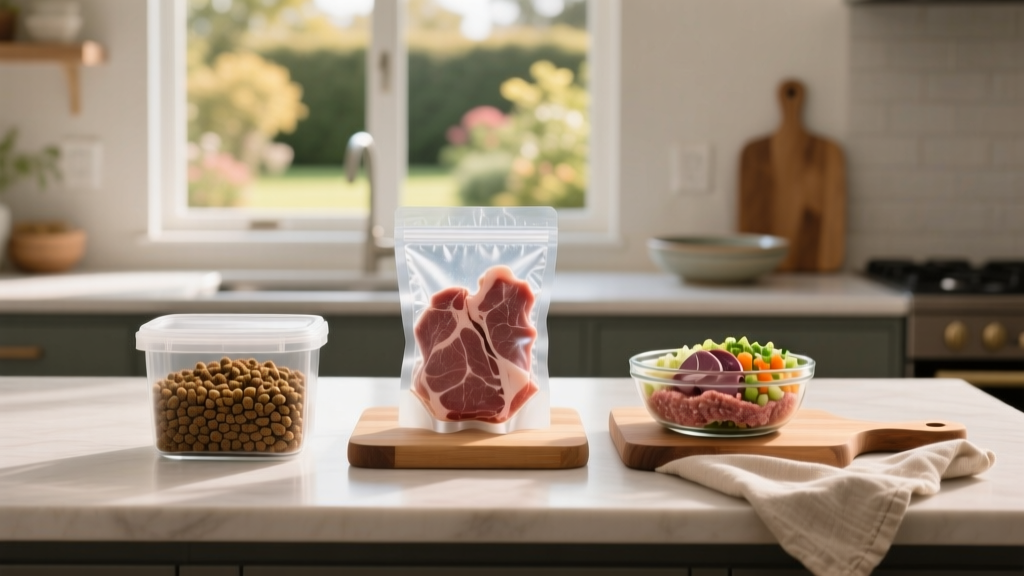
Proper nutrition during the first year is critical for skeletal development, immune function, and long-term health. The following schedule assumes you're feeding an AAFCO-approved puppy food labeled "complete and balanced for growth." For French Bulldogs and other brachycephalic breeds, choose a small-breed kibble with appropriately sized pieces (e.g., Royal Canin French Bulldog Puppy or Purina Pro Plan Small Breed Puppy).
| Age | Meals Per Day | Portion Per Meal (cups) | Total Daily (cups) | Notes |
|---|---|---|---|---|
| 8–12 weeks | 4 | ¼ – ⅓ | 1 – 1⅓ | Moisten kibble with warm water for first 2 weeks |
| 12–16 weeks | 3 | ⅓ – ½ | 1 – 1½ | Transition to dry kibble fully |
| 4–6 months | 3 | ½ – ⅔ | 1½ – 2 | Monitor body condition score (BCS) weekly |
| 6–9 months | 2 | ¾ – 1 | 1½ – 2 | Reduce to 2 meals; adjust for activity level |
| 9–12 months | 2 | ¾ – 1 | 1½ – 2 | Begin transition to adult food at 10–12 months |
Vaccination Schedule: What Your Puppy Needs and When
Your puppy's immune system is immature at 8 weeks, making a precise vaccination timeline essential. The American Veterinary Medical Association and AAHA Canine Vaccination Guidelines recommend the following core and non-core vaccines:
| Age | Vaccine | Type | Estimated Cost (2026) |
|---|---|---|---|
| 6–8 weeks | DHPP (Distemper, Hepatitis, Parainfluenza, Parvovirus) — 1st dose | Core | $25–$40 |
| 8–10 weeks | Bordetella (Kennel Cough) — intranasal | Non-core (recommended for socialization classes) | $20–$35 |
| 10–12 weeks | DHPP — 2nd dose | Core | $25–$40 |
| 10–12 weeks | Leptospirosis — 1st dose (if recommended by your vet) | Non-core | $25–$40 |
| 14–16 weeks | DHPP — 3rd (final) dose | Core | $25–$40 |
| 14–16 weeks | Leptospirosis — 2nd dose | Non-core | $25–$40 |
| 16–18 weeks | Rabies (legally required in all US states) | Core | $20–$35 |
Socialization Window (Weeks 3–14): Your Puppy's Critical Exposure Checklist
The primary socialization period closes around 14 weeks of age. Research published in the Journal of Veterinary Behavior shows that puppies with inadequate socialization during this window are significantly more likely to develop fear-based aggression and anxiety later in life. You can safely socialize your puppy before full vaccination by following ASPCA guidelines — carry your puppy, use a stroller, or visit controlled environments where unvaccinated dogs are not present.
Weeks 8–10: Home-Based Exposure
- 5 different floor surfaces (tile, hardwood, carpet, grass, gravel)
- Hat-wearing humans, sunglasses, umbrellas opened nearby
- Recordings of thunder, fireworks, traffic (start at low volume, pair with treats)
- Gentle handling of ears, paws, mouth, tail (5 seconds each, daily)
- 3–5 new people per week (varying ages, heights, ethnicities)
Weeks 10–12: Controlled Outings
- Puppy kindergarten class (requires at least 1st DHPP + Bordetella)
- Car rides (start with 5 minutes in parked car, progress to short drives)
- Vet clinic "happy visits" — walk in, get treats, leave (no procedures)
- Outdoor seating at a café (puppy on leash, observe people/dogs passing)
- Automatic doors, elevators, escalators (observed from safe distance)
Weeks 12–14: Expanding the World
- Supervised playdates with 1–2 fully vaccinated, temperament-tested dogs
- Pet-friendly retail stores (Home Depot, garden centers — carried or in stroller)
- Children's park (observe from perimeter — never force interaction with running children)
- Grooming table introduction (stand on elevated surface, reward calm behavior)
- Bicycle/skateboard exposure (observed from 20+ feet away)
Potty Training Timeline: Realistic Expectations and Troubleshooting
Most puppies achieve reliable house training between 4 and 6 months of age, though small breeds like French Bulldogs and Papillons may take until 8 months due to smaller bladder capacity. Here's a realistic progression:
| Age | Bladder Hold Time | Expected Accidents Per Week | Key Strategy |
|---|---|---|---|
| 8–10 weeks | 1–2 hours | 4–8 | Take out every 60–90 min + after every meal/nap/play session |
| 10–14 weeks | 2–3 hours | 2–5 | Establish consistent door/pad location; reward within 3 seconds of elimination |
| 14–20 weeks | 3–4 hours | 1–3 | Begin extending crate intervals; introduce verbal cue ("go potty") |
| 5–6 months | 4–6 hours | 0–2 | Nighttime hold (6–8 hours) becomes possible for most puppies |
| 6–8 months | 6–8 hours | 0–1 | Reliable daytime hold; occasional regression during adolescence is normal |
Troubleshooting Common Potty Problems
Submissive/excitement urination: Common in Papillons and Bichons. Avoid direct eye contact when greeting; crouch sideways and let the puppy approach. Never punish — this worsens the behavior.
Regression at 6 months: Often coincides with sexual maturity. Discuss spay/neuter timing with your veterinarian. Return to more frequent potty breaks temporarily.
Crate soiling: If your puppy consistently soils the crate, the crate may be too large (use a divider to limit space to standing room + turning area only) or the puppy is being left too long between breaks.
Crate Training Progression and Teething Relief (Months 3–6)
Crate training provides your puppy with a safe den and accelerates potty training by leveraging a dog's natural instinct not to soil their sleeping area. Pair crate time with the teething phase (3–6 months) for maximum comfort.
Crate Time Limits by Age
| Age | Maximum Crate Time (Daytime) | Maximum Crate Time (Nighttime) |
|---|---|---|
| 8–10 weeks | 30–60 minutes | 2–3 hours (expect 1–2 night wakings) |
| 10–14 weeks | 1–2 hours | 3–4 hours |
| 14–18 weeks | 2–3 hours | 4–6 hours |
| 4–6 months | 3–4 hours | 6–8 hours |
| 6+ months | 4–5 hours | 8 hours (overnight) |
Teething Timeline and Safe Relief Strategies
Puppies begin losing their 28 deciduous (baby) teeth around 12–16 weeks, with all 42 adult teeth typically erupted by 6–7 months. During this period, expect increased chewing, drooling, and occasional bleeding gums.
- Frozen washcloth: Wet a clean washcloth, twist into a rope, freeze for 2 hours. Supervise use and discard if threads unravel.
- Kong Classic (puppy rubber, pink/blue): Stuff with plain canned pumpkin (not pie filling) and freeze. Sizes: Small for Frenchies/Papillons, Medium for Barbets.
- Benebone Puppy Wishbone: Nylon chew designed for puppies under 6 months — softer than adult versions to protect developing teeth.
- Carrot sticks (frozen): Natural, low-calorie, and safe. Supervise to prevent choking on large pieces.
Common Puppy Problems: Breed-Specific Solutions
French Bulldog: Excessive Biting and Nipping
Frenchies are mouthy breeds that use their jaws to explore. Solution: Redirect to a chew toy every time teeth touch skin. If nipping continues, emit a high-pitched "yip" and withdraw attention for 10–15 seconds (mimics littermate behavior). Never hold the mouth shut, tap the nose, or use any aversive technique — these increase fear-based biting.
Bichon Frise / Papillon: Whining and Separation Distress
These companion breeds bond intensely and vocalize when alone. Solution: Practice graduated departures — leave for 30 seconds, return calmly. Gradually extend to 5, 15, 30 minutes over 2–3 weeks. Leave a Snuggle Puppy (heartbeat toy, ~$35) in the crate during early weeks. Never make a dramatic entrance or exit.
Barbet / Briard: Destructive Chewing
Larger French sporting and herding breeds need substantial mental stimulation. Solution: Rotate 5–7 chew toys weekly to maintain novelty. Provide 20–30 minutes of sniffing/enrichment daily (snuffle mats, scatter feeding in the yard). Puppy-proof one room with bitter apple spray on baseboards and furniture legs.
First-Year Cost Breakdown: Budgeting for Your French Breed Puppy
Understanding costs upfront prevents financial stress and ensures your puppy receives proper care. The following estimates reflect 2026 US averages for small-to-medium French breeds (French Bulldog, Bichon Frise, Papillon).
| Category | Low Estimate | Mid Estimate | High Estimate |
|---|---|---|---|
| Puppy purchase (responsible breeder) | $2,500 | $4,000 | $6,500+ |
| Initial vet visits + vaccinations (3–4 visits) | $350 | $500 | $700 |
| Spay/neuter | $300 | $500 | $800 |
| Food (12 months, quality puppy formula) | $360 | $480 | $650 |
| Supplies (crate, bed, bowls, leash, harness, toys) | $200 | $350 | $600 |
| Puppy training classes (group, 6–8 weeks) | $150 | $250 | $400 |
| Pet insurance (annual premium) | $400 | $600 | $900 |
| Grooming (Bichon/Papillon: professional every 6–8 weeks) | $400 | $600 | $900 |
| Flea/tick + heartworm prevention (12 months) | $180 | $250 | $350 |
| Emergency fund (recommended reserve) | $500 | $1,000 | $2,000 |
| Total First Year | $5,340 | $8,530 | $13,800 |
Adoption alternative: French Bulldog and Bichon rescues (e.g., French Bulldog Rescue Network, Bichon Frise Club of America Rescue) typically charge $300–$800 adoption fees, which often include initial vaccinations, spay/neuter, and microchipping. Adoption is an equally valid and rewarding path to bringing a French breed into your home.
When Can My Puppy Go Outside and Meet Other Dogs?
This is one of the most common questions new puppy owners ask — and the answer balances disease risk against the critical socialization window.
Safe outdoor exposure (8–16 weeks, pre-full vaccination): Carry your puppy or use a stroller to explore neighborhoods, sit on your porch, and visit controlled environments. Avoid public dog parks, pet store floors, and areas where unknown dogs defecate until 7 days after the final DHPP vaccine at 14–16 weeks (typically around 17 weeks of age).
Supervised dog introductions: Your puppy can meet fully vaccinated, healthy dogs in private yards or controlled playdates starting at 8 weeks. Puppy kindergarten classes are safe after the first DHPP dose and Bordetella vaccine (typically 8–10 weeks), as reputable facilities require vaccination proof and sanitize between sessions.
Dog parks: Wait until at least 17 weeks (1 week after final puppy vaccines). Even then, choose parks with separate small-dog areas, visit during off-peak hours, and supervise closely. French Bulldogs should never be in a dog park during midday heat.
Frequently Asked Questions
How often should I feed my French Bulldog puppy at 10 weeks?
Four meals per day, approximately ¼ to ⅓ cup of small-breed puppy kibble per meal (total 1 to 1⅓ cups daily). Space meals 4 hours apart during waking hours. Always provide fresh water and remove uneaten food after 15–20 minutes to establish a routine.
When will my French Bulldog puppy be fully potty trained?
Most French Bulldogs achieve reliable daytime house training between 5 and 7 months, with nighttime reliability by 6–8 months. Small bladder capacity means they need more frequent breaks than larger breeds. Consistency with crate training and scheduled potty breaks is the single biggest predictor of success.
How do I stop my French Bulldog puppy from biting my hands?
Use the redirect-and-withdraw method: every time teeth touch skin, say "oops" calmly, offer a chew toy, and if biting continues, stand up and turn away for 10–15 seconds. This mimics how littermates teach bite inhibition. Most puppies significantly reduce nipping by 5–6 months as adult teeth erupt and they learn social boundaries. Consult a certified positive-reinforcement trainer (CPDT-KA or IAABC-certified) if biting intensifies or seems fear-based.
What vaccines does my puppy need at 12 weeks?
At 10–12 weeks, your puppy receives the second DHPP (core) booster and may receive the first Leptospirosis dose if your veterinarian recommends it based on regional risk. Bordetella is often given at 8–10 weeks if not already administered. Always consult your veterinarian to tailor the schedule to your area and lifestyle.
Can I take my 9-week-old puppy to a pet store?
It's safest to carry your puppy or use a stroller rather than letting them walk on pet store floors, where unvaccinated dogs may have been. Socialization is critical during weeks 8–14, but disease risk (especially parvovirus, which survives in the environment for months) is real. Carry, observe, and reward calm behavior — your puppy still benefits enormously from new sights and sounds without paw-to-floor contact.
Should I choose a French puppy name before or after bringing my puppy home?
Having 2–3 name options ready before pickup day is ideal, but allow 24–48 hours to observe your puppy's personality before committing. A dignified name like "Lafayette" may suit a calm, observant Papillon but feel mismatched for a zoomie-prone French Bulldog who might better suit "Zouzou." Dogs learn their name within 1–2 weeks with consistent positive association, so there's no rush.
Aaron Whyte
All our authors care for dogs every day — read more of their work on the authors page.