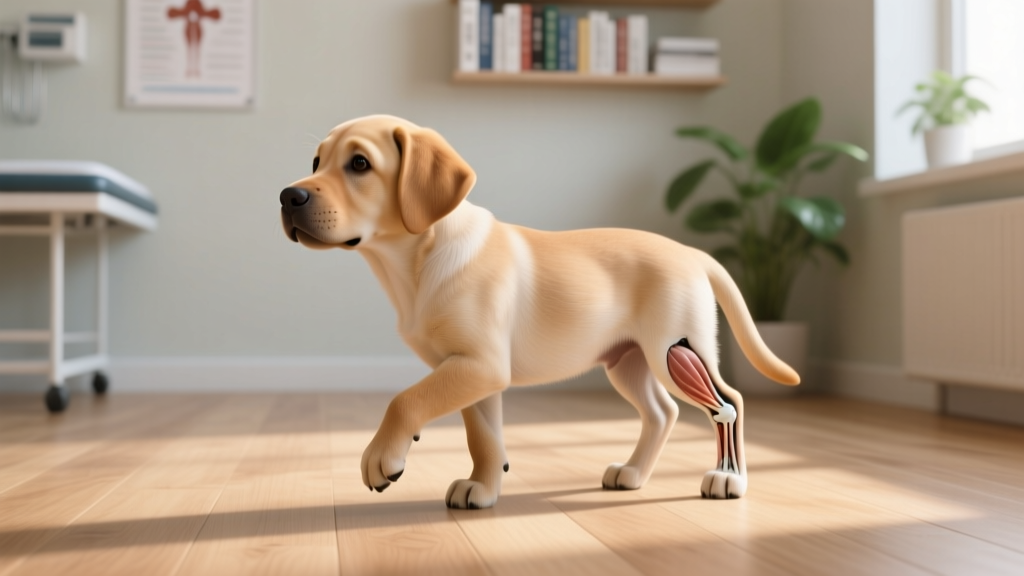
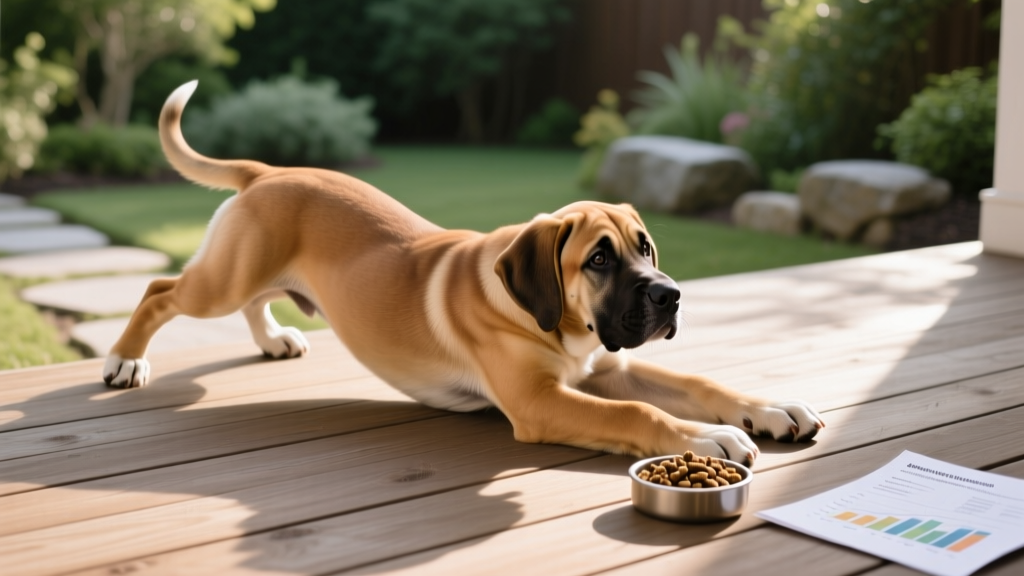
French Pitbull Puppies: Complete Week-by-Week Care & Training Guide
Everything you need to raise French Pitbull puppies — week-by-week milestones, feeding schedules, vaccination timelines, potty training, and first-year

The French Pitbull — a cross between the French Bulldog and the American Pit Bull Terrier — combines the Frenchie's compact charm with the Pit Bull's athleticism and devotion. If you're bringing home French Pitbull puppies, you're signing up for a dog that's typically 25–40 lb (11–18 kg), muscular, brachycephalic-leaning, and intensely bonded to its people. But this hybrid also inherits a unique blend of health considerations, energy patterns, and training needs that generic puppy guides simply don't address.
This guide gives you exact numbers, week-by-week timelines, and breed-specific strategies for raising your French Pitbull puppy from 8 weeks through their first year. All timelines and health guidance below should be confirmed with your veterinarian, as individual puppies develop at different rates.
When Should You Bring Your French Pitbull Puppy Home?
Responsible breeders will not release French Pitbull puppies before 8 weeks of age, and many reputable French Bulldog-influenced breed programs hold puppies until 10–12 weeks. There's a solid reason for this: the 8–12 week window is when puppies learn bite inhibition from littermates and develop early stress-coping skills from their mother.
French Pitbull puppies inherit brachycephalic tendencies from the Frenchie side, which means some puppies may need extra monitoring for breathing and feeding during the transition period. A breeder who keeps puppies to 10 weeks can confirm each puppy is eating solid food reliably, breathing comfortably during play, and showing no signs of brachycephalic obstructive airway syndrome (BOAS).
Week-by-Week Milestone Timeline for French Pitbull Puppies
Here's what to expect as your French Pitbull puppy develops. Weights below assume a projected adult weight of 30–35 lb (14–16 kg), which is typical for this cross.
| Age Range | Expected Weight | Key Milestones | What You Should Be Doing |
|---|---|---|---|
| Weeks 4–8 (at breeder) |
2–5 lb (0.9–2.3 kg) |
Eyes/ears fully open, weaning onto solid food, first socialization with littermates, start of fear imprinting period | Visit if possible; handle puppy daily; expose to different floor textures, gentle handling of paws and ears |
| Weeks 8–12 | 5–10 lb (2.3–4.5 kg) |
Peak socialization window, rapid bonding, start of housetraining awareness, baby teeth fully in | Begin crate training, establish potty schedule, start positive-reinforcement name recognition, expose to 30+ new stimuli |
| Weeks 12–16 | 10–16 lb (4.5–7.3 kg) |
Second fear period may emerge, increased independence testing, improved bladder control, chewing intensity increases | Begin structured puppy classes (after full vaccination), introduce leash walking, rotate chew toys every 48 hours |
| Weeks 16–24 | 16–24 lb (7.3–10.9 kg) |
Teething peak, adult teeth emerging, noticeable energy surges, sexual maturity beginning (if intact) | Frozen chew relief, increase structured exercise to 20–30 min sessions, discuss spay/neuter timing with your vet |
| 6–12 Months | 24–38 lb (10.9–17.2 kg) |
Approaching adult size, adolescent boundary testing, possible same-sex dog reactivity emerging (Pit Bull heritage), coat settling into adult texture | Transition to adult food at 10–12 months, maintain daily training sessions, provide 45–60 min structured exercise daily |
Feeding Schedule: Exact Portions by Age and Weight
French Pitbull puppies are prone to two opposing nutritional risks: obesity (from the Frenchie side, which puts stress on their airway and joints) and rapid growth-related joint problems (from the Pit Bull side, which predisposes them to hip dysplasia). Feed a small-breed or all-life-stages puppy formula that meets AAFCO nutritional adequacy standards for growth.
| Puppy Age | Meals Per Day | Daily Amount (Dry Kibble) | Calorie Target (approx.) |
|---|---|---|---|
| 8–12 weeks | 4 meals | ¾ – 1 cup total per day | 350–500 kcal |
| 12–16 weeks | 3 meals | 1 – 1¼ cups total per day | 500–650 kcal |
| 16–24 weeks | 3 meals | 1¼ – 1¾ cups total per day | 650–850 kcal |
| 6–12 months | 2 meals | 1½ – 2¼ cups total per day | 750–1,000 kcal |
How to calibrate: These ranges assume a kibble with approximately 380–420 kcal/cup. Check your specific brand's guaranteed analysis. You should be able to feel your puppy's ribs without pressing hard, and see a slight waist tuck when viewed from above. Adjust portions up or down by 10–15% based on body condition score (BCS) every two weeks.
Vaccination Schedule for French Pitbull Puppies
Your puppy's vaccination protocol will be determined by your veterinarian based on local disease prevalence and your puppy's health status. The following represents the core vaccination timeline recommended by the AVMA and commonly followed by US veterinarians.
| Age | Vaccine(s) | Notes |
|---|---|---|
| 6–8 weeks | DHPP (Distemper, Hepatitis, Parainfluenza, Parvovirus) — 1st dose | Often given by breeder; confirm documentation |
| 10–12 weeks | DHPP — 2nd dose; Bordetella (optional, recommended if attending puppy classes) | Maternal antibodies still partially active; puppy NOT fully protected yet |
| 14–16 weeks | DHPP — 3rd (final puppy) dose; Rabies (required by law in most states) | Full immunity develops ~2 weeks after final DHPP dose |
| 12–16 months | DHPP booster; Rabies booster | Then every 1–3 years depending on vaccine type and local law |
Lifestyle vaccines to discuss with your vet: Leptospirosis (if hiking near water), Lyme disease (tick-endemic areas), and Canine Influenza (H3N2/H3N8, if boarding or in high-density dog environments). French Pitbulls with Frenchie-inherited respiratory sensitivity may be more vulnerable to kennel cough complications, making Bordetella worth considering even for low-exposure puppies.
Socialization Window: The Critical Weeks 3–14 Checklist
The primary socialization period for puppies closes around 14 weeks of age. For French Pitbull puppies, this window is especially important because the Pit Bull heritage can produce dog-selective or dog-reactive tendencies in adolescence if early positive exposure is lacking. At the same time, the Frenchie side can produce fearful or shut-down responses to novel stimuli without gentle, repeated exposure.
Before your puppy is fully vaccinated, carry them in a sling or backpack for outdoor exposure. Do NOT place them on public ground (dog parks, pet store floors) until 2 weeks after the final DHPP dose. The Merck Veterinary Manual notes that controlled socialization during this period dramatically reduces behavioral problems later in life.
- ✓ 10+ different people (varying age, height, ethnicity, wearing hats/glasses/coats)
- ✓ 5+ fully vaccinated, known-temperament adult dogs (supervised, brief play sessions)
- ✓ Car rides (start with 5-minute trips, build to 20 minutes)
- ✓ Floor surfaces: tile, hardwood, gravel, grass, wet pavement, metal grates
- ✓ Sounds: vacuum, doorbell, thunderstorm recordings (low volume, paired with treats)
- ✓ Handling: paw touching, ear inspection, mouth opening, nail clipping practice
- ✓ Veterinary visits (schedule a "happy visit" — no procedures, just treats and praise)
- ✓ Alone time practice: 5–15 minutes in crate while you're in another room
- ✓ Children (supervised, calm, age 6+ only — teach children not to grab ears or tail)
- ✓ Umbrellas opening, backpacks dropping, bicycles passing at a distance
Rule of thumb: Every new experience should end with your puppy relaxed or playing. If your puppy shows fear (cowering, tail tucking, freezing), increase distance from the stimulus and offer high-value treats. Never force interaction — let your puppy approach at their own pace.
Potty Training Timeline and Troubleshooting
French Pitbull puppies are moderately quick to housetrain compared to some small breeds, but the Frenchie side can contribute a stubborn streak. Expect reliable potty training between 4–6 months of age with consistent scheduling. "Reliable" means fewer than 1–2 accidents per month.
Bladder capacity by age:
- 8–10 weeks: 30–45 minutes between outings
- 10–14 weeks: 1–1.5 hours
- 14–20 weeks: 2–3 hours
- 5–6 months: 4–5 hours
- 8+ months: 6–8 hours (overnight)
The schedule that works: Take your puppy out immediately after waking, within 15 minutes after every meal, after every play session, and before crating. Use a consistent verbal cue ("go potty") while they're eliminating, then reward with a treat immediately after they finish — not when they come back inside.
Crate Training Progression and Time Limits
French Pitbulls can develop separation anxiety, particularly if the Frenchie's companion-dog bonding tendency is strong. Crate training provides a safe den, but time limits must be respected to prevent distress and housetraining setbacks.
| Puppy Age | Max Crate Time (Daytime) | Max Crate Time (Overnight) | Crate Size Recommendation |
|---|---|---|---|
| 8–10 weeks | 30–45 minutes | 2–3 hours (will need a potty break) | 24" crate with divider panel |
| 10–14 weeks | 1–1.5 hours | 4–5 hours | 24" crate, adjust divider |
| 14–20 weeks | 2–3 hours | 6–7 hours | Transition to 30" crate if needed |
| 5–8 months | 3–4 hours | 7–8 hours | 30" crate (adult size for most) |
Progression method: Week 1 — feed meals in the open crate, door removed. Week 2 — close door during meals, open immediately after. Week 3 — close door for 2-minute intervals after meals while you sit nearby. Week 4 — extend to 10 minutes, move 5 feet away. Increase distance and duration gradually. If your puppy whines, wait for 3 seconds of silence before opening — opening during whining reinforces the behavior.
Teething Timeline and Relief Strategies (3–6 Months)
French Pitbull puppies begin losing baby teeth around 12–16 weeks, with adult teeth fully erupted by 6–7 months. The Pit Bull side contributes powerful jaw muscles, so teething chewing can be intense and destructive if not redirected.
Teething phases:
- 12–16 weeks: Incisors loosen first. You may find tiny teeth in bedding. Mild gum bleeding is normal.
- 16–20 weeks: Canines and premolars erupt. Peak chewing intensity. This is when furniture, shoes, and baseboards are most at risk.
- 20–28 weeks: Molars come in. Chewing subsides gradually but remains a daily need.
Safe chew recommendations for French Pitbull puppies:
- Frozen, wet washcloth twisted into a rope (supervised only — remove if threads unravel)
- Kong Classic (puppy rubber, pink or blue) stuffed with frozen plain yogurt and banana
- Benebone Puppy Wishbone (size small, for dogs under 30 lb)
- Carrots, frozen whole (low-calorie, safe if puppy doesn't crack large pieces)
Avoid: Rawhide chews (choking and blockage risk for brachycephalic-leaning dogs), cooked bones (splinter hazard), antlers and hooves (too hard — risk of slab fractures in developing teeth), and any chew smaller than your puppy's muzzle width.
Common French Pitbull Puppy Problems and Solutions
French Pitbull puppies inherit strong jaws and a mouthy play style from both parent breeds. Biting peaks between 10–16 weeks. Solution: When teeth touch skin, say "ouch" in a calm voice and immediately stop all interaction for 10–15 seconds (stand up, look away). Redirect to an appropriate chew toy and reward chewing it. Never hold the puppy's mouth shut or use physical punishment — this increases fear-based biting. Consistency across all household members is essential; expect 2–4 weeks of consistent redirection before significant improvement.
The Frenchie side produces dogs that bond intensely and dislike isolation. Expect 1–3 weeks of nighttime vocalization. Solution: Place the crate in your bedroom for the first 2 weeks, then gradually move it to the desired permanent location over another 1–2 weeks. Provide a heartbeat-simulating plush toy (such as a Snuggle Puppy) and a worn t-shirt with your scent. Take the puppy out for a potty break if whining persists beyond 30 minutes, then return to crate with minimal interaction.
Peak chewing occurs during teething (16–24 weeks) and again during adolescence (7–10 months). Solution: Puppy-proof by removing accessible items at puppy-eye level. Provide 5–7 approved chew items and rotate them every 48 hours to maintain novelty. Use bitter apple spray on furniture legs as a deterrent while teaching the "leave it" cue. Ensure your puppy gets adequate physical and mental exercise — a tired puppy chews less.
The Pit Bull heritage can produce same-sex dog intolerance that surfaces during adolescence. Solution: Continue structured, positive exposure to well-socialized dogs of both sexes through puppy classes and controlled playdates. If your puppy begins stiffening, staring, or lunging at other dogs on-leash, increase distance and use high-value treats to counter-condition. Consult a certified force-free trainer (CPDT-KA or IAABC credentialed) early — reactivity is far easier to manage at onset than after it becomes an established pattern.
First-Year Cost Breakdown for a French Pitbull Puppy
Budget realistically before committing. Costs below reflect 2026 US averages and may vary by region.
| Category | Low Estimate | Mid Estimate | High Estimate |
|---|---|---|---|
| Puppy purchase (responsible breeder) | $1,200 | $2,000 | $3,500 |
| Veterinary (vaccines, spay/neuter, wellness exams, fecal tests) | $600 | $1,000 | $1,800 |
| Food (12 months, quality puppy → adult formula) | $350 | $550 | $800 |
| Supplies (crate, bed, bowls, leash, harness, toys, grooming) | $200 | $400 | $700 |
| Training (puppy class + basic obedience) | $150 | $350 | $700 |
| Preventive medications (heartworm, flea/tick, 12 months) | $200 | $350 | $500 |
| Pet insurance (optional, annual premium) | $400 | $650 | $900 |
| TOTAL (excluding insurance) | $2,700 | $4,650 | $8,000 |
Breed-specific cost considerations: French Pitbulls may need allergy testing or dermatology visits (both parent breeds are prone to skin allergies), and the brachycephalic Frenchie influence can lead to BOAS-related veterinary costs in some dogs. Budget a $500–$1,000 emergency fund for unexpected issues in the first year.
Frequently Asked Questions About French Pitbull Puppies
When can my French Pitbull puppy go outside and meet other dogs?
You can carry your puppy in public spaces immediately (using a sling or carrier) for socialization exposure. However, do not place your puppy on public ground or allow contact with unknown dogs until 2 weeks after the final DHPP vaccine — typically around 16–18 weeks of age. Controlled playdates with fully vaccinated, known-health dogs in private yards are acceptable from 10 weeks onward.
How do I stop my French Pitbull puppy from biting?
Use the "ouch + withdraw" method: when teeth touch skin, calmly say "ouch," stand up, and ignore the puppy for 10–15 seconds. Redirect to an appropriate chew toy. Reward soft-mouthed play with continued interaction. This mimics how littermates teach bite inhibition. Expect consistent results within 2–4 weeks if all household members apply the same protocol. Never use physical punishment, which increases fear-based aggression.
How often should I feed my French Pitbull puppy?
At 8–12 weeks, feed 4 meals per day. At 12–24 weeks, reduce to 3 meals. At 6 months and beyond, feed 2 meals per day. Total daily portions range from ¾ cup (8 weeks) to 2¼ cups (6–12 months) depending on your kibble's caloric density and your puppy's body condition score. Consult your veterinarian for individualized amounts.
When will my French Pitbull puppy be fully potty trained?
Most French Pitbull puppies achieve reliable housetraining between 4–6 months with consistent scheduling. "Reliable" means fewer than 1–2 accidents per month. Some puppies with the Frenchie's smaller bladder may take closer to 7–8 months. Overnight reliability (sleeping 7–8 hours without accidents) typically arrives around 5–6 months.
Are French Pitbull puppies good with children?
When properly socialized, French Pitbulls are generally affectionate and tolerant with children. However, no puppy of any breed should be left unsupervised with children under 10. Teach children to respect the puppy's crate as off-limits, avoid grabbing ears or tail, and not approach the puppy while eating. Always supervise interactions and model calm, gentle handling.
Do French Pitbull puppies need special health screening?
Yes. Ask your breeder for documentation of parent health testing: OFA hip evaluations, cardiac screening, and patella checks for both parents. At your puppy's first vet visit, discuss screening for brachycephalic airway issues, allergies (common in both parent breeds), and a baseline orthopedic exam. Consult your veterinarian about an appropriate wellness plan for this specific crossbreed.
Jonas Cole
All our authors care for dogs every day — read more of their work on the authors page.