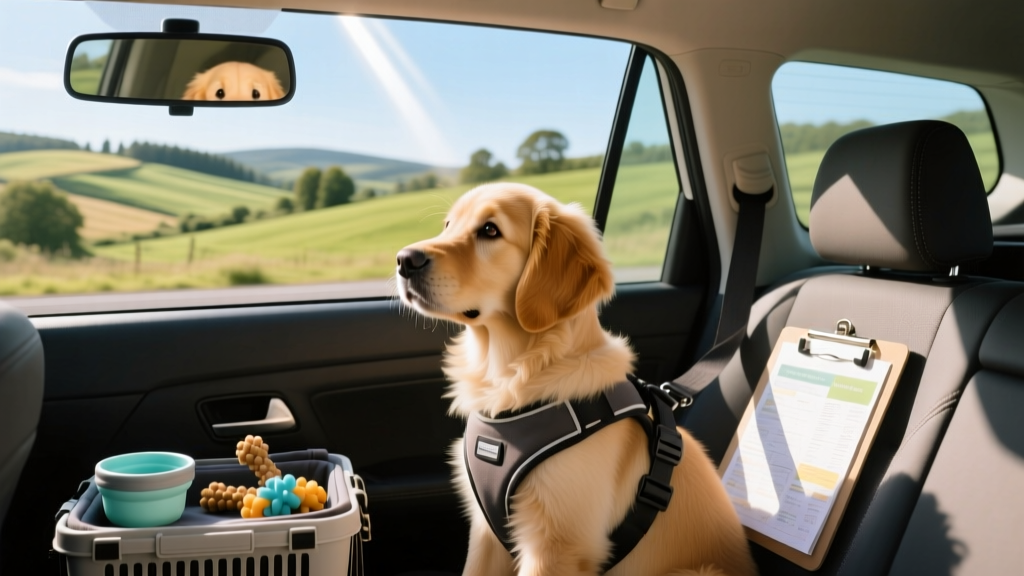
Fluffy Puppies That Stay Small
Everything you need to raise fluffy puppies that stay small — milestones, feeding schedules, potty training, vaccines, and first-year costs for toy and small breeds.

If you've set your heart on one of those irresistible fluffy puppies that stay small — think Pomeranians, Bichon Frisés, Havanese, Coton de Tuléars, or toy Poodles — you're in for a lifetime of companionship packed into a compact, cloud-like package. But raising a small-breed puppy is not the same as raising a Labrador. These tiny dogs have unique nutritional needs, faster metabolisms, fragile bones, and a critical socialization window that demands your attention from day one.
This guide walks you through every stage of your small fluffy puppy's first year, with exact timelines, feeding portions, vaccination schedules, and real-world troubleshooting drawn from veterinary science and hands-on breed experience.
When Should I Bring My Fluffy Small-Breed Puppy Home?
For fluffy puppies that stay small, the ideal homecoming age is 10 to 12 weeks — not the 8 weeks common for larger breeds. Here's why:
Toy and small breeds are more prone to hypoglycemia (dangerously low blood sugar) in their first weeks. Responsible breeders of Pomeranians, Yorkshire Terriers, Maltese, and Chihuahuas often keep puppies until 10-12 weeks to ensure they're eating reliably, have received their first two rounds of vaccinations, and have passed the most fragile developmental stage.
The American Kennel Club notes that while 8 weeks is the legal minimum in many states, small and toy breeds benefit significantly from additional time with their littermates, where they learn bite inhibition and canine social cues that are harder to teach in a human household.
Small Fluffy Puppy Milestones: Week-by-Week Timeline
Small breeds develop on a slightly compressed timeline compared to large breeds — they reach physical maturity faster (often by 10-12 months) but still require careful stage-by-stage management.
| Age Range | Developmental Milestone | What to Expect |
|---|---|---|
| Weeks 4–8 (at breeder) | Weaning, first socialization, littermate play | Puppies transition from mother's milk to softened kibble (3-4 meals/day). Eyes fully open. First baby teeth emerge. Fear imprint period begins around week 8 — negative experiences can have lasting effects. |
| Weeks 8–12 (homecoming) | Bonding, rapid brain development, first fear period | Your puppy is learning who their family is. They can learn their name, basic handling, and crate introduction. Bladder capacity is roughly 1 hour per month of age (so ~2 hours at 8 weeks). Expect 3 AM potty wakes. First DHPP vaccine at or before arrival. |
| Weeks 12–16 | Confidence building, second fear period may start | Puppy becomes bolder and may test boundaries. Teething discomfort begins around 14-16 weeks. Can hold bladder ~3-4 hours. Second DHPP booster given. Socialization is still in its critical window (closes ~14-16 weeks). |
| Weeks 16–24 (4–6 months) | Peak teething, adolescent energy surge | Baby teeth fall out; adult teeth come in. Destructive chewing peaks. Puppy can hold bladder 4-6 hours. Spay/neuter is typically scheduled around 5-6 months for small breeds. Final DHPP and rabies vaccines completed. |
| Months 6–12 | Adolescent maturation, adult coat transition | Fluffy coat transitions from puppy fuzz to adult texture — expect a "puppy uglies" phase in Pomeranians around 4-8 months. Energy levels stabilize. Most small breeds reach 90% of adult weight by 9-10 months. Potty training should be reliable by 6-8 months. |
Feeding Schedule for Fluffy Puppies That Stay Small
Small-breed puppies have higher metabolic rates per pound than large-breed puppies, meaning they burn calories faster and are at real risk of hypoglycemia if meals are skipped. The Merck Veterinary Manual recommends feeding small-breed puppies 3-4 times daily until at least 4 months of age.
Choose a kibble specifically formulated for small-breed puppies — these have smaller kibble size, higher caloric density, and appropriate calcium-to-phosphorus ratios for compact skeletal growth. Look for the AAFCO statement: "formulated for growth/all life stages" on the bag.
| Puppy Age | Expected Weight (Toy/Small) | Meals Per Day | Daily Portion (Dry Kibble) | Notes |
|---|---|---|---|---|
| 8–12 weeks | 1.5–4 lb / 0.7–1.8 kg | 4 meals | ¼ – ⅓ cup/day total | Moisten kibble with warm water. Keep Nutri-Cal (glucose gel) on hand for hypoglycemia emergencies. |
| 12–16 weeks | 3–7 lb / 1.4–3.2 kg | 3 meals | ⅓ – ½ cup/day total | Transition to dry kibble. Monitor body condition score — ribs should be palpable but not visible. |
| 4–6 months | 5–10 lb / 2.3–4.5 kg | 3 meals | ½ – ¾ cup/day total | Appetite may fluctuate during teething. Don't reduce meals — offer softer food if needed. |
| 6–9 months | 7–14 lb / 3.2–6.4 kg | 2 meals | ½ – 1 cup/day total | Begin transitioning to adult small-breed formula around 9-10 months. |
| 9–12 months | Adult weight reached | 2 meals | Per adult feeding guide on bag | Most fluffy small breeds are on adult food by 10-12 months. Adjust for activity level. |
Vaccination Schedule: Protecting Your Small Fluffy Puppy
Small-breed puppies follow the same core vaccination timeline as larger dogs, but their tiny bodies may have stronger reactions to vaccines. Some veterinarians recommend splitting vaccine visits (giving DHPP and rabies 2 weeks apart) to reduce adverse reaction risk in dogs under 15 lb / 6.8 kg.
| Age | Vaccine | Details |
|---|---|---|
| 6–8 weeks | DHPP (1st dose) | Distemper, Hepatitis (Adenovirus), Parainfluenza, Parvovirus. Usually given by the breeder. Optional: Bordetella (kennel cough) if puppy will be in group settings. |
| 10–12 weeks | DHPP (2nd booster) | Critical booster — maternal antibodies from the mother are waning, and this dose bridges the immunity gap. Optional: Leptospirosis, Lyme (based on geographic risk). |
| 14–16 weeks | DHPP (3rd/final booster) + Rabies | Final puppy DHPP ensures full immunity. Rabies is legally required in all US states. Your vet may recommend giving rabies at a separate visit for toy breeds to reduce reaction risk. |
| 12–16 months | DHPP + Rabies (1-year booster) | First adult booster. After this, DHPP and rabies are typically given every 3 years (check your state's rabies law). |
Common small-breed vaccine reactions: Mild lethargy, soreness at injection site, and reduced appetite for 12-24 hours are normal. Contact your vet immediately if you see facial swelling, hives, vomiting, difficulty breathing, or collapse — these indicate anaphylaxis and require emergency treatment.
The Socialization Window: Weeks 3–14 Are Non-Negotiable
The American Veterinary Medical Association (AVMA) and the American Veterinary Society of Animal Behavior (AVSAB) emphasize that the primary socialization period for puppies closes between 12 and 14 weeks of age. After this window, unfamiliar stimuli are more likely to trigger fear rather than curiosity.
For fluffy puppies that stay small, socialization is especially critical because small breeds are statistically more prone to fear-based behaviors, excessive barking, and reactivity. Here's your exposure checklist:
- Surfaces: Grass, gravel, tile, carpet, metal grates, wet pavement — at least 7 different surfaces
- People: Men with beards, children (supervised), people wearing hats/sunglasses, people in wheelchairs, delivery workers — at least 12 different people
- Sounds: Vacuum cleaner, doorbell, thunder (play recordings at low volume), traffic, fireworks recordings, clapping — pair each with treats
- Handling: Paw touching, ear inspection, mouth opening, nail clipping practice, being held on back — daily 2-minute sessions
- Other animals: Fully vaccinated adult dogs (playdates, NOT dog parks), calm cats if available — positive, controlled encounters only
- Environments: Car rides (short trips ending in fun), outdoor café patios, friend's houses, pet-friendly stores (after final vaccine)
- Objects: Umbrellas opening, plastic bags rustling, bicycles, skateboards — introduce gradually with high-value treats
When can my puppy go outside and meet other dogs? Your puppy can explore your own yard and visit fully vaccinated dogs in controlled settings immediately. However, avoid public dog parks, pet store floors, and high-traffic dog areas until one week after the final DHPP booster (typically around 17 weeks). Parvovirus can survive in soil for months and is lethal to unvaccinated puppies.
Potty Training Timeline: Realistic Expectations for Small Breeds
Here's the honest truth: small-breed puppies are notoriously harder to potty train than large breeds. Their tiny bladders hold very little, and many owners inadvertently reinforce indoor elimination by not recognizing subtle signals from a 3-pound puppy. Plan for 4 to 8 months before potty training is reliable — not the "3 days" some online guides promise.
When will my puppy be fully potty trained? Most small fluffy breeds are reliably house-trained between 6 and 8 months of age, with occasional accidents possible until 12 months. Consistency is the single biggest factor.
| Time | Activity | Potty Result | Reward Given |
|---|---|---|---|
| 6:30 AM | Wake up → carry outside | ✅ Pee + poop | Chicken bit + "Yes!" |
| 7:15 AM | After breakfast (15 min) | ✅ Pee | Cheese bit + "Yes!" |
| 8:30 AM | After play session | ❌ Nothing | Back in crate, try again in 20 min |
| 8:50 AM | Second try outside | ✅ Pee | Chicken bit + "Yes!" |
Tip: Small-breed puppies need to go out every 1-2 hours during the day. Set a phone alarm. Don't wait for them to signal — take them out proactively.
Troubleshooting common potty issues:
- Puppy pees inside right after coming in: They didn't fully empty outside. Stay out longer, use a consistent "go potty" cue, and reward enthusiastically when they finish.
- Puppy pees in crate: Crate may be too large (they eliminate in one corner and sleep in another). Use a divider to size it so they can stand, turn, and lie down — no more. Also rule out UTI with your vet.
- Submissive/excitement urination: Common in small breeds. Don't punish — ignore the behavior, greet calmly, and take them outside immediately after arrivals.
Crate Training Progression and Teething Relief
A crate is essential for small-breed puppies — it keeps them safe from household hazards (electrical cords, dropped medications, toxic foods) and accelerates potty training by leveraging their instinct not to soil their sleeping area.
| Puppy Age | Max Crate Time (Daytime) | Max Crate Time (Overnight) | Notes |
|---|---|---|---|
| 8–10 weeks | 1–2 hours | 3–4 hours (set alarm) | Expect crying the first 3-5 nights. Place crate near your bed. Cover with a breathable blanket. |
| 10–14 weeks | 2–3 hours | 4–5 hours | Begin short absences from the room while puppy is crated (5, then 10, then 20 minutes). |
| 14–24 weeks | 3–4 hours | 6–7 hours | Most puppies can sleep through the night by 14-16 weeks if last potty break is at 11 PM. |
| 6–12 months | 4–6 hours | 7–8 hours | Transition to leaving crate door open during the day. Never crate a dog longer than they can hold their bladder. |
Teething Timeline and Relief Strategies (3–6 Months)
Small-breed puppies have 28 baby teeth that begin falling out around 12-16 weeks, with all 42 adult teeth typically in place by 6-7 months. Toy breeds are especially prone to retained deciduous teeth (baby teeth that don't fall out), which can crowd adult teeth and cause dental disease. Your vet will check for this at each visit and may recommend extraction during spay/neuter surgery.
Safe teething relief options:
- Frozen washcloth: Wet a clean washcloth, twist into a rope, freeze for 2 hours. Supervise chewing and remove when pieces tear off.
- Kong Classic (XS or Small): Fill with plain yogurt or canned pumpkin (NOT pie filling) and freeze. The rubber is gentle on small jaws.
- Benebone Puppy (Small): Nylon chew designed for puppies under 30 lb — softer than adult versions.
- Carrot sticks (frozen): Natural, low-calorie, and safe if puppy is supervised. Remove when small enough to swallow whole.
Common Puppy Problems and Solutions for Small Fluffy Breeds
How Do I Stop Puppy Biting and Nipping?
All puppies mouth and nip — it's how they explore the world. But small-breed puppy teeth are needle-sharp, and their tiny size means many owners unintentionally allow biting that would never be tolerated in a larger dog. This creates problems as the dog matures.
Force-free approach to stop biting:
- Redirect: When puppy teeth touch skin, say "Oops!" in a neutral tone and immediately offer a chew toy. Praise enthusiastically when they bite the toy instead.
- Withdraw attention: If redirecting doesn't work, stand up and turn away for 10-15 seconds. This teaches that biting ends play — the opposite of what the puppy wants.
- Manage arousal: Puppies bite most when overtired (similar to toddlers). If biting escalates, it's usually nap time. Place puppy in crate with a chew for a 30-60 minute nap.
- Consistency: Every family member must follow the same rules. If one person allows mouthing and another punishes it, the puppy becomes confused and anxious.
Excessive Whining and Crying
Small breeds are vocal by nature. Whining in the first weeks home is usually driven by separation distress — your puppy has never been alone. Address this by:
- Practicing short crate absences during the day (start with 30 seconds, build to 30 minutes over 2 weeks)
- Leaving a worn t-shirt with your scent in the crate
- Using a white noise machine or Snuggle Puppy (a plush toy with a heartbeat simulator — around $30-$40)
- Not releasing the puppy from the crate while crying (wait for 5 seconds of silence first)
Destructive Chewing
Peak chewing occurs between 4 and 7 months during active teething. Puppy-proof your home by securing electrical cords (use cord covers, ~$10-15 on Amazon), keeping shoes in closed closets, and using bitter apple spray ($8-12) on furniture legs. Always provide 3-5 appropriate chew options that are more appealing than your belongings.
First-Year Cost Breakdown for Fluffy Small-Breed Puppies
Small dogs are often less expensive to maintain than large breeds (they eat less, medications cost less by weight), but the first year still carries significant startup costs. Here's a realistic breakdown based on 2026 veterinary pricing:
| Category | Low Estimate | Mid Estimate | High Estimate | Details |
|---|---|---|---|---|
| Puppy Purchase/Adoption | $300 (rescue) | $1,500 | $4,000+ | Responsible breeders of Pomeranians, Bichons, Havanese typically charge $1,500-$4,000. Rescue fees range $200-$600. |
| Veterinary (Vaccines, Spay/Neuter, Exams) | $600 | $900 | $1,500 | 3 puppy visits + rabies + spay/neuter ($300-$700 for small breed). Add $200-$400 if retained teeth need extraction. |
| Food (Small-Breed Puppy Formula) | $180 | $300 | $480 | Premium small-breed puppy kibble: $1.50-$4.00/lb. Small breeds eat 1-2 lb/month. |
| Preventive Medications | $200 | $350 | $500 | Heartworm (e.g., Heartgard Plus, ~$60/6-month supply for under 25 lb), flea/tick (e.g., NexGard, ~$90/6-month supply). |
| Supplies | $200 | $400 | $700 | Crate ($40-$80), bed ($25-$60), harness + leash ($20-$50), bowls, grooming tools ($30-$80 for slicker brush + comb), puppy gate, toys. |
| Grooming | $0 (home) | $400 | $800 | Bichons, Havanese, and Poodles need professional grooming every 6-8 weeks ($50-$90/session). Pomeranians can be home-groomed. |
| Training | $0 (DIY) | $200 | $600 | Group puppy class ($100-$200 for 6-week course). Private sessions: $75-$150/hour. |
| TOTAL FIRST YEAR | $1,480 | $4,050 | $8,580 | Does not include emergency vet visits or pet insurance ($30-$60/month). |
Frequently Asked Questions
How often should I feed my small fluffy puppy at each age?
Feed 4 meals per day from 8-12 weeks, 3 meals per day from 12 weeks to 6 months, and 2 meals per day from 6 months onward. Never free-feed (leave food out all day) small-breed puppies — it makes potty training harder and can lead to obesity, which stresses their tiny joints.
Which fluffy breeds stay small and are best for first-time owners?
The most beginner-friendly fluffy puppies that stay small include the Bichon Frisé (12-18 lb, cheerful and adaptable), Havanese (7-13 lb, gentle and trainable), and Coton de Tuléar (9-15 lb, clownish and affectionate). Pomeranians and toy Poodles are also popular but can be more strong-willed and require patient, consistent training.
When can my puppy go to the groomer for the first time?
Most groomers accept puppies after their final DHPP booster at 14-16 weeks (plus one additional week for full immunity, so around 17 weeks). Start with a "puppy intro" groom — a quick bath, light trim around the eyes and paws, and nail trim — to build positive associations before committing to a full clip.
My puppy has a soft spot on its head. Is this normal?
Many toy breeds (Chihuahuas, Pomeranians, Yorkshire Terriers) are born with an open fontanel — a soft spot on the skull similar to a human baby's. In most cases, it closes by 6-12 months. However, a persistently open fontanel increases risk of injury. Avoid rough play, protect the head from bumps, and discuss it with your vet at each checkup.
Should I get pet insurance for my small fluffy puppy?
Yes — enroll before any pre-existing conditions develop (ideally at 8-10 weeks). Small breeds are predisposed to costly conditions like luxating patellas ($1,500-$3,500 per knee for surgery), dental disease ($500-$1,500 for extractions), and tracheal collapse (diagnostic workup $500-$2,000). Monthly premiums for small-breed puppies in 2026 average $30-$50 for accident-and-illness coverage with an $80-$150/month comprehensive plan.
Beth Carrasco
All our authors care for dogs every day — read more of their work on the authors page.