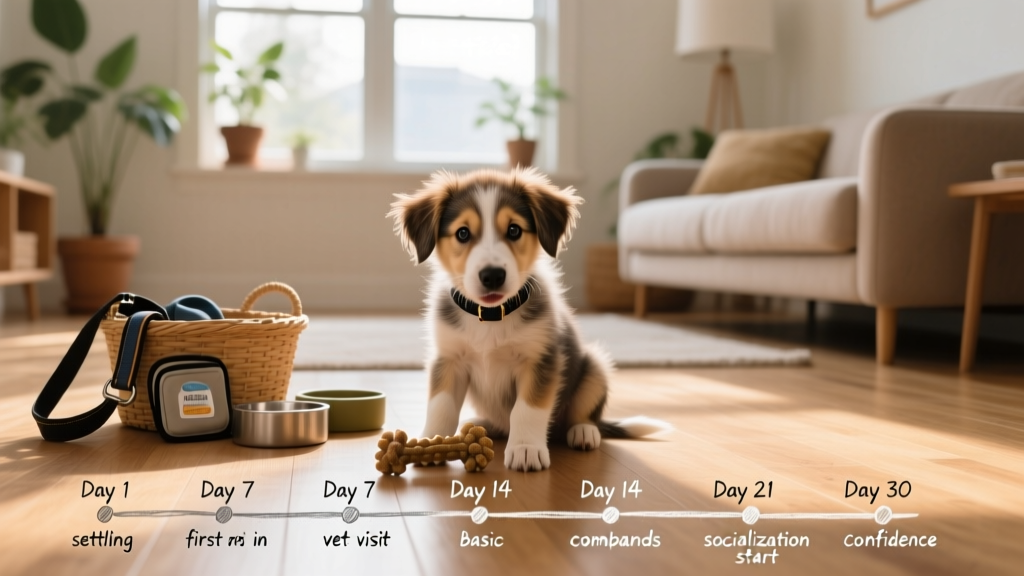
Fenbendazole for Puppies
Learn how fenbendazole for puppies works, proper dosing by weight, deworming schedules, and complete puppy care milestones from 4 weeks to 12 months.

Why Fenbendazole Is a Cornerstone of Puppy Parasite Control
Fenbendazole (commonly sold under the brand name Panacur®) is one of the most widely used broad-spectrum dewormers in veterinary medicine. For puppies, it's practically unavoidable — the Centers for Disease Control and Prevention estimates that nearly 100% of puppies are born with or acquire intestinal parasites within their first few weeks of life, most commonly roundworms (Toxocara canis) transmitted through the placenta or mother's milk.
Fenbendazole works by disrupting the parasite's cellular metabolism, specifically inhibiting glucose uptake in helminths. It's effective against roundworms, hookworms, whipworms, certain tapeworms (Taenia species, but notably NOT Dipylidium caninum), and Giardia. Unlike some dewormers, fenbendazole has a wide safety margin, making it suitable for puppies as young as 2 weeks old.
Fenbendazole Dosage for Puppies by Weight and Age
The standard dosage for fenbendazole in puppies is 50 mg/kg (22.7 mg/lb) once daily for 3 consecutive days. This protocol is typically repeated at specific intervals throughout puppyhood. Below is a practical dosing reference based on the liquid suspension form (Panacur® C, 100 mg/mL concentration) and granule packets.
| Puppy Weight | Daily Dose (mg) | Liquid Suspension (mL) | Granule Packets (1g = 100mg) |
|---|---|---|---|
| 2 lb / 0.9 kg | 45 mg | 0.45 mL | ½ packet (use scale) |
| 5 lb / 2.3 kg | 115 mg | 1.15 mL | 1 packet + 150mg |
| 10 lb / 4.5 kg | 227 mg | 2.27 mL | 2 packets + 270mg |
| 15 lb / 6.8 kg | 340 mg | 3.4 mL | 3 packets + 400mg |
| 20 lb / 9.1 kg | 455 mg | 4.55 mL | 4 packets + 550mg |
| 30 lb / 13.6 kg | 680 mg | 6.8 mL | 6 packets + 800mg |
Key dosing rules: Always weigh your puppy before each round — puppies gain weight rapidly, and a dose calculated at 4 weeks will be insufficient by 8 weeks. Administer with food to improve absorption and reduce the rare chance of mild GI upset. The liquid suspension should be shaken well before each dose.
Recommended Fenbendazole Deworming Schedule for Puppies
The Companion Animal Parasite Council (CAPC) recommends the following deworming protocol for puppies. Note that fenbendazole is one option; your vet may alternate with pyrantel pamoate or other anthelmintics depending on parasite type identified in fecal testing.
- 2 weeks of age: First deworming (pyrantel pamoate typically used at this age)
- 4 weeks: Second deworming
- 6 weeks: Third deworming — fenbendazole 3-day course appropriate here
- 8 weeks: Fourth deworming — fenbendazole 3-day course
- 10 weeks: Fifth deworming (if high-risk environment)
- 12 weeks: Fecal exam + targeted treatment based on results
- Monthly thereafter: Heartworm preventive with intestinal parasite coverage (e.g., Interceptor Plus, Sentinel) largely replaces standalone deworming
Why so many rounds? Roundworms have a complex life cycle. Larvae can remain dormant in tissue and reactivate, meaning a single treatment only kills adult worms in the intestine at that moment. Successive treatments catch newly matured worms before they produce eggs.
Puppy Milestone Timeline: Weeks 4 Through 12 Months
Whether you're a breeder managing a litter or a new owner bringing home an 8-week-old puppy, understanding developmental milestones helps you anticipate needs — including when deworming rounds align with other care events.
Weeks 4–8: The Breeder's Window
At 4 weeks, puppies are weaning onto solid food (gruel or softened kibble). This is when the 4-week deworming round occurs. Puppies should be introduced to shallow water bowls, begin exploring textured surfaces, and start brief separation from littermates (5–10 minutes). Socialization with humans intensifies — each puppy should be handled individually for at least 10 minutes daily.
Weeks 8–12: Home Transition & First Vet Visit
Your puppy's first veterinary visit should happen within 48–72 hours of coming home. Expect a fecal float test (cost: $35–$55) to check for parasite eggs, the 8-week DHPP vaccine, and a weight-based deworming dose. Your vet will likely prescribe or administer fenbendazole at this visit if fecal results are positive or as a preventive course. Sleep needs are enormous — 18–20 hours per day is normal.
Weeks 12–16: Building Immunity & Confidence
The 12-week DHPP booster arrives, along with a second fecal exam. If parasites persist (common with heavy roundworm burdens), another fenbendazole 3-day course may be prescribed. Puppies should be enrolled in a positive-reinforcement puppy kindergarten class (look for classes requiring proof of at least one DHPP vaccine). Crate training becomes structured — see the crate time guidelines below.
Weeks 16–24 (4–6 Months): The Teething & Independence Phase
The final DHPP booster is given at 14–16 weeks. Rabies vaccine is administered between 12–16 weeks (legally required in all US states). By 16 weeks, most puppies can begin transitioning to 2 meals per day. Teething peaks between 4–6 months — expect increased chewing, drooling, and occasional gum bleeding.
Months 6–12: Adolescence & Spay/Neuter Planning
Adolescent puppies test boundaries. Recall training often temporarily regresses around 7–9 months. Most veterinarians recommend spaying/neutering between 6–9 months for small breeds and 9–15 months for large/giant breeds (to allow growth plate closure). Monthly parasite prevention should be firmly established by now.
Feeding Schedule: Exact Portions by Age and Weight
Puppies need frequent, measured meals to support rapid growth without overfeeding (which accelerates growth rate and increases orthopedic risk, especially in large breeds). The following table uses a standard AAFCO-approved puppy kibble with approximately 400 kcal/cup as a baseline — adjust based on your specific food's caloric density and your puppy's body condition score.
| Age | Meals/Day | Small Breed (10–25 lb adult) | Medium Breed (26–55 lb adult) | Large Breed (56–90 lb adult) |
|---|---|---|---|---|
| 6–8 weeks | 4 | ⅛–¼ cup per meal | ¼–⅓ cup per meal | ⅓–½ cup per meal |
| 8–12 weeks | 4 | ¼–⅓ cup per meal | ⅓–½ cup per meal | ½–¾ cup per meal |
| 3–6 months | 3 | ⅓–½ cup per meal | ½–¾ cup per meal | ¾–1¼ cups per meal |
| 6–12 months | 2 | ½–¾ cup per meal | ¾–1½ cups per meal | 1½–2½ cups per meal |
Important timing note for fenbendazole: Administer the daily dose with the morning meal during a 3-day deworming course. Food improves drug absorption and reduces the chance of vomiting. If your puppy vomits within 30 minutes of dosing, contact your vet about whether to re-dose.
Potty Training Timeline and Troubleshooting
Realistic expectations prevent frustration. A puppy's bladder capacity roughly equals their age in months plus one — meaning a 3-month-old puppy can hold it for approximately 4 hours maximum (and less during active play).
| Age | Outdoor Trips/Day | Max Hold Time | What to Expect |
|---|---|---|---|
| 8–10 weeks | 12–15 | 1–2 hours | Frequent accidents normal; take out after every meal, nap, and play session |
| 10–14 weeks | 8–12 | 2–3 hours | Starting to signal (sniffing, circling); reward heavily for outdoor elimination |
| 3–4 months | 6–8 | 3–4 hours | Fewer accidents if consistent; regressions common during stress or schedule changes |
| 4–6 months | 4–6 | 4–6 hours | Most puppies reliably house-trained by 5–6 months with consistency |
When parasites sabotage potty training: If your puppy is having frequent loose stools or diarrhea despite consistent outdoor trips, this may indicate an unresolved parasite burden rather than a training failure. Fenbendazole treatment often resolves parasite-related GI upset within 3–5 days, after which normal potty training progress resumes. Always rule out medical causes before assuming behavioral issues.
Socialization Window: Weeks 3–14 Exposure Checklist
The primary socialization period closes around 14 weeks of age. This is a finite developmental window during which puppies form lasting associations about what is "safe" in their environment. The American Veterinary Medical Association emphasizes that the disease risk of limited socialization is outweighed by the behavioral risk of under-socialization.
- Men wearing hats, helmets, sunglasses
- Children (supervised, gentle interactions)
- Wheelchairs, walkers, crutches
- Umbrellas opening and closing
- Vacuum cleaner sounds (start at distance)
- Car rides (short, positive — 5 min trips)
- Different floor surfaces (tile, gravel, grass, metal grates)
- Being touched on ears, paws, tail, mouth
- Nail clippers near paws (no clipping needed yet)
- Other vaccinated, friendly adult dogs
- Cats (if household has them)
- Doorbell sounds and knocking
- Being gently restrained (vet exam prep)
- Thunderstorm/firework audio at low volume
- People of different ethnicities, heights, body types
- Carriers and crates as positive spaces
Parasite safety during socialization: Until your puppy completes their DHPP series (around 16 weeks), avoid high-traffic dog areas like dog parks and pet store floors where parasite eggs (especially hookworm larvae) can survive in soil for weeks. Controlled playdates with known, vaccinated, dewormed dogs in private yards are safe. Carry your puppy in public spaces to expose them to sights and sounds without ground contact.
Vaccination Schedule and Parasite Prevention Integration
| Age | Vaccines | Parasite Control | Estimated Cost |
|---|---|---|---|
| 6–8 weeks | DHPP (1st dose) | Deworming (pyrantel or fenbendazole) | $75–$100 |
| 10–12 weeks | DHPP (2nd dose), Bordetella (optional) | Fecal exam + fenbendazole if indicated | $80–$120 |
| 14–16 weeks | DHPP (3rd dose), Rabies | Begin monthly heartworm/intestinal preventive | $90–$150 |
| 12 months | DHPP booster, Rabies booster (1-yr or 3-yr) | Annual fecal exam + continued monthly prevention | $100–$180 |
DHPP stands for Distemper, Hepatitis (Adenovirus-2), Parainfluenza, and Parvovirus. This is the core puppy vaccine series. Depending on your region and lifestyle, your vet may also recommend Leptospirosis (4-serovar), Lyme disease, or Canine Influenza (H3N2/H3N8) vaccines starting at 12 weeks.
Teething, Crate Training, and Common Puppy Problems
Teething Timeline (3–6 Months)
Puppies have 28 deciduous (baby) teeth that begin erupting at 3–4 weeks and are fully in by 6–8 weeks. The replacement process starts around 12–16 weeks, with all 42 adult teeth typically erupted by 6–7 months. During peak teething (4–5 months), expect:
- Increased chewing on everything within reach
- Mild drooling and occasional blood-tinged drool (normal)
- Temporary decrease in appetite or reluctance to eat hard kibble
- "Puppy breath" odor that may worsen briefly
Safe relief options: Frozen Kong® toys stuffed with plain yogurt or peanut butter (xylitol-free), chilled carrot sticks, frozen wet washcloths twisted into rope shape, and Nylabone® Puppy Chew (softer formula). Avoid ice cubes for small breeds (choking risk) and never give cooked bones of any kind.
Crate Training Progression with Time Limits
The crate is your puppy's safe den and an essential potty training tool. Maximum crate time follows a simple formula: age in months + 1 = maximum hours (during the day). Overnight, puppies can often hold slightly longer since they're less active.
- 8–10 weeks: 1–2 hours max during the day; overnight wake-up around 2–3 AM for potty
- 10–14 weeks: 2–3 hours max; overnight stretch to 4–5 hours possible
- 3–4 months: 3–4 hours max; many puppies sleep 6–7 hours overnight
- 4–6 months: 4–5 hours max; overnight 7–8 hours typical
Never use the crate as punishment. Feed meals inside with the door open, provide a stuffed Kong for longer sessions, and always ensure the crate is sized so the puppy can stand, turn, and lie down but not eliminate in one corner and sleep in another (use a divider panel for large-breed puppies in adult-sized crates).
Puppy Biting and Nipping: What Works
Mouthing is normal puppy behavior — they explore the world with their mouths and are learning bite inhibition from littermates. When you bring a puppy home, you continue this education:
- Redirect: When teeth touch skin, immediately offer an appropriate chew toy. Praise enthusiastically when they chew the toy.
- Withdraw attention: If biting continues, stand up, cross your arms, and become boring for 10–15 seconds. Resume play when puppy is calm.
- Time-outs (not punishment): For persistent hard biting, calmly place puppy in their crate or a playpen for 30–60 seconds to decompress, then resume interaction.
- Manage arousal: Most hard biting happens when puppies are overtired. Enforce nap schedules — puppies need 18–20 hours of sleep and often can't self-regulate.
Never hold a puppy's mouth shut, yell, or use physical punishment. These methods damage trust and can escalate fear-based biting. The ASPCA recommends positive reinforcement and management strategies exclusively.
First-Year Cost Breakdown: What to Budget
| Category | Low Estimate | High Estimate | Notes |
|---|---|---|---|
| Veterinary (vaccines, exams, fecal tests, spay/neuter) | $600 | $1,500 | Varies by region; emergency visits not included |
| Deworming (fenbendazole, heartworm preventive) | $80 | $200 | Fenbendazole 3-day course: $15–$30 per round |
| Food (quality puppy kibble) | $300 | $800 | Large breeds cost significantly more |
| Supplies (crate, bed, leash, bowls, toys, gates) | $200 | $500 | One-time purchases; replace toys regularly |
| Training (puppy class + basic obedience) | $150 | $400 | Group classes $100–$200 per 6-week session |
| Pet insurance (optional but recommended) | $360 | $720 | $30–$60/month; enroll before first illness |
| TOTAL FIRST YEAR | $1,690 | $4,120 | Excludes purchase/adoption fee and emergency care |
Fenbendazole Side Effects and When to Call Your Vet
Fenbendazole is among the safest dewormers available, with adverse reactions being uncommon at recommended doses. When side effects do occur, they're typically mild and self-limiting:
- Mild vomiting (seen in <5% of cases) — usually within 1–2 hours of dosing
- Soft stools or transient diarrhea — often related to dying parasites rather than the drug itself
- Decreased appetite for 12–24 hours
- Lethargy — mild and brief, especially after heavy parasite die-off
- Vomiting occurs more than twice after dosing or your puppy cannot keep water down
- Diarrhea contains blood or is black/tarry (may indicate hookworm anemia, not just deworming response)
- Your puppy appears pale (gum color should be bubblegum pink — pale/white gums indicate anemia)
- Facial swelling, hives, or difficulty breathing (rare allergic reaction)
- Lethargy persists beyond 48 hours or your puppy is unresponsive
ASPCA Animal Poison Control: (888) 426-4435 (24/7, consultation fee applies) — call if your puppy accidentally ingests a large overdose.
Frequently Asked Questions
When should I bring my puppy home?
The optimal age to bring a puppy home is 8–10 weeks. Puppies removed from their litter before 8 weeks miss critical bite inhibition learning and social development with littermates. Some breeders of toy breeds prefer to keep puppies until 10–12 weeks due to their fragility and risk of hypoglycemia. The 8-week visit also aligns with the fourth deworming round, so your vet can continue the fenbendazole protocol seamlessly.
How often should I feed my puppy at each age?
Feed 4 meals daily from 6–12 weeks, reduce to 3 meals from 3–6 months, and transition to 2 meals per day from 6 months onward. Small breeds (under 10 lb adult weight) may need to stay on 3 meals longer to prevent hypoglycemia. Always feed measured portions rather than free-feeding to monitor appetite changes — a sudden drop in appetite can signal illness or parasite burden.
When will my puppy be fully potty trained?
Most puppies are reliably house-trained between 4–6 months of age with consistent schedule and positive reinforcement. Some small breeds take longer (up to 8–9 months) due to smaller bladder capacity. If your puppy is having frequent accidents despite consistent outdoor trips, request a fecal exam from your vet — intestinal parasites like Giardia can cause urgency and loose stools that mimic training regression.
What vaccines does my puppy need and when?
Core vaccines include DHPP (Distemper, Hepatitis, Parainfluenza, Parvovirus) at 6–8, 10–12, and 14–16 weeks, plus Rabies at 12–16 weeks. Non-core vaccines your vet may recommend based on lifestyle include Bordetella (kennel cough), Leptospirosis, Lyme disease, and Canine Influenza. Vaccines are timed to account for maternal antibody interference — giving them too early or too far apart reduces effectiveness.
How do I stop puppy biting and nipping?
Redirect to appropriate chew toys, withdraw attention when teeth touch skin (stand still, become boring for 10–15 seconds), and enforce nap schedules since overtired puppies bite hardest. Enroll in a force-free puppy kindergarten class where puppies learn bite inhibition through supervised play with peers. Expect the behavior to improve gradually over 4–8 weeks — it won't stop overnight.
When can my puppy go outside and meet other dogs?
Your puppy can go outside in your own yard immediately (assuming no known parvo exposure). For public spaces and meeting unknown dogs, wait until 7 days after the second DHPP vaccine (around 11–13 weeks minimum). Full protection isn't established until 7 days after the final DHPP at 14–16 weeks. Controlled playdates with fully vaccinated, healthy dogs in private settings are safe earlier. Avoid dog parks until the full vaccine series is complete — parvovirus can survive in soil for over a year.
Can fenbendazole be given with other medications?
Fenbendazole has very few drug interactions and is generally safe alongside vaccines, antibiotics, and most other puppy medications. However, always inform your vet of everything your puppy is receiving, including supplements and over-the-counter products. Your veterinarian will determine if any timing adjustments are needed between medications.
Marcus Aldridge
All our authors care for dogs every day — read more of their work on the authors page.