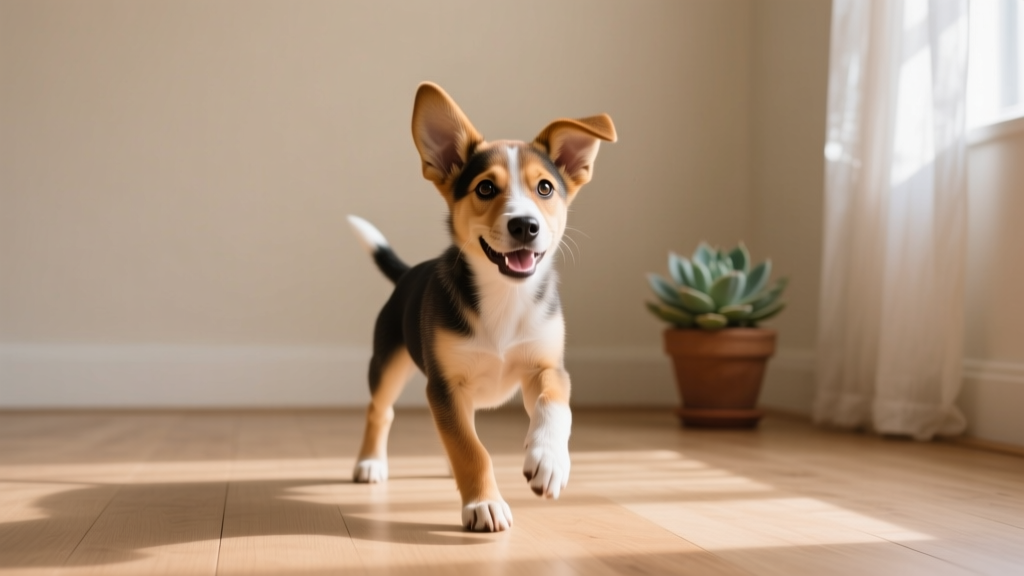
Eurasier Puppies: The Complete First-Year Care & Training Guide
Everything you need to raise Eurasier puppies — week-by-week milestones, feeding schedules, vaccination timelines, potty training, and first-year costs.

The Eurasier is a quietly devoted spitz-type companion — a deliberate blend of Wolfspitz (Keeshond), Chow Chow, and Samoyed developed in Germany in the 1960s by Julius Wipfel. Unlike high-drive working breeds, Eurasiers were bred specifically for family life: calm indoors, alert without excessive barking, and deeply bonded to their people. That temperament makes Eurasier puppies an appealing choice, but their sensitivity and developmental needs require a structured, well-researched approach from day one.
This guide walks you through every critical stage of your Eurasier puppy's first year, from the moment you bring them home through adolescence, with breed-specific expectations and actionable schedules you can start using immediately.
When Should You Bring Your Eurasier Puppy Home?
Responsible Eurasier breeders — particularly those affiliated with the American Kennel Club Foundation Stock Service or the Internationale Föderation für Eurasierzucht (IFEZ) — typically release puppies between 8 and 10 weeks of age. This is non-negotiable for this breed.
Eurasiers are emotionally sensitive dogs with strong attachment patterns. Puppies removed from their litter before 8 weeks show higher rates of separation distress, fear-based reactivity, and difficulty settling in new environments. The weeks between 6 and 8 are when littermates teach bite inhibition and social signaling — skills you cannot replicate as a human handler.
Eurasier Puppy Milestones: Week-by-Week Timeline
| Age Range | Developmental Stage | What to Expect | Your Action Items |
|---|---|---|---|
| Weeks 4–8 (at breeder) |
Socialization period begins; weaning; first dewclaw removal if applicable | Puppies learn dog-to-dog communication, begin solid food, receive first deworming (pyrantel pamoate at 2, 4, 6 weeks) | Visit breeder at least twice; handle puppy daily if possible; request early neurological stimulation (ENS) records |
| Weeks 8–12 | Primary socialization window; fear imprint period begins (~8–11 weeks) | Puppy bonds intensely to family; may startle at loud noises; sleeps 18–20 hours/day; first DHPP vaccine due | Begin crate training; start socialization checklist; schedule first vet visit within 48 hours of pickup |
| Weeks 12–16 | Socialization window narrows; second fear period may emerge (~12 weeks) | Testing boundaries; increased independence; may regress on potty training; DHPP booster due | Enroll in positive-reinforcement puppy class (after second DHPP); introduce grooming handling exercises |
| Weeks 16–24 | Juvenile period; teething begins; final puppy vaccines | Deciduous teeth shed (3–6 months); chewing escalates dramatically; may show early spitz-type wariness of strangers | Provide appropriate chew outlets; continue socialization; spay/neuter discussion with vet (typically 6 months for Eurasiers) |
| 6–12 Months | Adolescence; sexual maturity; secondary fear period (~6–14 months) | May "forget" training; increased reactivity to novel stimuli; adult coat begins replacing puppy coat (~7–9 months) | Maintain training consistency; avoid overwhelming new experiences; transition to adult food at 10–12 months |
Feeding Schedule and Portions for Eurasier Puppies
Eurasiers mature to a medium-sized dog — males typically 50–70 lb (23–32 kg) and females 40–57 lb (18–26 kg), standing 19–24 inches at the shoulder. Because they are prone to steady weight gain rather than dramatic growth spurts, overfeeding is a bigger risk than underfeeding. Aim for a lean body condition score of 4–5 out of 9 throughout puppyhood.
Feed a large-breed puppy formula (AAFCO-approved for growth, with calcium at 1.0–1.5% on a dry matter basis) to protect developing joints. Eurasiers carry a genetic predisposition to hip dysplasia and patellar luxation, making controlled growth critical.
| Age | Meals per Day | Approximate Daily Amount (Large-Breed Puppy Kibble) | Notes |
|---|---|---|---|
| 8–12 weeks | 3–4 meals | 1½–2 cups/day (split across meals) | Soak kibble in warm water for first week home if transitioning |
| 12–16 weeks | 3 meals | 2–2½ cups/day | Monitor BCS weekly; adjust ±¼ cup based on rib palpation |
| 4–6 months | 2–3 meals | 2½–3 cups/day | Reduce to 2 meals at 6 months |
| 6–12 months | 2 meals | 2¾–3½ cups/day | Transition to adult formula at 10–12 months over 7–10 days |
Vaccination Schedule for Eurasier Puppies
Your Eurasier puppy will arrive from a reputable breeder having received at least one DHPP (distemper, hepatitis, parainfluenza, parvovirus) vaccination at approximately 6–8 weeks. The following schedule aligns with AVMA and AAHA canine vaccination guidelines. Always confirm timing with your veterinarian, as local disease prevalence may shift recommendations.
| Age | Vaccine | Type | Estimated Cost (US) |
|---|---|---|---|
| 6–8 weeks | DHPP (1st dose) | Core — typically given by breeder | Included in purchase / $25–$40 |
| 10–12 weeks | DHPP (2nd dose) + Bordetella (optional) | Core + non-core (recommended if attending puppy class) | $40–$65 |
| 14–16 weeks | DHPP (3rd/final puppy dose) + Rabies | Core (legally required in most US states) | $50–$80 |
| 12 months | DHPP booster + Rabies (1-year or 3-year per local law) | Core | $45–$75 |
Leptospirosis and Lyme are non-core vaccines your vet may recommend based on your region. Eurasiers who will hike or live in tick-endemic areas (Northeast, Upper Midwest, Pacific Coast) should discuss Lyme vaccination at the 12-week visit. Always consult your veterinarian to tailor the vaccination protocol to your puppy's specific risk profile.
Socialization Window: The Critical Weeks 3–14 Checklist
The primary socialization window for puppies closes between 12 and 14 weeks of age. For Eurasiers — a breed with natural spitz-type reserve toward strangers — this window is especially consequential. Puppies who do not receive diverse, positive exposures during this period are significantly more likely to develop fear-based wariness or reactivity as adults.
Before your puppy is fully vaccinated, carry them in a sling or backpack for outdoor exposures. Avoid dog parks, pet store floors, and unknown dogs until 7 days after the final DHPP at 14–16 weeks.
- ☐ Meet 20+ people of varying ages, heights, skin tones, and clothing styles (hats, sunglasses, hoodies, uniforms)
- ☐ Experience 5+ floor surfaces: tile, hardwood, gravel, grass, metal grates
- ☐ Hear household sounds at moderate volume: vacuum, blender, doorbell, thunderstorm recordings
- ☐ Ride in a car for 10+ minutes (non-vet destination) at least 3 times
- ☐ Be gently handled: ears examined, paws touched, mouth opened, tail lifted, nails clipped
- ☐ Observe (from distance) 3+ calm, vaccinated adult dogs
- ☐ Encounter children ages 3–12 in controlled, supervised settings (no chasing or grabbing)
- ☐ Visit a veterinary clinic for a "happy visit" (treats on the scale, no procedures)
- ☐ Experience being alone in crate for 15–30 minutes while you are in another room
- ☐ Walk past a bicyclist, skateboarder, and person using a wheelchair or walker at comfortable distance
Keep every exposure positive and voluntary. If your Eurasier puppy shows hesitation, increase distance and offer high-value treats (boiled chicken, cheese). Never force interaction — forced socialization creates fear, not confidence.
Potty Training Timeline and Troubleshooting
Eurasiers are generally clean dogs with good bladder awareness, but expecting full house training before 4–5 months is unrealistic for any medium-sized breed. Bladder capacity develops roughly as: age in months + 1 = hours they can hold it (maximum, during the day).
| Age | Maximum Daytime Hold | Outings per Day | Accident Frequency |
|---|---|---|---|
| 8–10 weeks | 1–2 hours | 8–12 (including overnight) | Several per week is normal |
| 10–14 weeks | 2–3 hours | 6–8 | 1–3 per week |
| 3–4 months | 3–4 hours | 5–6 | Occasional (regression common) |
| 4–6 months | 4–6 hours | 4–5 | Rare if consistent routine maintained |
| 6+ months | 6–8 hours | 3–4 | Mostly reliable; occasional marking in intact males |
When will my Eurasier puppy be fully potty trained? Most Eurasiers achieve reliable house training between 4 and 6 months with a strict routine. Some individuals — particularly males approaching sexual maturity — may have marking regressions between 6 and 10 months. Neutering at your vet's recommended age often reduces this behavior.
Crate Training Progression and Safe Time Limits
Crate training provides Eurasier puppies with a den-like retreat — and given their strong family attachment, it also prevents separation-related destruction when you cannot supervise. Use a wire crate sized for the adult Eurasier (36-inch length for most males, 30-inch for smaller females) with a divider panel to adjust space as they grow.
| Age | Maximum Crate Time (Day) | Overnight | Training Focus |
|---|---|---|---|
| 8–10 weeks | 30–60 minutes | 3–4 hours (set alarm for potty break) | Feed meals in crate; toss treats inside; never use crate as punishment |
| 10–14 weeks | 1–2 hours | 4–5 hours | Practice short absences from room; give a frozen Kong on entry |
| 3–5 months | 2–3 hours | 6–7 hours | Begin leaving house for 15–30 minutes; keep departures low-key |
| 5–8 months | 3–4 hours | 7–8 hours | Transition to open-crate free time as reliability builds |
Teething Timeline and Safe Chew Strategies
Eurasier puppies begin losing their 28 deciduous teeth around 12–16 weeks, with the full set of 42 adult teeth typically erupted by 6–7 months. The peak chewing intensity occurs between 3 and 5 months as adult incisors and canines push through the gums.
Safe chew options for teething Eurasier puppies:
- Frozen washcloth: Wet, twist, and freeze a clean washcloth. Supervise use and remove once pieces tear loose.
- Benebone Wishbone (puppy size): Nylon chew with grooves for gum relief. Choose the puppy-specific formula (softer nylon).
- KONG Classic (puppy rubber, blue/pink): Fill with a mixture of plain yogurt and mashed banana; freeze for 2 hours.
- Carrot sticks (large, whole): Cold, crunchy, low-calorie. Remove once small enough to be a choking hazard.
Common Eurasier Puppy Problems and Solutions
Every breed has characteristic puppy challenges. Eurasier puppies tend to present with these specific issues:
Puppy Biting and Nipping
Eurasier puppies explore the world with their mouths, and their spitz heritage means a somewhat firmer bite style than retriever-type breeds. When puppy teeth contact skin:
- Say "ouch" in a calm, neutral tone (not a high-pitched yelp, which can escalate arousal).
- Immediately redirect to an appropriate chew toy.
- If biting continues, stand up and leave the interaction area for 15–30 seconds (negative punishment — removing attention).
- Return and resume play only when puppy is calm.
Bite inhibition typically improves markedly by 16 weeks with consistent practice. If nipping intensifies after 5 months, consult a certified professional dog trainer (CPDT-KA or IAABC-credentialed).
Whining and Vocalization in the Crate
Eurasiers are not typically excessive barkers, but puppy crate whining is common in the first 2–3 weeks home. To distinguish protest whining from a potty need:
- If puppy was out within the last hour and has had adequate exercise, wait 5–10 minutes before responding. Reward silence with calm attention, not release.
- If it has been 2+ hours, take puppy out to potty on leash with minimal stimulation, then return to crate.
- Never release a whining puppy from the crate while they are actively vocalizing — this reinforces the behavior.
Chewing Household Items
Management is more effective than correction at this age. Use baby gates and exercise pens to limit your Eurasier puppy to puppy-proofed areas. Provide 5–7 rotating chew toys (rotate every 2–3 days to maintain novelty). Supervise all free-roaming time until at least 8–10 months.
Spitz-Type Stranger Wariness
Beginning as early as 4–5 months, some Eurasiers start showing reserve or barking at unfamiliar people. This is breed-typical, not a defect — but it must be managed through continued positive exposure. Pair every stranger encounter with high-value treats. Ask visitors to ignore the puppy until the puppy approaches voluntarily. Never allow strangers to loom over or grab your puppy.
First-Year Cost Breakdown for a Eurasier Puppy
Budgeting accurately prevents unpleasant surprises. These figures reflect 2025–2026 US averages. Costs vary by region, with urban coastal areas running 20–40% higher.
| Category | Items | Estimated Cost (Low–High) |
|---|---|---|
| Purchase Price | IFEZ/FCI-registered breeder puppy | $2,000–$4,500 |
| Veterinary (Year 1) | Puppy vaccine series, rabies, fecal exams, heartworm test, spay/neuter, microchip | $600–$1,400 |
| Food | Large-breed puppy formula (12 months) | $400–$700 |
| Preventive Medications | Heartworm (monthly), flea/tick (monthly) | $200–$500 |
| Supplies | Crate, bed, leash, harness, bowls, gates, toys, grooming tools | $300–$600 |
| Training | Puppy class (6–8 weeks) + optional manners course | $150–$400 |
| Grooming | Professional grooming (Eurasiers need bath/brush every 6–8 weeks; heavy shed season 2x/year) | $200–$450 |
| TOTAL (Year 1) | $3,850–$8,550 |
Pet insurance for a Eurasier puppy typically costs $35–$60/month depending on coverage level and deductible. Given the breed's predisposition to hip dysplasia (estimated 10–15% prevalence based on OFA data for related spitz breeds), enrolling before any orthopedic symptoms appear is strongly recommended.
Frequently Asked Questions About Eurasier Puppies
How often should I feed my Eurasier puppy at each age?
Feed 3–4 meals per day from 8–12 weeks, 3 meals from 12–16 weeks, and transition to 2 meals by 6 months. Eurasiers do best with consistent meal timing rather than free-feeding, which makes weight management and potty scheduling far easier.
When can my Eurasier puppy go outside and meet other dogs?
Your puppy can explore your own yard (if no unknown dogs have access) immediately. For public outdoor spaces, wait until 7 days after the final DHPP vaccine at 14–16 weeks. Puppy socialization classes that require proof of at least 2 DHPP doses and maintain sanitized facilities are generally safe starting at 10–12 weeks, per AVMA guidance on balancing disease risk with the socialization window.
How do I stop my Eurasier puppy from biting and nipping?
Use the redirect-and-withdraw method: calmly say "ouch," offer a chew toy, and if biting continues, leave the area for 15–30 seconds. Consistency from every family member is essential. Most Eurasiers develop reliable bite inhibition by 16 weeks with daily practice. Avoid any punishment-based methods — Eurasiers are sensitive dogs who shut down under harsh correction, leading to suppressed warning signals and unpredictable behavior.
Are Eurasier puppies good with children?
Well-socialized Eurasiers are generally gentle and patient with children in their own family. However, their sensitivity means they do not tolerate rough handling, ear-pulling, or tail-grabbing. All interactions between children under 10 and the puppy must be actively supervised. Teach children to let the puppy approach them rather than pursuing the puppy.
How much exercise does a Eurasier puppy need?
Follow the "5 minutes per month of age, twice daily" guideline: an 8-week-old puppy needs about 10 minutes of structured exercise per session, a 4-month-old needs about 20 minutes. Free play in a safe yard does not count toward this limit. Avoid forced running, jumping from heights, or repetitive fetch on hard surfaces until growth plates close (typically 12–14 months), as these activities stress developing joints.
When should I start grooming my Eurasier puppy?
Begin handling exercises (touching ears, paws, and mouth) in the first week home. Introduce a soft slicker brush and metal comb by 10 weeks for short, positive sessions (2–3 minutes). Eurasiers have a dense double coat that requires weekly brushing for life — establishing comfort with grooming tools early prevents painful matting and stressful professional grooming sessions later. Schedule the first professional groom around 4–5 months, after the full vaccine series.
Priya Sutaria
All our authors care for dogs every day — read more of their work on the authors page.