English Lab Puppies: Complete Week-by-Week Puppy Care Guide
Your complete guide to raising English Lab puppies: week-by-week milestones, feeding schedules, vaccination timelines, potty training, and first-year costs.

English Lab puppies — sometimes called "show-line" or "bench-type" Labrador Retrievers — are stockier, calmer, and broader-headed than their American (field-line) counterparts. Bred to the AKC Labrador Retriever breed standard, these dogs mature into thick-set companions weighing 55–80 lb (25–36 kg) with a distinctive otter tail and blocky skull. But that easygoing adult temperament doesn't materialize on its own. The first 12 months of an English Lab puppy's life demand deliberate socialization, structured feeding, and patient training to prevent the breed's well-known tendencies toward mouthiness, food obsession, and adolescent exuberance.
This guide walks you through every critical stage — from the day you bring your 8-week-old English Lab puppy home through their first birthday — with exact numbers, timelines, and troubleshooting strategies drawn from veterinary and breed-specific sources.
When to Bring Your English Lab Puppy Home
Responsible breeders of English Labs typically release puppies between 8 and 10 weeks of age. While some states legally permit sales at 7 weeks, the AVMA recommends puppies remain with their littermates until at least 8 weeks for critical bite-inhibition learning and social development.
For English Labs specifically, waiting until 9–10 weeks can be advantageous. Show-line breeders often conduct temperament testing (such as the Volhard Puppy Aptitude Test) at 7 weeks, then use the additional week or two to begin early crate exposure and sound desensitization. If your breeder offers this extended socialization period, it's worth considering — especially if you have young children or other pets at home.
English Lab Puppy Milestones: Week by Week
English Labs mature slightly slower than many breeds — both physically and mentally. Don't be surprised if your 18-month-old still acts like a puppy. Here's what to expect at each stage:
Weeks 4–8 (Still with Breeder)
Your puppy is learning bite inhibition from littermates, transitioning from mother's milk to softened kibble, and entering the primary socialization window. A good breeder exposes pups to varied floor surfaces, household sounds, and gentle handling by multiple people. Eyes and ears are fully functional by week 4. First deworming typically occurs at 2, 4, 6, and 8 weeks.
Weeks 8–12 (Home Transition)
This is your bonding and foundation period. Expect 18–20 hours of sleep per day. Your English Lab puppy will test boundaries with mouthing and jumping — both normal breed behaviors. Attention span is roughly 1–2 minutes per month of age, so training sessions should last 2–3 minutes maximum. Weight gain is rapid: expect your puppy to gain approximately 1.5–2 lb per week during this window.
Weeks 12–16 (Foundation Training)
Your puppy's bladder capacity increases, making potty training more reliable. Basic cues (sit, down, name recognition, leash walking) can be introduced with food rewards. English Labs are highly food-motivated, which makes training effective but also means you must manage counter-surfing and food-stealing from day one. The fear impact period (approximately weeks 8–11) may cause temporary skittishness — avoid forcing your puppy into scary situations.
Weeks 16–24 (Adolescent Awkwardness)
Teething peaks. Your English Lab will chew everything — shoes, baseboards, crate bars. Permanent teeth erupt between 3.5 and 6 months. You may notice "teenage" regression in training: previously reliable recall suddenly falls apart. This is normal and temporary. Spay/neuter surgery is typically scheduled around 6 months, though some English Lab breeders and veterinarians recommend waiting until 12–18 months to allow growth plates to close, reducing the risk of hip dysplasia and certain cancers. Discuss timing with your veterinarian.
Months 6–12 (Young Adulthood)
Your English Lab is approaching full height (males: 22.5–24.5 inches / 57–62 cm; females: 21.5–23.5 inches / 55–60 cm at the shoulder) but will continue filling out in chest and muscle until 18–24 months. Energy levels remain high — plan for 45–60 minutes of structured exercise daily. Advanced training, canine sports (retrieving trials, nosework, rally obedience), and therapy dog preparation can begin in this window.
Feeding Schedule and Portions for English Lab Puppies
English Labs are notorious overeaters. Free-feeding is a recipe for obesity and accelerated growth, which increases the risk of hip and elbow dysplasia. Feed measured meals on a schedule and aim for a body condition score (BCS) of 4–5 out of 9 — you should feel ribs easily without pressing hard, and see a visible waist from above.
| Age | Meals Per Day | Approximate Daily Amount (Large-Breed Puppy Kibble) | Estimated Puppy Weight |
|---|---|---|---|
| 8–12 weeks | 3–4 | 1.5–2 cups total | 12–22 lb (5–10 kg) |
| 3–4 months | 3 | 2–2.75 cups total | 22–35 lb (10–16 kg) |
| 4–6 months | 2–3 | 2.5–3.5 cups total | 35–50 lb (16–23 kg) |
| 6–9 months | 2 | 3–4 cups total | 50–65 lb (23–29 kg) |
| 9–12 months | 2 | 3–4.5 cups total | 60–75 lb (27–34 kg) |
Key feeding rules for English Labs:
- Use a large-breed puppy formula (calcium content 1.0–1.8% on a dry matter basis) until 12–15 months. This slows growth rate and protects developing joints.
- Look for an AAFCO statement confirming the food meets nutritional levels for growth or all life stages.
- Remove the bowl after 15–20 minutes, even if food remains. This prevents grazing and establishes mealtime routine.
- Never exercise your English Lab puppy vigorously within 60 minutes before or after meals — large, deep-chested breeds carry a risk of gastric dilatation-volvulus (bloat), even in puppyhood.
- Use puzzle feeders or slow-feed bowls. English Labs inhale food. A Kong Wobbler or Outward Hound Fun Feeder can extend mealtime to 10–15 minutes.
Vaccination Schedule for English Lab Puppies
Your English Lab puppy receives maternal antibodies from colostrum that gradually wane between 6 and 16 weeks. The WSAVA Vaccination Guidelines Group recommends core vaccine series at specific intervals to close the immunity gap. Here's the standard protocol:
| Age | Vaccines Administered | Notes |
|---|---|---|
| 6–8 weeks | DHPP (Distemper, Hepatitis, Parainfluenza, Parvovirus) — 1st dose | Typically given by breeder. Bordetella may be added if puppy is going to group classes. |
| 10–12 weeks | DHPP — 2nd dose; Bordetella (optional based on exposure risk) | Puppy still NOT fully protected. Avoid dog parks and high-traffic areas. |
| 14–16 weeks | DHPP — 3rd (final) dose; Rabies (required by law in most states) | Full immunity develops approximately 2 weeks after final DHPP. Rabies is a separate injection. |
| 12–16 months | DHPP booster; Rabies booster (1-year or 3-year depending on local law) | After this, DHPP and Rabies are typically given every 3 years. Bordetella annually if socializing. |
Potty Training Your English Lab Puppy
English Labs are generally quick to house-train compared to toy breeds, but "quick" still means 4–6 months for reliable bladder control with occasional accidents until 8–10 months. Their large size means accidents are substantial, so consistency from day one is critical.
Realistic Potty Training Timeline
- 8–12 weeks: Take puppy out every 1–2 hours, plus immediately after meals, naps, and play. Expect 2–4 accidents per week. This is normal.
- 3–4 months: Bladder control extends to 3–4 hours during the day. Nighttime hold time may reach 5–6 hours. Accidents should decrease to 1–2 per week.
- 4–6 months: Puppy can hold 4–6 hours during the day. You should see a clear pattern — your puppy goes to the door or whines when they need out. Accidents become rare (1–2 per month).
- 6–10 months: Reliable house training for most English Labs. Adolescent hormonal surges (especially in intact males) may cause marking behavior. Neutering typically resolves this.
Common Potty Training Problems with English Labs
Submissive/excitement urination: English Lab puppies are exuberant greeters. If your puppy squats and pees when you come home, this is not a house-training failure — it's an emotional response. Keep greetings calm and low-key. Avoid leaning over or making direct eye contact during greetings. This resolves naturally by 6–8 months for most puppies.
Crate accidents overnight: If your 10-week-old puppy soils the crate at 3 AM, the crate may be too large. Use a divider to make the sleeping area just big enough for your puppy to stand, turn, and lie down. A crate that's too big invites a bathroom corner.
Regression at 4–5 months: Puppies sometimes "forget" training during developmental leaps. Return to hourly outings and heavy treat rewards for outdoor elimination for 1–2 weeks. This is temporary.
The Critical Socialization Window: Weeks 3–14
The Merck Veterinary Manual identifies the primary socialization period for puppies as approximately 3–14 weeks of age. During this window, your English Lab puppy's brain is primed to form positive associations with new experiences. After this period closes, unfamiliar stimuli are more likely to trigger fear responses.
For English Labs — who are naturally friendly but can develop fear-based reactivity if under-socialized — this window is your most valuable training investment. Here's a breed-specific exposure checklist:
English Lab Puppy Socialization Checklist (Weeks 8–14)
People (aim for 10+ different types):
- ☐ Children ages 3–12 (supervised, gentle interaction)
- ☐ People wearing hats, sunglasses, hoodies, and masks
- ☐ People of different heights, builds, and ethnicities
- ☐ People using mobility aids (wheelchair, walker, crutches)
- ☐ Delivery drivers and uniformed workers
Environments:
- ☐ Slippery floors (tile, hardwood, linoleum)
- ☐ Gravel, mulch, and sand surfaces
- ☐ Car rides (short trips ending in fun, not just vet visits)
- ☐ Stairs (up and down, with assistance if needed)
- ☐ Elevators and automatic doors
- ☐ Outdoor seating areas at pet-friendly restaurants
Sounds:
- ☐ Thunderstorm recordings (played at low volume, gradually increased)
- ☐ Vacuum cleaner, blender, hair dryer
- ☐ Fireworks audio clips
- ☐ Doorbells and knocking
- ☐ Traffic noise from a safe distance
Handling (critical for vet visits and grooming):
- ☐ Paw handling and nail inspection (daily, 30 seconds per paw)
- ☐ Ear inspection and gentle cleaning
- ☐ Mouth opening and tooth inspection
- ☐ Being held, restrained gently, and examined on a table
- ☐ Brushing with a slicker brush and rubber curry comb
Other animals:
- ☐ Fully vaccinated, friendly adult dogs (controlled introductions)
- ☐ Calm cats (if applicable to your household)
- ☐ Observing livestock from a distance (preps for future farm visits)
Rule of thumb: Every new experience should end with a high-value treat (small pieces of boiled chicken, cheese, or commercial training treats like Zuke's Mini Naturals). If your puppy shows fear, increase distance from the stimulus and let them observe. Never force a frightened puppy to approach something — this deepens the fear association.
Crate Training Progression and Teething Management
English Labs adapt to crates well when introduced properly. Choose a 42-inch crate (such as the Midwest iCrate or Frisco Double Door) with a divider panel for your growing puppy. The adult crate size allows you to expand space as your dog grows without purchasing multiple crates.
Crate Time Limits by Age
| Puppy Age | Maximum Continuous Crate Time (Daytime) | Overnight Expectation |
|---|---|---|
| 8–10 weeks | 30–60 minutes | 3–4 hours (expect 1–2 nighttime potty breaks) |
| 10–12 weeks | 1–2 hours | 4–5 hours |
| 3–4 months | 2–3 hours | 5–6 hours |
| 4–6 months | 3–4 hours | 6–8 hours |
| 6+ months | 4–5 hours | 7–8 hours |
Never use the crate as punishment. Feed meals inside the crate, provide a stuffed Kong or frozen chew toy, and keep the crate in a common area where your puppy can see and hear the family. If your English Lab puppy whines in the crate, wait for a 3-second pause in vocalization before letting them out — this teaches that quiet, not whining, opens the door.
Teething Timeline and Relief (3–6 Months)
English Lab puppies have 28 deciduous (baby) teeth that begin shedding around 3.5 months. By 6–7 months, all 42 permanent teeth should be in place. During this period:
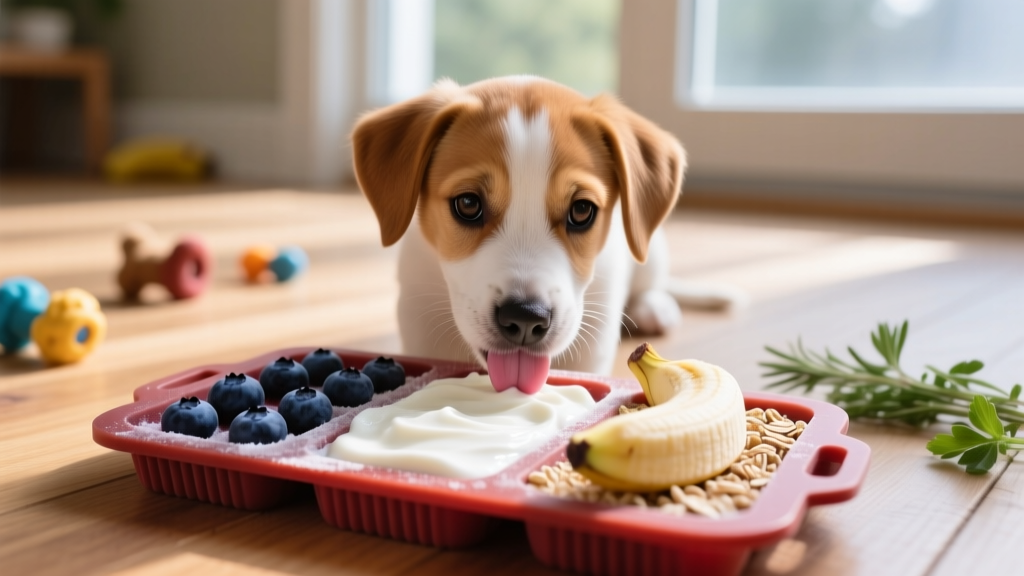
- Provide safe chew options: Frozen Kong toys stuffed with plain yogurt and banana, Nylabone Puppy Chew (flexible, not hard), and frozen wet washcloths (twisted and supervised).
- Avoid dangerous chews: Raw bones (splinter risk), antlers (tooth fracture risk — English Labs have powerful jaws), and cheap rawhide (choking and intestinal blockage risk).
- Puppy-proof your home: English Labs in the teething stage will destroy baseboards, shoes, TV remotes, and furniture legs. Use bitter apple spray (such as Grannick's Bitter Apple) on forbidden items and provide abundant approved alternatives.
- Monitor for retained baby teeth: If a baby tooth hasn't fallen out by the time its permanent counterpart erupts, consult your veterinarian. Retained deciduous teeth are occasionally seen in Labs and require extraction to prevent misalignment.
Common English Lab Puppy Problems and Solutions
Puppy Biting and Mouthing
Labrador Retrievers are a retrieving breed — they were literally bred to carry things in their mouths. Mouthing is not aggression; it's genetics expressing itself. However, an English Lab puppy's needle teeth are painful. Solutions:
- Redirect: When teeth touch skin, immediately offer a chew toy. Reward with praise when they bite the toy instead.
- Time-outs: If biting continues after redirection, calmly stand up and leave the room for 15–20 seconds. Return when puppy is calm. This teaches that biting ends play.
- Satisfy the oral drive: Provide 3–5 minutes of structured retrieving games daily. Roll a soft toy down a hallway and let your puppy chase and carry it. This channels the mouth-orientation into appropriate behavior.
- Never hold the puppy's mouth shut, tap their nose, or use physical punishment. These methods increase fear and can trigger defensive biting. Positive reinforcement and management are the only recommended approaches.
Destructive Chewing
English Labs are mouthy through adolescence and often beyond. Management is your best tool:
- Provide a rotation of 5–7 approved chew toys. Novelty keeps interest high.
- Confine puppy to a puppy-proofed area (exercise pen or gated room) when unsupervised.
- Ensure adequate exercise — an under-exercised English Lab puppy will self-entertain destructively. Aim for 5 minutes of structured exercise per month of age, twice daily (e.g., a 4-month-old gets 20-minute walks).
Jumping on People
English Labs are enthusiastic greeters who express affection by launching themselves at your chest. Teach an incompatible behavior: train "sit to say please" for all greetings. Have visitors turn their backs and cross their arms if the puppy jumps. Attention only comes when all four paws are on the floor.
Whining and Demand Vocalization
If your English Lab puppy whines for attention, food, or access to something, do not reward the whining. Wait for silence (even 2 seconds counts at first), then deliver what they want. Over time, extend the required silence. Pair this with teaching a "quiet" cue by saying "quiet" during a natural pause in barking/whining and immediately treating.
First-Year Cost Breakdown for an English Lab Puppy
Budgeting accurately prevents surprises. These estimates reflect 2026 average costs in the United States and can vary by region:
| Category | Items | Estimated Cost Range |
|---|---|---|
| Puppy Purchase | Responsible breeder (health-tested parents, AKC registered) | $1,500–$3,500 |
| Veterinary Care | 3 puppy vaccine visits, rabies, fecal tests, heartworm prevention, spay/neuter, microchip | $800–$1,500 |
| Food | Large-breed puppy formula (12 months), treats, puzzle feeders | $600–$1,000 |
| Supplies | 42" crate with divider, exercise pen, leash, collar, harness, bowls, grooming tools, bed, toys | $400–$700 |
| Training | Group puppy class (6–8 weeks), optional private sessions | $200–$600 |
| Preventive Medications | Monthly flea/tick (e.g., NexGard, Bravecto), heartworm (e.g., Heartgard Plus) | $250–$450 |
| Insurance (Optional) | Accident & illness policy (e.g., Trupanion, Healthy Paws) | $500–$900/year |
| Emergency Fund | Recommended reserve for unexpected illness or injury | $500–$2,000 |
Total first-year estimate: $4,750–$10,650 (excluding the puppy purchase price if adopted from a rescue, where fees typically range $300–$600 and often include initial vaccinations and spay/neuter).
Pet insurance is strongly recommended for English Labs. The breed is predisposed to hip dysplasia (prevalence approximately 12–15% per OFA data), elbow dysplasia, and exercise-induced collapse (EIC) — conditions that can cost $2,000–$6,000+ to diagnose and treat. Enrolling before any symptoms appear ensures pre-existing condition exclusions don't apply.
When Can Your English Lab Puppy Go Outside and Meet Other Dogs?
This question balances disease risk against the closing socialization window. The current veterinary consensus, supported by the AVMA, is:
- Before 10 weeks: Carry your puppy outside for exposure. Let them observe the world from your arms or a stroller. No contact with unknown dogs or public ground where unvaccinated dogs may have been.
- 10–14 weeks (after 2nd DHPP): Controlled playdates with known, fully vaccinated dogs in private yards are acceptable. Puppy kindergarten classes that require proof of vaccination for all attendees are also appropriate — studies show puppies in structured classes have no increased parvovirus risk.
- After 16 weeks + 2 weeks (full immunity): Dog parks, public trails, pet stores, and group hikes become safe. However, dog parks carry behavioral risks (rough play, bullying) — many trainers recommend avoiding them until your English Lab is at least 6 months old and has solid recall and social skills.
Frequently Asked Questions About English Lab Puppies
How often should I feed my 8-week-old English Lab puppy?
Feed 3–4 measured meals per day of a large-breed puppy formula. Divide approximately 1.5–2 cups of kibble evenly across those meals. Soaking kibble in warm water for 5 minutes can make it easier for young puppies to chew and digest. Always provide fresh water alongside meals.
When will my English Lab puppy be fully potty trained?
Most English Labs achieve reliable house training between 4–6 months with consistent scheduling. Some individuals take until 8–10 months, particularly intact males who may begin marking behavior during adolescence. If your puppy is still having frequent accidents past 6 months, consult your veterinarian to rule out urinary tract infections or anatomical issues.
How do I stop my English Lab puppy from biting my hands?
Redirect every mouth-to-skin contact to an appropriate chew toy. If biting persists, implement a brief time-out (leave the room for 15–20 seconds). Ensure your puppy gets adequate physical exercise and mental enrichment — an overtired or under-stimulated English Lab puppy will bite more. Consistent redirection typically reduces mouthing significantly by 5–6 months as permanent teeth come in.
What vaccines does my English Lab puppy need and when?
Core vaccines include DHPP (given at 6–8, 10–12, and 14–16 weeks) and Rabies (at 14–16 weeks, as required by law). Non-core vaccines such as Bordetella (kennel cough), Leptospirosis, and Lyme disease may be recommended by your veterinarian based on your geographic location and lifestyle. Always consult your veterinarian to customize the vaccination protocol for your puppy's specific risk profile.
Should I get pet insurance for my English Lab puppy?
Yes — ideally within the first few weeks of bringing your puppy home, before any health conditions are documented. English Labs are predisposed to orthopedic conditions (hip/elbow dysplasia), ear infections (due to floppy, moisture-trapping ears), and obesity-related diseases. A comprehensive accident-and-illness policy typically costs $40–$75/month for a Lab puppy and can reimburse 70–90% of veterinary bills for covered conditions.
When can I start running or hiking with my English Lab?
Wait until growth plates close, typically around 12–18 months for large breeds. Before that, stick to leash walks, free play in fenced areas, and swimming (excellent low-impact exercise for Labs). Forced running on hard surfaces before skeletal maturity increases the risk of joint damage. Your veterinarian can confirm growth plate closure via X-ray if you're unsure.
Jonas Cole
All our authors care for dogs every day — read more of their work on the authors page.