English Bulldog Puppies: Complete Week-by-Week Puppy Care Guide
Everything you need to raise English Bulldog puppies: week-by-week milestones, feeding schedules, potty training timelines, vaccinations, and first-year costs.

Bringing Home English Bulldog Puppies: What Makes This Breed Different
English Bulldog puppies are not your average puppy experience. Their brachycephalic (flat-faced) anatomy, stocky build, and stubborn-but-sweet temperament create a unique set of challenges from day one. If you've just committed to an English Bulldog puppy — whether through a responsible AKC-registered breeder or a breed-specific rescue — you're looking at a first year that will cost between $4,200 and $8,500 and demand more hands-on attention than most breeds require.
This guide walks you through every critical stage, from the moment you pick up your 8-week-old Bulldog puppy through the end of their first year, with breed-specific data you won't find in generic puppy manuals.
Age-Specific Milestones for English Bulldog Puppies
English Bulldogs mature more slowly than many breeds. Don't expect the same developmental pace you'd see in a Labrador or Border Collie. Here's what to expect at each stage:
| Age Range | Weight Range | Key Milestones | What to Expect |
|---|---|---|---|
| Weeks 4–8 | 4–10 lb / 1.8–4.5 kg | Weaning, litter socialization, first deworming | Puppy is still with breeder. Eyes/ears fully open by week 4. Starts sampling solid food (gruel). Littermates teach bite inhibition basics. This is NOT the time to bring puppy home. |
| Weeks 8–12 | 10–20 lb / 4.5–9 kg | Home transition, first vaccines, bonding period | Prime time to bring puppy home. Expect 18–20 hours of sleep per day. Frequent naps between short play sessions. Crying at night is normal. Begin handling exercises — touch ears, paws, mouth daily to prepare for grooming and vet exams. |
| Weeks 12–16 | 20–30 lb / 9–13.6 kg | Fear imprint period, vaccine boosters, training foundations | Puppy may suddenly become fearful of previously familiar things (vacuum, strangers, new surfaces). Keep experiences positive. Begin structured training sessions (5 minutes max). Bulldog puppies can be willful — patience is essential. |
| Weeks 16–24 | 30–40 lb / 13.6–18 kg | Teething peak, adolescence onset, spay/neuter window | Destructive chewing intensifies. Adult teeth erupting. Puppy testing boundaries. Energy bursts followed by long naps. Discuss spay/neuter timing with your vet — many Bulldog specialists recommend waiting until 6–9 months for proper joint development. |
| 6–12 months | 40–50 lb / 18–23 kg (approaching adult) | Sexual maturity, growth plate closure, training consolidation | Bulldog is physically near adult size but mentally still a puppy. Males may begin marking. Females may enter first heat cycle (6–8 months typically). Continue structured training. Avoid high-impact exercise (jumping, long runs) until growth plates close around 12–15 months. |
When Should I Bring My English Bulldog Puppy Home?
The ideal age is 8 to 10 weeks. Reputable English Bulldog breeders will not release puppies before 8 weeks because the breed requires extended litter socialization. Bulldogs born via cesarean section (which accounts for over 80% of English Bulldog births, according to AKC health resources) may need extra monitoring in those early weeks.
Some breeders of brachycephalic breeds prefer to hold puppies until 10–12 weeks to ensure they're eating independently, maintaining weight, and showing no early signs of airway issues. This is a sign of a responsible breeder, not a red flag.
Feeding Schedule for English Bulldog Puppies
English Bulldogs are prone to obesity, which worsens their already-compromised breathing. Overfeeding a Bulldog puppy puts dangerous stress on developing joints and the respiratory system. Use the schedule below as a starting point, then adjust based on your puppy's body condition score (BCS) — you should be able to feel (but not prominently see) ribs.
| Puppy Age | Meals Per Day | Approximate Daily Amount (Dry Kibble) | Notes |
|---|---|---|---|
| 8–12 weeks | 4 meals | 1.5–2 cups/day (split into quarters) | Puppy kibble moistened with warm water if needed. Use a slow-feeder bowl — Bulldogs inhale food and are at high risk for bloat. |
| 12–16 weeks | 3 meals | 2–2.5 cups/day (split into thirds) | Transition to dry kibble. Begin feeding at consistent times to support potty training predictability. |
| 4–6 months | 3 meals | 2.5–3 cups/day | Monitor weight weekly. Adjust up or down by ¼ cup based on BCS. Avoid free-feeding — Bulldogs will overeat. |
| 6–12 months | 2 meals | 2.5–3.5 cups/day (split in half) | Gradually transition to adult formula around 10–12 months. Some Bulldogs do well staying on puppy food until 12 months — consult your vet. |
Estimated monthly food cost: $45–$75 for a quality large-breed puppy formula (brands like Royal Canin Bulldog Puppy, Purina Pro Plan Large Breed Puppy, or Hill's Science Diet Large Breed Puppy).
Vaccination Schedule for Your Bulldog Puppy
English Bulldog puppies follow the standard AVMA-recommended core vaccination protocol, but their brachycephalic anatomy means you should watch closely for adverse reactions after each injection — Bulldogs have slightly higher rates of vaccine reactions than the general dog population.
| Age | Vaccines Administered | Details |
|---|---|---|
| 6–8 weeks | DHPP (Distemper, Hepatitis/Adenovirus, Parainfluenza, Parvovirus) — 1st dose | Typically given by breeder before you take puppy home. Ask for vaccination records. |
| 10–12 weeks | DHPP — 2nd dose; Bordetella (optional based on lifestyle) | First vet visit after bringing puppy home. Discuss Bordetella if puppy will attend group training or be boarded. |
| 14–16 weeks | DHPP — 3rd dose; Rabies (required by law) | This is the final puppy series dose. Rabies vaccine is legally required in all US states. Your vet will determine timing based on local regulations. |
| 12 months | DHPP booster; Rabies booster | After this, DHPP is typically boosted every 3 years. Rabies intervals vary by state (1-year or 3-year protocols). |
When Can My Puppy Go Outside and Meet Other Dogs?
Your English Bulldog puppy can safely explore your own yard (if fully fenced and not used by unknown dogs) immediately. However, avoid public areas, dog parks, and pet stores until 7 days after the final DHPP dose at 14–16 weeks. Parvovirus is survivable in older dogs but lethal to puppies — and Bulldogs' compromised immune response makes them especially vulnerable.
During the pre-vaccine window, you can still socialize safely: carry your puppy in a sling or stroller to observe the world, invite vaccinated adult dogs to your home, and attend puppy classes that require proof of vaccination for all attendees.
Socialization Window: Weeks 3–14
The primary socialization period for all puppies closes around 14 weeks. For English Bulldogs — a breed that can develop stubbornness and reactivity without proper early exposure — this window is non-negotiable. According to the Merck Veterinary Manual, puppies who miss adequate socialization are significantly more likely to develop fear-based behavioral problems.
Here's your breed-specific socialization checklist for English Bulldog puppies:
People Exposure (aim for 20+ unique people by week 14)
- Children of various ages (supervised, calm interactions)
- People wearing hats, sunglasses, hoodies, and masks
- People of different heights, body types, and skin tones
- People using mobility aids (wheelchairs, canes, crutches)
- Your veterinarian and vet techs (schedule a "happy visit" with no procedures)
Surface and Environment Exposure
- Walking on grass, gravel, tile, hardwood, and metal grates
- Elevator rides (carry puppy if not fully vaccinated)
- Car rides (short trips, 5–10 minutes, building to longer)
- Hearing household sounds: vacuum, blender, doorbell, thunderstorm audio (play at low volume, pair with treats)
- Grooming table or elevated surface (Bulldogs need regular wrinkle cleaning — start the habit now)
Handling Exercises (daily, 2–3 minutes each)
- Open mouth and look at teeth/gums (prep for dental care)
- Touch and hold each paw for 5 seconds (prep for nail trims)
- Gently fold back ear flaps and look inside (Bulldogs are prone to ear infections)
- Clean facial wrinkles with a damp cloth (daily habit starting at 8 weeks)
- Lightly restrain puppy in a "hug" hold for 5–10 seconds (prep for vet exams)
Rule of thumb: Every new experience should be paired with high-value treats (small pieces of boiled chicken, freeze-dried liver). If your Bulldog puppy shows fear, increase distance from the trigger and let them observe from safety. Never force exposure.
Potty Training Your English Bulldog Puppy
English Bulldogs are not the easiest breed to potty train. They're food-motivated (which helps) but also stubborn and easily distracted (which doesn't). Set a realistic timeline: most English Bulldog puppies are reliably house-trained between 5 and 7 months of age, though some take up to 9 months. Any guide promising faster results is setting you up for frustration.
Potty Training Schedule by Age
| Puppy Age | Maximum Bladder Hold Time | Outdoor Trip Frequency | Nighttime Expectations |
|---|---|---|---|
| 8–10 weeks | 1–1.5 hours | Every 30–60 min during the day; after every meal, nap, and play session | 1–2 overnight trips required. Set an alarm for 2 AM and 5 AM. |
| 10–14 weeks | 2–3 hours | Every 1–2 hours during the day | 1 overnight trip (around 3–4 AM). Some Bulldogs may sleep 5–6 hours by week 14. |
| 14–20 weeks | 3–4 hours | Every 2–3 hours | Most Bulldogs can hold 6–7 hours overnight. One late-night trip before bed. |
| 5–7 months | 5–6 hours | Every 3–4 hours | Full overnight hold (8 hours) should be achievable. Accidents still happen — don't punish. |
Troubleshooting Common Potty Training Issues
Problem: Puppy won't go outside in rain or cold. English Bulldogs are notoriously weather-averse. Their short coats and low body fat make them genuinely uncomfortable in cold or wet conditions. Solution: Use a covered potty area (patio with umbrella, garage with potty pad) during bad weather, or invest in a puppy raincoat. Consistency matters more than location.
Problem: Puppy has accidents 10 minutes after coming inside. Bulldogs often don't fully empty their bladder on the first trip out. Solution: Wait outside until puppy urinates twice, or bring them back out 10–15 minutes after the first trip. Reward the second void with a jackpot treat (3–4 pieces in succession).
Problem: Puppy sneaks off to poop behind furniture. This is a Bulldog classic — they seek enclosed, "safe" spaces to eliminate. Solution: Restrict access to those areas with baby gates. Increase supervision. Take puppy out immediately after meals (Bulldog puppies typically defecate within 15–30 minutes of eating).
Crate Training Progression for Bulldogs
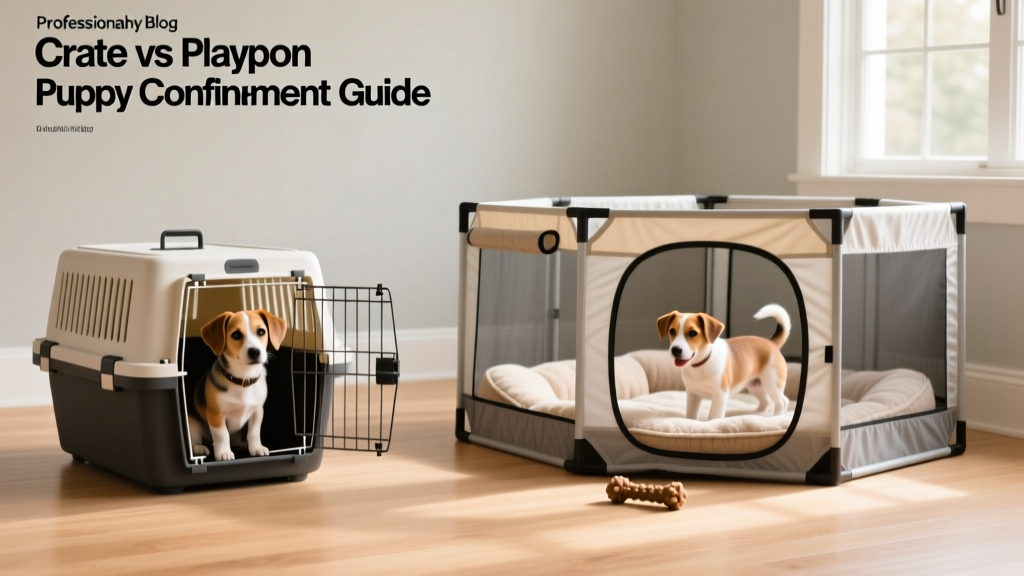
English Bulldogs generally accept crate training well because they're naturally den-seeking dogs who love enclosed sleeping spaces. However, their brachycephalic anatomy means temperature control is critical — never place the crate in direct sunlight or near a heat source, and keep the room below 75°F (24°C).
Crate Time Limits by Age
- 8–10 weeks: 30–60 minutes max during the day (while you're home); crate at night next to your bed
- 10–14 weeks: 1–2 hours during the day; overnight in crate (with one potty break)
- 14–20 weeks: 2–3 hours during the day; overnight 6–7 hours
- 5–7 months: 3–4 hours during the day; overnight 8 hours
- 8–12 months: 4–5 hours during the day maximum (Bulldogs should not be crated all workday — consider a dog walker or doggy daycare for longer absences)
Teething Timeline and Relief Strategies (3–6 Months)
English Bulldog puppies begin losing baby teeth around 12–16 weeks, with the process completing by 6–7 months. Bulldogs have 42 adult teeth that must erupt into a jaw structure that's already compact due to their brachycephalic skull — this makes them prone to retained deciduous teeth (baby teeth that don't fall out on their own). Your vet will check for this at every visit.
Safe Chew Recommendations for Bulldog Puppies
- Kong Classic (Puppy size, pink/blue rubber): Fill with plain yogurt or pumpkin puree and freeze. Provides 20–30 minutes of soothing relief.
- Nylabone Puppy Chew (Bacon flavor, soft flex material): Designed for puppy teeth — softer than adult Nylabones. Replace when worn down to the size of a golf ball.
- Frozen washcloth: Wet a clean washcloth, twist into a rope, and freeze. Supervise use and discard if puppy tears off pieces.
- Benebone Puppy (small size): The curved shape works well for Bulldogs' wide mouths. Choose the puppy-specific version.
Avoid: Rawhide (choking hazard, especially for Bulldogs who tend to gulp), ice cubes (too hard — can fracture puppy teeth), and any chew smaller than your puppy's muzzle width.
Retained Baby Teeth: When to Act
If you notice a baby tooth hasn't fallen out 2–3 weeks after the adult tooth has started to emerge beside it, schedule a vet visit. Retained deciduous teeth are common in Bulldogs and may require surgical extraction to prevent misalignment and dental disease. Budget $150–$400 per extraction if needed.
Common English Bulldog Puppy Problems and Solutions
Puppy Biting and Nipping
Bulldog puppies have powerful jaws and a tenacious bite style inherited from their bull-baiting ancestry. When your puppy nips:
- Say "ouch" in a calm, medium-volume voice
- Immediately stop all interaction for 10–15 seconds (stand up, look away)
- Redirect to an appropriate chew toy when puppy re-engages
- Reward gentle mouthing with treats and continued play
Never hold the puppy's mouth shut, tap their nose, or use any aversive technique. These methods increase fear and can trigger defensive biting. If biting intensifies or breaks skin consistently past 16 weeks, consult a certified force-free trainer (look for CCPDT or IAABC credentials).
Whining and Crying (Especially at Night)
Bulldog puppies are velcro dogs — they want to be touching their person at all times. Nighttime crying is expected for the first 2–4 weeks.
- Place the crate next to your bed for the first 2 weeks
- Use a Snuggle Puppy (heartbeat toy) or a warm water bottle wrapped in a towel
- Take puppy out for a boring, no-play potty trip if crying persists past 20 minutes
- Gradually move the crate farther from your bed over weeks 3–6
If crying escalates to panic (frantic scratching, self-injury, prolonged howling), the puppy may be experiencing separation distress. Consult a veterinary behaviorist.
Destructive Chewing
Bulldog puppies chew with more force than similarly-sized breeds due to their jaw structure. Protect your home and puppy:
- Puppy-proof at Bulldog height (12–16 inches off the floor): remove shoes, cords, books
- Provide 5–7 approved chew options rotated weekly to maintain novelty
- Use bitter apple spray on furniture legs (test a small area first)
- Supervise or confine — never leave a Bulldog puppy loose in an un-proofed room
First-Year Cost Breakdown for English Bulldog Puppies
English Bulldogs are among the more expensive breeds to raise in their first year due to health screening needs, specialized grooming supplies, and their predisposition to certain conditions. Here's a realistic budget based on 2026 US pricing:
| Category | Low Estimate | High Estimate | Details |
|---|---|---|---|
| Puppy purchase (breeder) | $2,500 | $5,000+ | AKC-registered, health-tested parents. Adoption through breed rescue: $300–$600. |
| Veterinary care (routine) | $600 | $1,200 | Includes puppy vaccine series, 4–5 wellness exams, fecal tests, heartworm prevention, spay/neuter. |
| Emergency/unexpected vet | $0 | $3,000+ | Bulldog puppies are prone to cherry eye ($300–$800/surgery), skin infections ($150–$400), and GI issues. Pet insurance strongly recommended. |
| Food and treats | $500 | $800 | 12 months of quality puppy food plus training treats. |
| Supplies and gear | $300 | $600 | Crate, bed, harness (not collar — Bulldogs need a harness to reduce neck/airway pressure), bowls, grooming supplies, wrinkle wipes, puppy-proofing materials. |
| Training | $150 | $500 | Group puppy class ($150–$250 for 6-week session) plus optional private sessions for breed-specific challenges. |
| Pet insurance | $480 | $900 | $40–$75/month. Bulldogs are a high-claim breed — insurance pays for itself quickly. Enroll before any conditions are diagnosed. |
| TOTAL FIRST YEAR | $4,530 | $12,000+ | Excluding puppy purchase. With puppy from a breeder: $7,030–$17,000+. |
Consult your veterinarian before making any health or medication decisions for your English Bulldog puppy. Individual needs vary based on genetics, environment, and specific health conditions.
English Bulldog Puppy FAQ
How often should I feed my English Bulldog puppy at 8 weeks old?
At 8 weeks, feed 4 meals per day, totaling approximately 1.5–2 cups of large-breed puppy kibble. Space meals roughly 4 hours apart during waking hours (for example: 7 AM, 11 AM, 3 PM, 7 PM). Consistent meal timing directly supports potty training predictability because puppies typically need to defecate 15–30 minutes after eating.
When will my English Bulldog puppy be fully potty trained?
Most English Bulldog puppies achieve reliable house training between 5 and 7 months, though some take up to 9 months. "Reliable" means fewer than one accident per month. Males may have setbacks when they begin leg-lifting around 6–8 months — this is hormonal marking, not a regression in house training, and is best managed with neutering discussion and consistent redirection.
What vaccines does my English Bulldog puppy need?
Core vaccines include the DHPP combination (protecting against distemper, hepatitis/adenovirus, parainfluenza, and parvovirus) given at 6–8, 10–12, and 14–16 weeks, plus rabies at 14–16 weeks. Your vet may also recommend Bordetella (kennel cough), leptospirosis, or canine influenza based on your geographic area and lifestyle. Always discuss the full protocol with your veterinarian.
How do I stop my Bulldog puppy from biting so hard?
Use a consistent three-step protocol: say "ouch" calmly, withdraw attention for 10–15 seconds, then redirect to a chew toy. Bulldogs were bred for gripping and holding, so biting is deeply ingrained — expect 4–8 weeks of consistent practice before you see significant improvement. Never use physical punishment, which damages trust and can escalate biting into defensive aggression.
How much exercise does an English Bulldog puppy need?
Keep structured exercise short: 5 minutes per month of age, twice daily (so a 4-month-old gets two 20-minute sessions). Free play in a yard is fine as long as the puppy can self-regulate and rest. Avoid forced exercise (long leash walks, jogging), stairs, and jumping on/off furniture until growth plates close around 12–15 months. Bulldogs overheat easily — never exercise in temperatures above 80°F (27°C) or high humidity.
Are English Bulldog puppies good with children?
Well-socialized English Bulldogs are typically excellent with children — patient, sturdy, and affectionate. However, puppy teeth are sharp and puppy bodies are clumsy. Always supervise interactions between Bulldog puppies and children under 10. Teach children to let the puppy sleep undisturbed and to avoid pulling on ears or facial wrinkles.
Priya Sutaria
All our authors care for dogs every day — read more of their work on the authors page.