Dog Spay Recovery Time: Complete Life Stage Recovery Guide
How long is dog spay recovery time across life stages?
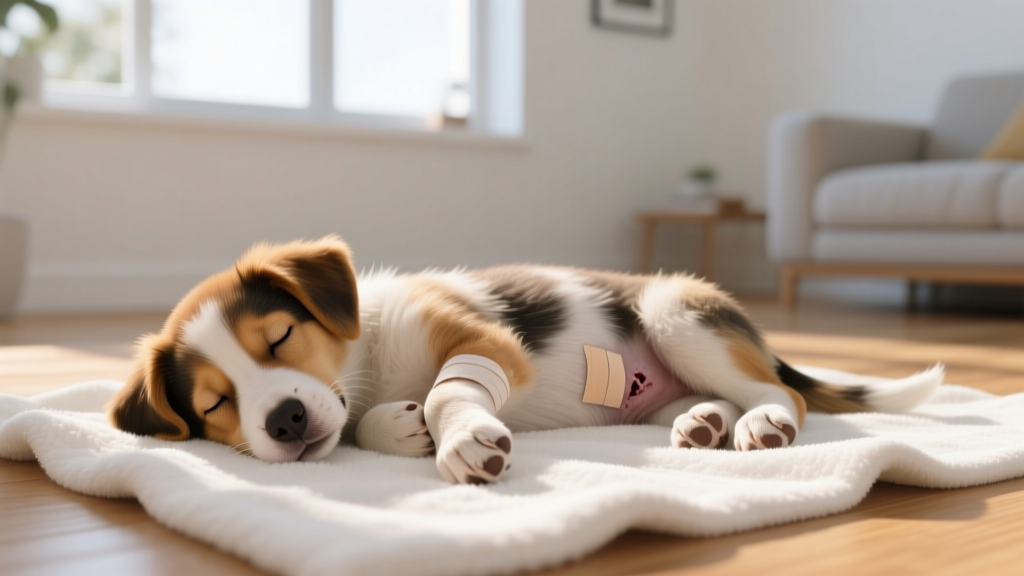
Understanding Dog Spay Recovery Time Across Life Stages
The question every dog owner asks after scheduling the surgery is simple: how long until my dog is back to normal? Dog spay recovery time varies significantly depending on your dog's life stage, size, and overall health. While the standard answer is 10-14 days for most healthy adult dogs, puppies often bounce back faster, and senior dogs may need extended healing periods due to age-related physiological changes.
Spaying (ovariohysterectomy or ovariectomy) is one of the most common surgical procedures performed on dogs, yet recovery isn't one-size-fits-all. A 6-month-old small breed puppy has different healing dynamics than an 8-year-old large breed dog. Understanding these differences helps you set realistic expectations and provide appropriate care throughout the recovery process.
- First 24 hours: Anesthesia recovery, grogginess, limited appetite
- Days 2-3: Energy returning, mild discomfort, incision monitoring begins
- Days 7-10: Significant healing, most dogs feel normal
- Days 10-14: Incision fully closed, activity restrictions typically lifted
- Weeks 3-4: Internal tissues continue strengthening
Life Stage Definitions: When Is My Dog a Puppy, Adult, or Senior?
Before discussing recovery variations, it's important to understand how life stages are defined. These thresholds vary by breed size because smaller dogs mature faster but age slower, while giant breeds have compressed lifespans.
| Life Stage | Small Breeds (<20 lb) | Medium Breeds (20-50 lb) | Large Breeds (50-90 lb) | Giant Breeds (>90 lb) |
|---|---|---|---|---|
| Puppy/Adolescent | Birth to 12 months | Birth to 15 months | Birth to 18 months | Birth to 24 months |
| Adult | 1-7 years | 1.5-7 years | 2-6 years | 2-5 years |
| Senior | 7+ years | 7+ years | 6+ years | 5+ years |
These age ranges matter for spay recovery because tissue elasticity, immune response, and metabolic rate all shift as dogs age. A giant breed dog at 5 years old faces different surgical risks than a Chihuahua of the same age.
Puppy Spay Recovery: Fast Healing but High Energy Challenges
Puppies typically have the shortest dog spay recovery time, often healing within 7-10 days rather than the full 14 days adults need. Their rapidly dividing cells and robust immune systems support faster tissue regeneration. However, puppy recovery comes with unique challenges related to their boundless energy and developing bodies.
Expected Recovery Timeline for Puppies
- Hours 1-12: Groggy but often eating within 4-6 hours post-surgery
- Days 1-2: Surprisingly energetic, requiring strict confinement
- Days 3-5: Incision healing well, puppies often seem fully recovered
- Days 7-10: Most puppies can resume normal activity after vet clearance
Physical Changes During Puppy Recovery
Young dogs may experience temporary weight loss of 2-5% in the first 48 hours due to reduced appetite and surgical stress. Their coats might appear slightly dull during recovery but typically regain luster within 2 weeks. Sleep patterns increase by 2-4 hours daily in the first week as their bodies direct energy toward healing.
Nutritional Adjustments for Recovering Puppies
Puppies need calorie-dense, highly digestible food during recovery. Offer their regular puppy food in smaller, more frequent meals (4-5 times daily instead of 2-3). If appetite is reduced, try warming food to body temperature (101-102°F / 38-39°C) to enhance aroma. Avoid changing diets during recovery unless your veterinarian recommends a specific recovery formula.
Exercise Modifications for Puppies
Leash-only bathroom breaks for 7-10 days. No running, jumping, or rough play. Mental stimulation through puzzle toys and training sessions (sit, down, stay) helps manage energy without physical exertion. After vet clearance at the 10-day checkup, gradually reintroduce play over 3-5 days rather than immediately returning to full activity.
Adult Dog Spay Recovery: The Standard Timeline
Healthy adult dogs represent the baseline for dog spay recovery time expectations. Their mature immune systems handle surgical stress effectively, and they're typically easier to manage during the recovery period than puppies. The standard 10-14 day recovery window applies most reliably to this life stage.
Adult Dog Recovery Timeline
- Hours 1-24: Moderate grogginess, appetite returns within 12-18 hours
- Days 2-4: Alert and interested in surroundings, mild incision discomfort
- Days 5-7: Significant improvement, incision shows clear healing
- Days 8-10: Most discomfort resolved, energy levels normalizing
- Days 10-14: Full external healing, veterinary clearance for activity
Physical Changes During Adult Recovery
Adult dogs may lose 3-7% body weight in the first week, primarily from reduced food intake and fluid shifts. Energy levels drop noticeably for 3-5 days, with dogs sleeping 14-18 hours daily (compared to typical 12-14 hours). Coat quality remains stable unless the dog develops a stress-related shedding episode 2-3 weeks post-surgery, which is normal and temporary.
Nutritional Support for Adult Dogs
Feed regular adult maintenance diet at normal portions. If appetite is reduced for more than 48 hours, offer bland food (boiled chicken and white rice, 1:2 ratio) to encourage eating. Ensure constant access to fresh water. Some veterinarians recommend adding 1-2 tablespoons of canned pumpkin (plain, not pie filling) to meals for fiber support if constipation occurs from pain medications.
Exercise Restrictions for Adults
Adult dogs need strict leash-only walks for bathroom breaks during the first 10 days. Keep walks under 10 minutes and avoid stairs when possible. No off-leash time, even in fenced yards, as sudden movements can stress healing tissues. After the 10-14 day vet check, gradually increase walk duration by 5 minutes daily until returning to normal exercise levels.
Senior Dog Spay Recovery: Extended Healing and Special Considerations
Senior dogs face the longest dog spay recovery time, often requiring 14-21 days or more for complete healing. Age-related changes in circulation, immune function, and tissue regeneration all contribute to slower recovery. However, with appropriate care modifications, senior dogs can safely undergo spaying when medically necessary.
Senior Dog Recovery Timeline
- Hours 1-36: Prolonged grogginess, may take 24+ hours to regain full appetite
- Days 2-5: Slower return to alertness, more pronounced discomfort signs
- Days 5-10: Gradual improvement, incision healing at slower rate
- Days 10-14: External healing progressing, internal healing incomplete
- Days 14-21: Full recovery, veterinary clearance after extended monitoring
Physical Changes in Senior Dogs During Recovery
Older dogs may experience more significant weight loss (5-10%) and take longer to regain normal eating patterns. Existing conditions like arthritis often flare during recovery due to reduced mobility and positioning during surgery. Sleep increases substantially, with seniors sleeping 18-22 hours daily in the first week. Coat may appear noticeably duller, and some dogs develop temporary incontinence from prolonged recumbency.
Nutritional Modifications for Senior Recovery
Senior dogs benefit from easily digestible, high-protein diets during recovery. Consider switching to a senior-specific formula with added joint support (glucosamine, chondroitin, omega-3 fatty acids) if not already feeding one. Smaller, more frequent meals (3-4 daily) reduce digestive stress. Warm food to enhance palatability and ensure adequate hydration, as seniors are more prone to dehydration.
Exercise and Mobility Support for Seniors
Senior dogs need assistance with mobility during recovery. Provide non-slip surfaces (yoga mats, area rugs) on hard floors. Use a sling or towel under the belly to help with stairs and standing. Limit bathroom breaks to 3-4 short outings daily. After veterinary clearance, increase activity very gradually over 7-10 days, watching for signs of joint pain or fatigue.
Health Screening and Warning Signs Across Life Stages
Regardless of age, certain complications can arise during spay recovery. Knowing what to watch for helps you respond quickly and prevent minor issues from becoming serious problems.
Pre-Surgical Health Screening Schedule
| Life Stage | Recommended Tests | Typical Cost Range | Purpose |
|---|---|---|---|
| Puppy (under 1 year) | Basic physical exam, heartworm test (if age-appropriate) | $50-$100 | Confirm overall health, rule out congenital issues |
| Adult (1-6 years) | Physical exam, CBC, chemistry panel | $100-$200 | Assess organ function, anesthesia safety |
| Senior (6+ years) | Complete bloodwork, urinalysis, thyroid panel, chest X-rays if indicated | $200-$400 | Identify age-related conditions, cardiac health |
Common Recovery Complications by Life Stage
Puppies: Incision infection (2-5% of cases), seroma formation (fluid pocket under skin), dehiscence (wound opening) from overactivity. Puppies rarely develop serious complications but are prone to minor issues from poor confinement.
Adults: Infection (1-3%), hemorrhage (rare, <1%), anesthesia reactions (very rare with pre-screening). Adults have the lowest complication rates when healthy.
Seniors: Delayed healing (10-15%), infection (3-7%), urinary tract infection from reduced mobility (5-10%), exacerbation of existing conditions like arthritis or kidney disease. Seniors require closer monitoring and longer follow-up periods.
Emergency Warning Signs: When to Call Your Veterinarian Immediately
- Incision opening or significant bleeding
- Pale gums, weakness, or collapse
- Vomiting or diarrhea lasting more than 24 hours
- Refusal to eat or drink for more than 48 hours
- Fever above 103°F (39.4°C)
- Severe pain not controlled by prescribed medication
- Swelling, redness, or discharge from incision site
- Difficulty breathing or excessive panting
Home Environment Adjustments for Optimal Recovery
Your dog's recovery environment significantly impacts healing speed and comfort. Different life stages require different modifications to support safe, stress-free recovery.
Puppy Recovery Setup
- Confinement area: Large crate or exercise pen with soft bedding
- Flooring: Non-slip surfaces to prevent sliding and incision stress
- Entertainment: Puzzle toys, frozen Kongs, chew toys to manage energy
- Supervision: Constant monitoring when not crated to prevent jumping
Adult Dog Recovery Setup
- Rest area: Quiet room away from household traffic
- Bed: Orthopedic or memory foam bed for comfort
- Accessibility: Ground-floor location to avoid stairs
- Temperature: Maintain 68-72°F (20-22°C) for comfort
Senior Dog Recovery Setup
- Bedding: Thick orthopedic bed with waterproof cover
- Mobility aids: Ramps for furniture, non-slip mats throughout home
- Bathroom access: Easy outdoor access or indoor potty area if mobility limited
- Temperature control: Warmer environment (72-75°F / 22-24°C) as seniors regulate temperature poorly
- Lifting support: Belly sling or towel for assistance with standing and stairs
Quality of Life and Pain Assessment During Recovery
Monitoring your dog's comfort level helps you determine if recovery is progressing normally or if intervention is needed. Pain manifests differently across life stages.
Pain Indicators by Life Stage
Puppies: Whining, restlessness, reluctance to lie down, decreased playfulness, guarding abdomen when touched. Puppies often mask pain with bursts of energy followed by crashes.
Adults: Lethargy, decreased appetite, panting, trembling, avoiding touch near incision, hunched posture, excessive licking at surgical site.
Seniors: Increased vocalization, aggression when approached, refusal to move, incontinence, glassy-eyed stare, rapid breathing, isolation behavior.
Comfort Assessment Scale
- 5 - Excellent: Eating normally, playful/interested in surroundings, moving comfortably, sleeping peacefully
- 4 - Good: Eating well, some lethargy but responsive, mild stiffness but mobile
- 3 - Fair: Reduced appetite, noticeable lethargy, some pain signs but manageable
- 2 - Poor: Minimal eating, significant pain signs, reluctant to move, needs veterinary contact
- 1 - Critical: Not eating, severe pain, collapse, requires immediate emergency care
During normal recovery, dogs should progress from 2-3 on day 1 to 4-5 by day 5-7. If your dog's score decreases or fails to improve after 72 hours, contact your veterinarian.
Veterinary Follow-Up Schedule and Long-Term Care
Post-surgical veterinary visits ensure proper healing and allow early intervention if complications develop. Follow-up frequency varies by life stage and individual recovery progress.
Standard Follow-Up Schedule
- 48-72 hours post-surgery: Phone check-in or brief exam to assess initial healing (all life stages)
- 10-14 days: Suture removal and full examination (adults and puppies)
- 14-21 days: Extended follow-up for seniors or dogs with complications
- 6 weeks: Final check-up for seniors to ensure complete internal healing
Long-Term Health Monitoring After Spaying
Spaying affects your dog's metabolism and health profile long-term. Discuss these changes with your veterinarian at annual wellness visits:
- Weight management: Spayed dogs have 20-30% lower caloric needs; adjust portions accordingly
- Urinary health: Monitor for incontinence, especially in large breeds spayed after 1 year
- Cancer screening: Spaying eliminates uterine/ovarian cancer but may slightly increase other cancer risks; discuss breed-specific concerns
- Joint health: Early spaying (before 1 year) in large breeds may affect growth plate closure; monitor for orthopedic issues
Frequently Asked Questions About Spay Recovery
How long should my dog wear the cone after spaying?
Most dogs need the Elizabethan collar (cone) for the full 10-14 day recovery period, or until your veterinarian confirms the incision is fully closed. Some dogs can transition to inflatable collars or recovery suits after 7 days if they're not bothering the incision, but always get veterinary approval first.
Can my dog sleep in my bed during recovery?
It's best to avoid bed-sharing during recovery, especially in the first week. Getting on and off the bed stresses healing tissues, and you might accidentally roll onto your dog during sleep. Provide a comfortable ground-level bed instead. For small dogs, a bed on the floor works well; for larger dogs, use an orthopedic bed in your bedroom so they feel close without the jumping risk.
When can my dog resume normal exercise after spaying?
Most dogs can gradually return to normal exercise 14 days after surgery, following veterinary clearance. Start with short 10-minute walks and increase duration by 5 minutes daily. Avoid high-impact activities (running, jumping, fetch) for an additional 3-5 days after resuming walks. Senior dogs may need 21-28 days before returning to full activity.
Is it normal for my dog to have a lump near the incision?
A small, firm lump (seroma) can form under the incision as fluid accumulates during healing. These are usually harmless and resolve within 2-3 weeks. However, if the lump is hot, painful, growing rapidly, or accompanied by redness or discharge, contact your veterinarian immediately as this could indicate infection or hematoma.
Should I be concerned if my dog isn't eating 24 hours after surgery?
Reduced appetite for 24-36 hours is normal as anesthesia effects wear off. Offer small amounts of bland food (boiled chicken and rice) and ensure water is available. If your dog refuses all food and water for more than 48 hours, or shows signs of dehydration (tacky gums, decreased skin elasticity), contact your veterinarian.
How do I know if my senior dog is suffering during recovery?
Senior dogs in pain often show subtle signs: increased panting, restlessness, aggression when touched, refusal to move, or changes in facial expression (tense muzzle, narrowed eyes). Use the comfort assessment scale above, and don't hesitate to contact your veterinarian if pain seems uncontrolled. Adjusting medication dosage or type can significantly improve senior comfort.
This article provides general guidance for dog spay recovery across life stages. Always consult your veterinarian for personalized advice specific to your dog's health status, breed, and individual needs. If you suspect a medical emergency during recovery, contact your veterinarian or emergency veterinary clinic immediately.
Beth Carrasco
All our authors care for dogs every day — read more of their work on the authors page.


