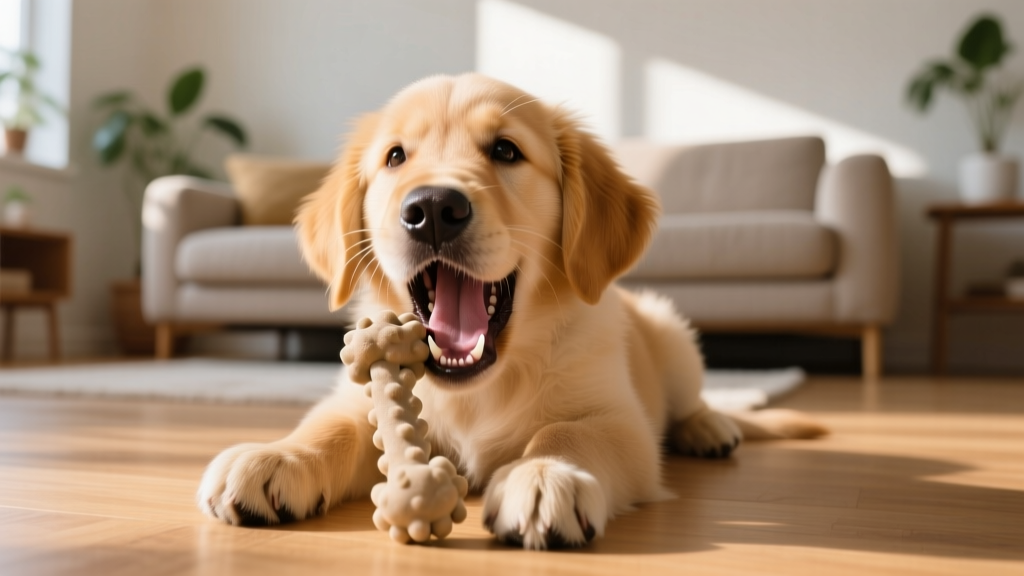
Dalmatian Dog Puppy Guide: Care, Training & First-Year Costs
Complete dalmatian dog puppy guide covering age milestones, feeding schedules, potty training, vaccinations, socialization, and first-year cost breakdown.

Bringing home a dalmatian dog puppy is unlike welcoming most other breeds. These spotted athletes are born pure white, develop their iconic spots over weeks, and grow into high-energy, deeply intelligent dogs that demand more physical and mental stimulation than the average pup. If you've committed to a Dalmatian, you've committed to a lifestyle — and the foundation you build in the first year determines the adult dog you'll live with for the next 12 to 14 years.
This guide walks you through every critical stage of your Dalmatian puppy's first year with breed-specific feeding amounts, vaccination timing, socialization checklists, and realistic cost expectations. All medical guidance should be confirmed with your veterinarian, as individual puppies vary.
Adult weight: 45–70 lb (20–32 kg) | Adult height: 19–24 in (48–61 cm)
Lifespan: 11–13 years | Energy: Very high (60–90+ min/day as adult)
Coat: Short, dense, sheds heavily year-round
Key breed concern: urinary stone formation due to unique uric acid metabolism
When Should I Bring My Dalmatian Puppy Home?
The ideal window to bring a Dalmatian puppy home is between 8 and 10 weeks of age. While some states legally permit sale at 8 weeks, many responsible Dalmatian breeders hold puppies until 10–12 weeks. This extra time allows the breeder to begin BAER (Brainstem Auditory Evoked Response) hearing testing — critical for this breed, since approximately 8% of Dalmatians are born completely deaf and another 22–24% have hearing in only one ear, according to the American Kennel Club.
Before you pick up your puppy, confirm:
- BAER test results (bilaterally hearing is strongly preferred for first-time owners)
- Initial deworming protocol completed (typically at 2, 4, and 6 weeks)
- First DHPP vaccine administered if puppy is 8+ weeks
- Written health guarantee and take-back clause from the breeder
If adopting through a Dalmatian rescue (such as those affiliated with the Dalmatian Club of America), puppies may arrive at varying ages. Ask the rescue for all available veterinary records and behavioral assessments.
Dalmatian Puppy Age Milestones: What to Expect Week by Week
Dalmatian puppies develop rapidly, and knowing what's normal at each stage prevents unnecessary panic and helps you intervene when something is genuinely off.
Weeks 4–8: The Litter Phase (With the Breeder)
During this period, your puppy is still with the breeder. Eyes and ears are fully open, deciduous (baby) teeth are erupting, and critical social learning happens through littermate play. Spots begin appearing around 2–3 weeks and continue developing. The breeder should be introducing varied surfaces (tile, grass, carpet), novel sounds, and gentle human handling. Weaning from the dam typically completes by week 6–7.
Weeks 8–12: The Homecoming & Bonding Window
This is your puppy's most impressionable period in your home. Expect:
- Sleep: 18–20 hours per day is normal — enforced nap times in a crate prevent overtired biting fits
- Biting: Mouthing and nipping peak; Dalmatian puppies are notably mouthy
- Fear periods: A first fear imprint period occurs around 8–11 weeks — avoid traumatic experiences (harsh corrections, aggressive dogs, overwhelming environments)
- House training: Bladder control is approximately 1 hour per month of age, so a 9-week puppy needs out every 2 hours
- Weight: Expect roughly 10–15 lb (4.5–7 kg) by week 12
Weeks 12–16: Confidence Building & First Training
Your Dalmatian puppy gains coordination and confidence rapidly. Key developments:
- Attention span increases to 5–10 minutes for short training sessions
- Second fear period may emerge around 12–14 weeks — stay calm and positive during new experiences
- Begin teaching name recognition, sit, down, and recall using food rewards and positive reinforcement only
- Weight reaches approximately 20–25 lb (9–11 kg) by week 16
- Teething discomfort begins as adult teeth start loosening baby teeth
Weeks 16–24 (4–6 Months): The Teenage Phase Begins
This is where many Dalmatian owners feel they've lost their puppy's brain entirely. Expect:
- Independence surges — recall reliability drops, especially outdoors
- Chewing intensity peaks as adult teeth fully erupt
- Energy levels spike; a bored Dalmatian puppy will destroy furniture, dig, or bark excessively
- Weight reaches 30–45 lb (14–20 kg)
- Sexual maturity approaches — discuss spay/neuter timing with your veterinarian (many vets recommend 6–9 months for Dalmatians)
Months 6–12: Adolescence & Refinement
Your Dalmatian is now physically large but mentally still a puppy. Key expectations:
- Energy remains extremely high — this breed needs structured exercise, not just yard time
- Training consistency either pays off or falls apart; consider enrolling in intermediate obedience or canine sports foundations (agility, rally, nosework)
- Adult coat and final spot pattern are largely set by 12 months
- Weight approaches adult range: males 55–70 lb (25–32 kg), females 45–60 lb (20–27 kg)
- Transition to adult food typically occurs around 12 months — discuss with your vet, as some lines mature slower
Dalmatian Puppy Feeding Schedule: Exact Portions by Age
Dalmatians have a unique metabolic quirk: they excrete higher levels of uric acid in their urine compared to other breeds, predisposing them to urate bladder stones. This makes diet selection especially important from puppyhood onward. Choose a complete-and-balanced puppy food with an AAFCO statement for growth, and discuss purine content with your veterinarian.
Always provide fresh water and encourage frequent drinking — hydration helps dilute urinary uric acid. Many Dalmatian owners add water to kibble to increase intake.
| Age | Meals Per Day | Approx. Daily Amount | Estimated Puppy Weight |
|---|---|---|---|
| 8–12 weeks | 3–4 meals | 1.5–2 cups/day | 10–18 lb (4.5–8 kg) |
| 3–6 months | 3 meals | 2–3 cups/day | 18–40 lb (8–18 kg) |
| 6–12 months | 2 meals | 2.5–4 cups/day | 40–65 lb (18–29 kg) |
Important notes on portions: These are starting guidelines based on a standard large-breed puppy kibble (~350–400 kcal/cup). Adjust based on your puppy's body condition score (BCS) — you should be able to feel ribs easily without pressing, and see a visible waist when viewed from above. A growing Dalmatian should be lean, not chunky; excess weight stresses developing joints and increases hip dysplasia risk.
Potty Training Your Dalmatian Puppy: A Realistic Timeline
Dalmatians are generally clean dogs and pick up house training faster than some breeds — but "faster" still means 4 to 6 months for reliable bladder control, with occasional accidents up to 12 months. Any guide promising full training in days is misleading you.
The Bladder Rule
A puppy can typically hold urine for approximately one hour per month of age, plus one. So:
- 8-week-old puppy: ~3 hours maximum (but take out every 1.5–2 hours for training)
- 3-month-old puppy: ~4 hours maximum
- 6-month-old puppy: ~7 hours (overnight sleep becomes possible)
Potty Training Protocol
- Take puppy out immediately after waking, after every meal, after play sessions, and before crating
- Use a consistent cue word ("go potty," "do your business") while they're eliminating — reward with a high-value treat within 2 seconds of finishing
- Supervise or confine: When you can't watch your puppy, they're in a crate or exercise pen — unsupervised roaming guarantees accidents
- Clean accidents with enzymatic cleaner (Nature's Miracle or similar) — ammonia-based cleaners attract repeat soiling
- Never punish accidents: Rubbing noses in it or yelling creates fear of eliminating in front of you, not fear of eliminating indoors
Track for the first 2 weeks to identify patterns:
Time out | Eliminated? (Y/N) | Urine/Stool/Both | Location | Notes (after meal, after nap, etc.)
Most Dalmatian puppies develop a predictable pattern within 5–7 days of consistent logging.
Common Potty Training Troubleshooting
Submissive urination: Common in young Dalmatians when greeted excitedly. Keep greetings calm, avoid direct eye pressure, and take puppy outside immediately upon your arrival home. Most outgrow this by 6–8 months.
Marking behavior: Intact males may begin lifting a leg and marking as early as 5–6 months. Discuss neuter timing with your veterinarian if this becomes persistent.
Regression: Stress, schedule changes, or urinary tract infections can cause sudden accidents. If a previously reliable puppy starts having frequent accidents, a vet visit is warranted to rule out UTI — Dalmatians' uric acid metabolism makes them more susceptible to urinary issues even as puppies.
Vaccination Schedule for Your Dalmatian Puppy
Your Dalmatian puppy needs a series of core vaccines to build immunity while maternal antibodies wane. The American Veterinary Medical Association recommends the following core vaccine schedule. Your veterinarian may adjust timing based on local disease prevalence and your puppy's individual risk factors.
| Age | Vaccine | Type | Notes |
|---|---|---|---|
| 6–8 weeks | DHPP (1st dose) | Core | Distemper, Hepatitis (Adenovirus), Parainfluenza, Parvovirus. Often given by breeder. |
| 10–12 weeks | DHPP (2nd dose) | Core | Booster to build immunity as maternal antibodies decline. |
| 10–12 weeks | Bordetella | Non-core | Recommended if attending puppy classes, boarding, or grooming facilities. |
| 14–16 weeks | DHPP (3rd dose) | Core | Final puppy booster. Some vets add a 4th dose at 18–20 weeks for high-risk areas. |
| 14–16 weeks | Rabies | Core | Required by law in most US states. Given once, then boostered per local regulations. |
| 12–16 weeks | Leptospirosis | Non-core | Recommended if you hike, live near wildlife, or have standing water access. Two-dose series, 2–4 weeks apart. |
When can my puppy go outside and meet other dogs? Until your Dalmatian puppy has completed the full DHPP series (final dose at 14–16 weeks, with immunity developing ~2 weeks after), avoid dog parks, pet stores, and areas where unknown dogs congregate. However, controlled socialization with known, fully vaccinated adult dogs in private yards is generally safe and critically important during the socialization window. The Merck Veterinary Manual notes that the risk of behavioral problems from inadequate socialization often exceeds the disease risk from controlled exposure.
The Socialization Window: Weeks 3–14
This is the single most important developmental period for your Dalmatian puppy. The primary socialization window closes around 12–14 weeks, and what your puppy doesn't experience positively during this time may trigger fear responses for life. Dalmatians can be aloof with strangers and reserved in new situations — deliberate, positive socialization is essential to prevent shyness or reactivity.
Dalmatian Puppy Socialization Checklist
Aim to expose your puppy to each item below in a positive, non-forced manner — let them approach at their own pace and pair every new experience with treats and praise:
- People: Men, women, children (supervised), elderly individuals, people wearing hats/sunglasses/uniforms, people with mobility aids, people of different ethnicities and heights
- Surfaces: Grass, gravel, tile, metal grates, wet pavement, sand, wooden decks, tarps
- Sounds: Vacuum cleaner, thunderstorms (play recordings at low volume), traffic, doorbells, fireworks (low volume), clapping, umbrellas opening
- Objects: Bicycles, skateboards, strollers, trash cans, plastic bags fluttering, balloons, car rides
- Handling: Paw touching, ear inspection, mouth opening, nail clipping simulation, collar/harness grabbing, being rolled onto back, being lifted
- Animals: Fully vaccinated friendly dogs of various sizes, cats (if applicable), livestock (if rural)
- Environments: Car rides, outdoor café patios (carried if pre-vaccine), friend's houses, parking lots, quiet trails
Teething Timeline and Relief Strategies
Dalmatian puppies begin losing baby teeth around 3 to 4 months, with the full set of 42 adult teeth typically erupted by 6 to 7 months. During this period, your puppy will chew everything — and Dalmatians are powerful chewers even as puppies.
Teething Stages
- 3–4 months: Incisors loosen first. You may find tiny teeth on the floor or notice minor gum bleeding on chew toys — both are normal.
- 4–5 months: Canines and premolars erupt. Chewing intensity peaks. Provide constant access to appropriate outlets.
- 5–7 months: Molars come in, chewing gradually decreases as adult teeth settle.
Safe Teething Relief Options
- Frozen Kong (Classic or Puppy model): Stuff with plain yogurt, mashed banana, or soaked kibble and freeze for 3–4 hours
- Benebone Wishbone or Nylabone Power Chew: Choose the puppy-specific version for softer material; select size based on your puppy's projected adult weight (choose "Large" or "XL" for Dalmatians)
- Wet washcloth: Soak a clean washcloth in water, twist into a rope, freeze — supervise to prevent swallowing fabric pieces
- Yak cheese chews: Long-lasting and digestible, but supervise and remove small end pieces to prevent choking
Avoid: Rawhide (choking and digestive blockage risk), ice cubes (can crack developing teeth), cooked bones (splinter hazard), and any toy small enough to swallow whole. If you suspect your puppy has swallowed a foreign object, contact your vet or call the ASPCA Animal Poison Control Center at (888) 426-4435 (24/7, consultation fee applies) if the item may be toxic.
Crate Training Progression for Dalmatian Puppies
Dalmatians adapt well to crate training when introduced gradually and positively. Because this breed is prone to separation anxiety and destructive behavior when bored, a crate is both a house-training tool and a safety measure.
Crate Time Limits by Age
A general guideline: maximum crated hours = puppy's age in months + 1 (during the day). Overnight, puppies can typically hold slightly longer since metabolism slows during sleep.
- 8–10 weeks: 1–2 hours maximum during the day; expect 1–2 overnight wake-ups for potty breaks
- 3 months: 3–4 hours maximum; many puppies sleep 5–6 hours overnight
- 4–5 months: 4–5 hours maximum; overnight sleep of 7–8 hours becomes realistic
- 6+ months: 5–6 hours maximum during the day; no dog should be crated longer than 6–8 hours total without a break
Crate Training Steps
- Place the crate in a common area with the door open, lined with a soft bed and a safe chew toy
- Feed all meals inside the crate with the door open, then gradually closed, then latched
- Practice short departures: crate puppy, leave the room for 30 seconds, return calmly. Gradually extend to 2 minutes, 5 minutes, 15 minutes
- Never use the crate as punishment — it must remain a positive retreat
- If puppy whines, wait for 10–15 seconds of silence before opening the door (to avoid reinforcing vocalization), unless you suspect a potty emergency
For Dalmatians specifically, choose a crate sized for the adult dog (42-inch length is typical) with a divider panel to adjust space as the puppy grows. Too much space allows the puppy to eliminate in one corner and sleep in another, undermining house training.
Common Dalmatian Puppy Problems and Solutions
Puppy Biting and Nipping
Dalmatian puppies are among the more mouthy breeds. Biting peaks between 8–16 weeks and is normal exploratory behavior, not aggression.
Solution: When teeth touch skin, say "ouch" in a calm tone, stand up, and disengage for 15–30 seconds. Redirect to an appropriate chew toy when you re-engage. Provide ample physical exercise (short, age-appropriate walks and play) and mental stimulation (food puzzles, sniffing games) — a tired puppy bites less. Never hit, hold the mouth shut, or use alpha rolls; these damage trust and can escalate biting into defensive aggression.
Whining and Vocalization
Dalmatians are vocal dogs — they whine, "talk," and sometimes howl. Puppy whining typically stems from one of four causes: need to eliminate, hunger, boredom, or anxiety.
Solution: Address the root cause. If it's a potty need, take them out immediately. If it's crate whining at night, ensure the last potty break was recent and the crate is comfortable. For attention-seeking whining, ignore completely (no eye contact, no talking) until silence, then reward. Consistency is essential — rewarding whining even once teaches the puppy it works.
Destructive Chewing
A bored or under-exercised Dalmatian puppy will chew baseboards, shoes, furniture legs, and drywall. This breed needs a job.
Solution: Provide 3–5 appropriate chew options rotated weekly to maintain novelty. Ensure adequate exercise: 5 minutes of structured walk per month of age, twice daily (so a 4-month-old gets ~20-minute walks). Use food-dispensing puzzles (Kong Wobbler, Outward Hound Nina Ottosson puzzles) for mental fatigue. Puppy-proof your home by removing access to tempting items using baby gates and exercise pens.
Jumping on People
Dalmatians are athletic and enthusiastic greeters. Jumping starts cute at 15 lb and becomes problematic at 60 lb.
Solution: Teach "four on the floor" from day one. When puppy jumps, turn your back and cross your arms. The instant all four paws touch the ground, turn around and reward with attention and a treat. Ask visitors to do the same. Consistency from every person who interacts with the puppy is critical.
First-Year Cost Breakdown for a Dalmatian Puppy
Budget realistically before bringing your puppy home. These estimates reflect 2026 US pricing and vary by region.
| Category | Low Estimate | High Estimate | Details |
|---|---|---|---|
| Puppy purchase (breeder) | $1,500 | $3,500+ | Health-tested, BAER-tested, AKC-registered. Rescue adoption: $200–$500. |
| Veterinary care (first year) | $600 | $1,200 | Vaccines, deworming, BAER test, spay/neuter, wellness exams, heartworm/flea prevention. |
| Food (12 months) | $480 | $900 | Quality large-breed puppy food transitioning to adult. Varies by brand and portion. |
| Supplies & gear | $350 | $700 | Crate (42"), bed, leash, harness, bowls, gates, toys, grooming tools, enzymatic cleaner. |
| Training | $150 | $600 | Puppy kindergarten ($150–$250), intermediate obedience, possible private sessions for behavioral issues. |
| Pet insurance (optional) | $360 | $720 | $30–$60/month. Strongly recommended for Dalmatians given stone and allergy risks. |
| TOTAL (excluding purchase) | $1,940 | $4,120 | Ongoing annual cost after year one: approximately $1,500–$2,800. |
Emergency fund recommendation: Set aside an additional $500–$1,000 for unexpected veterinary needs. Dalmatian puppies can develop allergies, ear infections, or urinary issues that require unplanned vet visits. Pet insurance enrolled at 8–10 weeks (before any conditions are documented) provides the best coverage.
Frequently Asked Questions
How often should I feed my Dalmatian puppy at each age?
Feed 3–4 meals per day from 8–12 weeks, 3 meals per day from 3–6 months, and transition to 2 meals per day from 6 months onward. Split the daily portion evenly across meals. Consistent feeding times also make potty training more predictable, as most puppies need to eliminate within 15–30 minutes of eating.
When will my Dalmatian puppy be fully potty trained?
Most Dalmatian puppies achieve reliable house training between 4 and 6 months of age with consistent scheduling. Occasional accidents may happen up to 12 months, particularly during excitement, schedule disruptions, or illness. If accidents persist beyond 6 months despite consistent training, consult your veterinarian to rule out urinary tract issues — a common concern in this breed.
How do I stop my Dalmatian puppy from biting and nipping?
Use the "ouch and disengage" method: say "ouch" calmly when teeth touch skin, stand up, and withdraw attention for 15–30 seconds. Redirect to an appropriate chew toy upon re-engagement. Ensure your puppy gets adequate exercise and mental stimulation. Biting typically diminishes significantly by 5–6 months as adult teeth come in. Never use physical punishment, which worsens the behavior.
When can my Dalmatian puppy go to the dog park?
Wait until at least 2 weeks after the final DHPP vaccine (typically given at 14–16 weeks), meaning approximately 16–18 weeks of age is the earliest safe window. Even then, choose low-traffic times and supervise closely. Dalmatians can be boisterous and may not read other dogs' signals well as puppies. Many behaviorists recommend structured playdates with known dogs over chaotic dog park environments for young Dalmatians.
Are Dalmatian puppies good with children?
Dalmatians can be excellent family dogs, but their high energy and tendency to jump and mouth make them better suited to families with children aged 6 and older, or families committed to very close supervision. Teach children to respect the puppy's crate and sleep time. Never leave any puppy unsupervised with young children.
Do Dalmatian puppies need special grooming?
Dalmatian coats are short and low-maintenance — a weekly brush with a rubber curry comb or bristle brush manages shedding. However, they shed heavily year-round, and white hairs embed in fabrics. Start handling your puppy's paws, ears, and mouth early so grooming and veterinary exams are stress-free. Bathe only as needed (every 4–8 weeks or when dirty) with a gentle dog shampoo to avoid skin dryness.
Robin Maitland
All our authors care for dogs every day — read more of their work on the authors page.