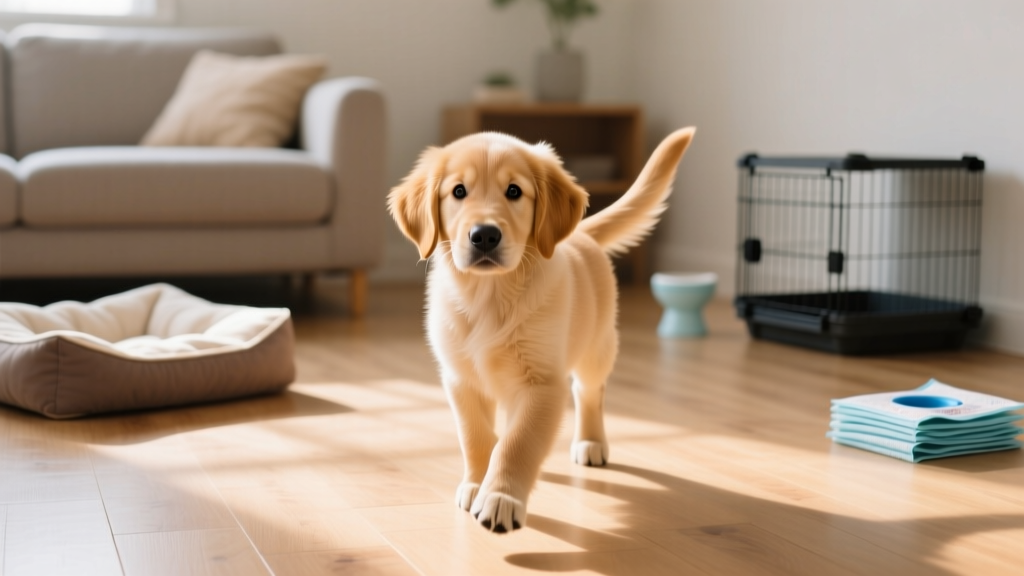
Raising Dachshund Puppies in MN: A Complete First-Year Guide
Everything you need to know about raising dachshund puppies in MN — milestones, feeding, potty training, vaccinations, and first-year costs for 2026.

If you've just brought home a dachshund puppy in Minnesota — or you're preparing to — you're in for one of the most rewarding (and occasionally maddening) experiences in dog ownership. Dachshunds are clever, stubborn, and fiercely loyal, but their unique anatomy and bold temperament mean they need a puppy-raising plan tailored specifically to them. Add Minnesota's brutal winters and short socialization windows, and you've got a set of challenges that generic puppy guides simply don't address.
This guide walks you through every critical stage of your dachshund puppy's first year, with exact feeding amounts, vaccination timelines, potty training expectations, and the real costs you'll face raising dachshund puppies in MN. Whether you picked up your pup from a reputable breeder in the Twin Cities or adopted from a rescue in Duluth, this is your roadmap.
When Should You Bring Your Dachshund Puppy Home?
Responsible breeders in Minnesota will not release a dachshund puppy before 8 weeks of age — and many reputable breeders of miniature and standard dachshunds prefer to wait until 10-12 weeks. This isn't arbitrary. The weeks between 6 and 8 are when littermates learn bite inhibition from each other and their mother. Removing a puppy too early often results in harder biting, poorer social skills, and increased separation anxiety.
For Minnesota breeders specifically, timing also matters for weather. A puppy going home in January will face -20°F wind chills during critical potty training weeks, while a puppy going home in May gets a long runway of outdoor access. If you have flexibility, spring and early fall pickups (April-May, September-October) give you the most favorable conditions for house training and socialization walks.
Dachshund Puppy Milestones: Week by Week
Understanding what's developmentally normal at each stage prevents unnecessary panic and helps you set realistic expectations. Here's what to expect from your dachshund puppy during the first year.
| Age Range | Key Milestones | What to Expect |
|---|---|---|
| 4-8 weeks | Weaning, litter socialization, first deworming | Puppy is still with breeder. Eyes/ears fully open by week 4. Begins eating gruel, then transitions to solid food. Learns bite inhibition from siblings. First deworming typically at 2, 4, 6, and 8 weeks per Merck Veterinary Manual protocols. |
| 8-12 weeks | Home transition, bonding, fear imprint period begins | Peak fear imprint window (8-11 weeks). Negative experiences can create lasting phobias. Potty training begins. Expect 3-5 accidents per day. Puppy sleeps 18-20 hours daily. Crate training starts. First vet visit within 48-72 hours of home arrival. |
| 12-16 weeks | Fear period ends, confidence building, bladder control improves | Puppy becomes bolder and more exploratory. Potty accidents drop to 1-2 per day if schedule is consistent. Can hold bladder for roughly 3-4 hours during the day. Begin structured short walks (5 minutes per month of age). Socialization is critical — this window closes around 14-16 weeks. |
| 16-24 weeks (4-6 months) | Teething begins, independence increases, second fear period possible | Baby teeth start falling out (you may find them in bedding or food). Chewing intensifies. May seem to "forget" training. Second fear period can occur around 6-8 months. Potty training should be mostly reliable (0-1 accidents per week). |
| 6-12 months | Adolescence, sexual maturity, growth plate closure | Dachshunds reach ~75% of adult weight by 6 months. Males may begin marking. Females typically have first heat cycle between 6-10 months. Spay/neuter discussion with vet. Energy remains high but attention span improves. Training consistency now pays off or unravels. |
Feeding Your Dachshund Puppy: Exact Portions by Age
Dachshunds are prone to obesity, and overfeeding during puppyhood sets the stage for lifelong weight problems that put dangerous stress on their elongated spines. Intervertebral disc disease (IVDD) affects approximately 25% of dachshunds during their lifetime, and excess weight is a modifiable risk factor.
Feed a high-quality, AAFCO-certified puppy formula designed for small breeds. Small-breed puppy kibble has smaller piece sizes and higher caloric density per cup to match their fast metabolisms.
| Puppy Age | Meals Per Day | Estimated Daily Amount (Miniature, target 8-11 lb adult) | Estimated Daily Amount (Standard, target 16-32 lb adult) |
|---|---|---|---|
| 8-12 weeks | 4 meals | ⅓ - ½ cup/day | ½ - ¾ cup/day |
| 12-16 weeks | 3 meals | ½ - ⅔ cup/day | ¾ - 1 cup/day |
| 4-6 months | 3 meals | ⅔ - ¾ cup/day | 1 - 1¼ cups/day |
| 6-12 months | 2 meals | ¾ - 1 cup/day | 1¼ - 1¾ cups/day |
Important: These are starting estimates. Adjust based on your puppy's body condition score (BCS). You should be able to feel ribs easily without pressing hard, and see a visible waist when looking from above. Consult your veterinarian at each checkup to assess whether portions need adjusting.
Vaccination Schedule for Dachshund Puppies
Your dachshund puppy's vaccination schedule follows the AVMA-recommended core vaccine protocol. Minnesota law requires rabies vaccination for all dogs, and boarding facilities and puppy classes throughout the Twin Cities metro require proof of vaccination.
| Age | Vaccines Given | Notes |
|---|---|---|
| 6-8 weeks | DHPP (Distemper, Hepatitis/Adenovirus, Parainfluenza, Parvovirus) — 1st dose | Often administered by breeder before pickup. Verify records. |
| 10-12 weeks | DHPP — 2nd dose; Bordetella (optional, recommended if attending puppy classes) | Puppy is NOT fully protected yet. Avoid dog parks and high-traffic dog areas. |
| 14-16 weeks | DHPP — 3rd dose; Rabies (required by MN law) | Full immunity achieved approximately 2 weeks after final DHPP. Rabies tag must be displayed on collar per local ordinance. |
| 12-16 months | DHPP booster; Rabies booster (1-year or 3-year depending on vaccine type) | First annual wellness exam. Discuss leptospirosis vaccine if you hike or live near water. |
When can your puppy go outside and meet other dogs? Until your puppy has received the final DHPP dose at 14-16 weeks and two weeks have passed, avoid areas where unknown dogs congregate (dog parks, pet store floors, rest areas). However, controlled exposure to known, fully-vaccinated dogs in clean home environments is safe and essential for socialization. Carry your puppy in a sling or stroller for neighborhood walks to expose them to sights and sounds without ground contact.
Socialization Window: The Critical 3-14 Week Period
The AKC emphasizes that the primary socialization window closes between 12-14 weeks. For dachshunds — a breed naturally suspicious of strangers and prone to reactivity — this window is non-negotiable. A poorly socialized dachshund becomes a barking, lunging adult who is difficult to manage on walks and stressful at vet visits.
Below is a breed-specific socialization checklist. Aim to expose your puppy to each item before 14 weeks. Keep all exposures positive: pair new experiences with high-value treats (small pieces of boiled chicken, freeze-dried liver). If your puppy shows fear, increase distance and let them observe from afar — never force interaction.
- People: Children (supervised), tall men, people wearing hats/hoods, people in heavy winter coats/boots (critical for MN), delivery workers, people using canes or wheelchairs
- Surfaces: Ice/snow patches, metal grates, wet pavement, gravel, wooden stairs, slippery tile floors (dachshunds are prone to fear of slippery surfaces — this can cause stair refusals later)
- Sounds: Snow blower, furnace kicking on, thunder recordings (start at low volume), doorbell, car horns, fireworks recordings
- Handling: Paw touching (essential for nail trims), ear inspection, mouth opening, being lifted and supported under chest and hindquarters (critical for long-backed breeds), being placed on grooming table
- Environments: Car rides (short trips to fun destinations), vet clinic waiting room (visit just for treats, no shots), pet-friendly store parking lots, outdoor café patios
- Other animals: Fully-vaccinated adult dogs (calm, known dogs only), cats (if applicable), livestock if rural MN
Potty Training a Dachshund Puppy: Realistic Timeline and Strategies
Let's be direct: dachshunds are notoriously difficult to house train. Their small bladders, stubborn temperament, and (in Minnesota) intense dislike of cold weather create a perfect storm of potty training challenges. Expect 4-6 months for reliable house training — not the "3 days" some online guides promise.
When will your puppy be fully potty trained? Most dachshund puppies achieve reliable daytime house training between 5-7 months of age, with nighttime reliability often coming earlier (around 4-5 months). Some dachshunds, particularly miniature males, may have occasional accidents until 8-9 months. This is normal, not a training failure.
Potty Training Schedule by Age
| Age | Maximum Bladder Hold Time (Daytime) | Outdoor Trips Per Day |
|---|---|---|
| 8-10 weeks | 30-60 minutes | 12-15 (including overnight) |
| 10-14 weeks | 1-2 hours | 8-10 |
| 3-4 months | 2-3 hours | 6-8 |
| 4-6 months | 3-4 hours | 5-6 |
| 6+ months | 4-6 hours | 4-5 |
Minnesota Winter Potty Training Troubleshooting
This is where most dachshund owners in MN hit a wall. Your puppy will refuse to go outside when it's -10°F. Solutions that work:
- Insulated puppy jacket: A fleece-lined, water-resistant coat (brands like Hurtta or Ruffwear Powder Hound) is not optional for dachshund puppies in MN winters. Their low-slung bodies contact snow directly and lose heat rapidly.
- Paw protection: Musher's Secret wax or fitted booties prevent ice ball formation between paw pads and protect from salt/sand chemical burns on sidewalks.
- Cleared potty spot: Shovel a consistent 4x4 foot area in your yard. Dachshunds will refuse to wade through deep snow. Keep this spot cleared all winter.
- Indoor backup: For the coldest weeks (typically late January through mid-February), set up an indoor potty station with a real-grass patch (like DoggieLawn or Fresh Patch) or a litter box with dog-safe pellets. This is not a failure — it's a practical accommodation for a 5-pound puppy in a frozen climate.
Crate Training Progression and Time Limits
Crate training is essential for dachshund puppies. It accelerates potty training (dogs avoid soiling their sleep space), prevents destructive chewing when unsupervised, and gives your puppy a safe retreat. For a breed prone to IVDD, a crate also restricts dangerous jumping from furniture when you can't watch them.
Choose a crate sized for your adult dachshund (typically 24-inch for miniatures, 30-inch for standards) with a divider panel to adjust space as they grow. The crate should be just large enough for your puppy to stand, turn around, and lie down — excess space invites potty accidents in the back corner.
| Puppy Age | Maximum Daytime Crate Duration | Overnight Expectation |
|---|---|---|
| 8-10 weeks | 1-2 hours | 2-3 hours before needing a potty break |
| 10-14 weeks | 2-3 hours | 3-4 hours |
| 3-4 months | 3-4 hours | 5-6 hours |
| 4-6 months | 4-5 hours | 6-8 hours (often sleeping through) |
| 6+ months | 5-6 hours max | 7-8 hours |
Key rule: A crate is not a substitute for exercise and engagement. Your dachshund puppy needs at least 30-45 minutes of active play, training, and exploration outside the crate between crated periods. Extended crating leads to frustration barking, which dachshunds are already prone to.
Teething Timeline and Safe Chew Strategies
Dachshund puppies begin losing baby teeth around 12-16 weeks, with the process typically complete by 6-7 months. During this period, your puppy will chew everything — baseboards, shoes, furniture legs, and your fingers. This is not misbehavior; it's a biological drive to relieve gum discomfort.
Teething Relief That Works
- Frozen washcloth: Wet a clean washcloth, twist into a rope, freeze for 2 hours. The cold numbs gums and the texture satisfies the chewing urge. Supervise to prevent swallowing fabric pieces.
- Kong Classic (puppy rubber, pink/blue): Fill with a mixture of plain yogurt and mashed banana, then freeze. The puppy-specific rubber is softer than the adult red Kong and appropriate for developing teeth.
- Benebone Puppy Wishbone: Designed specifically for puppies under 6 months, made with softer nylon. The wishbone shape lets dachshunds grip it with their front paws — important for a breed that likes to hold objects while chewing.
- Carrot sticks (frozen): A low-calorie, safe edible chew. Full-size carrots for standards, baby carrots for miniatures. Always supervise.
Common Dachshund Puppy Problems and Solutions
Dachshund puppies present a specific set of behavioral challenges rooted in their breeding as independent, tenacious hunters. Here are the most common issues and evidence-based solutions using positive reinforcement methods.
Puppy Biting and Nipping
How do you stop puppy biting? Dachshund puppies are mouthy — they were bred to grab and shake prey. Biting peaks between 8-16 weeks. Strategies:
- Redirect to a toy: When teeth touch skin, say "oops" in a neutral tone, immediately offer an appropriate chew toy, and praise enthusiastically when they bite the toy instead.
- Withdraw attention: If redirecting doesn't work, stand up, fold your arms, and turn away for 10-15 seconds. No talking, no eye contact. This mimics how littermates respond — they stop playing when biting is too hard.
- Manage arousal levels: Biting escalates when puppies are overtired. If your dachshund puppy is biting persistently and seems "wired," they likely need a nap. Guide them to their crate with a treat and a frozen Kong.
Never hold a puppy's mouth shut, tap their nose, or use any physical punishment. These methods increase fear-based biting and damage your bond.
Excessive Whining and Barking
Dachshunds are vocal dogs — they were bred to bark from underground burrows to alert hunters. Expect more vocalization than a Labrador or Golden Retriever puppy. Differentiate between:
- Needs-based whining (potty, hunger, pain) — address the need immediately.
- Attention-seeking barking — ignore completely (no eye contact, no verbal response). Reward the moment they are quiet for 3+ seconds.
- Fear/anxiety barking — remove the trigger or increase distance. Pair the trigger with treats at a distance where the puppy can observe without barking.
Resource Guarding (Early Signs)
Dachshunds have a higher-than-average tendency toward resource guarding. Watch for stiffening, growling, or snapping when you approach their food bowl or toys. If you notice these signs, start trading games immediately: approach with a higher-value treat, offer it in exchange for the guarded item, and return the original item after they've eaten the treat. For persistent guarding, consult a certified positive-reinforcement trainer — this is not something to wait out.
First-Year Cost Breakdown for Dachshund Puppies in MN
Budgeting accurately prevents surprises. Below is a realistic cost breakdown for raising a dachshund puppy in the Minneapolis-St. Paul metro area during 2026. Costs in greater Minnesota (Duluth, Rochester, Fargo-Moorhead border areas) may be 10-20% lower for veterinary services.
| Category | Item | Estimated Cost |
|---|---|---|
| Veterinary | Initial wellness exam + fecal test | $85-$150 |
| Veterinary | Vaccination series (3 DHPP + rabies + bordetella) | $200-$350 |
| Veterinary | Spay/neuter (if done in first year) | $300-$600 |
| Veterinary | Heartworm/flea/tick prevention (12 months) | $150-$250 |
| Food | Small-breed puppy food (12 months) | $250-$450 |
| Supplies | Crate, bed, leash/harness, bowls, toys, gates | $200-$400 |
| Supplies | Winter gear (coat, booties, indoor potty station) | $80-$180 |
| Training | Puppy socialization class (6-8 weeks) | $150-$250 |
| Training | Basic obedience class (6-8 weeks) | $150-$300 |
| Insurance | Pet insurance (annual premium, MN average for dachshund) | $400-$700 |
| Total First-Year Estimated Cost | $1,965-$3,630 | |
This estimate does not include the purchase price of the puppy itself ($1,500-$3,500 from a reputable MN breeder, or $200-$500 from a rescue) or emergency veterinary care. Dachshunds are prone to IVDD, and a single emergency spinal episode can cost $3,000-$8,000. Pet insurance is strongly recommended for this breed — enroll before any symptoms appear, as pre-existing conditions are universally excluded.
Frequently Asked Questions About Dachshund Puppies in MN
How often should I feed my dachshund puppy at 10 weeks old?
At 10 weeks, feed 4 meals per day, spaced roughly 4 hours apart during waking hours (for example: 7 AM, 11 AM, 3 PM, 7 PM). Divide the daily portion equally across meals. For a miniature dachshund puppy, this is approximately 2 tablespoons per meal. Always provide fresh water and remove uneaten food after 15-20 minutes to establish a routine.
When can my dachshund puppy go to puppy classes in Minnesota?
Most puppy socialization classes accept puppies starting at 8-10 weeks, provided they've had at least their first DHPP vaccine (given at 6-8 weeks) and a negative fecal test. The AVMA and the American Veterinary Society of Animal Behavior both support early socialization classes, noting that the behavioral risks of under-socialization outweigh the disease risk in controlled environments. Verify that the facility requires proof of age-appropriate vaccination for all attendees.
My dachshund puppy won't go potty outside in the cold — what do I do?
This is the most common potty training challenge for dachshund puppies in MN. Layer your approach: (1) Dress them in an insulated coat and paw balm or booties. (2) Shovel a clear potty spot close to the door. (3) Use a consistent verbal cue like "go potty" and reward immediately with a high-value treat. (4) For extreme cold days (below -10°F wind chill), use an indoor grass patch or puppy pad station as a temporary backup. Transition back to outdoor-only as temperatures moderate in spring.
Should I get pet insurance for my dachshund puppy?
Yes, and do it immediately — ideally within the first 30 days of bringing your puppy home. Dachshunds have one of the highest IVDD rates of any breed (approximately 1 in 4 will develop disc problems). Insurance premiums for dachshund puppies in MN typically range from $35-$60/month with a $250 deductible. Companies like Trupanion, Healthy Paws, and Figo cover hereditary conditions when enrolled before symptoms appear. Waiting until your dog is older or shows signs of back pain means those conditions will be excluded as pre-existing.
How much exercise does a dachshund puppy need?
Follow the "5 minutes per month of age" rule for structured walks: a 3-month-old gets 15-minute walks, a 6-month-old gets 30-minute walks. This protects developing growth plates and the vulnerable spine. Free play in a safe, flat area (no jumping off furniture or down stairs) can supplement walks. Avoid activities that involve repetitive jumping, stair climbing, or standing on hind legs until growth plates close (typically 10-12 months for miniatures, 12-14 months for standards).
Raising a dachshund puppy in Minnesota is a unique experience that blends the universal joys of puppyhood with breed-specific and climate-specific challenges. Stay patient through the potty training, stay diligent with socialization during that narrow window, and stay proactive about spinal health from day one. Your dachshund will reward your effort with years of loyal, entertaining, and deeply affectionate companionship.
Robin Maitland
All our authors care for dogs every day — read more of their work on the authors page.