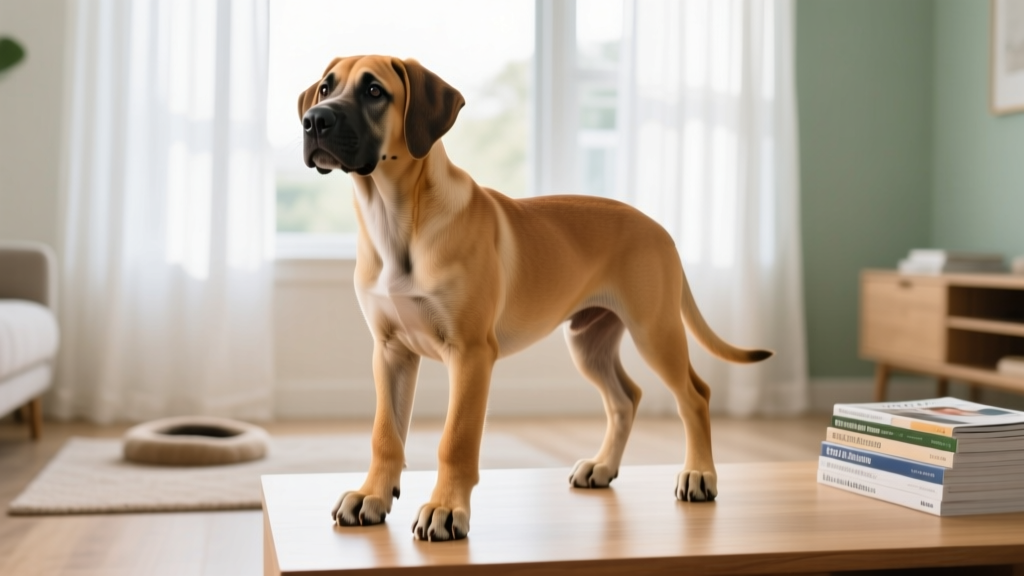
10 Cute Puppy Breeds: First-Year Care, Costs & Milestone Guide
Raising one of the popular cute puppy breeds? This first-year guide covers feeding schedules, vaccination timelines, potty training, and real costs by breed.

Why "Cute" Shouldn't Be Your Only Puppy Criterion
Everyone wants an adorable puppy. Those floppy ears, oversized paws, and sleepy yawns are irresistible. But the most popular cute puppy breeds — Golden Retrievers, Cavalier King Charles Spaniels, French Bulldogs, Corgis, Pomeranians, and their designer cousins like Goldendoodles and Cavapoos — each come with distinct developmental timelines, health risks, and first-year costs that vary by hundreds of dollars.
After years of helping new owners navigate the puppy phase, I've seen the same pattern: people choose a breed based on appearance, then scramble when that breed's specific needs don't match their expectations. A French Bulldog puppy's brachycephalic airway needs are nothing like a Golden Retriever's. A Pomeranian's hypoglycemia risk at 8 weeks requires different feeding vigilance than a Corgi's joint-care protocol.
This guide gives you the exact milestones, feeding portions, vaccination schedules, and cost breakdowns for raising the most searched cute puppy breeds through their critical first year. Whether you're bringing home a Cavalier, a Frenchie, a Golden, or a doodle mix, you'll find actionable specifics — not generic platitudes.
When Should I Bring My Puppy Home? Breed-Specific Timing
The standard answer is 8 weeks. For most cute puppy breeds, that's correct — but there are important exceptions that affect long-term health and behavior.
| Breed / Type | Ideal Home-Age | Why It Differs |
|---|---|---|
| Golden Retriever | 8 weeks | Standard timeline; robust early development |
| Labrador Retriever | 8 weeks | Standard timeline; high socialization need |
| Cavalier King Charles Spaniel | 8–10 weeks | Some breeders hold to 10 weeks for heart screening baseline |
| French Bulldog | 8–12 weeks | Brachycephalic breeds mature slower; responsible breeders often retain to 10–12 weeks for airway monitoring |
| Pomeranian | 10–12 weeks | Tiny breeds prone to hypoglycemia; extra weeks with littermates stabilizes feeding patterns |
| Corgi (Pembroke) | 8–10 weeks | Standard, but early spinal care habits start immediately |
| Goldendoodle / Cavapoo | 8–10 weeks | Varies by generation (F1, F1B); reputable breeders may hold for temperament testing at 7–8 weeks |
The AKC recommends that puppies remain with their mother and littermates until at least 8 weeks. For toy and brachycephalic breeds, extending to 10–12 weeks reduces stress-related illness and improves bite inhibition, since puppies learn critical jaw-pressure feedback from siblings during weeks 6–10.
Age-Specific Milestones: What to Expect Week by Week
Puppy development isn't linear. Growth spurts, fear periods, and cognitive leaps cluster around specific windows. Here's what each phase looks like for popular cute breeds.
Weeks 4–8 (Still With Breeder)
During this period, your puppy is learning bite inhibition from littermates, transitioning from mother's milk to softened kibble, and receiving initial deworming (typically pyrantel pamoate at 2, 4, 6, and 8 weeks). Eyes and ears are fully functional. The startle reflex emerges around week 4, and by week 7, puppies can form lasting associations — meaning negative experiences now can create permanent fears.
What to ask your breeder: Request documentation of deworming dates, first DHPP vaccine (if given at 6–8 weeks), early neurological stimulation (ENS) protocol, and introduction to crate/surface textures.
Weeks 8–12 (The Homecoming Window)
This is peak attachment formation. Your puppy is building its primary bond with you and learning household routines. Brain development supports short training sessions (3–5 minutes maximum). Bladder capacity is roughly 1 hour per month of age — so a 9-week-old puppy needs potty breaks every 2 hours, including overnight.
Breed-specific notes:
- French Bulldogs: Monitor breathing during play; stop activity if you hear excessive snorting or see blue-tinged gums. Keep ambient temperature below 78°F (25°C).
- Pomeranians: Feed 3–4 meals daily to prevent hypoglycemia. Keep a tube of Nutri-Cal gel on hand for emergencies — rub on gums if puppy becomes lethargic or wobbly.
- Golden Retrievers: Begin gentle handling of paws, ears, and mouth daily to prepare for grooming. Goldens are mouthy — redirect all biting to appropriate chew toys immediately.
- Cavaliers: Begin daily ear inspections. Their long, heavy ears trap moisture and debris, predisposing them to otitis externa.
Weeks 12–16 (The Confidence Builder)
Coordination improves dramatically. Puppies can navigate stairs (supervised), play more complex games, and hold bladder for 3–4 hours. This is the ideal window for puppy kindergarten classes (after second DHPP vaccine). Fear periods may occur around week 12 — sudden wariness of previously familiar objects or people is normal and temporary.
Training focus: Name recognition, sit, down, recall foundation, and leash walking. Use high-value treats (freeze-dried liver, small cheese pieces) and keep sessions under 5 minutes.
Weeks 16–24 (The Adolescent Transition)
Teething begins around 12–16 weeks and peaks at 4–5 months. Baby incisors fall out first, followed by canines and premolars. You'll find tiny teeth in bedding or toys — this is normal. Chewing intensity increases sharply. Bladder control extends to 4–6 hours. A second fear period often hits around 6–8 months.
Months 6–12 (Adolescence)
Energy levels surge, especially in sporting breeds (Goldens, Labs). Impulse control is still developing — a 9-month-old Golden Retriever has the body of an adult but the decision-making of a toddler. Spay/neuter typically occurs between 6–12 months depending on breed size; the AVMA recommends discussing timing with your veterinarian based on breed-specific orthopedic and cancer risk data.
Feeding Schedule: Exact Portions by Age and Breed Size
Overfeeding cute puppy breeds is one of the most common mistakes I see. Excess weight in growing puppies stresses developing joints — particularly dangerous for Corgis (IVDD risk), French Bulldogs (spinal and respiratory load), and Golden Retrievers (hip dysplasia).
| Age | Meals/Day | Toy Breed (Pom, <10 lb adult) | Small Breed (Cavalier, Frenchie, 10–25 lb) | Medium Breed (Corgi, 25–40 lb) | Large Breed (Golden, Lab, 55–80 lb) |
|---|---|---|---|---|---|
| 8–12 weeks | 4 | ¼–⅓ cup/meal | ⅓–½ cup/meal | ½–¾ cup/meal | ¾–1 cup/meal |
| 3–4 months | 3 | ⅓–½ cup/meal | ½–¾ cup/meal | ¾–1 cup/meal | 1–1½ cups/meal |
| 4–6 months | 3 | ⅓–½ cup/meal | ½–¾ cup/meal | 1–1¼ cups/meal | 1½–2 cups/meal |
| 6–9 months | 2 | ½–¾ cup/meal | ¾–1 cup/meal | 1¼–1¾ cups/meal | 2–3 cups/meal |
| 9–12 months | 2 | ½–¾ cup/meal (adult food) | ¾–1¼ cups/meal | 1½–2 cups/meal | 2½–3½ cups/meal |
Critical notes on portions:
- These are starting estimates for AAFCO-approved puppy kibble (minimum 22% protein, 8.5% fat for growth). Adjust based on body condition score (BCS) — you should feel ribs easily without pressing, and see a visible waist from above.
- Large breed puppies (Goldens, Labs) MUST eat large-breed puppy formula with controlled calcium (1.0–1.8% on dry matter basis) to prevent developmental orthopedic disease.
- French Bulldogs benefit from kibble designed for brachycephalic jaws — Royal Canin French Bulldog Puppy or similar shaped kibble reduces gulping and gas.
- Transition to adult food at 9–10 months for toy breeds, 10–12 months for small/medium breeds, and 12–18 months for large breeds.
Vaccination Schedule: Protecting Your Cute Puppy at Every Stage
Vaccination timing follows maternal antibody decline. Puppies receive antibodies through colostrum in the first 48 hours of life, and these antibodies gradually wane between 6–16 weeks. Vaccines given while maternal antibodies are still high may be neutralized — which is why boosters repeat every 2–4 weeks until 16 weeks of age.
| Age | Vaccine | What It Protects Against | Estimated Cost |
|---|---|---|---|
| 6–8 weeks | DHPP (1st dose) | Distemper, Hepatitis (Adenovirus-2), Parainfluenza, Parvovirus | $20–$40 |
| 10–12 weeks | DHPP (2nd dose) + Bordetella | Same as above + Kennel Cough (Bordetella bronchiseptica) | $35–$60 |
| 14–16 weeks | DHPP (3rd dose) + Rabies | Core diseases + Rabies (legally required in all US states) | $35–$70 |
| 12–16 weeks | Leptospirosis (2-dose series, 2–4 weeks apart) | Leptospira bacteria (zoonotic — transmissible to humans) | $25–$45 per dose |
| 16+ weeks | Lyme (if in endemic area) | Borrelia burgdorferi (tick-borne) | $25–$40 per dose |
Breed-specific considerations: French Bulldogs and other brachycephalic breeds should avoid intranasal Bordetella vaccine if they have existing airway inflammation — ask your vet about the injectable or oral (Bronchi-Shield) alternative. The Merck Veterinary Manual provides detailed vaccine protocols your veterinarian can reference.
The Socialization Window: Weeks 3–14 Exposure Checklist
The primary socialization period closes between 12–14 weeks. After this window, unfamiliar stimuli are more likely to trigger fear than curiosity. The American Veterinary Society of Animal Behavior (AVSAB) recommends that puppies receive structured socialization before completing their full vaccine series, because the behavioral risk of under-socialization outweighs the disease risk in controlled environments.
Exposure Checklist (Aim for 5–10 New Experiences Per Week)
- Surfaces: Grass, gravel, tile, carpet, wet pavement, metal grates, wooden bridges
- Sounds: Vacuum cleaner, doorbell, thunderstorm audio (play at low volume, gradually increase), traffic, children screaming, fireworks audio
- People: Men with beards, people wearing hats/sunglasses, children under 5, elderly people with walkers, people in wheelchairs, delivery workers in uniform
- Animals: Vaccinated adult dogs (known health status), cats (supervised), livestock if rural
- Handling: Paw touching, ear inspection, mouth opening, nail trimming practice, gentle restraint, towel wrapping
- Environments: Car rides, pet store (carry puppy until fully vaccinated), outdoor café patio, friend's house, elevator, stairs
- Objects: Umbrellas opening, plastic bags rustling, brooms, bicycles, skateboards, balloons
Rule of thumb: Every new experience should end with a treat and praise. If your puppy shows fear (cowering, tail tucking, freezing), increase distance from the stimulus and let them observe from a safe zone. Never force interaction — flooding (forced exposure) creates lasting phobias.
Potty Training Timeline: Realistic Expectations by Breed
Let me be direct: no puppy is "fully potty trained in 3 days." Bladder sphincter maturity and cognitive association take months, not days. Here's what a realistic timeline looks like.
| Age | Expected Bladder Hold Time | Accidents/Week (Typical) | Notes |
|---|---|---|---|
| 8–10 weeks | 1–2 hours | 5–10+ | Take out every 30–60 min during active play; immediately after eating, drinking, waking, playing |
| 10–14 weeks | 2–3 hours | 3–6 | Pattern begins to emerge; puppy may go to door or whine |
| 14–20 weeks | 3–4 hours | 1–3 | Most puppies signal reliably by 16–20 weeks with consistent schedule |
| 5–8 months | 4–6 hours | 0–2 | Regression possible during adolescence; stay consistent |
| 8–12 months | 6–8 hours | 0–1 | Considered "reliably trained" — but adolescent regression can still occur |
Breed-specific potty training notes:
- Pomeranians and toy breeds: Smaller bladders mean more frequent outings. Indoor pee pad training is a valid strategy for apartment dwellers — place pads in a consistent location and transition to outdoor elimination gradually.
- French Bulldogs: Stubbornness is real. Food motivation works best — use high-value treats (real chicken, not generic training treats) exclusively for potty rewards.
- Golden Retrievers: Generally fast learners; most are reliable by 4–5 months with a strict schedule.
- Corgis: Intelligent but willful. They may "ask" to go out by staring at the door rather than barking — watch for subtle signals.
Troubleshooting: If accidents increase suddenly after a period of success, rule out urinary tract infection (common in puppies) with a veterinary urinalysis ($30–$60). Never punish accidents — this teaches puppies to hide when they eliminate, making training harder.
Crate Training Progression and Time Limits
A crate is your puppy's safe den, not a punishment space. Proper crate training prevents separation anxiety, protects your belongings, and aids potty training by leveraging a dog's natural instinct to keep its sleeping area clean.
| Age | Maximum Crate Time (Daytime) | Overnight | Setup Tips |
|---|---|---|---|
| 8–10 weeks | 30–60 minutes | 2–3 hours (set alarm for potty break) | Crate in your bedroom; cover with light blanket; snuggle toy with heartbeat simulator |
| 10–14 weeks | 1–2 hours | 3–4 hours | Begin moving crate to permanent location; feed meals in crate with door open |
| 14–20 weeks | 2–3 hours | 5–6 hours | Practice short departures (5–15 min) while puppy is crated; return before whining starts |
| 5–8 months | 3–4 hours | 7–8 hours | Transition to leaving crate door open when home; puppy should choose crate for naps |
| 8–12 months | 4–5 hours max | 8 hours | Consider graduating to puppy-proofed room with baby gate if puppy is reliably calm |
Whining protocol: If your puppy whines in the crate, wait for 3–5 seconds of silence before opening the door. Opening while they're vocalizing reinforces whining. If whining persists beyond 15–20 minutes, take puppy out for a potty break (on leash, boring and businesslike), then return to crate. If they whine again immediately after a confirmed potty break, the issue is protest, not need — wait for silence.
Teething Timeline and Safe Relief Strategies
Puppy teething follows a predictable pattern, but the chewing intensity during months 3–6 can surprise even prepared owners.
- 3–4 months: Baby incisors loosen and fall out. You may notice small teeth in food bowls or bedding. Gums appear red and swollen.
- 4–5 months: Canine teeth (fangs) erupt. This is peak chewing intensity. Puppies will gnaw furniture legs, shoes, baseboards, and fingers.
- 5–6 months: Premolars and molars come in. Chewing may decrease slightly but remains strong.
- 6–7 months: All 42 adult teeth should be in place. Schedule a veterinary dental check to confirm no retained baby teeth (common in toy breeds — Cavaliers and Pomeranians especially).
Safe chew recommendations by size:
- Toy breeds (Pom, under 10 lb): Frozen washcloth twisted into rope, Nylabone Puppy Chew (XS), Kong Puppy (XS) stuffed with softened kibble and frozen
- Small breeds (Cavalier, Frenchie): Kong Puppy (S/M) with frozen peanut butter, Benebone Puppy (small), frozen carrot sticks (supervised)
- Medium breeds (Corgi): Kong Puppy (M/L), Nylabone DuraChew Puppy, West Paw Zogoflex Hurley
- Large breeds (Golden, Lab): Kong Classic (M/L) frozen with yogurt and blueberries, Goughnuts Ring (green/puppy), bully sticks (supervised, remove at 2 inches)
Common Puppy Problems by Cute Breed (and How to Fix Them)
Puppy Biting and Nipping
All puppies bite — it's how they explore and play. But breed tendencies vary. Golden Retrievers are notoriously mouthy (they were bred to carry game), while French Bulldogs tend to nip during excited play. The solution is consistent redirection, not punishment.
Protocol: When puppy teeth touch skin, say "ouch" in a calm, slightly high-pitched voice (mimics littermate yelp), withdraw attention for 10–15 seconds, then offer an appropriate chew toy. Reward chewing on toy with praise. Never use alpha rolls, muzzle grabbing, or holding the mouth shut — these aversive methods increase fear-based biting.
Whining and Crying (Especially at Night)
First-week home whining is separation distress, not manipulation. Your puppy has never been alone. Strategies that work: place a warm water bottle wrapped in a towel in the crate (simulates littermate warmth), play white noise or a heartbeat sound app, and keep the crate in your bedroom for the first 2–3 weeks before gradually moving it.
Destructive Chewing
Puppies chew to explore, relieve teething pain, and burn energy. Management is key: puppy-proof rooms by removing shoes, cords, and small objects; provide 5–8 appropriate chew toys rotated every few days to maintain novelty; ensure adequate physical exercise (breed-appropriate) and mental stimulation (snuffle mats, food puzzles, training sessions).
Breed-Specific Issues
- French Bulldogs: Reverse sneezing (rapid snorting episodes) is common and usually harmless. Gently cover nostrils to trigger swallowing, which stops the episode. If episodes exceed 3–4 per day or include gagging, consult your vet.
- Cavaliers: Syringomyelia (SM) symptoms can appear as young as 6 months — watch for neck scratching without making contact, yelping when picked up, or sensitivity around the head/neck.
- Corgis: Intervertebral disc disease (IVDD) risk means no jumping on/off furniture. Provide ramps from day one and discourage stair use until 6 months.
- Golden Retrievers: High cancer predisposition means maintaining lean body condition from puppyhood is critical. A BCS of 4–5/9 throughout life reduces cancer and orthopedic risk.
First-Year Cost Breakdown: What Cute Puppy Breeds Actually Cost
Budget shock is real. Here's a realistic first-year cost range for popular cute puppy breeds, based on 2025–2026 US averages.
| Expense Category | Toy Breed (Pom) | Small Breed (Cavalier, Frenchie) | Medium Breed (Corgi) | Large Breed (Golden, Lab) |
|---|---|---|---|---|
| Purchase/Adoption | $1,500–$5,000 | $2,000–$5,500 | $1,800–$4,000 | $1,000–$3,500 |
| Veterinary (vaccines, spay/neuter, checkups) | $600–$1,200 | $700–$1,500 | $600–$1,300 | $700–$1,600 |
| Food (12 months) | $250–$500 | $350–$700 | $400–$800 | $500–$1,100 |
| Supplies (crate, bed, bowls, leash, harness, toys) | $200–$450 | $250–$500 | $300–$600 | $350–$700 |
| Training (puppy class + basic obedience) | $150–$400 | $150–$400 | $150–$400 | $150–$500 |
| Preventive meds (flea/tick, heartworm) | $200–$400 | $250–$500 | $250–$500 | $300–$600 |
| Pet insurance (annual premium) | $350–$700 | $400–$900 | $350–$700 | $400–$800 |
| Grooming (if applicable) | $300–$800 | $200–$600 | $100–$300 | $200–$500 |
| Total First-Year Estimate | $3,550–$9,950 | $4,300–$11,100 | $3,950–$8,600 | $3,600–$9,300 |
Hidden costs most owners forget: Emergency vet visits ($500–$3,000 per incident — puppies eat things they shouldn't), dog walker/pet sitter ($15–$30 per visit), boarding ($40–$80/night), and replacement of destroyed items (shoes, furniture, cords). Budget a $1,000–$2,000 emergency fund for the first year.
French Bulldogs carry the highest veterinary costs among cute breeds due to brachycephalic obstructive airway syndrome (BOAS), allergies, and spinal issues. Pet insurance premiums for Frenchies average 20–30% higher than breed averages. Enrolling at 8 weeks, before any conditions are documented, is strongly recommended.
Frequently Asked Questions
How often should I feed my puppy at 8 weeks?
Four meals per day, spaced roughly 4 hours apart during waking hours (e.g., 7 AM, 11 AM, 3 PM, 7 PM). Toy breeds like Pomeranians may need an additional small meal or access to measured kibble to prevent hypoglycemia. Remove uneaten food after 15–20 minutes to establish meal-time routines.
When will my puppy be fully potty trained?
Most puppies achieve reliable house training between 4–6 months with a consistent schedule. Toy breeds may take 6–8 months due to smaller bladder capacity. "Fully trained" means fewer than one accident per month. If accidents persist beyond 8 months, consult your veterinarian to rule out medical causes (UTI, ectopic ureters, diabetes insipidus).
When can my puppy go outside and meet other dogs?
Your puppy can explore your own yard immediately (assuming no parvo-positive dogs have been there in the past year). Public areas (dog parks, pet stores, sidewalks with heavy dog traffic) should wait until 7 days after the final DHPP vaccine at 14–16 weeks — typically around 17 weeks of age. Controlled playdates with fully vaccinated, known-health-status adult dogs are safe from 8 weeks onward and are critical for socialization.
How do I stop puppy biting and nipping?
Use the redirect method consistently: yelp or say "ouch" when teeth contact skin, withdraw attention for 10–15 seconds, then offer an appropriate chew toy. Ensure your puppy gets adequate physical exercise and mental enrichment — overtired puppies bite more. Enforce mandatory nap times (puppies need 18–20 hours of sleep per day at 8 weeks). Biting typically decreases significantly by 5–6 months as adult teeth come in and impulse control develops.
What vaccines does my puppy need and when?
Core vaccines: DHPP at 6–8 weeks, 10–12 weeks, and 14–16 weeks, plus Rabies at 14–16 weeks. Non-core vaccines based on lifestyle: Bordetella (10–12 weeks, for puppies attending classes or boarding), Leptospirosis (12–16 weeks, 2-dose series), and Lyme (16+ weeks, in tick-endemic areas). Your veterinarian will tailor the protocol to your region and your puppy's risk profile.
When should I start training classes?
Puppy kindergarten can begin 7 days after the first DHPP vaccine (typically around 9–10 weeks), per AVSAB guidelines. Look for classes that require proof of vaccination, use positive reinforcement methods only, and limit class size to 6–8 puppies. Avoid classes that allow aversive tools (shock collars, prong collars, choke chains).
Jonas Cole
All our authors care for dogs every day — read more of their work on the authors page.