Coton de Tulear Puppies: Price, Costs & Complete Puppy Care Guide
Explore Coton de Tulear puppies price ranges, first-year costs, and a detailed week-by-week puppy care guide covering feeding, vaccines, potty training, and more.

The Coton de Tulear is a small, affectionate companion breed known for its signature cotton-like coat and clownish personality. Originating from Madagascar, this rare breed has steadily gained popularity in the United States — and with that demand comes a wide range of pricing that can catch first-time buyers off guard. If you're researching the Coton de Tulear puppies price, you're likely also wondering what it truly costs to raise one from an 8-week-old fluffball into a well-adjusted adult.
This guide breaks down everything you need: realistic purchase prices, a week-by-week puppy development timeline, feeding portions, vaccination schedules, potty training expectations, and the real first-year budget. Whether you're waiting on a breeder's list or bringing your puppy home next week, this is your roadmap.
Coton de Tulear Puppies Price: What You'll Actually Pay
Understanding the Coton de Tulear puppies price requires looking at several factors. This is a relatively rare breed in the U.S. — the American Kennel Club recognized them only in 2014 — and limited supply keeps prices elevated compared to more common small breeds.
| Source | Price Range | What's Included |
|---|---|---|
| AKC-registered reputable breeder (pet quality) | $2,000–$3,500 | Health testing (OFA/patella), first vaccines, microchip, contract, take-back clause |
| Champion/show-line breeder | $4,000–$7,000 | All above plus champion pedigree, breeding rights (sometimes), extensive health guarantees |
| Rescue/adoption | $300–$800 | Spay/neuter, vaccines, basic vetting (rare to find puppies; adults more common) |
| Backyard breeder / online marketplace | $800–$1,800 | Often no health testing, no contract — not recommended |
Price influencers specific to Cotons: Coat color (rare colors like black-and-white or tri-color may command premiums), breeder location (Northeast and West Coast breeders tend to charge more), and whether the puppy comes from lines tested for the breed's known genetic conditions — particularly primary luxating patella and certain cardiac issues. Always verify that breeders perform OFA (Orthopedic Foundation for Animals) health screenings on parent dogs.
When Should I Bring My Coton Puppy Home?
The ideal age to bring a Coton de Tulear puppy home is 8 to 10 weeks. Reputable breeders will not release puppies before 8 weeks — this is the minimum age recommended by the AVMA for separation from the litter.
Cotons are a highly social breed that bonds intensely with their people. Some breeders prefer to keep puppies until 10 weeks to allow additional littermate socialization, which can actually benefit this breed's tendency toward separation anxiety. If your breeder suggests 10 weeks, this is a positive sign — not a delay tactic.
Coton de Tulear Puppy Milestones: Week by Week
Understanding developmental milestones helps you set realistic expectations. Cotons mature more slowly than many small breeds — don't be surprised if your puppy retains "puppy brain" well past 6 months.
Weeks 4–8 (With the Breeder)
- Physical: Baby teeth fully erupted; weaning onto solid food; coordination improving rapidly
- Behavioral: Learning bite inhibition from littermates; first fear period begins around week 8; startle responses to loud noises
- What you should expect from the breeder: Puppy has been handled daily, exposed to household sounds, begun basic crate familiarity, and received first veterinary exam
Weeks 8–12 (Settling In)
- Physical: Weight approximately 3–5 lb (1.4–2.3 kg); sleeping 18–20 hours per day; rapid growth phase
- Behavioral: Peak bonding period — your Coton will follow you everywhere; short attention spans (3–5 minutes for training); crying/whining at night in crate is normal
- Training focus: Name recognition, sit, crate association, handling exercises (touching paws, ears, mouth)
Weeks 12–16 (Building Confidence)
- Physical: Weight approximately 5–8 lb (2.3–3.6 kg); adult coat texture beginning to emerge; bladder control improving
- Behavioral: Second fear period may occur (weeks 12–14) — sudden fear of previously tolerated stimuli is normal; testing boundaries; increased independence
- Training focus: Leash introduction, recall foundation, potty training consistency, brief alone-time practice (preventing separation anxiety)
Weeks 16–24 (The Adolescent Shift)
- Physical: Weight approaching 9–13 lb (4–6 kg); teething begins around 3–4 months; energy levels increase noticeably
- Behavioral: "Selective hearing" emerges; chewing peaks during teething; may regress on potty training temporarily
- Training focus: Impulse control exercises, longer training sessions (5–10 minutes), continued socialization with novel environments
Months 6–12 (Approaching Adulthood)
- Physical: Adult weight 9–15 lb (4–7 kg) per AKC breed standard; height 9–11 inches (23–28 cm); adult teeth fully in by 6–7 months
- Behavioral: Sexual maturity (spay/neuter recommended by 6 months unless breeding); calmer demeanor begins emerging; coat requires full grooming routine
- Training focus: Polishing obedience cues, advanced socialization, alone-time tolerance building
Feeding Schedule: Exact Portions by Age and Weight
Cotons are small dogs with small stomachs. Frequent, measured meals prevent hypoglycemia in young puppies and help establish a potty training routine. Choose a high-quality, AAFCO-approved small-breed puppy formula with named protein sources (chicken, lamb, or fish as the first ingredient).
| Age | Meals Per Day | Portion Per Meal (Dry Kibble) | Daily Total |
|---|---|---|---|
| 8–12 weeks (3–5 lb) | 4 meals | ¼ cup | 1 cup/day |
| 12–16 weeks (5–8 lb) | 3 meals | ⅓ cup | 1 cup/day |
| 4–6 months (8–12 lb) | 3 meals | ⅓–½ cup | 1–1.5 cups/day |
| 6–12 months (12–15 lb) | 2 meals | ½ cup | 1 cup/day |
Transition to adult food: Switch to an adult small-breed formula at 10–12 months. Cotons reach physical maturity earlier than large breeds, and continuing puppy food too long can contribute to obesity — a common problem in the breed.
Water: Fresh water available at all times. Remove water 2 hours before bedtime during potty training to reduce overnight accidents.
Vaccination Schedule for Your Coton Puppy
Your Coton de Tulear puppy needs a series of core vaccines to build immunity during their most vulnerable months. The AVMA recommends the following schedule, though your veterinarian may adjust timing based on local disease prevalence and individual risk factors.
| Age | Vaccine(s) | Type | Estimated Cost |
|---|---|---|---|
| 6–8 weeks | DHPP (Distemper, Hepatitis, Parainfluenza, Parvovirus) — 1st dose | Core | $25–$40 |
| 10–12 weeks | DHPP — 2nd dose; Bordetella (kennel cough) | Core + Lifestyle | $40–$65 |
| 14–16 weeks | DHPP — 3rd dose; Rabies | Core | $50–$80 |
| 12–16 months | DHPP booster; Rabies booster; Bordetella booster | Core + Lifestyle | $60–$100 |
Leptospirosis and Lyme vaccines are non-core and recommended based on your geographic area and lifestyle. Consult your veterinarian about whether your Coton needs these — small companion dogs that primarily live indoors and walk in urban areas may not need them, while dogs that hike or live in tick-endemic regions may benefit.
Potty Training Timeline: Realistic Expectations for Cotons
Coton de Tulear puppies are intelligent but small-bladdered. A realistic potty training timeline is 4 to 6 months for reliable daytime habits, with nighttime reliability sometimes taking until 6–8 months. Any source promising "potty trained in 3 days" is setting you up for frustration.
The Bladder Capacity Rule
A general guideline: puppies can hold their bladder for approximately one hour per month of age, plus one hour. So a 3-month-old Coton can hold for roughly 4 hours maximum — but during active play, they may need to go every 30–60 minutes.
Potty Training Schedule
- Immediately upon waking (morning and after every nap)
- Within 15–20 minutes after every meal
- After vigorous play sessions
- Before crating
- Before bedtime
Common Coton-Specific Potty Challenges
Rain aversion: Cotons dislike wet feet and may refuse to potty in rain. Solutions include a covered potty area, a large umbrella, or indoor potty pads as a weather backup.
Submissive urination: Some Coton puppies urinate when greeting people. This is not a training failure — it's an involuntary response. Ignore the puppy for the first 30 seconds when arriving home, greet calmly at their level, and never scold for submissive urination.
The Critical Socialization Window: Weeks 3–14
The primary socialization period for puppies closes between 12 and 14 weeks of age. For a breed as people-oriented as the Coton de Tulear, proper socialization during this window is critical to prevent over-attachment and fear-based reactivity later in life.
Coton de Tulear Puppy Socialization Checklist
☐ Men wearing hats, sunglasses, hoodies
☐ Children of various ages (supervised)
☐ People with mobility aids (wheelchairs, canes)
☐ Other vaccinated, friendly adult dogs
☐ Cats (if household will include cats)
☐ Car rides (short, positive trips)
☐ Vacuum cleaner and household appliances
☐ Thunderstorm sounds (played at low volume)
☐ Nail trimming and paw handling
☐ Tooth brushing introduction
☐ Different floor surfaces (tile, gravel, grass, metal grates)
☐ Umbrellas opening and closing
☐ Doorbell and knocking sounds
☐ Being gently restrained (vet prep)
☐ Grooming tools (brush, comb, dryer on low)
☐ Sitting on a grooming table or raised surface
The Coton-specific priority: This breed is prone to separation anxiety. During the socialization window, practice leaving your puppy alone in their crate or a puppy-proofed room for short periods — start with 5 minutes and build to 30 minutes by 12 weeks. Pair alone time with a food-stuffed Kong or lick mat to create positive associations.
Crate Training Progression and Time Limits
Crate training is essential for potty training, safe confinement, and helping your Coton develop independence. However, puppies have strict physical limits on crate time.
| Age | Maximum Crate Time (Daytime) | Overnight |
|---|---|---|
| 8–10 weeks | 30–60 minutes | 3–4 hours (set alarm for potty break) |
| 11–14 weeks | 1–2 hours | 4–5 hours |
| 15–16 weeks | 2–3 hours | 5–6 hours |
| 4–6 months | 3–4 hours | 6–7 hours |
| 6+ months | 4–5 hours | 7–8 hours |
Crate size for a Coton: Choose a crate sized for the adult dog — approximately 24 inches long — and use a divider panel to reduce the space while your puppy is small. The puppy should be able to stand, turn around, and lie down comfortably, but not have enough room to eliminate in one corner and sleep in another.
Teething Timeline and Relief Strategies (3–6 Months)
Your Coton puppy's baby teeth will begin falling out around 12–16 weeks, with all 42 adult teeth typically erupted by 6–7 months. During this period, expect increased chewing, drooling, and occasional blood on chew toys (this is normal).
Safe Chew Recommendations by Stage
- 12–16 weeks: Soft rubber toys (Kong Classic puppy size), frozen washcloths twisted into ropes, chilled carrot sticks
- 4–5 months: Medium-firm rubber toys (Benebone puppy), frozen Kong stuffed with plain yogurt or pumpkin puree
- 5–7 months: Bully sticks (supervised only — remove when small enough to swallow), nylon chew toys sized for small breeds
Never give: Rawhide (choking and intestinal blockage risk), cooked bones (splintering), ice cubes (can fracture teeth), or any chew small enough to fit entirely inside your puppy's mouth.
Common Coton Puppy Problems and Solutions
Puppy Biting and Nipping
Coton puppies explore the world with their mouths, and their sharp baby teeth can be surprisingly painful. To stop nipping:
- When teeth touch skin, say "ouch" in a calm, firm voice and immediately withdraw attention for 10–15 seconds
- Redirect to an appropriate chew toy
- If biting continues, end the play session — put the puppy in their crate or pen for a 2-minute cool-down
- Never hold the puppy's mouth shut, slap, or use physical punishment — these methods damage trust and can increase fear-based biting
Most Coton puppies significantly reduce mouthing by 5–6 months as adult teeth come in and they learn appropriate play behavior.
Separation Anxiety and Whining
This is the number one behavioral challenge for the breed. Cotons were bred as companion dogs and genuinely struggle when left alone. Prevention starts early:
- Practice departures daily — pick up your keys, put on your shoes, leave for 30 seconds, return calmly
- Never make departures or arrivals emotional events
- Provide a food puzzle or lick mat when leaving
- Consider a pet camera (Furbo or Wyze) to monitor stress levels when alone
- If whining escalates to panic (destructive behavior, self-injury, prolonged vocalization), consult a certified professional dog trainer or veterinary behaviorist early — separation anxiety worsens without intervention
Excessive Chewing
Beyond teething, Cotons chew from boredom. Ensure your puppy gets 30–45 minutes of structured exercise daily (walks, training sessions, interactive play) and rotate toys every 2–3 days to maintain novelty.
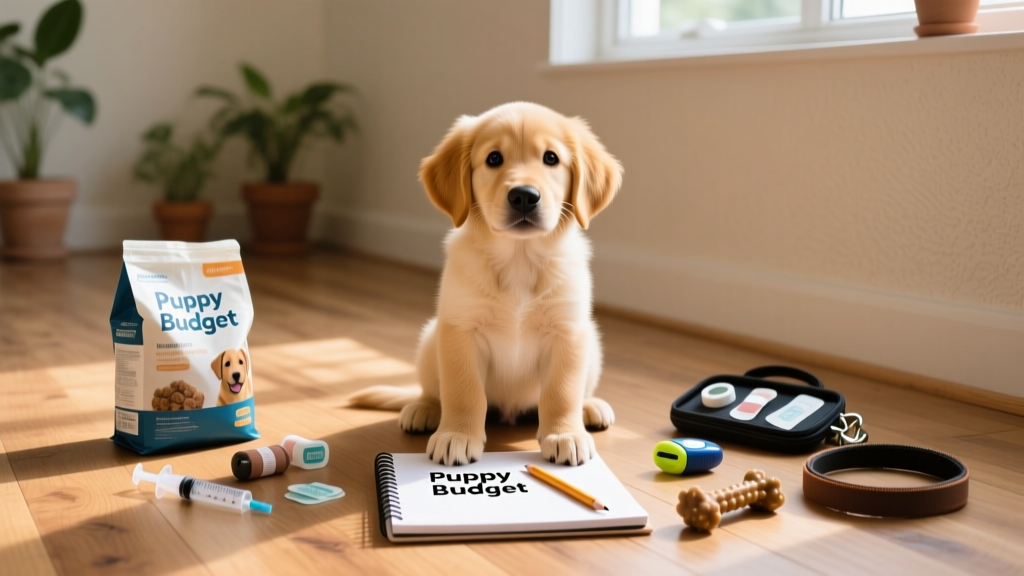
First-Year Cost Breakdown: Budgeting Beyond the Puppy Price
The Coton de Tulear puppies price is just the beginning. Here's a realistic first-year budget based on 2026 veterinary and supply costs:
| Category | Low Estimate | High Estimate | Notes |
|---|---|---|---|
| Puppy purchase | $2,000 | $5,000 | From reputable breeder; rescue $300–$800 |
| Veterinary (vaccines, exams, spay/neuter) | $600 | $1,200 | Includes fecal tests, heartworm prevention |
| Food (puppy + transition to adult) | $250 | $450 | Premium small-breed formula |
| Supplies (crate, bed, leash, bowls, toys, grooming tools) | $300 | $600 | Pin brush, metal comb, and detangling spray essential for Coton coat |
| Grooming (professional, every 6–8 weeks) | $400 | $700 | Coton coat mats easily; professional grooming strongly recommended |
| Training (puppy class + basic obedience) | $150 | $400 | Group classes; private sessions cost more |
| Preventive medications (heartworm, flea/tick) | $150 | $300 | Year-round prevention recommended |
| Pet insurance (optional but recommended) | $350 | $600 | Monthly premiums $30–$50 for small breeds |
| TOTAL FIRST YEAR | $4,200 | $9,250 | Includes puppy purchase |
Ongoing annual costs after the first year typically range from $1,500 to $2,800, with grooming being the largest recurring expense for this breed.
Frequently Asked Questions
How often should I feed my Coton de Tulear puppy at each age?
Feed 4 meals per day from 8–12 weeks, 3 meals from 12 weeks to 6 months, and 2 meals from 6 months onward. Consistent meal timing directly supports potty training — puppies typically need to eliminate 10–20 minutes after eating.
When will my Coton puppy be fully potty trained?
Expect reliable daytime habits by 4–6 months with consistent scheduling. Nighttime reliability may take until 7–8 months. Cotons are not the fastest breed to house-train due to small bladder capacity, but they are thorough learners once the habit is established. If your puppy is still having frequent accidents past 6 months, consult your veterinarian to rule out urinary tract infections or anatomical issues.
How do I stop my Coton puppy from biting and nipping?
Use redirection and attention withdrawal — when teeth touch skin, say "ouch," stop playing for 10–15 seconds, then offer a chew toy. Consistency from every family member is critical. Never use physical punishment. Biting typically decreases significantly by 5–6 months as adult teeth emerge. If biting intensifies or seems aggressive (growling, hard biting that breaks skin), consult a certified professional dog trainer or veterinary behaviorist.
Are Coton de Tulear puppies hypoallergenic?
No dog is truly hypoallergenic, but Cotons are considered a low-shedding breed that produces less dander than many others. Their hair-like coat (rather than fur) traps loose hair, which is why regular brushing is essential. People with mild allergies often tolerate Cotons well, but spend time with the breed before committing if allergies are a concern.
What health tests should the breeder have performed?
Responsible Coton de Tulear breeders should perform OFA evaluations for patellar luxation and cardiac screening on parent dogs. Some also test for Bandera's neonatal ataxia (a rare genetic neurological condition specific to the breed). Ask for documentation of all health clearances — a reputable breeder will provide these willingly. Consult your veterinarian about any health concerns specific to your puppy's lineage.
Dr. Hannah Wickes
All our authors care for dogs every day — read more of their work on the authors page.