Corgi Puppies: Week-by-Week Growth, Training & Care Guide
Complete guide to raising corgi puppies: age milestones, feeding schedules, potty training timelines, vaccination dates, and first-year costs.

Raising a Pembroke Welsh Corgi puppy is equal parts exhilarating and exhausting. These herding dogs pack big-dog confidence into a low-rider frame, and their intelligence means they learn fast — both the good habits and the bad ones. Having worked with dozens of corgi families through the puppy months, I can tell you that preparation is everything. This guide walks you through every developmental stage from 4 weeks to 12 months with exact feeding portions, vaccination timelines, and training milestones so nothing catches you off guard.
When to Bring Your Corgi Puppy Home
The optimal age to bring a corgi puppy home is 8 to 10 weeks. Reputable Pembroke Welsh Corgi breeders typically release puppies at 8 weeks minimum, and many hold them until 10 weeks to ensure proper litter-mate socialization. According to the American Kennel Club, puppies separated before 8 weeks show higher rates of behavioral problems including fear-based aggression and difficulty with bite inhibition.
Corgi puppies between 8 and 10 weeks typically weigh 8 to 12 lb (3.6–5.4 kg). At this age, they should already be eating solid food, beginning to signal when they need to eliminate, and comfortable being handled by humans. If a breeder offers you a corgi puppy younger than 7 weeks, consider it a red flag — responsible breeders keep litters together through the critical socialization period's early phase.
Corgi Puppy Development Milestones: Weeks 4–12 Months
Corgi development follows predictable phases, but this breed's herding instinct and stubborn streak mean some milestones require extra patience. Here's what to expect at each stage:
Weeks 4–8: The Litter Phase (Breeder's Care)
- Weight: 4–10 lb (1.8–4.5 kg)
- Senses: Eyes and ears fully functional; exploring littermates and environment
- Behavior: Learning bite inhibition from siblings, beginning play-bowing and herding postures
- Teeth: Deciduous (baby) teeth fully erupted — 28 sharp needles
- What the breeder should do: Introduce varied surfaces (tile, carpet, grass), begin crate exposure with open-door naps, start name recognition, and initiate deworming protocol
Weeks 8–12: The Adjustment Window
- Weight: 10–16 lb (4.5–7.3 kg)
- Sleep: 18–20 hours per day — yes, really
- Bladder control: Approximately 1 hour per month of age, so 2 hours maximum between potty breaks
- Behavior: Fear imprint period begins around week 8–10; negative experiences can create lasting phobias
- Training capacity: Can learn sit, name recognition, and crate entry with food motivation
- Corgi-specific note: Ankle-nipping and heel-herding behavior emerges — this is instinct, not misbehavior, and needs redirection, not punishment
Weeks 12–16: The Learning Sprint
- Weight: 16–22 lb (7.3–10 kg)
- Bladder control: Extending to 3–4 hours during the day
- Training capacity: Ready for structured positive-reinforcement sessions (5 minutes max, 2–3 times daily)
- Socialization urgency: The primary socialization window closes around 14–16 weeks — every new experience now has outsized impact
- Corgi-specific note: Stubbornness becomes apparent; your corgi will test whether commands are optional (they're not)
Weeks 16–24 (4–6 Months): The Teenage Phase Begins
- Weight: 22–28 lb (10–12.7 kg)
- Teething: Baby teeth fall out, adult teeth emerge (see teething section below)
- Behavior: Second fear imprint period can occur around 6 months; previously confident puppies may suddenly spook at familiar objects
- Training capacity: Can learn stay, recall, loose-leash walking foundations, and "leave it"
- Exercise: Structured walks of 20–25 minutes; avoid forced running or jumping to protect developing joints
Months 6–12: Adolescence
- Weight: 25–30 lb (11.3–13.6 kg) — approaching adult weight of 25–30 lb for females, 30–38 lb (13.6–17.2 kg) for males per AKC breed standard
- Behavior: Hormonal surges if intact; training regression is normal and temporary
- Exercise: 30–45 minutes of structured activity daily; mental stimulation (puzzle feeders, scent work) tires a corgi faster than physical exercise alone
- Spay/neuter timing: Discuss with your veterinarian; many vets recommend 6–9 months for corgis, though some orthopedic specialists prefer waiting until 12 months for joint development
Feeding Schedule: Exact Portions by Age and Weight
Corgis are notoriously food-motivated, which makes them easy to train but prone to obesity. According to the Merck Veterinary Manual, overweight puppies face increased risk of joint disorders — a critical concern for a long-backed breed predisposed to intervertebral disc disease (IVDD).
Feed a high-quality, AAFCO-certified puppy formula with named animal protein as the first ingredient. Look for a guaranteed analysis of at least 22% protein and 8% fat for growth. Avoid large-breed puppy formulas — corgis are medium-sized dogs and do not need the altered calcium-phosphorus ratios designed for breeds over 70 lb.
| Age | Meals Per Day | Portion Per Meal (Dry Kibble) | Daily Total | Notes |
|---|---|---|---|---|
| 8–12 weeks | 4 | ¼ – ⅓ cup (30–40 g) | 1 – 1⅓ cups (120–160 g) | Moisten kibble with warm water for easier chewing |
| 12–16 weeks | 3 | ⅓ – ½ cup (40–60 g) | 1 – 1½ cups (120–180 g) | Transition to dry kibble; monitor stool consistency |
| 4–6 months | 3 | ½ – ⅔ cup (60–80 g) | 1½ – 2 cups (180–240 g) | Caloric needs peak during rapid growth phase |
| 6–9 months | 2 | ¾ – 1 cup (90–120 g) | 1½ – 2 cups (180–240 g) | Reduce to two meals; growth rate slows |
| 9–12 months | 2 | ¾ – 1 cup (90–120 g) | 1½ – 2 cups (180–240 g) | Begin transition to adult formula at 12 months |
Vaccination Schedule for Corgi Puppies
Your corgi puppy arrives with maternal antibodies that gradually wane, which is why vaccines are given in a series. The American Veterinary Medical Association recommends the following core vaccination protocol for puppies:
| Age | Vaccine(s) | Notes |
|---|---|---|
| 6–8 weeks | DHPP (Distemper, Hepatitis/Adenovirus, Parainfluenza, Parvovirus) — 1st dose | Often administered by the breeder; confirm with records |
| 10–12 weeks | DHPP — 2nd dose; Bordetella (optional, recommended if attending puppy classes) | Maternal antibodies may still partially block immune response, hence the booster series |
| 14–16 weeks | DHPP — 3rd dose; Rabies (required by law in most US states) | Final puppy DHPP dose; maternal antibodies should be fully cleared by this point |
| 12–16 months | DHPP booster; Rabies booster (1-year or 3-year per local regulation) | First adult booster; establishes long-term immunity |
Lifestyle vaccines to discuss with your veterinarian: Leptospirosis (recommended in areas with wildlife exposure), Lyme disease (tick-endemic regions), and Canine Influenza (H3N2/H3N8) if your corgi will attend daycare or boarding facilities. Costs for the full puppy vaccine series typically range from $150–$300 depending on your region and clinic.
Until your corgi puppy completes the DHPP series (after the 14–16 week dose), avoid public dog parks, pet store floors, and areas where unvaccinated dogs have been. However, controlled socialization with known, fully-vaccinated dogs in private yards is safe and critical. Carry your puppy in a sling or backpack for neighborhood walks to expose them to sights and sounds without ground contact.
Socialization Window: Weeks 3–14
The primary socialization period — when puppies form lasting impressions about what is safe versus threatening — runs from approximately 3 to 14 weeks. For corgis, this window is especially important because their herding heritage can amplify reactivity to moving objects, children, and unfamiliar animals if not properly channeled.
Aim for 100 positive exposures before week 14. "Positive" means your puppy remains relaxed or curious, not fearful. Pair every new experience with high-value treats (boiled chicken, cheese bits, or commercial training treats under 3 calories each).
Corgi Puppy Socialization Checklist
| Category | Specific Exposures (Aim for 5+ Per Category) |
|---|---|
| People | Men with beards, children ages 3–12, people wearing hats/sunglasses, wheelchair users, delivery drivers, people carrying umbrellas |
| Surfaces | Gravel, wet grass, metal grates, tile floors, carpet, wooden stairs, wobble boards |
| Sounds | Vacuum cleaners, doorbells, thunderstorms (play recordings at low volume), traffic, construction noise, clapping |
| Objects | Bicycles, skateboards, strollers, trash cans, automatic doors, balloons, flags |
| Animals | Fully-vaccinated adult dogs (calm temperament), cats (supervised), livestock if accessible |
| Handling | Ear touching, paw handling, mouth opening, nail clipping practice, grooming brush, harness fitting |
| Environments | Car rides, vet clinic (happy visits only), outdoor café patios, friend's houses, elevator rides |
Corgi-specific socialization priority: Expose your puppy to children running, bikes passing, and objects moving quickly behind them. Corgis that lack this exposure often develop heel-nipping or chase-reactivity that becomes difficult to modify in adulthood.
Potty Training Timeline and Realistic Expectations
Let's set expectations early: most corgi puppies achieve reliable house training between 4 and 6 months of age, with occasional accidents possible until 8–10 months. Corgis are intelligent and can learn the concept quickly, but their small bladders and high food drive (which means frequent digestion) work against early reliability.
Potty Training Schedule by Age
| Age | Maximum Time Between Breaks | Nighttime Hold Capacity | Strategy |
|---|---|---|---|
| 8–10 weeks | 1–1.5 hours | 2–3 hours (set overnight alarm) | Carry to potty spot; reward immediately with treat + verbal praise |
| 10–12 weeks | 2 hours | 3–4 hours | Begin leash-guided walks to designated spot; introduce cue word ("go potty") |
| 3–4 months | 3–4 hours | 5–6 hours | Begin signaling training — bell on door or scratch at door |
| 4–6 months | 4–5 hours | 7–8 hours (full night possible) | Reduce treat frequency to variable reinforcement; maintain verbal praise |
| 6–12 months | 6–8 hours | 8–10 hours | Reliable with routine; accidents usually indicate medical issue or schedule gap |
Common Potty Training Problems and Fixes
Submissive urination: Corgi puppies may leak small amounts when greeting. This is involuntary. Avoid leaning over the puppy during greetings; crouch sideways and let them approach. Most outgrow this by 6–8 months.
Marking behavior: Intact males may begin lifting a leg and marking indoors around 5–7 months. Spaying/neutering reduces but doesn't always eliminate this. Interrupt marking calmly and redirect to the outdoor potty spot.
Regression at 6 months: Adolescence can cause temporary setbacks. Return to frequent scheduled breaks and consistent rewards for 2–3 weeks.
Crate Training Progression with Time Limits
Crate training protects your corgi puppy from household hazards and accelerates potty training by leveraging their natural den instinct. The key is gradual duration building — never use the crate as punishment.
| Age | Maximum Crate Time (Daytime) | Overnight Crate Time | Progression Notes |
|---|---|---|---|
| 8–10 weeks | 30–60 minutes | 2–3 hours (alarm required) | Feed meals in crate; cover with light blanket for den feel |
| 10–14 weeks | 1–2 hours | 3–5 hours | Begin leaving room briefly; return before puppy whines |
| 3–4 months | 2–3 hours | 5–7 hours | Introduce stuffed Kong or chew toy for quiet occupation |
| 4–6 months | 3–4 hours | 7–8 hours | Should enter crate voluntarily; door can remain open during supervised time |
| 6–12 months | 4–5 hours | 8–10 hours | Full reliability; transition to open-door sleeping if desired |
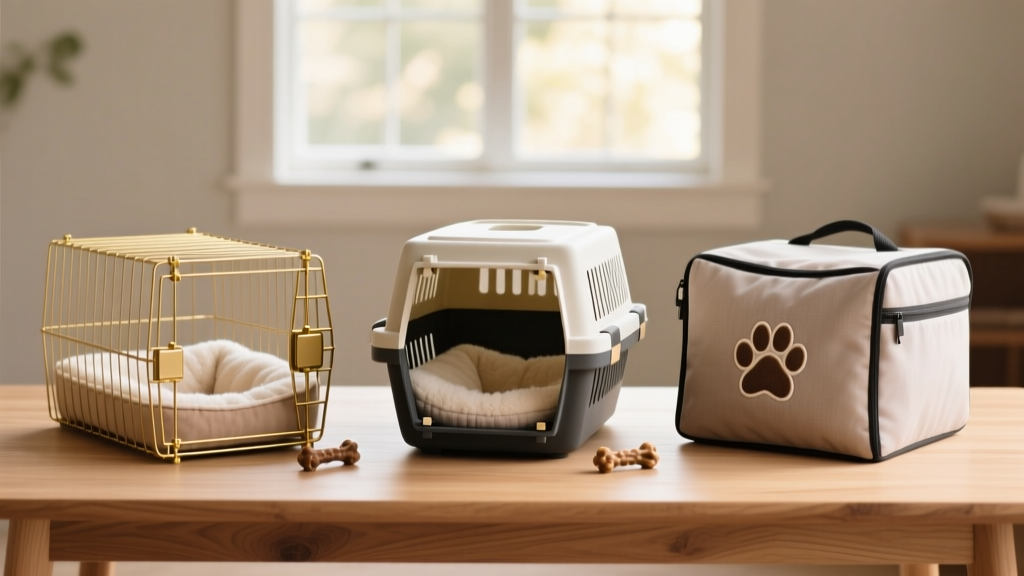
Crate size for a corgi puppy: Choose a crate sized for an adult corgi (approximately 36" L × 23" W × 25" H) but use a divider panel to reduce the space to puppy-sized. A crate that's too large allows the puppy to eliminate in one corner and sleep in another, undermining potty training.
Teething Timeline: Months 3–6
Corgi puppies begin losing their 28 deciduous teeth around 12–16 weeks, with all 42 adult teeth typically erupted by 6 months. During this period, expect increased chewing, drooling, mild gum bleeding, and temporary reluctance to eat hard kibble.
Safe Chew Recommendations by Stage
- 12–16 weeks: Chilled (not frozen) rubber teething rings, damp frozen washcloths twisted into rope shape, soft rubber toys like the Kong Puppy (teal/pink versions)
- 16–20 weeks: Bully sticks (supervised, remove when small enough to choke), frozen carrot sticks, Benebone Puppy Wishbone (size small)
- 20–26 weeks: Nylabone Puppy Chew (chicken flavor, size regular), yak cheese chews (supervised), Kong Classic (red, size medium for corgis)
Common Corgi Puppy Problems and Solutions
Ankle Nipping and Heel Herding
This is the number one complaint from corgi puppy owners. Your puppy isn't being aggressive — they're expressing a bred-in herding instinct to control movement. Solutions:
- Redirect: When nipping starts, stop moving immediately (become "boring") and offer a tug toy or chew instead
- Incompatible behavior: Teach "sit" as a default greeting; a sitting dog cannot chase ankles
- Management: Keep a drag-line leash indoors during high-activity times (kids coming home, meal prep) so you can gently prevent chasing without grabbing
- Never use: Shock collars, prong collars, or alpha rolls — these suppress behavior without teaching alternatives and damage the trust bond
Excessive Barking and Vocalization
Corgis are vocal dogs by nature — they were bred to bark while herding cattle. Puppy barking typically escalates between 10–16 weeks as confidence grows.
- Demand barking: Ignore completely (no eye contact, no verbal response). Reward the moment silence occurs, even for 2 seconds
- Alert barking: Acknowledge with "thank you" and redirect to a mat or bed; this validates their watchdog role while teaching an off-switch
- Boredom barking: Increase mental stimulation — food puzzles, 5-minute training sessions, and sniffari walks reduce vocalization more effectively than physical exercise alone
Destructive Chewing
Peak chewing occurs between 4–7 months as adult teeth settle. Puppy-proof your home by removing shoes, cords, and remote controls from floor level. Provide 8–10 approved chew options rotated weekly to maintain novelty. A tired corgi is a non-destructive corgi — ensure 30+ minutes of combined physical and mental activity daily.
First-Year Cost Breakdown for a Corgi Puppy
Budgeting realistically prevents unpleasant surprises. These ranges reflect 2026 US pricing from veterinary clinics, pet supply retailers, and training professionals:
| Category | Low End | Average | High End | Details |
|---|---|---|---|---|
| Puppy purchase (breeder) | $1,800 | $2,800 | $4,500+ | AKC-registered, health-tested parents; rescue/adoption: $200–$600 |
| Veterinary (vaccines, exams, spay/neuter) | $600 | $900 | $1,400 | Includes initial series, rabies, microchip, heartworm test, and alteration surgery |
| Food (puppy formula, 12 months) | $360 | $540 | $780 | Based on $30–$65/bag premium kibble, 20–25 lb bags |
| Supplies (crate, bed, leash, bowls, gates) | $200 | $350 | $600 | Quality varies significantly; invest in a good crate and orthopedic bed for IVDD prevention |
| Training (puppy class + private sessions) | $150 | $400 | $900 | Group puppy class: $150–$250; private sessions: $75–$150/hour |
| Preventive medications (flea/tick, heartworm) | $240 | $360 | $500 | Monthly preventives year-round; Simparica Trio or similar combination product |
| Pet insurance (optional) | $360 | $540 | $780 | $30–$65/month; consider given corgi predisposition to IVDD and hip dysplasia |
| Total Estimated First Year | $3,710 | $5,890 | $9,460+ | Excludes emergency veterinary care; maintain $500–$1,000 emergency fund |
Frequently Asked Questions About Corgi Puppies
How do I stop my corgi puppy from biting and nipping?
Corgi puppies nip because of herding instinct and teething discomfort, not aggression. Use the "redirect and reward" method: when teeth touch skin, say "oops" calmly, stop all movement, and present an appropriate chew toy. Reward enthusiastically when they bite the toy instead. Consistency from every household member is critical — if one person allows mouthing, the puppy won't understand why others don't. Most corgis significantly reduce nipping by 5–6 months with consistent redirection. If biting breaks skin or intensifies rather than decreases, consult a certified professional dog trainer (CPDT-KA or IAABC-credentialed).
How often should I feed my corgi puppy at each age?
At 8–12 weeks, feed 4 meals per day. At 12–16 weeks, reduce to 3 meals. At 6 months, transition to 2 meals per day, which continues into adulthood. Never free-feed a corgi — their food motivation and low activity ceiling make them extremely prone to overeating and obesity, which directly increases IVDD and hip dysplasia risk.
When will my corgi puppy be fully potty trained?
Most corgis achieve reliable house training between 4 and 6 months with a consistent schedule. "Reliable" means fewer than one accident per month. Full reliability — including no accidents during schedule disruptions — typically comes by 8–10 months. If accidents increase suddenly at any age, rule out urinary tract infections with your veterinarian before assuming it's a training issue.
What vaccines does my corgi puppy need and when?
Core vaccines follow the DHPP series at 6–8 weeks, 10–12 weeks, and 14–16 weeks, plus a rabies vaccine at 14–16 weeks (timing varies by state law). Lifestyle vaccines like Bordetella, Leptospirosis, and Lyme are recommended based on your area and your puppy's activities. Always follow your veterinarian's specific protocol, as local disease prevalence may alter the schedule.
When can my corgi puppy go outside and meet other dogs?
Your puppy can explore private, controlled outdoor spaces immediately after coming home. However, avoid public areas with unknown dog traffic (parks, pet stores, sidewalks with heavy dog use) until 7 days after the final DHPP booster at 14–16 weeks — typically around 17 weeks of age. Socialization with known, fully-vaccinated dogs in clean environments is safe and encouraged from 8 weeks onward. Carry your puppy in public spaces during the vulnerability window to continue socialization without disease risk.
Should I get pet insurance for my corgi puppy?
Strongly consider it. Corgis carry genetic predispositions to intervertebral disc disease (IVDD), hip dysplasia, and degenerative myelopathy — conditions that can require $3,000–$8,000+ in surgical and rehabilitation costs. Enrolling during puppyhood ensures no pre-existing condition exclusions. Look for policies covering hereditary conditions with annual limits of at least $10,000 and reimbursement rates of 80% or higher.
Dr. Hannah Wickes
All our authors care for dogs every day — read more of their work on the authors page.