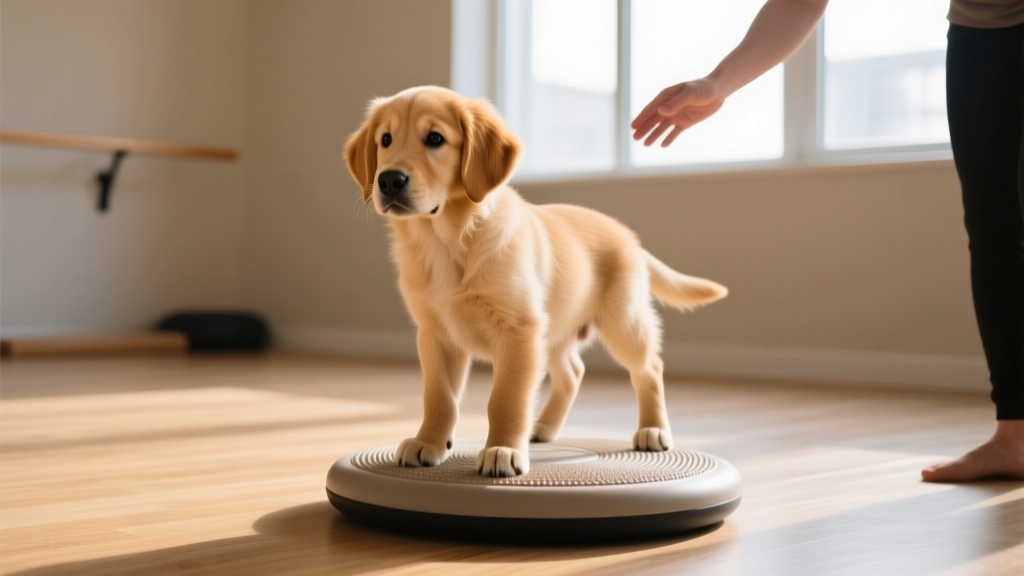
Clumber Spaniel Puppy Care: Complete Growth & Training Timeline
Your complete clumber spaniel puppy guide: age-specific milestones, feeding portions, potty training timeline, vaccination schedule, and first-year costs.

The Clumber Spaniel is the largest of the spaniel breeds — a stocky, low-to-the-ground bird dog originally bred for flushing and retrieving in dense English underbrush. If you're bringing home a clumber spaniel puppy, you're signing up for a gentle, steady companion with a mind of their own. They're not the fastest learners in the canine world, but their sweet temperament and quiet demeanor make them exceptional family dogs for those who understand the breed.
This guide walks you through every critical stage of your Clumber's first year — from the day you pick them up to their transition into adulthood — with breed-specific expectations, exact feeding amounts, vaccination timing, and real cost data for 2026.
When to Bring Your Clumber Spaniel Puppy Home
Responsible Clumber Spaniel breeders typically release puppies between 8 and 10 weeks of age. While some breeders hold puppies until 12 weeks to complete early socialization protocols, 8 weeks is the standard minimum. The American Kennel Club recommends waiting until at least 8 weeks — puppies removed from their litter too early miss critical bite-inhibition lessons from littermates and early canine communication skills.
Clumber puppies are notably slow to mature compared to other spaniels. Expect puppy-like behavior — clumsiness, short attention spans, and mouthiness — well into their second year. This extended juvenile period is normal for the breed and requires patience during training.
- Confirm breeder has completed OFA hip evaluations on both parents (Clumbers rank high for hip dysplasia)
- Request health records showing first deworming (typically at 2 and 4 weeks) and first DHPP vaccine (6-8 weeks)
- Verify puppy has been exposed to household sounds, varied floor surfaces, and gentle handling by multiple people
- Ask about the puppy's current food brand and formula — you'll need to transition gradually if switching
Clumber Spaniel Puppy Milestones by Age
Understanding what to expect at each developmental stage helps you set realistic goals and avoid frustration. Clumber Spaniels mature more slowly than most sporting breeds, so adjust your expectations accordingly.
| Age Range | Expected Weight | Key Milestones | What to Focus On |
|---|---|---|---|
| 4–8 weeks | 4–10 lb / 1.8–4.5 kg | Weaning complete, littermate play, first vaccines, deciduous teeth erupting | Breeder-managed: early neurological stimulation, sound exposure, first human handling |
| 8–12 weeks | 10–18 lb / 4.5–8.2 kg | Peak fear period (8-11 weeks), rapid bonding, high sleep needs (18-20 hrs/day) | Name recognition, crate introduction, potty routine, gentle socialization |
| 12–16 weeks | 18–28 lb / 8.2–12.7 kg | Second fear period possible (12 weeks), bladder control improving, teething begins | Basic cue training (sit, come), leash introduction, continued socialization |
| 16–24 weeks | 28–45 lb / 12.7–20.4 kg | Heavy chewing phase, adult teeth emerging, vaccination series complete | Chew management, outdoor exploration, puppy kindergarten classes |
| 6–12 months | 45–65 lb / 20.4–29.5 kg | Sexual maturity (6-8 months), adolescent stubbornness, near-adult size by 12 months | Spay/neuter timing discussion, advanced training, exercise management (protect growing joints) |
A mature male Clumber Spaniel typically weighs 70–85 lb (31.8–38.6 kg) and stands 18–20 inches at the shoulder, while females reach 55–70 lb (24.9–31.8 kg) at 17–19 inches. Your puppy won't reach full adult weight until approximately 18–24 months.
Feeding Your Clumber Spaniel Puppy: Portions & Schedule
Clumber Spaniels are notoriously food-motivated and prone to rapid weight gain. Overfeeding during puppyhood stresses developing joints and increases hip dysplasia risk. Use a large-breed puppy formula to control growth rate, and measure every meal — never free-feed this breed.
| Age | Meals Per Day | Approximate Daily Amount | Notes |
|---|---|---|---|
| 8–12 weeks | 4 meals | 1.5–2.25 cups/day (divided into 4 feedings) | Soak kibble in warm water for easier chewing |
| 12–16 weeks | 3 meals | 2–3 cups/day (divided into 3 feedings) | Transition to dry kibble if not already |
| 16–24 weeks | 3 meals | 2.5–3.5 cups/day (divided into 3 feedings) | Monitor body condition score weekly — ribs should be palpable |
| 6–12 months | 2 meals | 3–4.5 cups/day (divided into 2 feedings) | Transition to adult food at 12–15 months per vet guidance |
These amounts assume a large-breed puppy kibble with approximately 350–400 kcal per cup (such as Purina Pro Plan Large Breed Puppy or Royal Canin Large Puppy). Always adjust based on your individual puppy's body condition score rather than following the bag's chart, which often overestimates portions. Consult your veterinarian if you're unsure about your puppy's ideal weight trajectory.
Vaccination Schedule for Your Clumber Spaniel Puppy
Your Clumber puppy's immune system isn't fully functional until the vaccination series is complete around 16 weeks. The American Veterinary Medical Association recommends core vaccines on a set schedule to ensure continuous protection during this vulnerable window.
| Age | Vaccines Administered | Protection Against | Estimated Cost |
|---|---|---|---|
| 6–8 weeks | DHPP (1st dose) | Distemper, Hepatitis (Adenovirus), Parainfluenza, Parvovirus | $25–$40 (often done by breeder) |
| 10–12 weeks | DHPP (2nd dose), Bordetella, Leptospirosis (optional based on risk) | Booster for core diseases + kennel cough + leptospirosis | $50–$85 |
| 14–16 weeks | DHPP (3rd dose), Rabies | Final core booster + rabies (legally required) | $55–$95 |
| 12–16 months | DHPP booster, Rabies booster, Bordetella (annual) | Adult maintenance schedule begins | $75–$120 |
When can your puppy go outside and meet other dogs? Until the full DHPP series is complete at 16 weeks, avoid public dog areas — parks, pet stores, dog beaches — where parvovirus may be present. You can carry your puppy in public spaces for socialization (a sling or backpack works well for a stocky Clumber) and arrange playdates with fully vaccinated, known-healthy dogs in private yards. After the 16-week vaccines plus a 5–7 day waiting period, your puppy can safely explore public areas.
Socialization Window: Weeks 3–14
The primary socialization period for puppies closes around 12–14 weeks of age. For Clumber Spaniels — a breed that can be reserved with strangers and somewhat stubborn — early positive exposure is non-negotiable. A poorly socialized Clumber tends toward shyness rather than aggression, but shyness in a 75-pound dog still creates management challenges.
Clumber Puppy Socialization Checklist (Weeks 3–14)
Aim for positive, brief exposures — 2-5 minutes each. Watch for stress signals (tucked tail, lip licking, freezing) and retreat if needed.
- ☐ Meet at least 10 different people (varying ages, ethnicities, wearing hats/glasses/coats)
- ☐ Encounter 5+ other vaccinated, friendly dogs of different sizes
- ☐ Walk on 6+ surface types: grass, gravel, tile, carpet, wet pavement, metal grates
- ☐ Hear common household sounds: vacuum, doorbell, thunderstorm recordings, hair dryer, blender
- ☐ Experience car rides (start with 2-minute sessions with engine off, progress to short drives)
- ☐ Handle paws, ears, mouth, and tail daily for 30 seconds each (grooming prep — Clumbers need regular ear care)
- ☐ Visit the vet clinic for a "happy visit" (no procedures, just treats and praise)
- ☐ Encounter children (supervised, calm interactions — teach children to approach gently)
- ☐ See wheeled objects: bicycles, strollers, skateboards, wheelchairs
- ☐ Practice brief separations (leave room for 30 seconds, gradually increase to 5 minutes)
The AKC's socialization guidelines emphasize quality over quantity. One positive encounter with a calm child is worth more than ten overwhelming ones. For Clumbers specifically, prioritize exposure to water — many enjoy wading and swimming, and early positive water experiences pay off for this naturally water-loving breed.
Potty Training Timeline & Troubleshooting
When will your Clumber spaniel puppy be fully potty trained? Realistically, expect consistent outdoor elimination habits between 4 and 6 months of age, with occasional accidents possible until 8–10 months. Clumber Spaniels are not the fastest house-trainers — their stocky build means a relatively small bladder for their body size, and their laid-back nature means they may not signal urgency clearly.
A practical rule: a puppy can hold their bladder for approximately one hour per month of age (so a 3-month-old can manage about 3 hours). Set your schedule accordingly:
| Puppy Age | Maximum Hold Time | Recommended Outing Frequency | Nighttime Expectations |
|---|---|---|---|
| 8–10 weeks | 1–1.5 hours | Every 30–60 minutes during the day | 2–3 overnight wake-ups |
| 10–14 weeks | 2–2.5 hours | Every 60–90 minutes | 1–2 overnight wake-ups |
| 14–20 weeks | 3–4 hours | Every 2 hours, plus after meals/naps/play | 0–1 overnight wake-ups |
| 5–6 months | 5–6 hours | Every 3–4 hours | Typically sleeping through the night |
Clumber-specific troubleshooting: These dogs are heavy and low to the ground, which means they sometimes squat in doorways or on area rugs without fully going outside. Always walk them a full 10–15 feet away from the house before giving the potty cue. Use a consistent verbal marker ("go potty" or "do your business") paired with a high-value treat immediately after they finish. If accidents persist past 6 months, ask your veterinarian to rule out a urinary tract infection — Clumber Spaniels' low-slung bodies can make them prone to perineal irritation that mimics UTI symptoms.
Crate Training Progression
Crate training is essential for Clumber puppies. Their natural den instinct makes them generally accepting of crates, but their size means you need to plan ahead. A full-grown Clumber needs a 36-inch or 42-inch crate; buy the adult size now and use the included divider panel to shrink the space as your puppy grows.
Time limits by age:
- 8–10 weeks: Maximum 30–60 minutes at a time during the day; crate beside your bed at night
- 10–14 weeks: Up to 1.5–2 hours during the day; begin moving crate to a nearby room overnight
- 14–20 weeks: Up to 3 hours during the day; overnight stretches of 5–6 hours are possible
- 5–6 months: Up to 4 hours during the day; 7–8 hours overnight is typical
Never use the crate as punishment. Feed meals inside the crate, provide a stuffed Kong or lick mat for positive association, and always leave the door open when you're home and supervising. Clumber puppies who are crated excessively develop the very stubbornness and lethargy the breed is already known for — they need structured freedom to develop confidence.
Teething Timeline & Relief Strategies
Clumber Spaniel puppies begin teething around 3–4 months of age, with the worst chewing intensity occurring between 4 and 6 months as adult teeth push through. By 7 months, all 42 adult teeth should be in place. During this phase, your Clumber will chew anything they can reach — furniture legs, shoes, baseboards, and your hands.
Safe chew recommendations for Clumber puppies:
- Frozen washcloths: Soak a clean washcloth in low-sodium chicken broth, twist, and freeze. The cold numbs sore gums. Supervise to prevent ingestion of fabric.
- Nylabone Puppy Chew (Power Chew line): Choose the "puppy" formula, which is softer than the adult version. The lamb-flavored option is popular with Clumbers.
- Benebone Wishbone (Puppy line): The ergonomic shape suits the Clumber's broad jaw. Replace once significant wear appears.
- Frozen carrots: A low-calorie, edible option. Whole carrots work best for their wide mouths. Supervise to prevent choking on large pieces.
- Kong Classic (puppy rubber, pink or blue): Stuff with a mixture of plain yogurt and mashed banana, then freeze for a 20-minute distraction.
Common Clumber Spaniel Puppy Problems & Solutions
Every breed has its quirks during puppyhood. Here are the most common challenges Clumber owners face and how to handle them with positive, force-free methods:
Mouthiness and Nipping
How do I stop puppy biting/nipping? Clumber puppies use their mouths to explore — this is normal canine behavior, not aggression. When teeth touch skin, let out a high-pitched "ouch" and immediately withdraw attention for 10–15 seconds (stand up, turn away). Redirect to an appropriate chew toy. Never hold the mouth shut, slap, or use alpha rolls — these methods damage trust and can create fear-based biting. Consistency across all family members is essential; expect improvement within 2–4 weeks of consistent redirection.
Stubbornness and "Selective Hearing"
Clumbers were bred to work independently in dense brush, which translates to a puppy who may simply decide your recall cue isn't worth responding to. This isn't defiance — it's breed temperament. Solutions:
- Use high-value treats (real chicken, cheese, freeze-dried liver) for training, not kibble
- Keep training sessions to 5–10 minutes maximum — Clumbers bore easily
- Practice recall on a long line (15–30 feet) before expecting off-leash reliability
- Never punish a dog who comes to you, even if they took 30 seconds to decide
Whining and Vocalization
Clumber puppies are generally quieter than other spaniels, but they do whine — especially during crate training and when separated from you. If the whining occurs during a crate session and you're confident they don't need to eliminate, wait for 3–5 seconds of silence before releasing or rewarding. This teaches that quiet earns freedom, not noise.
Ear Problems
The Clumber's long, heavy, feathered ears trap moisture and debris. Begin weekly ear inspections and gentle cleaning at 8 weeks so your puppy accepts handling. Use a veterinarian-recommended ear cleaner (such as Epi-Otic Advanced) and cotton balls — never cotton swabs deep in the canal. Watch for head shaking, ear odor, or dark discharge, which signal an infection requiring veterinary treatment.
First-Year Cost Breakdown for a Clumber Spaniel Puppy
Budgeting accurately prevents unpleasant surprises. Here's a realistic first-year cost estimate for a Clumber Spaniel puppy in the US, based on 2026 pricing:
| Category | Low Estimate | High Estimate | Details |
|---|---|---|---|
| Puppy purchase | $1,500 | $3,000 | From a responsible breeder; Clumbers are a relatively rare breed |
| Veterinary care (wellness) | $450 | $800 | Vaccines, deworming, spay/neuter, wellness exams, heartworm prevention |
| Food (large-breed puppy formula) | $400 | $700 | 12 months of premium large-breed puppy kibble |
| Supplies (crate, bed, bowls, leash, harness) | $250 | $500 | 36–42" crate, orthopedic bed, front-clip harness for broad chest |
| Training classes | $150 | $400 | Puppy kindergarten + basic obedience (6–8 week sessions) |
| Grooming | $200 | $500 | Professional grooming every 6–8 weeks for coat maintenance, plus home supplies |
| Pet insurance (optional but recommended) | $480 | $840 | $40–$70/month; Clumbers are prone to hip dysplasia and ear infections |
| Total First Year | $3,430 | $6,740 | Excluding emergency veterinary care |
Emergency veterinary visits are unpredictable but worth budgeting for. A single emergency visit for bloat, foreign body ingestion, or a serious infection can cost $1,500–$5,000+. Pet insurance purchased while your puppy is young and healthy provides the best value, as pre-existing conditions are excluded from coverage.
Frequently Asked Questions About Clumber Spaniel Puppies
When should I bring my Clumber spaniel puppy home?
Between 8 and 10 weeks of age. Some Clumber breeders hold puppies until 12 weeks to complete additional socialization and early training, which can benefit first-time owners. Never accept a puppy younger than 8 weeks — the critical littermate socialization period is not complete before this age.
How often should I feed my Clumber puppy at 10 weeks old?
Four meals per day, totaling approximately 1.5–2.25 cups of large-breed puppy kibble (divided into ~0.4–0.6 cups per meal). Feed at consistent times — for example, 7 AM, 11 AM, 3 PM, and 7 PM — and remove uneaten food after 15 minutes to establish a routine and prevent grazing.
When will my Clumber puppy be fully potty trained?
Most Clumber Spaniel puppies achieve reliable house training between 4 and 6 months of age with consistent scheduling. Some individuals take until 8–10 months, particularly if their owners work outside the home and can't maintain a strict outing schedule during the early months. Patience and consistency matter more than speed.
What vaccines does my Clumber puppy need and when?
The core schedule includes DHPP at 6–8 weeks, 10–12 weeks, and 14–16 weeks, plus a rabies vaccine at 14–16 weeks. Non-core vaccines (Bordetella, Leptospirosis, Lyme) depend on your geographic location and lifestyle. Your veterinarian will tailor the schedule to your puppy's individual risk factors — always consult your veterinarian before making vaccination decisions.
How do I stop my Clumber spaniel puppy from biting and nipping?
Redirect every instance of skin-to-teeth contact to an appropriate chew toy, and withdraw attention for 10–15 seconds when nipping occurs. Use a consistent marker word ("ouch" or "too bad") followed by immediate disengagement. Never use physical punishment, which damages the bond and can escalate to fear-based biting. With consistent redirection, most Clumber puppies show significant improvement within 2–4 weeks.
When can my Clumber puppy go outside and meet other dogs?
You can carry your puppy in public spaces immediately for socialization purposes, but avoid areas where unvaccinated dogs may have been until the full DHPP series is complete at approximately 16 weeks. After the final vaccine plus a 5–7 day waiting period, your puppy can walk in public areas and interact with unknown dogs. Playdates with fully vaccinated, known-healthy dogs in private settings are safe at any age after your puppy comes home.
Are Clumber Spaniel puppies good with children?
Yes, Clumbers are among the gentlest spaniels and typically excellent with respectful children. However, their stocky build means they can accidentally knock over toddlers, and their puppy mouthiness requires supervision. Teach children to never pull ears or tail, to let the puppy sleep undisturbed, and to offer treats on a flat palm. Always supervise interactions between puppies and children under 10.
Aaron Whyte
All our authors care for dogs every day — read more of their work on the authors page.