Chug Puppies: The Complete First-Year Care & Training Guide
Everything you need to raise chug puppies: age-specific milestones, feeding schedules, vaccination timelines, potty training, and first-year costs.

What Is a Chug Puppy?
A Chug is a designer cross between a Chihuahua and a Pug — two of America's most popular small breeds. The result is a compact companion dog typically weighing 10–20 lb (4.5–9 kg) at maturity, with a personality that blends the Chihuahua's alertness and devotion with the Pug's easygoing charm. Chug puppies inherit traits from both parent breeds unpredictably, which means early socialization, consistent training, and breed-aware health monitoring are essential from day one.
Because Chugs are a mixed breed, they are not recognized by the American Kennel Club, but they are registered through designer-breed organizations like the American Canine Hybrid Club (ACHC). This mixed heritage can offer hybrid vigor — a potential reduction in inherited disease risk — but it does not guarantee it. Chugs remain susceptible to conditions common in both parent breeds, including brachycephalic obstructive airway syndrome (BOAS), patellar luxation, and dental overcrowding.
When Should I Bring My Chug Puppy Home?
The ideal age to bring a Chug puppy home is 8 to 10 weeks. While some states legally permit sales at 8 weeks, many experienced breeders of small and toy breeds hold puppies until 10–12 weeks. The reasoning is practical: Chihuahua-Pug crosses are tiny at birth (often 4–8 oz / 113–227 g), and those extra weeks with the litter allow for more stable blood sugar regulation, better bite inhibition learning from siblings, and stronger immune development from maternal antibodies.
If your breeder recommends waiting until 10 or 12 weeks, this is a sign of responsible practice — not a red flag. Use that waiting period to puppy-proof your home, purchase supplies, and line up your first veterinary appointment.
Chug Puppy Milestones: Week by Week
Understanding what to expect at each developmental stage helps you set realistic expectations and respond appropriately to your puppy's needs.
| Age Range | Developmental Milestones | What to Expect |
|---|---|---|
| Weeks 4–8 | Weaning, first socialization with littermates, deciduous teeth erupt, start of fear imprint period (week 8) | Puppy transitions from mother's milk to gruel/soft kibble. Begins learning bite inhibition from siblings. Avoid stressful separations or loud environments during week 8 fear period. |
| Weeks 8–12 | Human bonding window, rapid brain development, first vet visit, first DHPP vaccine, crate training begins | Expect clingy behavior, frequent naps (18–20 hours/day), mouthing/nipping, and overnight whining. Keep experiences positive — this is the peak socialization window. |
| Weeks 12–16 | Second fear period may emerge (around week 12–14), increased independence, potty training progress, second/third DHPP | Your Chug may suddenly seem "scared" of things they previously tolerated. Don't force exposure — use treats and distance to build confidence. Potty accidents may temporarily increase. |
| Weeks 16–24 | Teething intensifies, adult teeth begin erupting, rabies vaccine, increased energy, chewing peaks | Expect destroyed toys, bloody drool on chew items (normal), and possible appetite fluctuations. Puppy-proof electrical cords and shoes. Begin short, structured walks once fully vaccinated. |
| 6–12 Months | Sexual maturity, possible regression in training, growth slows, adult coat comes in, spay/neuter window | Male Chugs may begin marking; females may enter first heat cycle (6–9 months). Reinforce training basics. Discuss spay/neuter timing with your vet — many now recommend waiting until 6–9 months for small breeds. |
Chug Puppy Feeding Schedule and Portions
Chug puppies are prone to hypoglycemia (low blood sugar) during the first 12 weeks — a condition both Chihuahua and Pug puppies are susceptible to due to their small body mass and limited glycogen reserves. Frequent, measured meals are critical.
| Age | Meals Per Day | Portion Per Meal (estimated) | Notes |
|---|---|---|---|
| 8–12 weeks | 4 meals/day | ¼ – ⅓ cup high-quality small-breed puppy kibble (moistened) | Keep Nutri-Cal or corn syrup on hand for hypoglycemia emergencies. Feed every 4–5 hours, including overnight if puppy is under 2 lb. |
| 12–16 weeks | 3 meals/day | ⅓ – ½ cup per meal | Transition to dry kibble if not already. Look for AAFCO statement: "complete and balanced for growth." |
| 4–6 months | 3 meals/day | ½ – ⅔ cup per meal | Appetite may fluctuate during teething. Don't increase portions to compensate for skipped meals. |
| 6–12 months | 2 meals/day | ½ – ¾ cup per meal | Begin transitioning to adult small-breed formula around 9–12 months. Monitor body condition score (BCS) — Chugs gain weight easily. |
Vaccination Schedule for Chug Puppies
Your Chug puppy's vaccination timeline follows the core protocol recommended by the American Veterinary Medical Association (AVMA). Because Chugs are small, some veterinarians split vaccine combinations across separate visits to reduce the risk of adverse reactions — a practice supported by research published in the Journal of the American Veterinary Medical Association.
| Age | Vaccine(s) | Details |
|---|---|---|
| 6–8 weeks | DHPP (1st dose) | Distemper, Hepatitis (Adenovirus-2), Parainfluenza, Parvovirus. Often given by the breeder. Optional: Bordetella (intranasal) if puppy will be in group settings. |
| 10–12 weeks | DHPP (2nd dose), Bordetella, Leptospirosis (1st dose) | Leptospirosis is recommended in areas with wildlife exposure. Your vet may space Bordetella and Lepto one week apart from DHPP to reduce reaction risk in small breeds. |
| 14–16 weeks | DHPP (3rd/final dose), Rabies, Leptospirosis (2nd dose) | Rabies is required by law in all US states. The final DHPP at 14–16 weeks is critical — maternal antibodies that blocked earlier doses have waned by this point, per the Merck Veterinary Manual. |
Annual boosters: DHPP and Rabies at 1 year, then Rabies every 1–3 years (depending on local law and vaccine type). Bordetella every 6–12 months if your Chug attends daycare, grooming, or boarding. Discuss a titers test (antibody level check) with your vet as an alternative to automatic DHPP boosters after the puppy series is complete.
Socialization Window: Weeks 3–14
The primary socialization period for puppies closes around 12–14 weeks of age, according to the American Veterinary Society of Animal Behavior (AVSAB). For Chug puppies — who can inherit the Chihuahua's wariness of strangers — this window is especially critical. Inadequate socialization during this period is a leading cause of fear-based reactivity and aggression in small breeds.
Chug Puppy Socialization Checklist (target: 100+ positive exposures by 14 weeks):
- ✅ People: Men, women, children (supervised), people wearing hats, sunglasses, hoodies, uniforms, people using canes or wheelchairs
- ✅ Surfaces: Grass, gravel, metal grates, tile, carpet, wet pavement, wooden stairs
- ✅ Sounds: Vacuum cleaner (start at distance), doorbell, thunderstorms (play recordings at low volume), traffic, clapping, dropping pots
- ✅ Handling: Paw touching, ear examination, mouth opening (for dental checks), being held in different positions, nail clipping practice
- ✅ Objects: Umbrellas opening, plastic bags rustling, bicycles, skateboards, strollers
- ✅ Other animals: Fully vaccinated adult dogs (calm, known temperament), cats (supervised), livestock if accessible
- ✅ Environments: Car rides, pet store (carried, not walked on floor until vaccinated), outdoor café patio, friend's house
Potty Training Timeline and Troubleshooting
Chug puppies present a unique potty training challenge. They inherit the Chihuahua's notoriously small bladder and the Pug's occasional stubbornness. Realistically, expect 4–6 months for reliable house training — not the "3 days" promised by some online programs. Some Chugs are not fully reliable until 8–10 months, particularly males who may begin marking around 6 months.
Realistic potty training milestones:
- Weeks 8–12: Take puppy out every 1–2 hours, immediately after meals, naps, and play. Expect 2–4 accidents per week. Use a consistent cue word ("go potty") and reward with a high-value treat (small piece of boiled chicken or commercial training treat under 3 calories) within 2 seconds of elimination.
- Weeks 12–16: Interval extends to every 2–3 hours. Accidents should decrease to 1–2 per week. Begin crate training to leverage the dog's natural instinct not to soil their sleeping area.
- Months 4–6: Can hold bladder 4–5 hours during the day. Overnight holds of 6–7 hours become possible. Accidents should be rare (1–2 per month). If accidents increase, rule out urinary tract infection with your vet.
- Months 6–12: Reliable house training for most Chugs. Males may lift leg and mark — neutering before 9 months reduces but does not eliminate this behavior. Use enzymatic cleaner (Nature's Miracle or Rocco & Roxie) on any accident spot to remove scent markers.
Teething Timeline and Relief Strategies
Chug puppies begin losing their 28 deciduous (baby) teeth and gaining 42 adult teeth between 3 and 6 months of age. Because both parent breeds are brachycephalic or mesocephalic with compact jaws, Chugs are at elevated risk for retained deciduous teeth — where baby teeth fail to fall out as adult teeth erupt, causing overcrowding, misalignment, and periodontal disease.
Teething relief strategies:
- Frozen washcloth: Wet a clean washcloth, twist into a rope, and freeze. Supervise chewing to prevent ingestion of fabric.
- Rubber teething toys: KONG Puppy (pink or blue, size XS or S) stuffed with plain canned pumpkin (not pie filling) and frozen.
- Edible chews: Whimzees Puppy chews or Earth Animal No-Hide chews in small size. Avoid rawhide, which poses choking and intestinal blockage risks — especially for small breeds.
- Cold carrots: Whole baby carrots, chilled. A low-calorie option that also helps clean teeth.
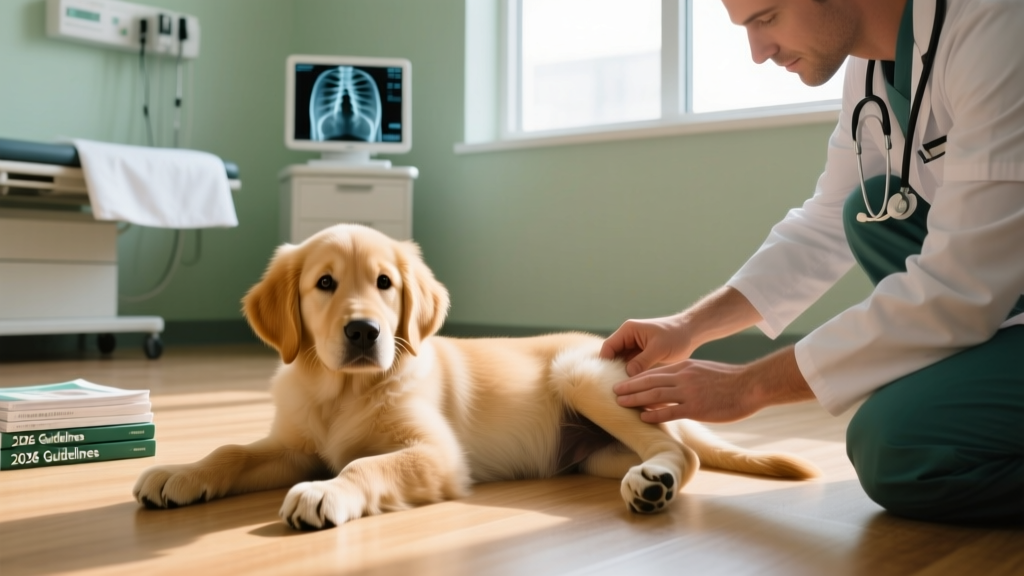
Critical check at 4–5 months: Gently examine your Chug's mouth weekly. If you see a baby tooth next to an erupting adult tooth (a "double tooth"), contact your vet. Retained deciduous teeth are common in Chihuahuas and Pugs and often require surgical extraction under anesthesia to prevent long-term dental disease.
Crate Training Progression
Crate training serves double duty for Chug puppies: it aids potty training and provides a safe den where your puppy can decompress. Choose a crate sized for your Chug's expected adult weight — typically a 24-inch crate with a divider panel for growing puppies.
| Puppy Age | Maximum Crate Time (daytime) | Maximum Crate Time (overnight) | Notes |
|---|---|---|---|
| 8–10 weeks | 30–60 minutes | 3–4 hours (set overnight alarm) | Place crate near your bed. A Snuggle Puppy (with heartbeat simulator) can ease the transition from littermates. |
| 10–14 weeks | 1–2 hours | 4–5 hours | Feed meals in the crate with door open to build positive association. Never use the crate as punishment. |
| 14 weeks–6 months | 2–3 hours | 6–7 hours | Remove collar before crating to prevent snagging. Provide a safe chew toy for enrichment. |
| 6–12 months | 3–4 hours | 7–8 hours | Transition to free-roaming only after 2+ consecutive months without accidents or destructive behavior. |
Common Chug Puppy Problems and Solutions
Problem: Biting and Nipping
Chug puppies mouth and nip — a combination of teething discomfort and the Chihuahua's tendency toward mouthiness. Solution: Use the "redirect and reward" method. When teeth touch skin, say "ouch" in a calm, neutral tone (not a yelp, which can excite some puppies), then immediately offer an appropriate chew toy. When they bite the toy, praise and reward. Consistency from every household member is essential. Never use physical punishment — it increases fear-based biting in small breeds.
Problem: Whining and Crying (Especially at Night)
Separation from littermates triggers distress vocalization, typically peaking in the first 3–5 nights. Solution: Place the crate in your bedroom for the first 2 weeks. Use a white noise machine or quiet radio. Take puppy out for a potty break if they wake crying after 3+ hours (to rule out a full bladder), then return to crate with minimal interaction — no play, no cuddling. Gradually move the crate to the desired permanent location over 1–2 weeks.
Problem: Destructive Chewing
Chewing peaks during teething (3–6 months) but can persist if the puppy is under-stimulated. Solution: Rotate 4–5 chew toys every 2–3 days to maintain novelty. Ensure your Chug gets 20–30 minutes of structured play and training daily. Puzzle feeders (like the Outward Hound Nina Ottosson Dog Brick, size small) provide mental stimulation that reduces boredom chewing.
First-Year Cost Breakdown for a Chug Puppy
Budgeting accurately prevents financial surprises. The following ranges reflect 2026 US pricing for a small-breed puppy in a suburban or metro area.
| Category | Low Estimate | High Estimate | Details |
|---|---|---|---|
| Puppy purchase price | $800 | $2,500 | From a health-testing breeder. Rescue/adoption: $200–$500. |
| Veterinary care (vaccines, exams, fecal tests) | $400 | $800 | 3–4 puppy visits + spay/neuter ($300–$600). Dental extraction for retained teeth adds $200–$500. |
| Food (12 months) | $240 | $480 | $20–$40/month for quality small-breed kibble. |
| Supplies (crate, bed, leash, harness, bowls, toys) | $200 | $450 | Use a harness (not a collar) for walks — Chugs are prone to tracheal collapse. |
| Training (group classes or private sessions) | $150 | $500 | 6-week group puppy class: $150–$250. Private sessions: $75–$150/hour. |
| Pet insurance (annual premium) | $360 | $600 | $30–$50/month. Enroll before first vet visit to cover congenital conditions. |
| Total First Year | $2,150 | $5,330 | Excluding puppy purchase price. Emergency vet visits can add $500–$3,000+. |
Frequently Asked Questions
How often should I feed my Chug puppy at 10 weeks?
At 10 weeks, feed your Chug puppy 4 meals per day, spaced approximately 4–5 hours apart during waking hours. Each meal should be roughly ¼ to ⅓ cup of a small-breed puppy kibble, moistened with warm water for easier chewing. Always provide fresh water. If your puppy seems lethargic, shaky, or disoriented between meals, rub a small amount of corn syrup on their gums and contact your vet — these are signs of hypoglycemia.
When will my Chug puppy be fully potty trained?
Most Chug puppies achieve reliable house training between 4 and 6 months of age, though some — particularly males — may take up to 8–10 months. Consistency is the single biggest factor: a strict schedule of outdoor trips every 1–2 hours, immediate rewards for outdoor elimination, and thorough enzymatic cleaning of accident sites. If your puppy is still having daily accidents past 6 months, consult your vet to rule out medical causes before assuming it's a training issue.
What vaccines does my Chug puppy need and when?
The core puppy vaccine series includes DHPP (Distemper, Hepatitis, Parainfluenza, Parvovirus) at 6–8 weeks, 10–12 weeks, and 14–16 weeks. Rabies is given at 14–16 weeks and is legally required. Your vet may also recommend Bordetella (kennel cough), Leptospirosis, and Canine Influenza depending on your area and lifestyle. Discuss splitting vaccines across visits if your Chug weighs under 5 lb at the time of vaccination.
How do I stop my Chug puppy from biting and nipping?
Redirect every bite to an appropriate chew toy using calm, consistent responses. Say "ouch" in a neutral tone when teeth touch skin, then immediately offer a toy. Reward with praise when they chew the toy. Avoid jerking your hand away (which triggers a chase response) or holding the puppy's mouth shut (which creates fear). Enroll in a positive-reinforcement puppy class by 12 weeks — structured socialization with other puppies teaches bite inhibition faster than human-led training alone.
When can my Chug puppy go outside and meet other dogs?
Your Chug can experience the outdoors in your arms or a carrier immediately, but should not walk on public ground or interact with unknown dogs until 7 days after their final DHPP vaccine at 14–16 weeks (approximately 16–17 weeks of age). Before that, arrange controlled playdates with fully vaccinated, known-healthy adult dogs in private yards. The AVSAB recommends beginning socialization before full vaccination — but in low-risk, controlled settings only.
Are Chugs good family dogs?
Chugs can be excellent family companions for households with older children (age 8+) who understand how to handle small dogs gently. They are not recommended for families with toddlers, as both Chihuahuas and Pugs can be injured by rough handling, and the Chihuahua temperament may include defensive nipping when startled or squeezed. Always supervise interactions between any puppy and young children.
Dr. Hannah Wickes
All our authors care for dogs every day — read more of their work on the authors page.