Puppies for Sale Cavalier King Charles: Your Complete Puppy Care Guide
Found puppies for sale Cavalier King Charles? This breed-specific guide covers milestones, feeding, potty training, vaccines, and first-year costs.

Bringing Home Your Cavalier King Charles Spaniel Puppy
You've found puppies for sale Cavalier King Charles and you're ready to bring one home. Cavaliers are among the most affectionate companion breeds available, but their specific health predispositions, developmental timelines, and socialization needs demand a tailored approach to puppy care. This guide provides breed-specific, age-by-age guidance so you know exactly what to expect during your puppy's first year.
The American Kennel Club recommends Cavaliers stay with their littermates until at least 8 weeks of age, though 10-12 weeks is increasingly preferred by responsible breeders. This extra time allows critical bite inhibition learning and social development with siblings. If you're evaluating puppies for sale, a breeder pushing 6-week pickups is a red flag.
Age-Specific Milestones: What to Expect Week by Week
Weeks 4-8: The Breeder's Window
During this period, your Cavalier puppy is still with the breeder. Eyes and ears are fully open, deciduous (baby) teeth are erupting, and social play with littermates is peaking. Puppies learn bite inhibition through sibling interaction — a puppy that bites too hard gets corrected by brothers and sisters. This is also when the breeder should begin early neurological stimulation (ENS) and introduce varied surfaces, sounds, and gentle handling.
Weeks 8-12: The Homecoming Phase
Your Cavalier arrives home weighing roughly 4-8 lb (1.8-3.6 kg). Expect frequent naps (18-20 hours of sleep per day is normal), clumsy coordination, and intense bonding behavior. Cavaliers are velcro dogs — your puppy will follow you room to room and may cry when left alone. Crate training should begin immediately but gently. House training accidents will be frequent; bladder capacity at 8 weeks is approximately 1-2 hours maximum.
Weeks 12-16: The Confidence Builder
Weight reaches approximately 8-12 lb (3.6-5.4 kg). Your puppy's coordination improves dramatically. This is prime training time — Cavaliers are eager to please and respond well to positive reinforcement. Attention span is still short (5-10 minutes per session). The fear imprint period (weeks 8-11) may cause sudden wariness of previously accepted stimuli; respond with calm reassurance, never force exposure.
Weeks 16-24: The Teenage Transition
Your Cavalier is now 12-18 lb (5.4-8.2 kg) and entering adolescence. Energy levels increase, attention spans lengthen, and testing boundaries becomes common. Teething begins around 12-16 weeks and continues through 6 months. You may notice increased chewing, drooling, and occasional gum bleeding — all normal. This is also when spay/neuter surgery is typically scheduled (your veterinarian will advise the optimal timing for your individual puppy).
Months 6-12: Approaching Maturity
Your Cavalier reaches 80-90% of adult size by 8-10 months, with full maturity around 12-18 months. Adult weight typically ranges 13-18 lb (5.9-8.2 kg) per the AKC breed standard. Adolescence brings potential regression in training — stay consistent. Cavaliers are slower to mature mentally than some breeds; patience with repeated training is essential.
Feeding Schedule: Exact Portions by Age and Weight
Cavaliers are prone to obesity, making precise feeding critical from puppyhood. Use a high-quality, AAFCO-approved puppy formula (look for a statement of nutritional adequacy on the label). The following table provides general guidelines — always adjust based on your puppy's body condition score and your veterinarian's recommendations.
| Age | Estimated Weight | Daily Amount (cups) | Meals Per Day | Per-Meal Portion |
|---|---|---|---|---|
| 8-12 weeks | 4-8 lb (1.8-3.6 kg) | ¾ - 1 cup | 3-4 | ¼ cup |
| 3-4 months | 6-10 lb (2.7-4.5 kg) | 1 - 1¼ cups | 3 | ⅓ - ½ cup |
| 4-6 months | 8-14 lb (3.6-6.4 kg) | 1¼ - 1½ cups | 2-3 | ½ cup |
| 6-12 months | 12-18 lb (5.4-8.2 kg) | 1½ - 2 cups | 2 | ¾ - 1 cup |
How often should I feed my puppy at X age? At 8-12 weeks, feed 3-4 meals daily to maintain stable blood sugar. Small breeds like Cavaliers are susceptible to hypoglycemia when young. Transition to 3 meals at 12 weeks, then 2 meals by 6 months. Always provide fresh water and remove uneaten food after 15-20 minutes.
Vaccination Schedule: Protecting Your Cavalier Puppy
What vaccines does my puppy need and when? The following schedule follows AVMA guidelines and the AAHA canine vaccination task force recommendations. Your veterinarian may adjust timing based on local disease prevalence.
| Age | Vaccines Administered | Notes |
|---|---|---|
| 6-8 weeks | DHPP (Distemper, Hepatitis, Parainfluenza, Parvovirus) — 1st dose | Often given by breeder before pickup |
| 10-12 weeks | DHPP — 2nd dose; Bordetella (optional based on lifestyle) | Bordetella recommended if attending puppy classes |
| 14-16 weeks | DHPP — 3rd (final) dose; Rabies (required by law) | Full immunity develops ~2 weeks after final DHPP |
| 12-16 months | DHPP booster; Rabies booster | Then every 1-3 years per veterinary guidance |
When can my puppy go outside and meet other dogs? Until your Cavalier completes the full DHPP series (typically around 16 weeks), avoid high-risk areas like dog parks, pet store floors, and unknown dog environments. However, controlled socialization with known, fully vaccinated adult dogs in clean home environments is safe and encouraged. Carry your puppy in public spaces for exposure without ground contact.
Socialization Window: The Critical Weeks 3-14 Period
The primary socialization window closes around 14 weeks of age. What your Cavalier experiences during this period permanently shapes their confidence and temperament. Cavaliers are naturally sociable, but insufficient socialization can still produce fearful or reactive adults. Aim for positive (not just neutral) exposures.
Cavalier Puppy Socialization Checklist
- People: Children, elderly individuals, people wearing hats/glasses/masks, various ethnicities, tall/short individuals, people using mobility aids
- Animals: Vaccinated adult dogs of various sizes, cats (supervised), livestock if rural
- Surfaces: Grass, gravel, tile, metal grates, wet pavement, sand, wooden floors
- Sounds: Vacuum cleaners, doorbells, thunderstorms (recordings), traffic, construction noise, fireworks (low volume)
- Handling: Paw touching, ear inspection, mouth opening, nail trimming simulation, grooming brush, being held on lap (critical for vet visits)
- Environments: Car rides, veterinary clinic (happy visits only), outdoor cafés, friend's homes, elevators, automatic doors
- Objects: Umbrellas opening, balloons, plastic bags, bicycles, strollers, skateboards
Rule of thumb: Aim for 3-5 new positive experiences per day during weeks 8-14. Pair every novel experience with high-value treats (small pieces of boiled chicken or commercial training treats). If your puppy shows fear, increase distance and decrease intensity — never force interaction.
Potty Training Timeline and Realistic Expectations
When will my puppy be fully potty trained? For Cavaliers, expect reliable house training between 4-6 months of age, though occasional accidents may continue until 8-10 months. Cavaliers are not the fastest to house train — their small bladders and tendency to be easily distracted work against quick learning. Consistency matters more than speed.
Potty Training Schedule by Age
| Age | Maximum Hold Time | Outing Frequency | Expectation |
|---|---|---|---|
| 8-10 weeks | 1-1.5 hours | Every 1 hour + after meals/naps/play | Multiple daily accidents are normal |
| 10-14 weeks | 2-3 hours | Every 2 hours + key trigger times | Accidents decreasing; pattern emerging |
| 3-4 months | 3-4 hours | Every 3 hours | Most eliminations happening outside |
| 4-6 months | 4-5 hours | Every 4 hours | Near-reliable with occasional setbacks |
| 6+ months | 6-8 hours | 3-4 times daily | Reliable with consistent routine |
Troubleshooting common issues: If your Cavalier repeatedly eliminates in the same indoor spot, clean it with an enzymatic cleaner (not ammonia-based products, which can attract repeat elimination). If accidents increase suddenly after a period of success, rule out urinary tract infections — Cavaliers are predisposed to UTIs. Crate training supports house training by leveraging a dog's natural instinct to keep their sleeping area clean.
Crate Training Progression and Time Limits
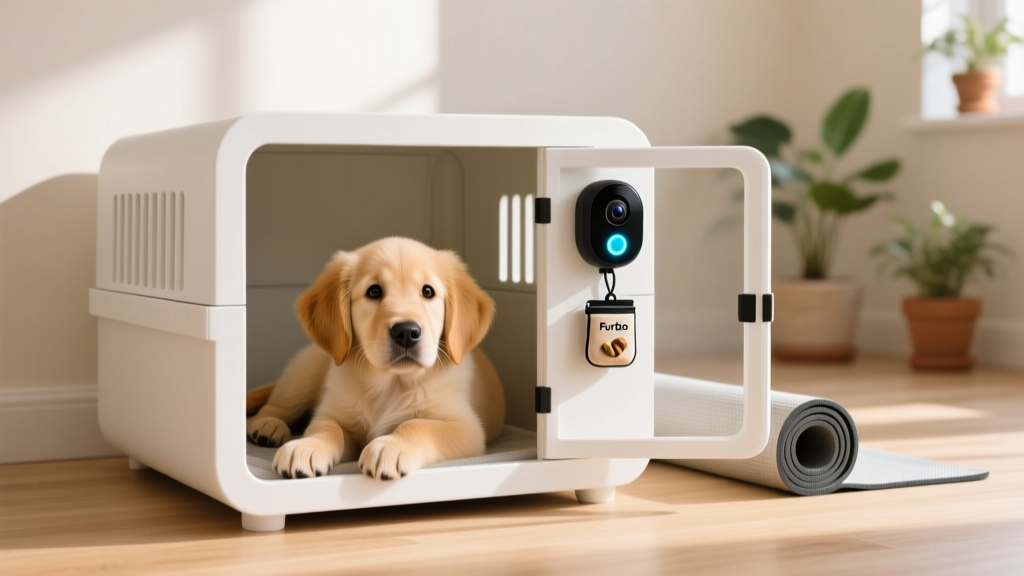
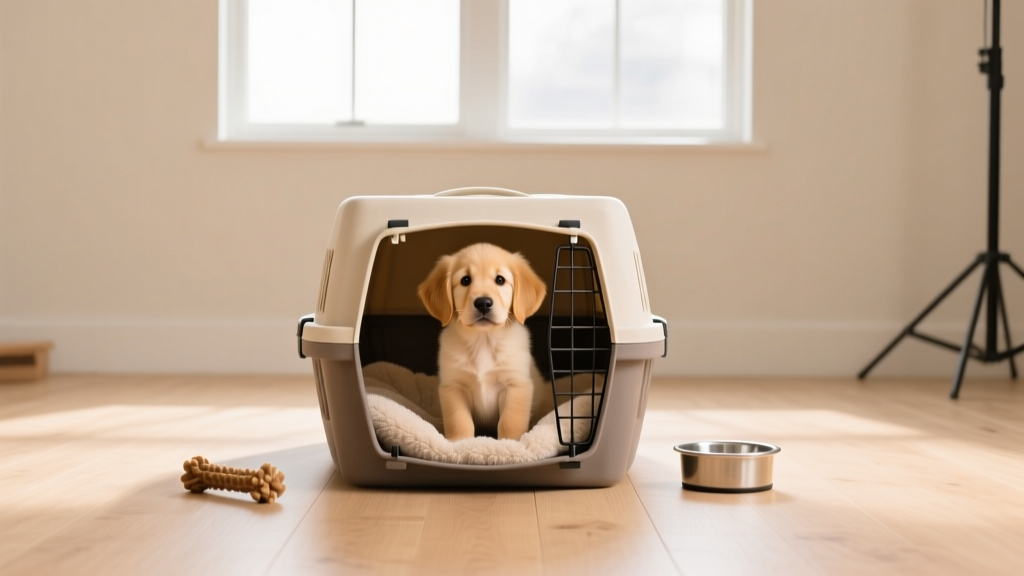
Cavaliers are companion dogs who thrive on proximity. Crate training provides a safe den and supports house training, but this breed should never be crated for excessive periods. Use a crate sized for your puppy's projected adult dimensions (approximately 24" x 18" x 21" for most Cavaliers) with a divider panel to reduce space as they grow.
| Age | Maximum Crate Time (Day) | Maximum Crate Time (Night) | Notes |
|---|---|---|---|
| 8-10 weeks | 1-2 hours | 3-4 hours (set alarm for potty break) | Crate near your bed; whining is expected |
| 10-14 weeks | 2-3 hours | 4-5 hours | Begin moving crate to desired permanent location |
| 3-6 months | 3-4 hours | 6-7 hours | Should sleep through the night consistently |
| 6+ months | 4-5 hours | 8 hours | Consider dog walker for midday breaks if working |
Cavaliers are prone to separation anxiety. Never use the crate as punishment. Make it positive: feed meals inside, provide a stuffed Kong or lick mat, and practice short departures without fanfare. If your puppy whines after being settled for 10+ minutes, they likely need a potty break — take them out calmly, then return to crate.
Teething Timeline and Relief Strategies
Cavalier puppies begin losing deciduous teeth around 12-16 weeks, with all 42 adult teeth typically erupted by 6-7 months. During this period, expect increased chewing, mild gum bleeding, drooling, and occasional appetite changes. Provide appropriate outlets to protect your belongings and your puppy's developing jaw.
Safe chew recommendations for Cavalier puppies:
- Frozen washcloth: Wet a clean washcloth, twist into a rope, and freeze. Supervise use and remove when shredded.
- Rubber chew toys: Kong Classic (puppy size, pink/blue rubber) stuffed with peanut butter (xylitol-free) and frozen.
- Nylabone Puppy Chew: Specifically the puppy-formulated version (softer than adult versions).
- Bully sticks: Supervised only; remove when small enough to swallow whole.
Avoid: Rawhide (choking and blockage risk), cooked bones (splinter hazard), antlers (tooth fracture risk in small breeds), and any chew harder than your thumbnail. If you can't indent the chew with your fingernail, it's too hard for a puppy's developing teeth.
Common Cavalier Puppy Problems and Solutions
Puppy Biting and Nipping
How do I stop puppy biting/nipping? All puppies mouth and bite — it's normal exploration and teething behavior. Cavaliers tend to be softer-mouthed than many breeds, but nipping still needs management:
- Redirect: When teeth touch skin, say "ouch" in a calm tone and immediately offer a chew toy. Reward chewing the toy with praise.
- Time-outs: If redirecting fails, calmly leave the room for 30-60 seconds. This teaches that biting ends play.
- Manage arousal: Puppies bite most when overtired or overstimulated. If nipping escalates, your puppy likely needs a nap — enforce crate rest.
- Never: Use physical punishment, muzzle-holding, or alpha rolls. These damage trust and can increase fear-based biting.
Whining and Crying (Especially at Night)
Cavaliers are intensely social and will vocalize when separated from you during the adjustment period. Nighttime whining typically resolves within 1-2 weeks with consistent crate training. During the day, whining often signals a need (potty, hunger, overstimulation) or an attempt to solicit attention. Meet genuine needs promptly; ignore attention-seeking whining once you've confirmed no physical need exists.
Destructive Chewing
Peak chewing occurs during teething (3-6 months) and again during adolescence (6-10 months). Puppy-proof your home by removing accessible shoes, cords, and small objects. Provide 5-10 approved chew options in rotation to maintain novelty. Cavaliers are not typically heavy chewers compared to retrievers or shepherds, but unsupervised access to tempting items will still result in damage.
First-Year Cost Breakdown for a Cavalier King Charles Spaniel
Budgeting accurately helps avoid surprises. The following ranges reflect 2026 US pricing and assume a generally healthy puppy from a responsible breeder.
| Category | Low Estimate | High Estimate | Notes |
|---|---|---|---|
| Puppy purchase price | $2,500 | $5,000+ | Health-tested, AKC-registered breeders; rescue fees $300-$600 |
| Veterinary care (vaccines, exams, spay/neuter) | $800 | $1,500 | Includes heartworm test, fecal exams, microchip |
| Food (quality puppy formula) | $400 | $700 | Premium brands; Cavaliers eat relatively little |
| Supplies (crate, bed, leash, bowls, toys) | $300 | $600 | Higher end includes grooming tools |
| Training (puppy class, positive reinforcement) | $200 | $500 | Group classes; private sessions cost more |
| Pet insurance (annual premium) | $500 | $900 | Strongly recommended for Cavaliers due to MVD risk |
| Grooming | $200 | $500 | Cavaliers need regular brushing; professional grooming optional |
| Emergency fund buffer | $500 | $2,000 | Set aside for unexpected illness or injury |
| First-Year Total (excluding purchase) | $2,900 | $6,700 | Varies significantly by region and choices |
Critical health consideration: Cavaliers have one of the highest rates of early-onset mitral valve disease among all breeds — over 50% develop a heart murmur by age 5, according to the Merck Veterinary Manual. Pet insurance purchased before any diagnosis is the most cost-effective way to manage this risk. Look for policies that cover hereditary conditions without breed-specific exclusions.
Frequently Asked Questions
When should I bring my Cavalier puppy home?
No earlier than 8 weeks, with 10-12 weeks being ideal. Responsible breeders of Cavaliers often keep puppies longer because the breed benefits from extended littermate socialization. Any breeder offering puppies for sale before 8 weeks should be avoided.
How often should I feed my 10-week-old Cavalier puppy?
At 10 weeks, feed 3-4 meals per day, approximately ¼ cup of high-quality puppy kibble per meal. Monitor body condition weekly — you should feel ribs without pressing hard but not see them prominently.
When will my Cavalier be fully potty trained?
Most Cavaliers achieve reliable house training between 4-6 months, with occasional accidents possible until 8-10 months. Consistency in schedule and positive reinforcement for outdoor elimination are the most effective methods. Never punish accidents — this creates fear of eliminating in front of you.
What vaccines does my Cavalier puppy need and when?
Core vaccines include DHPP at 6-8, 10-12, and 14-16 weeks, plus rabies at 14-16 weeks. Bordetella is recommended if attending group puppy classes. Your veterinarian will tailor the schedule to your puppy's health status and local disease risks.
How do I stop my Cavalier puppy from biting?
Redirect biting to appropriate chew toys, use calm time-outs when biting persists, and ensure your puppy gets adequate sleep (overtired puppies bite more). Never use physical punishment. Most Cavaliers naturally reduce mouthing by 5-6 months as adult teeth come in and bite inhibition matures.
When can my Cavalier puppy go outside and meet other dogs?
Controlled socialization with known, vaccinated dogs in clean environments is safe from 8 weeks. Avoid dog parks, pet stores, and high-traffic dog areas until 2 weeks after the final DHPP vaccine (typically around 18 weeks of age). Carry your puppy in public for safe environmental exposure during this vulnerable period.
Marcus Aldridge
All our authors care for dogs every day — read more of their work on the authors page.