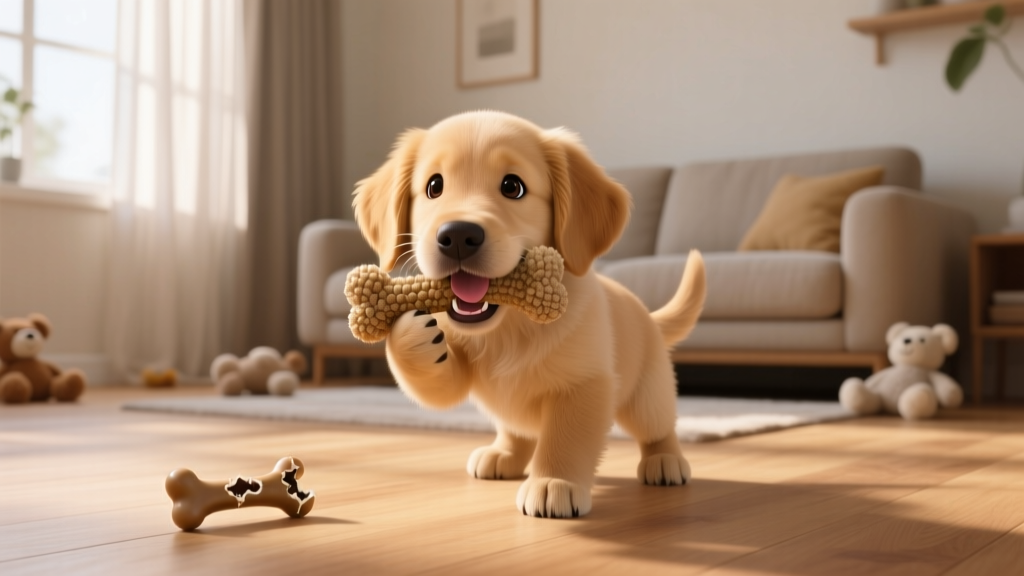
Carolina Dog Puppies: Complete Week-by-Week Puppy Care Guide
Everything you need to raise Carolina Dog puppies — milestones, feeding schedules, potty training timelines, vaccination plans, and first-year costs.

Bringing Home a Carolina Dog Puppy: What Makes This Breed Different
Carolina Dogs are unlike most domestic breeds you'll encounter. Often called the "American Dingo" or "Yellow Dog," these primitive pariah-type dogs descended from free-ranging canines that roamed the southeastern United States for thousands of years. Raising Carolina Dog puppies requires understanding that you're working with a breed that retains strong survival instincts, a pack-oriented social structure, and a wariness of strangers that sets them apart from typical companion breeds.
Unlike Labrador or Golden Retriever puppies who bond indiscriminately with everyone they meet, Carolina Dog puppies form deep, selective attachments. They're intelligent but independent thinkers — not dogs who live to please. This means your training approach, socialization strategy, and expectations need to be calibrated specifically for this breed's temperament.
The good news? Carolina Dogs are remarkably healthy, typically living 12-15 years with fewer inherited health problems than many purebreds. According to the American Kennel Club, which added the breed to its Foundation Stock Service in 2017 and the Miscellaneous Class thereafter, they're medium-sized dogs weighing 30-55 lb (14-25 kg) at maturity with a height of 17.75-19.5 inches (45-50 cm) at the shoulder.
Veterinary Disclaimer: This guide provides breed-specific educational information. Always consult your veterinarian for personalized advice on your puppy's health, nutrition, and vaccination protocol. Individual puppies may have unique needs based on their health status, genetics, and environment.
Carolina Dog Puppy Milestones: Week by Week
Understanding developmental windows is especially critical with Carolina Dogs because their primitive temperament means missed socialization opportunities can result in lasting fearfulness. Here's what to expect at each stage.
Weeks 4-8: The Breeder's Window
During this period, Carolina Dog puppies are still with their breeder or rescue foster. Key developments include:
- Week 4: Eyes and ears fully functional, puppies begin exploring beyond the whelping box. First tentative play-fighting emerges — important for learning bite inhibition with littermates.
- Week 5-6: Social hierarchy begins forming within the litter. Carolina Dog puppies at this stage show early signs of their characteristic pack behavior, often clustering together rather than exploring independently.
- Week 7-8: Fear imprinting period begins. Negative experiences during this window can create lasting phobias. This is why reputable Carolina Dog breeders expose puppies to varied surfaces (grass, gravel, tile), sounds (vacuum, doorbell, traffic), and gentle handling by multiple people.
- Weight at 8 weeks: Expect 8-12 lb (3.6-5.4 kg) depending on the puppy's projected adult size line.
Weeks 8-12: Home Adjustment and Bonding
This is when most Carolina Dog puppies go home. Expect the following:
- First 72 hours: Your puppy may be quiet, withdrawn, or reluctant to eat — this is normal for the breed. Carolina Dogs process new environments cautiously. Don't force interaction; let them approach you.
- Week 9-10: True personality emerges. You'll notice whether your puppy is bold, cautious, or moderate — and Carolina Dogs tend toward the cautious end compared to sporting breeds.
- Week 11-12: First real training sessions can begin. Keep them under 5 minutes. Carolina Dog puppies respond best to food motivation (small pieces of boiled chicken, freeze-dried liver) but may disengage if sessions feel repetitive.
- Sleep needs: 18-20 hours per day at this age. Enforce crate naps — overtired Carolina Dog puppies become mouthy and hyperactive.
Weeks 12-16: Confidence Building
- Socialization peak: This is the tail end of the critical socialization window (which closes around 14-16 weeks). Every positive experience now pays dividends for years.
- Vaccination milestone: Second round of DHPP typically given at this stage (see vaccination table below).
- Teething begins: Around 12-16 weeks, baby teeth start loosening. Expect increased chewing and occasional blood on toys.
- Potty training: Bladder control improves noticeably. Most Carolina Dog puppies at this age can hold it 2-3 hours during the day.
Weeks 16-24: The Adolescent Shift
- Week 16-20: Full set of adult teeth coming in. Chewing intensity peaks — protect furniture and provide appropriate outlets.
- Week 20-24: Independence streak emerges. Recall that was solid at 12 weeks may suddenly deteriorate. This is normal adolescent behavior, not regression — maintain training consistency.
- Fear period: A secondary fear period often occurs around 6-8 months. Your Carolina Dog puppy may suddenly react fearfully to things they previously tolerated (trash cans, hats, certain people). Stay calm, don't force exposure, and use treats to create positive associations.
Months 6-12: Approaching Maturity
- 6 months: Spay/neuter is typically performed around this age. Discuss timing with your vet — some large-breed protocols recommend waiting until 12-18 months, but Carolina Dogs are medium-sized and 6-9 months is generally appropriate.
- 8-10 months: Adult coat replaces puppy coat. The characteristic ginger/tan coloring deepens. Shedding increases.
- 10-12 months: Approaching adult size. Most Carolina Dogs reach their full height by 10-12 months but continue filling out in chest and muscle until 18-24 months.
- Energy level: Still high but more manageable. Expect 60-90 minutes of daily exercise at this age, split into multiple sessions.
Feeding Schedule for Carolina Dog Puppies
Carolina Dogs evolved as opportunistic feeders — they do well on consistent meal schedules and generally have good appetite regulation. However, puppy growth demands precise nutrition. Feed a high-quality, AAFCO-approved puppy food formulated for medium breeds (not large-breed formula, which restricts calories too much for their growth rate).
Recommended food profiles: Look for a guaranteed analysis showing minimum 22-28% protein, minimum 8-12% fat, with a named animal protein (chicken, lamb, fish) as the first ingredient. Brands like Purina Pro Plan Puppy, Royal Canin Medium Puppy, or Fromm Gold Puppy are solid mid-range options ($45-$70 for a 30 lb bag in 2026).
| Age | Expected Weight | Meals/Day | Daily Total (cups) | Per Meal |
|---|---|---|---|---|
| 8-12 weeks | 8-15 lb / 3.6-6.8 kg | 4 | 1.0-1.5 cups | ¼ - ⅜ cup |
| 3-4 months | 15-22 lb / 6.8-10 kg | 3 | 1.5-2.0 cups | ½ - ⅔ cup |
| 5-6 months | 22-35 lb / 10-16 kg | 3 | 2.0-2.5 cups | ⅔ - ¾ cup |
| 7-9 months | 35-45 lb / 16-20 kg | 2 | 2.0-2.75 cups | 1 - 1⅜ cups |
| 10-12 months | 40-55 lb / 18-25 kg | 2 | 2.25-3.0 cups | 1⅛ - 1½ cups |
Transitioning to adult food: Switch from puppy to adult formula around 12 months. Transition gradually over 7-10 days, mixing increasing proportions of adult food. Carolina Dogs can be sensitive to sudden diet changes — expect loose stools if you rush the transition.
Treats: Should not exceed 10% of daily caloric intake. For training, use pea-sized pieces — Carolina Dogs work efficiently for small, high-value rewards and don't need large treats.
Vaccination Schedule for Carolina Dog Puppies
Carolina Dogs receive the same core vaccination protocol as other breeds. Their robust genetic diversity (many lines still carry genes from free-ranging populations) generally means strong immune responses to vaccines. However, follow the standard schedule rather than attempting to "space out" vaccines — the AVMA vaccination guidelines are based on extensive immunological research.
| Age | Vaccine | What It Protects Against | Estimated Cost |
|---|---|---|---|
| 6-8 weeks | DHPP (1st dose) | Distemper, Hepatitis (Adenovirus), Parainfluenza, Parvovirus | $25-$40 |
| 10-12 weeks | DHPP (2nd dose) + Bordetella (optional) | Same as above; Bordetella for kennel cough if attending puppy classes | $30-$50 |
| 14-16 weeks | DHPP (3rd dose) + Rabies | Final DHPP booster; Rabies (legally required in all US states) | $40-$65 |
| 12-16 months | DHPP booster + Rabies booster | 1-year or 3-year boosters depending on your vet's protocol | $45-$75 |
Non-core vaccines to discuss with your vet: Leptospirosis (recommended if your Carolina Dog will hike near standing water or wildlife-heavy areas — a relevant concern given this breed's love of outdoor exploration), Lyme disease (if you live in tick-endemic regions), and Canine Influenza (if boarding frequently).
Deworming: Most puppies need deworming at 2, 4, 6, and 8 weeks (typically handled by the breeder), then a fecal test at your first vet visit with treatment as needed. Carolina Dogs from rescue or free-ranging backgrounds may have higher parasite loads — request a fecal flotation test at your first appointment.
Socialization: The Critical Window for Carolina Dog Puppies
This is arguably the most important section of this entire guide. Carolina Dogs have a narrower socialization window and stronger neophobia (fear of new things) than most domestic breeds. Research published in the Journal of Veterinary Behavior has shown that primitive and pariah-type dogs require more intensive, positive early exposure to prevent lifelong fear-based reactivity.
The primary socialization window runs from 3 to 14 weeks of age, with a secondary sensitive period extending to roughly 16 weeks. After this window closes, new experiences are processed through a fear-first lens rather than a curiosity-first lens.
Carolina Dog Puppy Socialization Checklist (Weeks 8-16)
Aim for 5-10 new positive experiences per week. Every item should be paired with high-value treats and zero forced exposure.
People (meet at least 15-20 different people):
- ☐ Children of various ages (supervised, calm interactions)
- ☐ People wearing hats, sunglasses, hoodies
- ☐ People of different ethnicities, heights, body types
- ☐ People using mobility aids (wheelchair, cane, walker)
- ☐ People with facial hair, long hair, shaved heads
- ☐ Veterinarian and vet tech (handle paws, ears, mouth gently)
Environments:
- ☐ Car rides (start with 5-minute trips, build to 20+ minutes)
- ☐ Parking lots (carried, not walking until fully vaccinated)
- ☐ Different floor surfaces: grass, gravel, sand, metal grates, wet pavement
- ☐ Stairs (up and down, with support)
- ☐ Indoor spaces: pet-friendly stores, friend's homes
- ☐ Grooming table or elevated surface (for future vet exams)
Sounds (play recordings at low volume, pair with treats):
- ☐ Thunderstorms, fireworks
- ☐ Vacuum cleaner, blender, hair dryer
- ☐ Doorbell, knocking
- ☐ Traffic, sirens, construction noise
- ☐ Other dogs barking
Other Animals (only with fully vaccinated, known-healthy dogs):
- ☐ Calm adult dogs of various sizes
- ☐ Other puppies in a structured puppy class (post second DHPP)
- ☐ Cats (if you have them — controlled, leashed introduction)
Handling Exercises (daily, 2-3 minutes):
- ☐ Touch and hold each paw for 5 seconds
- ☐ Look inside ears, lift ear flaps
- ☐ Open mouth, touch gums and teeth
- ☐ Touch tail, lift tail gently
- ☐ Brush with soft brush for 30 seconds
- ☐ Wipe with damp cloth (simulates bathing)
Carolina Dog-specific socialization note: This breed has a strong prey drive inherited from their free-ranging ancestors. Introduce them to small animals (cats, rabbits, chickens) carefully and always under supervision during puppyhood. Early positive exposure can reduce but may not eliminate prey drive — this is an instinct, not a training deficit.
Potty Training Your Carolina Dog Puppy
Carolina Dogs are naturally clean animals — their free-ranging heritage selected for dogs that eliminated away from their den area. This instinct actually works in your favor for potty training. Most Carolina Dog puppies achieve reliable house training between 4 and 6 months of age, though some individuals may take until 8 months, particularly males.
Realistic Timeline
- 8-12 weeks: Accidents every 1-2 days is normal. Take puppy out every 1-2 hours, immediately after meals, after naps, and after play sessions. Expect 6-8 outdoor trips per day.
- 3-4 months: Accidents drop to 1-2 per week if you're consistent. Puppy begins signaling (sniffing, circling, heading to door).
- 5-6 months: Most Carolina Dogs are reliably house trained during the day. Nighttime bladder control is established.
- 7-8 months: Fully reliable, including in new environments. Some males may begin marking — address immediately with interruption and redirection, never punishment.
Crate Training Progression
Crate training leverages the Carolina Dog's natural den instinct. This breed typically takes to crates more readily than open-concept confinement areas.
| Age | Maximum Crate Time (daytime) | Nighttime | Crate Size |
|---|---|---|---|
| 8-10 weeks | 1-2 hours max | 3-4 hours (set alarm for potty break) | 24" crate with divider |
| 11-14 weeks | 2-3 hours max | 5-6 hours | 24-30" crate with divider |
| 3-4 months | 3-4 hours max | 6-7 hours | 30" crate with divider |
| 5-6 months | 4-5 hours max | 7-8 hours | 36" crate (full size for most) |
| 7+ months | 5-6 hours max | 8 hours | 36" crate (42" for larger males) |
Crate recommendation: A 36-inch wire crate (such as the MidWest iCrate or Frisco Double Door) works for most adult Carolina Dogs. Use the included divider panel to reduce space during puppyhood — too much room allows them to eliminate in one corner and sleep in another. Budget $50-$80 for a quality crate.
Troubleshooting Common Potty Problems
Submissive urination: Common in Carolina Dog puppies when greeted excitedly. Solution: ignore the puppy for the first 2-3 minutes when you come home. Greet calmly, outside if possible. Never scold — this worsens the problem.
Marking behavior (usually males, 6+ months): Interrupt with a neutral "oops" and immediately take outside to finish. Neutering reduces but doesn't always eliminate marking. Use enzymatic cleaner (Nature's Miracle or Rocco & Roxie, $12-$18) on any indoor accidents — standard cleaners don't break down uric acid.
Regression at 6-8 months: Hormonal changes during adolescence can cause temporary setbacks. Return to a more frequent potty schedule for 2-3 weeks.
Teething, Chewing, and Puppy Biting: Breed-Specific Solutions
Carolina Dog puppies are notably mouthy — more so than many breeds. This stems from their evolutionary background: free-ranging puppies learned to process food, carry objects, and play-fight using their mouths from an early age. Expect significant mouthing behavior from 8 weeks through 6 months.
Teething Timeline
- 3-4 weeks: Deciduous (baby) teeth fully erupted — 28 teeth total.
- 12-16 weeks: Baby incisors begin falling out. You may find tiny teeth in bedding or toys. Drooling and gum sensitivity increase.
- 4-5 months: Canine teeth and premolars replacing baby versions. This is peak discomfort — puppies seek relief by chewing everything.
- 5-6 months: Adult molars erupting. Full adult dentition (42 teeth) should be in place by 6-7 months.
- 6-8 months: Vet should check for retained deciduous teeth at spay/neuter exam. Small breeds are more prone to this, but Carolina Dogs are not exempt — retained baby canines may need extraction ($150-$300 per tooth).
Safe Chew Recommendations
- Benebone Wishbone or Zaggler ($15-$22): Nylon chew toys flavored with bacon or chicken. Excellent for heavy chewers. Replace when worn down significantly.
- Kong Classic (medium, $12-$16): Fill with a mixture of plain yogurt, mashed banana, and kibble, then freeze. Provides 20-30 minutes of soothing, cold chewing.
- Bully sticks ($4-$8 each): Single-ingredient, fully digestible. Supervise use — remove when the piece becomes small enough to swallow whole. Limit to 1 per day to manage calorie intake.
- Frozen washcloth: Wet a clean washcloth, twist into a rope, and freeze. Free and effective. Supervise to prevent ingestion of fabric.
AVOID: Rawhide (choking and intestinal blockage risk), cooked bones (splinter into dangerous shards), antlers (too hard — risk of tooth fractures), and any toy smaller than your puppy's mouth.
Stopping Puppy Biting and Nipping
Carolina Dog puppies use their mouths to explore and communicate. Your goal isn't to eliminate mouthing entirely during puppyhood — it's to teach bite inhibition (soft mouth) and redirect to appropriate objects.
Step-by-step protocol:
- When teeth touch skin: Say "ouch" in a calm, slightly surprised tone (not a yell). Immediately withdraw attention — stand up, cross arms, look away for 10-15 seconds.
- Redirect: After the brief timeout, offer an appropriate chew toy. Praise calmly when they chew the toy.
- If biting persists: End the play session entirely. Leave the room for 30 seconds. Return and try again.
- Consistency: Every person in the household must follow the same protocol. Mixed signals (one person allows mouthing, another doesn't) confuse the puppy.
- Manage arousal: Overtired puppies bite more. If your Carolina Dog puppy becomes a land shark, they likely need a nap — enforce crate time.
Most Carolina Dog puppies show significant improvement in bite inhibition by 5-6 months as adult teeth come in and impulse control develops. If hard biting persists past 6 months, consult a certified professional dog trainer (CPDT-KA or IAABC certified, $75-$120 per session).
Common Carolina Dog Puppy Challenges and Solutions
Beyond standard puppy issues, Carolina Dogs present some breed-specific behavioral patterns that new owners should anticipate.
Stranger Wariness and "Shut Down" Behavior
Unlike a Golden Retriever puppy who wiggles with joy at every stranger, Carolina Dog puppies often freeze, retreat, or go "shut down" (still, avoiding eye contact, tense body) when approached by unfamiliar people. This is not shyness that they'll simply outgrow — it's a breed trait rooted in thousands of years of survival instinct.
Solution: Never force a stranger to pet your puppy. Instead, have strangers toss treats on the ground near the puppy without making eye contact or reaching toward them. Let the puppy choose to approach. Over weeks and months, most Carolina Dogs learn to accept strangers calmly, even if they never become gregarious.
Escape Artistry and Roaming Instinct
Carolina Dogs have an exceptionally strong roaming drive. Even as puppies, they'll test fence boundaries, dig under barriers, and bolt through open doors. This is one of the most common reasons Carolina Dogs end up in shelters.
Solutions:
- Install a 6-foot fence minimum. Add a dig-proof barrier (hardware cloth buried 12 inches deep or an L-footer along the fence base).
- Never leave a Carolina Dog puppy unattended in a yard — even briefly.
- Teach a solid "wait" at doors from week one. Always leash before opening exterior doors.
- Microchip your puppy at 8-12 weeks ($25-$50, often included in first vet visit) and register the chip immediately. Use a breakaway collar with ID tags, but rely on the microchip as primary identification — collars can slip off.
Separation Distress
Carolina Dogs are intensely pack-oriented. Puppies left alone for long periods without gradual acclimation can develop separation anxiety faster than many breeds.
Prevention protocol:
- Start with 5-minute absences in week one, building by 5-10 minutes per day.
- Never make departures or arrivals emotional — keep them low-key.
- Provide a food-stuffed Kong or snuffle mat when leaving to create a positive association.
- If distress vocalization persists beyond 20 minutes after departure at 4+ months, consult a certified behavior consultant. Early intervention prevents full-blown separation anxiety.
When Can Your Carolina Dog Puppy Go Outside and Meet Other Dogs?
This is one of the most common questions new owners ask, and the answer requires balancing disease risk against the closing socialization window.
The standard veterinary guidance (supported by the AVMA and most veterinary schools) is that puppies should not visit public areas where unknown dogs have been — parks, pet stores, sidewalks in high-traffic dog areas — until at least 7 days after their final DHPP vaccine at 14-16 weeks. This means roughly 17 weeks of age for full public access.
However, the socialization window closes around 14-16 weeks, creating a conflict. Here's how to navigate it:
- Weeks 8-12: Carry your puppy in a sling or carrier to expose them to outdoor sights and sounds without paw-to-ground contact in public areas. Visit friends' homes where you know all dogs are fully vaccinated.
- Weeks 10-16: Enroll in a structured puppy kindergarten class. Reputable classes require proof of at least the first DHPP vaccine and maintain sanitized facilities. The American Veterinary Society of Animal Behavior explicitly recommends puppy classes before full vaccination because the behavioral benefits outweigh the disease risk in controlled settings.
- Week 17+: After the final DHPP plus 7 days, your puppy can safely visit dog parks, hiking trails, pet-friendly stores, and other public areas. Continue building positive experiences — the learning doesn't stop at 16 weeks.
Safe early socialization locations (pre-full vaccination):
- Your own yard (if no unknown dogs have access)
- Homes of friends/family with known-vaccinated dogs
- Structured puppy classes (verify requirements with the instructor)
- Outdoor cafés (carried, not on ground)
- Your car (parked in busy areas for exposure to sights and sounds)
First-Year Cost Breakdown for a Carolina Dog Puppy
Budgeting accurately prevents sticker shock and ensures you can provide consistent care. The following reflects 2026 pricing ranges for a medium-sized dog in the United States.
| Category | Item | Cost Range |
|---|---|---|
| Acquisition | Puppy from responsible breeder (health-tested parents, take-back clause) | $500-$1,500 |
| OR Adoption from rescue/shelter | $150-$400 | |
| Veterinary | Initial exam + first vaccines + fecal test | $150-$250 |
| Remaining vaccine series (2-3 visits) | $100-$200 | |
| Spay/neuter | $300-$600 | |
| Heartworm test + prevention (12 months) | $80-$150 | |
| Flea/tick prevention (12 months) | $120-$200 | |
| Microchip + registration | $25-$50 | |
| Food & Treats | Puppy food (12 months supply, transitioning to adult) | $350-$550 |
| Training treats + chews | $100-$180 | |
| Supplies | Crate (36" with divider) | $50-$80 |
| Leash, harness, collar, ID tags | $40-$80 | |
| Toys, chews, puzzle feeders | $60-$120 | |
| Bed, bowls, grooming supplies, enzymatic cleaner | $60-$100 | |
| Training | Puppy kindergarten class (6-8 weeks) | $150-$250 |
| Basic manners class or private sessions | $150-$400 | |
| Total First-Year Estimate | $1,735-$4,010 | |
Ongoing annual costs (year 2+): Budget $1,200-$2,000 per year for food, preventive medications, annual vet exams, and supplies.
Emergency fund recommendation: Set aside $1,000-$2,000 for unexpected veterinary costs (foreign body ingestion, injuries, illness). Pet insurance for a Carolina Dog puppy typically runs $35-$55/month with a $250 deductible — consider enrolling early before any pre-existing conditions develop. Companies like Trupanion, Healthy Paws, and Lemonade offer puppy plans.
Frequently Asked Questions About Carolina Dog Puppies
When should I bring my Carolina Dog puppy home?
The ideal age is 8-10 weeks. Some Carolina Dog breeders prefer to keep puppies until 10 weeks because the extra time with littermates helps develop bite inhibition and social skills in this naturally cautious breed. Never take a puppy before 8 weeks — the critical littermate socialization period isn't complete. If adopting from a rescue, take the puppy home as soon as they're cleared for adoption (usually 8+ weeks with first vaccine administered).
How often should I feed my puppy at each age?
Feed 4 meals per day from 8-12 weeks, 3 meals per day from 3-6 months, and 2 meals per day from 6 months onward. Carolina Dogs do best on a consistent schedule — feed at the same times daily (e.g., 7am, 12pm, 5pm, 9pm for four meals). Remove uneaten food after 15-20 minutes to establish meal-time eating habits rather than grazing.
When will my Carolina Dog puppy be fully potty trained?
Most Carolina Dogs achieve reliable daytime house training between 4 and 6 months. Nighttime reliability usually comes slightly earlier, around 4-5 months, as long as you've maintained a consistent schedule and appropriate crate training. Males may take slightly longer and may begin marking behavior around 6-8 months that requires additional management. If your puppy isn't showing clear progress by 5 months, consult your vet to rule out urinary tract infections or anatomical issues.
What vaccines does my Carolina Dog puppy need and when?
The core protocol is DHPP (Distemper, Hepatitis/Adenovirus, Parainfluenza, Parvovirus) given as a series at 6-8 weeks, 10-12 weeks, and 14-16 weeks, plus a Rabies vaccine at 14-16 weeks (timing varies slightly by state law). Non-core vaccines like Bordetella, Leptospirosis, and Lyme are recommended based on your puppy's lifestyle and local disease prevalence. Your veterinarian will tailor the protocol to your specific situation.
How do I stop my Carolina Dog puppy from biting and nipping?
Use the redirect-and-withdraw method: when teeth touch skin, say "ouch" calmly, withdraw attention for 10-15 seconds, then offer an appropriate chew toy. If biting continues, end the play session entirely. Manage your puppy's arousal level — overtired puppies bite more, so enforce regular crate naps (18-20 hours of sleep per day for young puppies). Consistency across all household members is essential. Expect gradual improvement over weeks, not overnight results. Most Carolina Dogs develop reliable bite inhibition by 5-6 months.
When can my puppy go outside and meet other dogs?
Your puppy can go into your own yard immediately (assuming no unknown dogs access it). For public areas, wait until 7 days after the final DHPP vaccine at 14-16 weeks (approximately 17 weeks of age). However, structured puppy classes with vaccinated peers can begin after the first DHPP (around 8-10 weeks) — the behavioral benefits of early socialization outweigh the controlled disease risk. Carry your puppy in public areas before full vaccination to expose them to sights and sounds safely.
Are Carolina Dogs good with children?
Carolina Dogs can be excellent family dogs, but they're best suited to homes with children aged 8 and older who understand calm, respectful interaction. The breed's startle reflex and wariness of sudden movements make them less ideal for toddlers who grab, hug tightly, or scream. Always supervise all interactions between any puppy and children, and teach children to let the puppy approach them rather than chasing or cornering the dog.
Do Carolina Dog puppies need a lot of exercise?
Exercise should be age-appropriate to protect developing joints. A common guideline is 5 minutes of structured exercise per month of age, twice daily — so an 8-week-old puppy gets about 10-minute walks, a 4-month-old gets 20-minute walks. Free play in a fenced yard doesn't count toward this limit. Avoid forced running, jumping from heights, or long hikes until growth plates close around 12-14 months. Mental exercise (puzzle feeders, training sessions, scent games) is just as tiring and can supplement physical activity.
A Final Note on Breed-Specific Legislation: While Carolina Dogs are not typically subject to breed-specific legislation (BSL), their appearance — particularly the ginger/tan coat and pricked ears — can sometimes be mistaken for breeds that are restricted in certain jurisdictions. If you live in an area with BSL, keep your dog's registration and breed documentation accessible. Check your local ordinances before moving or traveling with your dog.
Raising a Carolina Dog puppy is a rewarding experience that requires patience, consistency, and respect for the breed's unique heritage. These dogs aren't for everyone — they demand more socialization effort than a typical companion breed and will never be the life-of-the-party dog that loves every stranger. But for owners who appreciate their intelligence, loyalty, and wild beauty, a well-raised Carolina Dog becomes a deeply bonded companion unlike any other.
Robin Maitland
All our authors care for dogs every day — read more of their work on the authors page.