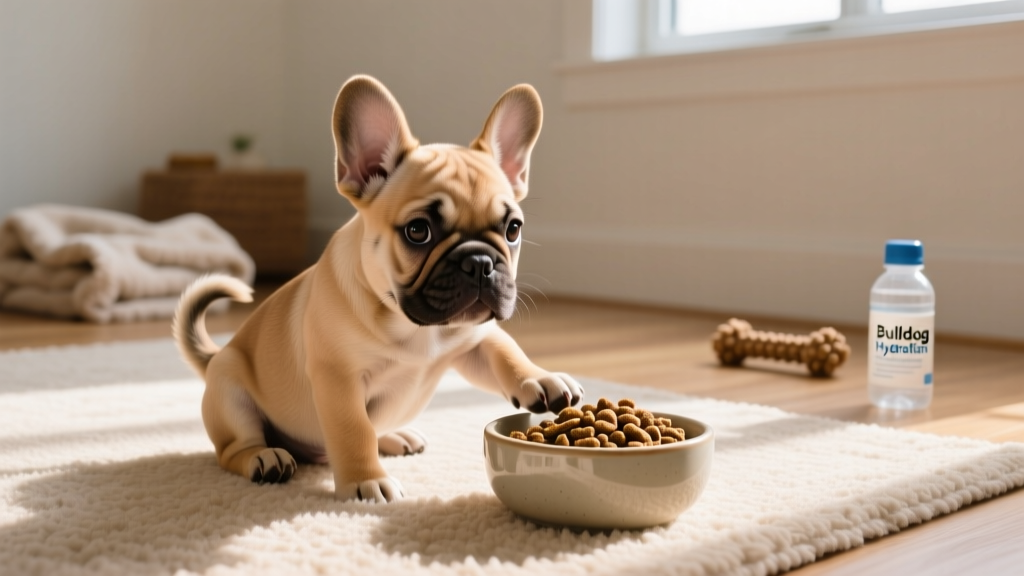
Can Puppies Eat Peas? A Complete Puppy Feeding & Care Guide by Age
Can puppies eat peas safely? Learn age-specific feeding portions, vaccination schedules, potty training timelines, and milestone-by-milestone puppy care.

Bringing a puppy home is one of the most exciting milestones in a dog owner's life — and one of the most overwhelming. Between decoding vaccination schedules, managing teething tantrums, and figuring out exactly what your growing pup can and cannot eat, the questions pile up fast. One of the most common we hear: can puppies eat peas?
The short answer is yes — peas are safe, nutritious, and an excellent low-calorie training treat for puppies when prepared correctly. But knowing when to introduce them, how much to serve, and how peas fit into a broader age-appropriate feeding plan is where most new puppy parents stumble.
This guide walks you through every critical stage of puppy development — from the moment you bring your pup home at 8 weeks through their first year — with exact feeding schedules, vaccination timelines, potty training expectations, and practical solutions to the most common puppy problems. Think of it as your week-by-week roadmap.
When Should I Bring My Puppy Home?
The American Kennel Club and most veterinary behaviorists agree: 8 weeks is the minimum appropriate age to bring a puppy into a new home. Here's why that window matters:
- Weeks 4–8 (still with breeder/litter): Puppies learn bite inhibition, canine social cues, and basic emotional regulation from their mother and littermates. Removing a puppy before 7 weeks significantly increases the risk of fear-based behaviors, resource guarding, and difficulty settling.
- Weeks 8–12 (prime bonding period): This is when puppies form strong attachments to their human family. They're curious, adaptable, and highly receptive to new experiences.
- Weeks 3–14 (critical socialization window): According to the AVMA, this is the developmental period during which puppies are most open to accepting new people, animals, environments, and stimuli. Missing this window doesn't mean your dog is doomed — but it does mean you'll need to work harder on confidence-building later.
Can Puppies Eat Peas? Safe Feeding by Age and Weight
Peas — including green peas, snow peas, and sugar snap peas — are non-toxic to dogs and provide fiber, vitamins A, B, and K, and plant-based protein. They're a staple in many commercial puppy foods for good reason. But introducing them as a whole food requires age-appropriate preparation.
Safe Pea Serving Sizes by Puppy Weight
| Puppy Weight | Max Peas Per Day | Preparation | Minimum Age |
|---|---|---|---|
| 5–10 lb (2.3–4.5 kg) | 1 teaspoon (about 5–8 peas) | Cooked, mashed or split | 10 weeks |
| 10–25 lb (4.5–11.3 kg) | 1 tablespoon (about 12–15 peas) | Cooked, slightly mashed | 10 weeks |
| 25–50 lb (11.3–22.7 kg) | 2 tablespoons (about 25–30 peas) | Cooked, whole or lightly crushed | 10 weeks |
| 50+ lb (22.7+ kg) | 3 tablespoons (about 40–45 peas) | Cooked, whole | 10 weeks |
Why wait until 10 weeks? Before this age, a puppy's digestive system is still adjusting to solid food after weaning. Introducing novel whole foods too early can cause gas, loose stools, or food aversions. Stick to your vet-recommended puppy kibble as the primary nutrition source until at least 12 weeks, then begin adding single-ingredient foods one at a time.
Complete Puppy Feeding Schedule by Age
| Age | Meals Per Day | Daily Kibble Amount (approx.)* | Treats/Extras |
|---|---|---|---|
| 8–12 weeks | 4 meals | ½–1 cup (small breeds) / 1–2 cups (large breeds) | Training kibble only |
| 12–16 weeks | 3 meals | ¾–1¼ cups (small) / 1½–3 cups (large) | Introduce single veggies (peas, carrots) |
| 16–24 weeks | 3 meals | 1–1½ cups (small) / 2–4 cups (large) | Peas, blueberries, small apple pieces |
| 6–12 months | 2 meals | Varies by breed — follow bag guidelines | Wider variety; treats ≤10% of daily calories |
*Amounts are approximate and vary significantly by breed, activity level, and specific food caloric density. Always check the feeding chart on your puppy food bag and consult your veterinarian for breed-specific guidance. A 10 lb (4.5 kg) Cavalier King Charles Spaniel puppy has very different caloric needs than a 10 lb Great Dane puppy.
Puppy Milestone Timeline: Weeks 4 Through 12 Months
Understanding what's developmentally normal at each stage helps you set realistic expectations — and recognize when something might need professional attention.
Weeks 4–8 (With Breeder or Foster)
This is the transitional period. Puppies' eyes and ears are fully open, deciduous (baby) teeth are erupting, and they're learning to eat solid food. Social play with littermates peaks. Responsible breeders begin early neurological stimulation (ENS) and introduce novel surfaces, sounds, and gentle handling during this window.
Weeks 8–12 (Homecoming & Bonding)
Your puppy is in what behaviorists call the "human socialization period." They're forming attachments and learning that new things are safe — or not. Everything you introduce now shapes their baseline confidence. Expect:
- Frequent naps (18–20 hours of sleep per day is normal)
- Mouthing and gentle nipping during play
- Short attention spans (training sessions: 3–5 minutes max)
- Accidents every 1–2 hours if not supervised
Weeks 12–16 (Growing Confidence)
Puppies begin testing boundaries and showing more independence. Fear periods can emerge around 12 weeks — your puppy may suddenly seem startled by things they previously ignored (a garbage can, a hat, a shadow). Don't force exposure; let them investigate at their own pace while pairing the scary thing with high-value treats.
Weeks 16–24 (The Teenage Phase Begins)
This is where many owners feel like their puppy "regressed." Previously reliable behaviors may disappear. Your puppy is gaining physical coordination, losing baby teeth, and experiencing hormonal changes (if not yet spayed/neutered). Consistency and patience are everything here.
6–12 Months (Adolescence)
Adolescent dogs are physically capable but mentally still immature. Large and giant breeds may not reach full emotional maturity until 2–3 years. Continue structured training, maintain routines, and resist the urge to give your teenager too much freedom too soon — this is the age when most dogs are surrendered to shelters due to "unmanageable" behavior that is actually just normal adolescence.
Vaccination Schedule: What Your Puppy Needs and When
Vaccination is non-negotiable for puppy health. The AVMA recommends core vaccines for all puppies, with timing based on maternal antibody waning. Here's the standard schedule your veterinarian will follow:
| Age | Vaccine | What It Protects Against | Typical Cost (per visit) |
|---|---|---|---|
| 6–8 weeks | DHPP (1st dose) | Distemper, Hepatitis (Adenovirus), Parainfluenza, Parvovirus | $75–$120 |
| 10–12 weeks | DHPP (2nd dose) + Bordetella | Same as above + Kennel Cough | $85–$140 |
| 14–16 weeks | DHPP (3rd dose) + Rabies | Same as above + Rabies (legally required) | $90–$160 |
| 12–16 months | DHPP booster + Rabies booster | Maintenance immunity | $80–$130 |
Non-core vaccines your vet may recommend based on lifestyle: Leptospirosis (urban/suburban dogs near wildlife), Lyme disease (tick-endemic areas), and Canine Influenza (dogs in boarding/daycare). Discuss these at your 10-week visit.
Potty Training: Realistic Timelines and a Log Template
Let's set expectations early: most puppies are not reliably house-trained until 4–6 months of age. Small breeds often take longer (6–8 months) due to smaller bladders and higher metabolisms. Any source promising "potty training in 3 days" is setting you up for frustration.
Age-Based Bladder Capacity
A general guideline: puppies can hold their bladder for approximately one hour per month of age, plus one hour. So:
- 8-week-old (2 months): 2–3 hours maximum
- 12-week-old (3 months): 3–4 hours maximum
- 16-week-old (4 months): 4–5 hours maximum
- 6-month-old: 6–7 hours maximum
These are maximums — not targets. Take your puppy out far more frequently than these limits to prevent accidents.
Sample Potty Training Log Template
| Time | Activity | Went Outside? | Result | Notes |
|---|---|---|---|---|
| 7:00 AM | Wake up → immediately outside | Yes | Pee + poop | Reward: small pea-sized treat + verbal praise |
| 7:30 AM | After breakfast (15–20 min later) | Yes | Pee | |
| 8:30 AM | After play session | Yes | Nothing | Back inside, crate for 20 min, try again |
| 9:00 AM | After crate time | Yes | Pee |
Troubleshooting common potty training problems:
- Frequent accidents at night: Remove water 2 hours before bedtime. Set a 2 AM alarm for puppies under 12 weeks. This is exhausting but temporary.
- Peeing when greeting (submissive urination): This is involuntary and common in young dogs. Ignore the puppy for the first 30 seconds when you come home. Greet calmly at their level. Never scold — it makes it worse.
- Going inside right after coming in: Your puppy may not understand what you want. Go to the same spot every time. Use a consistent cue word ("go potty"). Wait up to 5 minutes. Reward immediately — not when you get back inside.
Socialization Window: Your Weeks 3–14 Exposure Checklist
The socialization window closes faster than most owners realize. By 14 weeks, your puppy's openness to novel experiences begins to decline. This doesn't mean socialization stops — it means the quality and intensity of early exposure matters enormously.
Weekly Socialization Checklist (Weeks 8–14)
Aim to check off 3–5 new items per week. Every positive experience should be paired with treats and praise. If your puppy shows fear, increase distance and reduce intensity — never force interaction.
- People: Men with beards, people wearing hats/sunglasses, children (supervised), people in wheelchairs, people of different heights and body types, delivery drivers
- Surfaces: Grass, gravel, metal grates, wet pavement, slippery floors, tarps, bubble wrap
- Sounds: Vacuum cleaner (start in another room), thunderstorm recordings (low volume + treats), doorbell, traffic noise, clapping, power tools at a distance
- Handling: Paw touching, ear examination, mouth opening, nail clipping practice (no cutting needed), gentle restraint, towel wrapping
- Other animals: Fully vaccinated, calm adult dogs (one at a time); cats (if household has them); livestock from a safe distance
- Environments: Car rides (short, to fun destinations), outdoor café patios, hardware stores (if dog-friendly), friend's houses, groomer visits ("happy visits" with no procedures)
Crate Training Progression and Time Limits
A crate is not a punishment tool — it's a den, a safe space, and your most effective house-training ally. Done correctly, crate training gives your puppy a place to decompress and prevents unsupervised destruction. Done poorly, it creates anxiety and undermines trust.
Crate Time Limits by Age
| Puppy Age | Max Daytime Crate Duration | Overnight | Notes |
|---|---|---|---|
| 8–10 weeks | 30–60 minutes | 2–3 hours (then potty break) | Crate beside your bed; expect whining |
| 10–14 weeks | 1–2 hours | 3–4 hours | Begin moving crate to permanent location |
| 14–18 weeks | 2–3 hours | 4–6 hours | Most puppies can sleep through the night now |
| 4–6 months | 3–4 hours | 6–8 hours | Transition to pen or puppy-proofed room for longer absences |
| 6–12 months | 4–5 hours | 7–8 hours | Begin testing freedom with short unsupervised periods |
Crate training steps:
- Leave the crate open with a soft blanket and a stuffed Kong inside. Let your puppy explore freely for 2–3 days.
- Begin feeding meals near, then inside, the crate. Close the door during meals, open immediately after.
- Close the door for 5 minutes while you sit nearby. Gradually increase duration and distance.
- Leave the room for 1 minute, return before your puppy whines. Build up slowly.
- Begin short absences (5–10 minutes). Return calmly — no big greetings.
Teething Timeline and Relief Strategies (3–6 Months)
Puppies have 28 deciduous teeth that begin erupting at 3–4 weeks and are fully in by 6–8 weeks. Starting around 12–16 weeks, those baby teeth begin falling out as 42 permanent teeth push through. This process is typically complete by 6–7 months.
Signs your puppy is teething:
- Increased chewing on everything (furniture, shoes, your hands)
- Drooling more than usual
- Small spots of blood on chew toys (normal)
- Reluctance to eat hard kibble for a day or two
- Finding tiny teeth on the floor (many puppies swallow them — also normal)
Safe Teething Relief Options
- Frozen wet washcloth: Soak a clean washcloth in water or low-sodium chicken broth, twist into a rope, and freeze. The cold numbs sore gums. Supervise to prevent swallowing fabric.
- Kong Classic (puppy size): Fill with a mixture of plain yogurt and mashed peas or banana, then freeze. Provides 20–30 minutes of soothing enrichment.
- Benebone Puppy or Nylabone Puppy: Designed specifically for deciduous teeth — softer than adult versions. Choose the size appropriate for your puppy's current weight.
- Carrot sticks (frozen): A whole frozen carrot is a cheap, safe, edible chew for puppies over 12 weeks. Supervise and remove once it's small enough to swallow whole.
Common Puppy Problems and Solutions
Puppy Biting and Nipping
This is the number one complaint from new puppy owners, and it's completely normal. Puppies explore the world with their mouths, and they haven't yet learned that human skin is off-limits. Here's how to manage it:
- Redirect: When teeth touch skin, say "ouch" in a calm, slightly surprised tone (not a yell), then immediately offer a chew toy. Reward chewing the toy enthusiastically.
- Time-outs: If redirection fails after 2–3 attempts, calmly stand up and leave the play area for 15–30 seconds. This teaches that biting ends fun. Return and resume play.
- Antecedent management: Puppies bite most when overtired, overstimulated, or hungry. If nipping escalates, your puppy probably needs a nap — not more training. Enforce a crate nap.
- Never: Hold your puppy's mouth shut, alpha roll them, or use physical punishment. These methods damage trust and can create fear-based aggression. The American Veterinary Society of Animal Behavior explicitly advises against aversive training methods.
Nighttime Whining in the Crate
Expect 1–3 weeks of adjustment. Strategies that work:
- Place the crate next to your bed for the first 2 weeks so your puppy can hear and smell you.
- Use a Snuggle Puppy (a plush toy with a warming pack and simulated heartbeat) — many owners report this cuts whining by 50% or more.
- Take your puppy out for a potty break right before bed and once during the night (set an alarm for 2–3 AM for puppies under 12 weeks).
- If you've ruled out a potty need and your puppy is still whining, wait 5–10 minutes before responding. Gradually extend this interval. If you respond immediately every time, you teach that whining summons you.
Destructive Chewing
Puppies chew because they're teething, bored, or anxious. Management is more effective than correction:
- Puppy-proof your home: shoes in closets, cords behind furniture, remote controls in drawers.
- Provide 5–7 approved chew toys of varying textures. Rotate them every 3 days to maintain novelty.
- Use bitter apple spray on furniture legs and baseboards as a deterrent while your puppy learns boundaries.
- Ensure adequate physical exercise AND mental enrichment — a 15-minute sniff walk tires a puppy more than 30 minutes of leash walking in a straight line.
First-Year Cost Breakdown: What to Budget
New puppy owners consistently underestimate first-year costs. Here's a realistic breakdown based on 2026 pricing for a medium-sized dog (30–50 lb / 13.6–22.7 kg):
| Category | Low Estimate | Mid Estimate | High Estimate |
|---|---|---|---|
| Puppy purchase/adoption fee | $200 (rescue) | $1,500 (responsible breeder) | $3,500+ (popular breeds) |
| Initial vet visits (vaccines, exams, fecal tests) | $300 | $500 | $750 |
| Spay/neuter surgery | $250 | $500 | $800 |
| Puppy food (12 months) | $300 | $500 | $800 |
| Supplies (crate, bed, bowls, leash, collar, toys, gates) | $200 | $400 | $700 |
| Training classes (puppy kindergarten + basic obedience) | $150 | $350 | $600 |
| Preventive medications (flea/tick, heartworm — 12 months) | $200 | $350 | $500 |
| Microchip + registration | $25 | $50 | $75 |
| Pet insurance (12 months, accident + illness) | $420 | $600 | $900 |
| Emergency fund buffer | $0 | $500 | $2,000 |
Realistic first-year total: $2,045–$10,625 depending on breed source, location, and whether emergencies arise. The single biggest variable is the puppy's purchase price; ongoing care costs are more predictable.
Frequently Asked Questions
Can puppies eat peas every day?
Yes, in the serving sizes outlined above. Peas should be a supplement or treat, not a meal replacement. Treats and extras (including peas) should never exceed 10% of your puppy's total daily caloric intake. The remaining 90% should come from a complete-and-balanced, AAFCO-approved puppy food.
How often should I feed my puppy at 10 weeks old?
Four meals per day, spaced roughly 4 hours apart during waking hours. A sample schedule: 7 AM, 11 AM, 3 PM, 7 PM. Consistent meal timing also makes potty training more predictable — puppies typically need to eliminate 15–30 minutes after eating.
When will my puppy be fully potty trained?
Most puppies achieve reliable house training between 4–6 months of age, though small breeds may take until 8 months. "Reliable" means fewer than one accident per month. If your puppy is having multiple accidents daily past 6 months, consult your veterinarian to rule out urinary tract infections or anatomical issues before assuming it's a training problem.
Can puppies eat frozen peas?
Frozen peas are safe and can be a refreshing treat, especially during teething. However, for puppies under 16 weeks, thaw and lightly mash them to reduce choking risk. Older puppies can eat frozen peas whole — many enjoy them as crunchy training rewards.
What vaccines does my puppy need and when?
Core vaccines follow a 6–8 week, 10–12 week, and 14–16 week schedule for DHPP (Distemper, Hepatitis, Parainfluenza, Parvovirus). Rabies is given at 14–16 weeks. Bordetella (kennel cough) is recommended if your puppy will attend classes, daycare, or boarding. See the vaccination table above for full details and cost ranges.
How do I stop my puppy from biting my hands?
Redirect to an appropriate chew toy every time teeth touch skin. If biting persists, implement a brief time-out (leave the area for 15–30 seconds). Most importantly, ensure your puppy is getting enough sleep — overtired puppies bite significantly more. Puppies under 16 weeks need 18–20 hours of sleep per day, and most won't self-regulate nap time without your help.
Can my puppy eat pea pods?
Snow pea and sugar snap pea pods are safe to eat — they're tender and digestible. Garden pea pods (English peas) are fibrous and tougher to digest; it's best to shell these and feed only the peas inside. Always cook or steam pods for puppies under 6 months to soften the fiber.
Aaron Whyte
All our authors care for dogs every day — read more of their work on the authors page.