Buying a Pomeranian Puppy: Your First-Year Care & Milestone Guide
Buying a Pomeranian puppy? This milestone-by-milestone guide covers feeding, potty training, vaccines, socialization, and first-year costs for Pom owners.

If you're buying a Pomeranian puppy, you're signing up for one of the most spirited companions in the toy group — and one of the most demanding in terms of early care. Pomeranians weigh just 3–7 lb (1.4–3.2 kg) as adults, which means every feeding, every vaccination, and every potty break carries more weight (literally) than it would for a larger breed. Their tiny bladders, rapid metabolisms, and bold personalities require a care plan built specifically for their size and temperament.
This guide walks you through every stage of your Pom puppy's first year with exact numbers, realistic timelines, and breed-specific troubleshooting. Whether you're bringing home an 8-week-old or preparing for your puppy's arrival, here's what you need to know.
When Should You Bring Your Pomeranian Puppy Home?
The American Kennel Club and responsible Pomeranian breeders generally recommend bringing your puppy home between 8 and 12 weeks of age. For toy breeds like the Pomeranian, many experienced breeders prefer to hold puppies until 10–12 weeks because smaller puppies are more fragile and benefit from extra time with their littermates and mother.
Here's why timing matters for Poms specifically:
- Hypoglycemia risk: Puppies under 8 weeks are prone to dangerous drops in blood sugar. An extra two weeks with the breeder reduces this risk significantly.
- Socialization foundation: Weeks 8–12 fall within the critical socialization window, so if you bring your puppy home at 8 weeks, you'll handle the most formative exposure period yourself.
- Vaccination status: At 8 weeks, your puppy will have had only one round of vaccines (if any). You'll need to manage a careful vaccination schedule and limit public exposure until the series is complete.
Pomeranian Puppy Milestones: Week by Week
Understanding what's developmentally appropriate at each stage prevents you from expecting too much too soon — or missing critical windows.
Weeks 4–8: The Breeder's Domain
During this period, your puppy is still with the breeder. Key milestones include:
- Transitioning from mother's milk to softened puppy kibble (weeks 4–5)
- First deworming (typically at 2, 4, 6, and 8 weeks)
- First DHPP vaccine at 6–8 weeks
- Learning bite inhibition through littermate play
- Eyes and ears fully open; beginning to explore beyond the whelping box
Weeks 8–12: Homecoming and Bonding
This is when most Pom puppies join their new families. Expect:
- Sleep: 18–20 hours per day (puppies this age need enormous amounts of rest)
- Potty frequency: Every 1–2 hours during the day, plus overnight breaks
- Feeding: 3–4 meals per day of high-quality small-breed puppy formula
- Fear period: A developmental fear imprint period occurs around 8–10 weeks — avoid traumatic experiences (loud noises, rough handling, forced interactions)
- Crate introduction: Begin with 10–15 minute sessions with the door open
Weeks 12–16: Building Confidence
- Second and third DHPP vaccines administered
- Potty training starts becoming more predictable (accidents every few days instead of hourly)
- Teething discomfort begins — expect increased chewing and mouthing
- Short training sessions (5 minutes max) for sit, come, and name recognition
- Safe outdoor exploration in controlled environments (your yard, not dog parks)
Weeks 16–24: The Adolescent Shift
- Rabies vaccine administered (typically at 16 weeks, depending on local law)
- Full outdoor access once the vaccine series is complete (usually 2 weeks after final DHPP at 16 weeks)
- Teething peaks — adult teeth erupt, baby teeth fall out (check for retained baby teeth, common in toy breeds)
- Second fear period may emerge around 6 months
- Spay/neuter discussion with your veterinarian (many vets recommend 6 months for toy breeds)
Months 6–12: Settling Into Adulthood
- Transition from puppy food to adult small-breed formula (around 9–12 months)
- Energy levels begin to moderate — Poms remain lively but less frantic
- Coat transitions from puppy fluff to adult double coat; grooming demands increase significantly
- Final adult weight typically reached by 10–12 months
- Continued socialization and training reinforcement
Feeding Your Pomeranian Puppy: Schedule and Portions
Pomeranian puppies have exceptionally high metabolic rates relative to their body size. They burn through calories fast and are at genuine risk for hypoglycemia (low blood sugar), especially in the first few months. This means frequent, measured meals are not optional — they're a health necessity.
| Age | Meals Per Day | Approximate Daily Amount* | Notes |
|---|---|---|---|
| 8–12 weeks | 4 meals | ¼ – ⅓ cup total | Moisten kibble with warm water; keep meals spaced ~4 hours apart |
| 12–16 weeks | 3–4 meals | ⅓ – ½ cup total | Begin offering dry kibble to support teething |
| 4–6 months | 3 meals | ½ – ¾ cup total | Monitor body condition; adjust if puppy appears overweight or underweight |
| 6–12 months | 2 meals | ½ – ¾ cup total | Transition to adult food around 9–12 months |
*Portions are estimates based on high-quality small-breed puppy kibble (look for an AAFCO statement of nutritional adequacy for growth). Actual needs vary by individual metabolism, activity level, and specific food calorie density. Your veterinarian can help fine-tune portions based on body condition score (BCS).
Vaccination Schedule for Your Pomeranian Puppy
Pomeranian puppies follow the standard core vaccination protocol, but their small size means your vet may adjust timing or use specific vaccine formulations. Always consult your veterinarian to tailor the schedule to your puppy's health status and local disease risk.
| Age | Vaccine | What It Protects Against |
|---|---|---|
| 6–8 weeks | DHPP (1st dose) | Distemper, Hepatitis (Adenovirus), Parainfluenza, Parvovirus |
| 10–12 weeks | DHPP (2nd dose) + Bordetella (optional) | Booster for core viruses; Bordetella for kennel cough if attending puppy classes |
| 14–16 weeks | DHPP (3rd dose) + Rabies | Final core booster; Rabies (required by law in most US states) |
| 12–16 months | DHPP booster + Rabies booster | First annual boosters; subsequent boosters every 1–3 years per vet recommendation |
Typical cost per visit: $75–$150 for a wellness exam plus vaccines at a general practice. A full puppy vaccine series (3 visits) typically runs $225–$450 total, depending on your region and clinic. Low-cost vaccine clinics through organizations like the AVMA-listed local veterinary associations can reduce this cost.
Non-core vaccines your vet may recommend based on lifestyle include Leptospirosis (if you hike or live near wildlife) and Lyme disease (if you're in a tick-endemic region). Discuss these during your puppy's 12-week visit.
Potty Training Your Pomeranian: Timeline and Troubleshooting
Let's set realistic expectations: most Pomeranian puppies are not reliably potty trained until 4–6 months of age, and some take up to 8–10 months. Their bladders are genuinely tiny — a 3-lb puppy physically cannot hold urine for more than 1–2 hours during the day. Anyone promising you'll have a house-trained Pom in a week is setting you up for frustration.
Potty Training Progression
| Age | Daytime Interval | Overnight Interval | Expected Accidents/Week |
|---|---|---|---|
| 8–10 weeks | Every 30–60 minutes | Every 2–3 hours | 5–10 (normal) |
| 10–14 weeks | Every 1–2 hours | Every 3–4 hours | 2–5 |
| 4–6 months | Every 2–3 hours | 5–6 hours | 0–2 |
| 6–12 months | Every 3–4 hours | 7–8 hours | Rare (0–1) |
Breed-Specific Troubleshooting
Problem: Puppy pees in the crate. Pomeranians are small enough that even a properly sized crate can feel like it has room to eliminate in one corner and sleep in another. Use a crate divider to limit space to just enough for standing, turning, and lying down. If the puppy soils the crate, clean it with an enzymatic cleaner (like Nature's Miracle) and reduce time between potty breaks.
Problem: Puppy won't go outside in cold/rainy weather. Poms are notoriously weather-sensitive due to their small size and proximity to cold ground. Try a lightweight puppy raincoat and booties, or set up an indoor potty station with real grass patches (e.g., Fresh Patch or DoggieLawn) as a weather backup.
Problem: Submissive or excitement urination. Common in toy breeds. Don't punish this — it's involuntary. Greet your puppy calmly at their level, avoid looming over them, and take them outside immediately after exciting events.
The Socialization Window: Weeks 3–14
The Merck Veterinary Manual identifies weeks 3–14 as the primary socialization period for puppies. For Pomeranians, this window is especially important because the breed can develop fear-based reactivity, excessive barking, and wariness of strangers if not properly socialized during this period.
Since your puppy won't be fully vaccinated until approximately 16 weeks, socialization during the highest-risk period (8–12 weeks) must balance exposure with disease prevention. The American Veterinary Society of Animal Behavior (AVSAB) recommends that puppies begin socialization before their vaccine series is complete, using controlled, low-risk environments.
Pomeranian Puppy Socialization Checklist
- People: Meet at least 20–30 different people (varying ages, ethnicities, heights, clothing styles — hats, sunglasses, uniforms, beards)
- Handling: Daily gentle handling of paws, ears, mouth, tail base, and belly — critical for grooming tolerance later
- Surfaces: Walk on grass, gravel, tile, carpet, metal grates, wet pavement, and wooden floors
- Sounds: Exposure to vacuum cleaners, doorbells, traffic, thunderstorms (play recordings at low volume), clapping, and music
- Objects: Umbrellas opening, plastic bags rustling, strollers, bicycles, and carts
- Other animals: Supervised meetings with fully vaccinated, calm adult dogs in private yards (avoid dog parks until fully vaccinated)
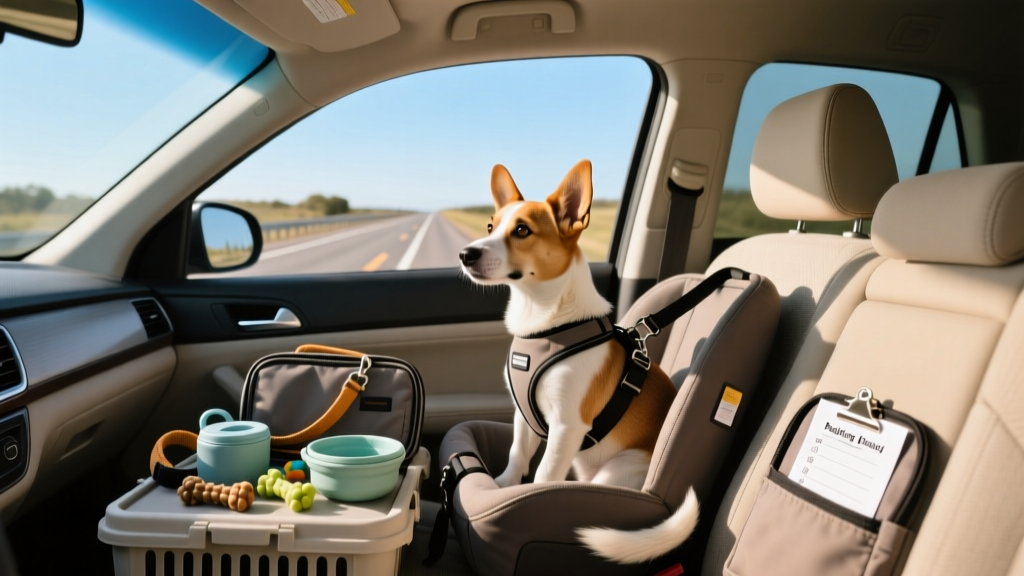
- Environments: Car rides, pet-friendly store visits (carried in a sling until vaccinated), friend's houses, and outdoor seating areas
- Grooming tools: Introduce a soft brush, nail clippers (sound only at first), and toothbrush during this window
Rule of thumb: Every new experience should be paired with high-value treats (small pieces of boiled chicken or commercial training treats like Zuke's Mini Naturals). If your puppy shows fear, increase distance from the stimulus and let them observe from a comfortable range. Never force an interaction.
Crate Training, Teething, and Common Puppy Problems
Crate Training Progression
Crate training is essential for Pomeranians — it supports potty training, provides a safe space, and is invaluable for travel and vet visits. Here's a time-based progression:
- 8–10 weeks: 15–30 minutes max during the day, with you nearby. Overnight: crate beside your bed, expect 1–2 wake-ups for potty.
- 10–14 weeks: 30–60 minutes during the day. Begin moving the crate to its permanent location. Overnight: 3–4 hours between breaks.
- 4–6 months: 1–2 hours during the day. Overnight: most Poms can sleep 5–6 hours.
- 6–12 months: 2–4 hours during the day (with exercise before and after). Never crate a Pomeranian for more than 4 hours at a stretch during the day.
Always use positive reinforcement: feed meals in the crate, offer a stuffed Kong or lick mat, and never use the crate as punishment. A 15" x 12" x 13" wire or soft-sided crate is typically the right size for an adult Pom.
Teething Timeline (3–6 Months)
Pomeranian puppies begin losing their 28 deciduous (baby) teeth around 12–16 weeks, with all 42 adult teeth typically in place by 6–7 months. Toy breeds are particularly prone to retained deciduous teeth — where baby teeth don't fall out as adult teeth erupt — which can cause crowding, misalignment, and dental disease. Check your puppy's mouth weekly during this period and ask your vet to evaluate any retained teeth at the 6-month visit.
Safe teething relief options:
- Frozen, wet washcloths (supervised use only — remove if pieces tear off)
- Rubber chew toys like the Kong Puppy (size XS) or Nylabone Puppy Chew
- Chilled (not frozen solid) carrot sticks for puppies over 12 weeks
- Benebone Puppy Wishbone (size small)
Avoid: Rawhide, hard nylon bones designed for adult dogs, ice cubes (too hard for puppy teeth), and any chew small enough to swallow whole.
Stopping Puppy Biting and Nipping
Pomeranian puppies use their mouths to explore and play — but their needle-sharp baby teeth make this painful. Here's how to manage it using force-free methods:
- Redirect: When your puppy mouths your hand, immediately offer an appropriate chew toy. Praise enthusiastically when they chew the toy instead.
- Withdraw attention: If biting continues, stand up and turn away for 10–15 seconds. This teaches that biting ends play — a natural consequence they learn from littermates.
- Teach "gentle": Hold a treat in a closed fist. When your puppy licks or nudges gently instead of biting, open your hand and reward. Progress to offering treats from flat palms.
- Provide adequate stimulation: Overtired and under-exercised puppies bite more. Ensure your Pom puppy gets age-appropriate play sessions (5 minutes of structured play per month of age, twice daily) and sufficient sleep.
Never hold your puppy's mouth shut, yank their collar, or use physical punishment. These methods increase fear and can damage the trust essential for training a sensitive toy breed.
First-Year Cost Breakdown for a Pomeranian Puppy
Budgeting realistically prevents sticker shock. Here's what Pomeranian puppy owners typically spend in the first year, based on 2025–2026 US pricing data:
| Category | Low Estimate | High Estimate | Details |
|---|---|---|---|
| Puppy purchase price | $1,500 | $5,000+ | From a responsible breeder with health testing; rescue/adoption fees $200–$600 |
| Veterinary care (vaccines, exams, spay/neuter) | $600 | $1,200 | Includes 3–4 wellness visits, full vaccine series, fecal tests, heartworm prevention, spay/neuter |
| Food | $180 | $360 | Premium small-breed puppy food; Poms eat relatively little due to size |
| Supplies (crate, bed, leash, bowls, grooming tools) | $200 | $500 | Includes slicker brush, comb, nail clippers, harness (not collar — Poms are prone to tracheal collapse) |
| Training (puppy class, private sessions) | $150 | $500 | 6-week group puppy class ($150–$250); private sessions $75–$150/hour |
| Preventive medications (flea/tick, heartworm) | $150 | $300 | Year-round prevention recommended; weight-based dosing means lower cost for tiny breeds |
| Grooming | $0 | $600 | Home grooming (brushing 3–4x/week) is free; professional grooming every 6–8 weeks runs $50–$75/session |
| Pet insurance (optional but recommended) | $300 | $600 | $25–$50/month for accident/illness coverage; enroll while young to avoid pre-existing condition exclusions |
| TOTAL (excluding puppy purchase) | $1,580 | $4,060 | First-year ongoing costs after bringing puppy home |
Emergency veterinary care is not included in these estimates. A single emergency visit for issues common to toy breed puppies (hypoglycemia, foreign body ingestion, tracheal injury) can cost $500–$3,000+. Pet insurance or a dedicated emergency fund of at least $1,000–$2,000 is strongly recommended.
When Can Your Pomeranian Puppy Go Outside and Meet Other Dogs?
Your puppy is considered fully protected approximately two weeks after their final DHPP vaccine, which typically falls around 18 weeks of age. Before that point, you can still socialize safely — you just need to be strategic:
- Safe before full vaccination: Carrying your puppy in a sling through stores, visiting friends' homes with known-vaccinated dogs, sitting on your porch watching the world, puppy classes that require proof of first vaccine and sanitize floors between sessions
- Unsafe before full vaccination: Dog parks, pet store floors, public sidewalks with heavy dog traffic, any area where unknown dogs have eliminated
- After full vaccination (18+ weeks): Dog parks (with caution — evaluate the dogs present before entering), hiking trails, outdoor patios, group walks, and doggy daycare
For Pomeranians specifically, dog parks require careful evaluation. A 5-lb Pom can be seriously injured by rough play from larger dogs. Look for parks with separate small-dog areas, and always supervise closely.
Frequently Asked Questions
How often should I feed my Pomeranian puppy at 10 weeks old?
Four meals per day, spaced approximately 4 hours apart during waking hours. Total daily intake should be roughly ¼ to ⅓ cup of high-quality small-breed puppy kibble, divided across those meals. Consistent feeding times also help regulate potty schedules.
When will my Pomeranian be fully potty trained?
Realistically, expect reliable potty habits between 4–6 months with consistent training. Some Pomeranians take up to 8–10 months, particularly if they had inconsistent routines early on. Small bladder capacity is a physical limitation, not a training failure — patience and frequency are the keys.
What vaccines does my Pomeranian puppy need and when?
The core protocol is DHPP at 6–8 weeks, 10–12 weeks, and 14–16 weeks, plus a Rabies vaccine at 14–16 weeks. Your vet may also recommend Bordetella (kennel cough) if your puppy will attend group classes, and Leptospirosis or Lyme depending on your region and lifestyle. Always consult your veterinarian for a schedule tailored to your puppy.
How do I stop my Pomeranian puppy from biting?
Redirect mouthing to appropriate chew toys, withdraw attention for 10–15 seconds when biting persists, and teach a "gentle" cue using flat-palm treat delivery. Ensure your puppy gets enough sleep (18–20 hours/day at 8–12 weeks) and structured play. Never use physical punishment, which increases fear-based biting in sensitive toy breeds.
Should I get pet insurance for my Pomeranian puppy?
Yes, ideally within the first few weeks of ownership. Pomeranians are predisposed to several conditions that benefit from insurance coverage: tracheal collapse, luxating patellas, dental disease, and collapsed trachea. Enrolling while your puppy is young and healthy ensures no pre-existing condition exclusions. Expect $25–$50/month for comprehensive accident and illness coverage from providers like Trupanion, Healthy Paws, or Lemonade.
What size crate should I get for my Pomeranian puppy?
A crate measuring approximately 18"L x 12"W x 14"H is suitable for most adult Pomeranians. For a puppy, choose a crate with a divider panel so you can expand the space as they grow. The correct size allows your Pom to stand up, turn around, and lie down comfortably — no more. Excess space undermines potty training because the puppy can eliminate in one corner and sleep in another.
Anouk Beaumont
All our authors care for dogs every day — read more of their work on the authors page.