Bully Puppy Care Guide: Feeding, Training & Milestones by Age
Complete bully puppy care guide covering feeding schedules, potty training timelines, vaccination weeks, socialization checklists, and first-year costs.

When Should You Bring Your Bully Puppy Home?
The American Kennel Club and responsible breeders agree: a bully puppy — whether an American Bully, Pit Bull-type, or related stocky breed — should not leave the litter before 8 weeks of age. Many reputable American Bully breeders hold puppies until 10–12 weeks, especially for smaller varieties like the Pocket Bully, because these compact dogs mature more slowly emotionally and benefit from extra littermate time.
During weeks 4–8, puppies learn bite inhibition from siblings, develop early social skills, and receive their first round of vaccinations. Pulling a bully puppy from the litter at 6 weeks may seem harmless, but it directly correlates with increased mouthing, separation anxiety, and difficulty reading canine body language later in life.
Bully Puppy Milestones: Week by Week
Bully breeds develop on a fairly predictable timeline, but their muscular build and high food motivation create breed-specific considerations you won't find in generic puppy guides.
Weeks 4–8: The Litter Learning Phase (Still with Breeder)
- Weight: Bully puppies typically gain 0.5–1 lb per week during this window, reaching 8–15 lb by week 8 depending on variety (Pocket vs. Standard vs. XL)
- Development: Eyes and ears fully functional; deciduous (baby) teeth erupting; first social hierarchy forming among littermates
- What the breeder should be doing: Introducing solid food (puppy kibble soaked in warm water), beginning crate exposure, early neurological stimulation (ENS), and first DHPP vaccine at 6 weeks
Weeks 8–12: The Adjustment Window (New Home)
- Weight: Expect 15–25 lb for Standard American Bully puppies
- Behavior: Peak fear period occurs around 8–10 weeks — avoid traumatic experiences (loud noises, rough handling, forced interactions)
- Key tasks: Begin name recognition, introduce crate as positive space, start 5-minute leash walks, schedule first vet wellness exam within 48 hours of pickup
- Sleep: 18–20 hours per day is normal — bully puppies are surprisingly heavy sleepers between bursts of energy
Weeks 12–16: The Confidence Building Stage
- Weight: 25–40 lb; growth plates still wide open — avoid forced exercise on hard surfaces
- Behavior: Second fear period may emerge around 14–16 weeks; test boundaries with mouthing and selective hearing
- Key tasks: Begin structured positive-reinforcement training sessions (3–5 minutes, 2–3 times daily), introduce handling exercises for grooming and vet prep, practice "drop it" and "leave it" with high-value treats
Weeks 16–24: The Adolescent Push
- Weight: 40–60 lb for Standard variety; approaching 60–70% of adult weight
- Behavior: Teething peaks; chewing intensity increases; early signs of dog-selective social behavior may appear
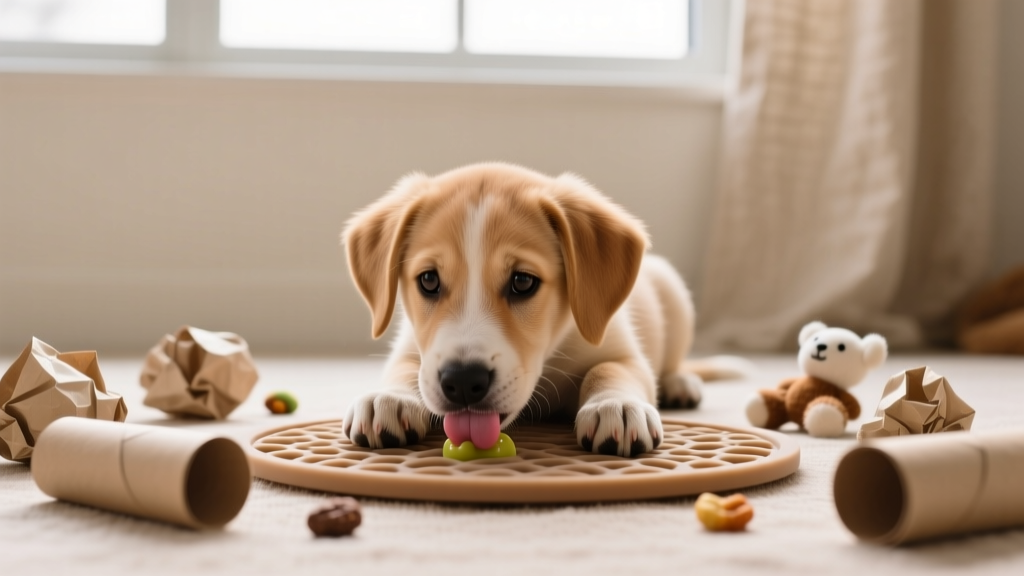
- Key tasks: Increase mental enrichment (snuffle mats, frozen Kongs, puzzle feeders), begin impulse control games, enroll in a group puppy class if not already started
Months 6–12: Young Adult Transition
- Weight: 60–85 lb (Standard); growth slows significantly after month 9 but muscle development continues until 18–24 months
- Behavior: Sexual maturity (if intact) — discuss spay/neuter timing with your vet; energy remains high but attention span improves
- Key tasks: Transition from 3 meals to 2 meals daily around month 6–7; switch from puppy food to adult formula between 12–14 months (bully breeds mature slower than smaller breeds); begin longer structured walks (30–45 minutes)
Bully Puppy Feeding Schedule: Portions by Age and Weight
Bully breeds are prone to rapid growth-related orthopedic issues — particularly hip dysplasia and cranial cruciate ligament (CCL) injuries — so overfeeding is a bigger risk than underfeeding. The Merck Veterinary Manual emphasizes that large, muscular breeds should grow at a controlled rate, not maximally.
Choose a food with an AAFCO statement confirming it meets growth requirements for large-breed puppies (calcium-phosphorus ratio of 1.1:1 to 1.4:1, and minimum 22% protein on a dry-matter basis). Brands like Purina Pro Plan Large Breed Puppy, Royal Canin Puppy Large, and Hill's Science Diet Large Breed Puppy are veterinary-formulated options with feeding trial data.
| Age | Meals Per Day | Approximate Daily Amount (Dry Kibble) | Notes |
|---|---|---|---|
| 8–12 weeks | 3–4 meals | 1.5–2.5 cups/day | Soften kibble with warm water if puppy struggles; remove uneaten food after 15 minutes |
| 12–16 weeks | 3 meals | 2.5–3.5 cups/day | Monitor body condition score (BCS) — ribs should be palpable but not visible |
| 4–6 months | 3 meals → 2 meals | 3–4.5 cups/day | Transition to 2 meals around month 6; adjust based on activity level |
| 6–12 months | 2 meals | 3.5–5 cups/day | Gradually transition to adult formula at 12–14 months; reduce portions if BCS exceeds 5/9 |
Important: These are starting guidelines. Your bully puppy's caloric needs depend on their specific weight, metabolism, and activity level. Weigh your puppy weekly and adjust portions to maintain a lean body condition — a visible waistline and tucked abdomen when viewed from the side. Consult your veterinarian to fine-tune portions at each wellness visit.
Bully Puppy Vaccination Schedule: What, When, and Why
Bully breeds follow the standard AVMA-recommended core vaccination protocol. Your puppy will receive maternal antibodies from the dam's colostrum, which gradually wane between 6–16 weeks — this is why a series of boosters, not a single shot, provides protection.
| Age | Vaccine(s) | Type | Estimated Cost |
|---|---|---|---|
| 6–8 weeks | DHPP (Distemper, Hepatitis/Adenovirus, Parainfluenza, Parvovirus) — 1st dose | Core | $25–$45 |
| 10–12 weeks | DHPP — 2nd dose; Bordetella (intranasal or injectable) | Core + Lifestyle | $40–$70 |
| 14–16 weeks | DHPP — 3rd dose; Rabies (required by law in most US states) | Core | $50–$90 |
| 12–16 months | DHPP booster; Rabies booster (1-year or 3-year depending on product) | Core | $60–$100 |
Lifestyle vaccines to discuss with your vet: Leptospirosis (recommended if hiking or near standing water), Lyme disease (tick-endemic areas), and Canine Influenza (H3N2/H3N8 — recommended for dogs in boarding or daycare). These are not core vaccines but may be critical depending on your environment.
The Critical Socialization Window: Weeks 3–14
Canine behavioral research consistently shows that the primary socialization period closes around 14 weeks of age. After this window, unfamiliar stimuli trigger fear responses rather than curiosity. For bully breeds — which can develop dog-selective or human-wary tendencies without proper exposure — this window is non-negotiable.
The goal is not to overwhelm your puppy but to create positive associations with novel experiences. Carry high-value treats (boiled chicken, small cheese pieces, commercial training treats like Zuke's Mini Naturals) and let your puppy approach new stimuli at their own pace.
When can your bully puppy go outside and meet other dogs? Until your puppy completes the full DHPP series (final dose at 14–16 weeks), avoid high-traffic dog areas like public dog parks, pet store floors, and rest stops where parvovirus may be present. However, you can carry your puppy in a sling or stroller for environmental exposure, and arrange playdates with known, fully vaccinated dogs in private yards. The ASPCA recommends balancing disease risk with the behavioral cost of missed socialization — controlled exposure is key.
Potty Training Your Bully Puppy: Realistic Timeline and Troubleshooting
Let's set expectations clearly: most bully puppies are not reliably house-trained until 5–7 months of age. Some individuals — particularly males — may have occasional accidents until 9–10 months. This is not a failure; it's normal canine development. Bladder control physically matures around 4–6 months, and full behavioral reliability takes longer.
Bully breeds are highly food-motivated, which makes potty training straightforward if you use immediate treat rewards the moment they eliminate outdoors. Timing matters — the treat must arrive within 1–2 seconds of the behavior.
| Age | Maximum Bladder Hold Time | Outdoor Trip Frequency | Expected Accidents Per Week |
|---|---|---|---|
| 8–10 weeks | 30–45 minutes | Every 30–45 min while awake; after every meal, nap, and play session | 5–10 (normal) |
| 10–14 weeks | 1–1.5 hours | Every 60–90 min while awake | 2–5 |
| 3–4 months | 2–3 hours | Every 2 hours; overnight stretch of 4–5 hours | 1–3 |
| 5–6 months | 4–5 hours | Every 3–4 hours; overnight 6–8 hours | 0–1 |
| 7+ months | 6–8 hours | 3–4 times daily | Rare (seek vet evaluation if regression occurs) |
Troubleshooting common potty training setbacks:
- Regression at 4–5 months: Often coincides with teething discomfort or a fear period. Return to higher-frequency outdoor trips for 1–2 weeks.
- Submissive urination when greeting: Common in young bully puppies. Ignore the puppy for the first 2 minutes when arriving home; greet calmly at their level without direct eye contact.
- Nighttime accidents: Remove water 2 hours before bedtime. Set a phone alarm for one overnight potty break at 2–3 AM until the puppy can hold 6+ hours.
- Marking behavior (leg lifting): Typically begins around 6–9 months in males. Interrupt calmly and redirect outdoors; discuss neutering timing with your vet if marking becomes habitual.
Crate Training Progression and Time Limits
A crate is your bully puppy's den — not a punishment space. Start with the crate door open, meals served inside, and treats tossed in for voluntary entry. Bully breeds tend to accept crates readily if introduced positively, but they are also strong enough to break out of flimsy wire crates as they grow. Invest in a heavy-duty crate (MidWest Ultima Pro or ProSelect Empire are solid choices for adult bully breeds) from the start.
Maximum crate time by age:
- 8–10 weeks: 30–45 minutes max during the day (never leave a puppy this young crated longer without a potty break)
- 10–14 weeks: 1–1.5 hours during the day
- 3–4 months: 2–3 hours during the day; 4–5 hours overnight
- 5–6 months: 3–4 hours during the day; 6–8 hours overnight
- 7+ months: 4–5 hours during the day; 8 hours overnight
No dog of any age should be crated for more than 8 hours total in a 24-hour period. If your work schedule requires longer absences, arrange a midday dog walker or use a puppy-proofed pen area with access to a potty pad station.
Teething Timeline and Relief Strategies
Bully puppies begin losing their 28 deciduous teeth around 3–4 months of age, with adult teeth (42 total) fully erupted by 6–7 months. The peak discomfort period is weeks 14–24, when chewing intensity peaks and your puppy will seek relief on anything available — shoes, furniture edges, and unfortunately, your hands.
Safe chew options for teething bully puppies:
- Frozen Kong Classic (puppy size): Stuff with plain yogurt, mashed banana, and kibble; freeze for 4+ hours. The cold numbs gums while the texture satisfies chewing urges. Replace with medium or large Kong as the puppy grows.
- Benebone Puppy Wishbone: Nylon chew designed for puppies under 30 lb; replace when surface becomes deeply grooved or pieces begin to flake.
- Frozen carrot sticks: Low-calorie, safe, and naturally soothing. Supervise to prevent choking on large pieces.
- Wet washcloth twist: Soak a clean washcloth in water (or low-sodium chicken broth), twist into a rope shape, and freeze. Supervise and discard once threads begin to unravel.
Common Bully Puppy Problems and Solutions
Puppy Biting and Nipping
Bully puppies are mouthy by nature — their breed heritage includes tenacious gripping instincts. Biting is not aggression; it's exploration and play. However, bully puppies are strong, and nipping that seems cute at 10 lb becomes painful at 40 lb.
How to stop puppy biting using force-free methods:
- Redirect: When puppy mouths your skin, immediately offer a chew toy. Reward with praise when they bite the toy instead.
- Withdraw attention: If redirecting fails, stand up, cross your arms, and turn away for 10–15 seconds. Resume play only when puppy is calm.
- Time-out: For persistent biting, calmly place puppy in a pen or crate for 30–60 seconds with a chew toy. This is not punishment — it's a cool-down period.
- Satisfy the need: Ensure your puppy gets 20–30 minutes of structured chewing time daily (Kongs, approved chew toys). A puppy with no chewing outlet will find one.
Never hit, hold the mouth shut, alpha-roll, or yell at a biting puppy. These methods increase fear-based aggression and damage your relationship. If biting persists past 5 months or involves hard biting with growling, consult a certified professional dog trainer (CPDT-KA or IAABC credentialed).
Whining and Crying in the Crate
First-week crate whining is expected. Set up the crate in your bedroom for the first 2–3 weeks so your puppy can hear and smell you. Play white noise or a ticking clock near the crate. Take the puppy out for a potty break if they whine after 2+ hours, but avoid letting them out while whining — wait for a 5-second pause in noise, then open the door. This teaches silence, not screaming, opens the door.
Destructive Chewing
Bully puppies have powerful jaws and can destroy furniture quickly. Management is more effective than correction:
- Puppy-proof one or two rooms using baby gates; remove access to shoes, cords, and remote controls
- Provide 4–5 approved chew options rotated weekly to maintain novelty
- Use bitter apple spray (Grannick's Bitter Apple) on furniture legs and baseboards as a deterrent — reapply every 2–3 days
- Ensure 30–60 minutes of physical exercise and 15–20 minutes of mental enrichment daily
First-Year Cost Breakdown for a Bully Puppy
Bully breeds are not inexpensive to raise properly. Here's a realistic budget for the first 12 months, based on 2026 average US pricing:
| Category | Low Estimate | Mid-Range | High Estimate |
|---|---|---|---|
| Puppy purchase (responsible breeder) | $2,000 | $3,500 | $8,000+ (XL/show lines) |
| Veterinary care (vaccines, wellness exams, spay/neuter) | $600 | $1,200 | $2,500 |
| Food (large-breed puppy formula, 12 months) | $480 | $720 | $1,100 |
| Supplies (crate, bed, leash, harness, bowls, toys, gates) | $300 | $500 | $900 |
| Training (group classes + private sessions) | $200 | $500 | $1,500 |
| Pet insurance (annual premium) | $400 | $700 | $1,200 |
| Flea/tick and heartworm prevention (12 months) | $180 | $300 | $500 |
| TOTAL FIRST YEAR (excluding purchase price) | $2,160 | $3,920 | $7,700 |
Adopting a bully puppy from a rescue organization typically costs $250–$600 and often includes initial vaccinations, deworming, and microchipping — making adoption a financially responsible and ethically sound option. Whether purchasing or adopting, set aside a $1,000–$2,000 emergency fund for unexpected veterinary needs like parvovirus treatment ($1,500–$5,000), foreign body surgery ($2,000–$7,000), or allergy workups common in bully breeds.
Frequently Asked Questions
When should I bring my bully puppy home?
Between 8–12 weeks of age. Eight weeks is the minimum recommended by the AKC, but many American Bully breeders hold puppies until 10–12 weeks for better emotional development. Never accept a puppy younger than 8 weeks — early separation from the litter increases behavioral problems significantly.
How often should I feed my bully puppy at 10 weeks old?
At 10 weeks, feed 3–4 meals per day of a large-breed puppy formula, totaling approximately 1.5–2.5 cups daily depending on your puppy's current weight and the caloric density of the food. Split the total evenly across meals and remove uneaten food after 15 minutes to establish a feeding routine and prevent free-feeding, which makes potty training harder.
When will my bully puppy be fully potty trained?
Most bully puppies achieve reliable house training between 5–7 months, with some individuals taking until 9–10 months. "Fully trained" means fewer than one accident per month. If your puppy is still having daily accidents past 6 months, consult your veterinarian to rule out urinary tract infections, anatomical issues, or other medical causes before assuming it's a training problem.
What vaccines does my bully puppy need and when?
Core vaccines include DHPP (Distemper, Hepatitis, Parainfluenza, Parvovirus) given as a series at 6–8 weeks, 10–12 weeks, and 14–16 weeks, plus Rabies at 14–16 weeks (timing varies by state law). Lifestyle vaccines your vet may recommend include Bordetella, Leptospirosis, Lyme, and Canine Influenza depending on your location and your dog's activities.
How do I stop my bully puppy from biting and nipping?
Use the redirect-and-withdraw method: when teeth touch skin, immediately offer an approved chew toy and praise the switch. If biting continues, stand up and withdraw attention for 10–15 seconds. Provide 20–30 minutes of structured chewing time daily. Never use physical punishment — it damages trust and can trigger fear-based aggression. Consistency from all family members is essential; mixed signals confuse puppies and prolong the behavior.
When can my bully puppy go outside and meet other dogs?
You can carry your puppy outside for environmental exposure immediately, but avoid placing them on public ground where unvaccinated dogs have been until 7 days after the final DHPP booster (typically around 15–17 weeks of age). Socialization with known, fully vaccinated dogs in private settings can begin after the second DHPP dose (around 12 weeks). Dog parks should be avoided until the full vaccine series is complete and your puppy is comfortable with recall commands.
Priya Sutaria
All our authors care for dogs every day — read more of their work on the authors page.