Brown Cavalier King Charles Spaniel Puppies: Complete Puppy Care Guide
Everything you need to raise brown Cavalier King Charles Spaniel puppies — feeding schedules, milestones, potty training, vaccines, and first-year costs.

Why Brown Cavalier King Charles Spaniel Puppies Are Capturing Hearts
Brown Cavalier King Charles Spaniel puppies — often referred to as Blenheim (chestnut and white) or Ruby (solid rich brown) in the breed standard — combine one of the most affectionate temperaments in the canine world with a striking warm-toned coat. The American Kennel Club recognizes four color varieties, and the brown-marked varieties remain among the most sought-after by families and first-time dog owners alike.
But bringing home a Cavalier puppy is a commitment that extends well beyond those first irresistible weeks. This breed carries specific health predispositions — particularly mitral valve disease (MVD) and syringomyelia (SM) — that make responsible puppy-rearing and early veterinary partnership essential. This guide walks you through every developmental stage with breed-specific, actionable detail.
When Should You Bring Your Cavalier Puppy Home?
Responsible Cavalier breeders typically release puppies between 8 and 12 weeks of age, with many preferring to hold until 10–12 weeks. This is not arbitrary. Cavaliers mature more slowly than many breeds in terms of confidence and immune development. A puppy kept with littermates through week 10 has better bite inhibition, stronger social skills, and a more robust vaccine foundation.
Before pickup day, prepare a confined space (a puppy-proofed room or large exercise pen), a properly sized crate (24-inch length is ideal for adult Cavaliers at 13–18 lb / 6–8 kg), and schedule your first vet visit within 72 hours of arrival.
Age-Specific Milestones for Your Cavalier Puppy
Cavalier King Charles Spaniels follow a predictable developmental arc, but their sensitive nature means transitions need to be handled with extra patience compared to harder-edged breeds.
| Age Range | Weight Expectation | Key Milestones | Owner Priorities |
|---|---|---|---|
| Weeks 4–8 | 1.5–3 lb / 0.7–1.4 kg | Eyes fully open, weaning complete, first social play with littermates, startle response to loud sounds | Breeder handles socialization; you may visit starting week 6 |
| Weeks 8–12 | 3–6 lb / 1.4–2.7 kg | Primary fear imprint period, bonding with new family, beginning house training awareness, first vaccines | Keep experiences positive; avoid overwhelming environments; short, frequent training sessions (3–5 min) |
| Weeks 12–16 | 5–9 lb / 2.3–4 kg | Confidence building, teething begins, longer attention spans, can learn sit/down/come reliably | Expand socialization; introduce grooming routines; begin leash walking practice indoors |
| Weeks 16–24 | 8–14 lb / 3.6–6.4 kg | Peak teething discomfort, testing boundaries, adolescent independence flickers, coat begins to feather | Consistent rules; redirect chewing; puppy kindergarten classes; increase mental stimulation |
| 6–12 Months | 11–18 lb / 5–8 kg (approaching adult weight) | Sexual maturity (spay/neuter typically recommended 6–9 months), adult coat fully developing, energy stabilizes | Transition to adult food at 10–12 months; cardiac baseline exam; advanced obedience |
Feeding Schedule: Exact Portions for Growing Cavaliers
Cavaliers are prone to obesity, which accelerates the impact of mitral valve disease on their cardiovascular system. Precise feeding is not optional for this breed — it's preventative medicine.
Choose an AAFCO-approved small-breed puppy formula with a named animal protein as the first ingredient. Look for guaranteed analysis showing minimum 22% protein and 8% fat for growth stages.
| Age | Meals Per Day | Daily Amount (Dry Kibble) | Notes |
|---|---|---|---|
| 8–12 weeks | 4 meals | ½ – ¾ cup total (divided into quarters) | Soak kibble in warm water for first 2 weeks if puppy struggles with hard pieces |
| 12–16 weeks | 3 meals | ¾ – 1 cup total (divided into thirds) | Transition to dry kibble; monitor stool consistency |
| 4–6 months | 3 meals | 1 – 1¼ cups total | Adjust based on body condition score — ribs should be palpable but not visible |
| 6–9 months | 2 meals | 1 – 1½ cups total (halved) | Begin reducing if weight gain exceeds growth curve |
| 9–12 months | 2 meals | 1 – 1¼ cups total | Transition to adult small-breed formula gradually over 7–10 days |
Potty Training Timeline: Realistic Expectations for Cavaliers
Cavaliers are generally eager to please, which works in your favor for house training. However, their small bladders and sensitivity to harsh correction mean that patience and positive reinforcement produce far better results than punishment-based methods.
Realistic timeline: Most Cavalier puppies achieve reliable daytime house training by 4–6 months. Nighttime reliability (sleeping 6–8 hours without accidents) typically follows by 6–8 months. Some individuals, particularly smaller females, may take until 9–10 months for full consistency.
Potty Training Schedule by Age
- 8–10 weeks: Take outside every 1–1.5 hours during the day, immediately after eating, waking, and playing. Expect accidents — this is normal.
- 10–14 weeks: Extend to every 2 hours. Begin using a consistent verbal cue ("go potty") and reward immediately with a high-value treat (small training bites, not table scraps).
- 14–20 weeks: Every 2–3 hours. Puppy should begin signaling (sniffing, circling, going to the door). If no signal emerges, maintain scheduled outings.
- 5–7 months: Every 3–4 hours during the day. Overnight stretch to 5–6 hours. If accidents regress, check for UTI (common in young Cavaliers) with your vet.
- Submissive urination when greeted: Extremely common in this breed. Ignore the puppy for the first 2 minutes upon entering. Crouch sideways rather than leaning over. Never punish — it worsens the behavior.
- Rain refusal: Cavaliers often dislike wet weather. Use a covered area or puppy pads as a temporary backup. Gradually acclimate with short, positive rain exposures paired with treats.
- Nighttime accidents after 6 months: Rule out medical causes (UTI, early kidney issues) before assuming behavioral. Cavaliers are predisposed to urinary tract issues.
Socialization Window: The Critical Weeks 3–14
The primary socialization period for all puppies closes around 14 weeks (some behaviorists cite 12–16 weeks). For Cavaliers — a breed that can develop timidity if under-socialized — this window is especially critical. The American Veterinary Medical Association recommends structured positive exposure during this period.
Cavalier Puppy Socialization Checklist (Weeks 8–14)
Introduce each item in a positive, low-pressure manner. Pair new experiences with treats and praise. If your puppy shows fear, increase distance and reduce intensity — never force exposure.
- People: At least 20 different people — varying ages, heights, ethnicities, wearing hats/glasses/masks, using canes/wheelchairs
- Surfaces: Gravel, grass, tile, hardwood, metal grates, wet pavement, wobbly surfaces (a cushion or balance pad)
- Sounds: Vacuum cleaner (start in another room), doorbell, thunder recordings (low volume), traffic, children playing, hair dryer
- Objects: Umbrellas opening, plastic bags rustling, bicycles, skateboards, strollers, balloons
- Animals: Fully vaccinated adult dogs (calm temperament), cats (supervised), exposure to livestock if accessible
- Handling: Ear inspection, paw handling, mouth opening, nail clipping practice, gentle restraint, being lifted by different people
- Environments: Pet-friendly store parking lot, outdoor café area, car rides (short trips to pleasant destinations), friend's house
- Grooming tools: Soft brush, comb, nail clippers (turned on but not cutting), electric toothbrush (vibration introduction)
Aim for 5–10 new positive experiences per day during weeks 8–12. Quality matters more than quantity — one terrifying experience can outweigh dozens of neutral ones for a sensitive Cavalier.
Vaccination Schedule for Cavalier King Charles Spaniel Puppies
Your Cavalier puppy will receive a series of core vaccinations starting at the breeder. The AAHA Canine Vaccination Guidelines recommend the following protocol, which your veterinarian may adjust based on regional disease risk.
| Age | Vaccines Administered | Notes |
|---|---|---|
| 6–8 weeks | DHPP (Distemper, Hepatitis, Parainfluenza, Parvovirus) — first dose | Typically given by breeder; verify documentation at pickup |
| 10–12 weeks | DHPP — second dose; Bordetella (optional, recommended if attending puppy classes) | Puppy still NOT fully protected; limit public area exposure |
| 14–16 weeks | DHPP — third (final puppy) dose; Rabies (required by law in most US states) | Full immunity develops approximately 2 weeks after final DHPP |
| 12–16 months | DHPP booster; Rabies booster (1-year or 3-year depending on local law) | Transition to adult vaccine protocol |
Non-core vaccines to discuss with your vet: Leptospirosis (increasingly common in suburban areas), Lyme disease (if in a tick-endemic region), and Canine Influenza (if boarding or attending doggy daycare).
Your Cavalier puppy can explore your own yard immediately. For public areas (parks, sidewalks, pet stores), wait until 2 weeks after the final DHPP at 14–16 weeks — roughly 18 weeks of age. However, controlled playdates with fully vaccinated, healthy adult dogs in private settings are safe and encouraged starting at 8 weeks. Puppy kindergarten classes are safe if all attendees are on their vaccine schedule and the facility requires proof of vaccination.
Crate Training Progression: Building a Safe Space
Cavaliers are velcro dogs — they want to be with you constantly. A crate provides a secure den when you cannot supervise, prevents destructive chewing during teething, and supports house training by leveraging their instinct not to soil their sleeping area.
Crate Time Limits by Age
| Puppy Age | Maximum Continuous Crate Time | Notes |
|---|---|---|
| 8–10 weeks | 1–1.5 hours (daytime) | Set a timer; puppy cannot hold bladder longer |
| 10–14 weeks | 2 hours (daytime) | Include a safe chew toy; cover crate partially for calmness |
| 14–16 weeks | 2.5–3 hours (daytime) | Nighttime stretch may reach 4–5 hours |
| 4–6 months | 3–4 hours (daytime) | If working full-time, arrange midday potty break via pet sitter or dog walker |
| 6–12 months | 4–5 hours (daytime) | Transition to exercise pen or gated room for longer absences |
Crate training method: Feed all meals inside the crate with the door open for the first week. Add high-value stuffed Kongs (frozen with plain pumpkin or yogurt) for positive association. Close the door for 30 seconds, then 1 minute, building duration gradually. Never use the crate as punishment. If your Cavalier whines after being settled and pottied, wait 5–10 minutes before responding — then take out for a boring (no play) potty trip and return to crate.
Teething Timeline and Relief Strategies (3–6 Months)
Cavalier puppies begin losing deciduous (baby) teeth around 12–16 weeks, with the process typically complete by 6–7 months. During this period, expect increased chewing, mild gum bleeding (normal), temporary appetite changes, and some irritability.
Safe Teething Relief Options
- Frozen Kong Classic (size Small): Stuff with mashed banana or plain pumpkin and freeze for 4+ hours. The cold numbs gums while the rubber texture satisfies chewing urges.
- Wet washcloth twist: Soak a clean washcloth in low-sodium chicken broth, twist into a rope, and freeze. Supervise use — discard if pieces tear off.
- Benebone Puppy Wishbone: Designed for puppies under 30 lb, made of softer nylon. Replace when worn down significantly.
- Carrots (whole, chilled): A large cold carrot provides crunch and gum relief. Remove once small enough to be a choking hazard.
- Nylabone Puppy Chew (Soft): Specifically the puppy-formulated version — adult Nylabones are too hard and can fracture developing teeth.
Common Cavalier Puppy Problems and Solutions
Puppy Biting and Nipping
Cavalier puppies are mouthy — this is normal exploratory behavior, not aggression. Their soft mouths mean bites are usually gentle, but the habit must be redirected before adult teeth arrive at 4–6 months.
Solution: When teeth touch skin, say "ouch" in a calm, slightly surprised tone and immediately withdraw attention (stand up, turn away, or leave the room for 10–15 seconds). Redirect to an appropriate chew toy when you return. Reward gentle mouth contact with continued play. Consistency from all household members is essential — mixed signals prolong the behavior.
Separation Anxiety and Whining
This breed is genetically predisposed to bond intensely. Separation-related distress is one of the most common behavioral reasons Cavaliers are surrendered. Prevention starts in puppyhood.
Solution: Practice brief departures (30 seconds to 5 minutes) multiple times daily from week one. Vary your pre-departure routine so the puppy cannot predict leaving. Leave a worn t-shirt with your scent in the crate. Use a white noise machine or calm classical music (studies from the University of Glasgow showed classical music reduced stress behaviors in kenneled dogs). Never make departures or arrivals dramatic — keep them boring.
Destructive Chewing
Peak chewing occurs between 4–7 months, coinciding with teething and increasing independence. Cavaliers are not typically extreme chewers compared to retrievers, but unsupervised access to a full house at this age invites trouble.
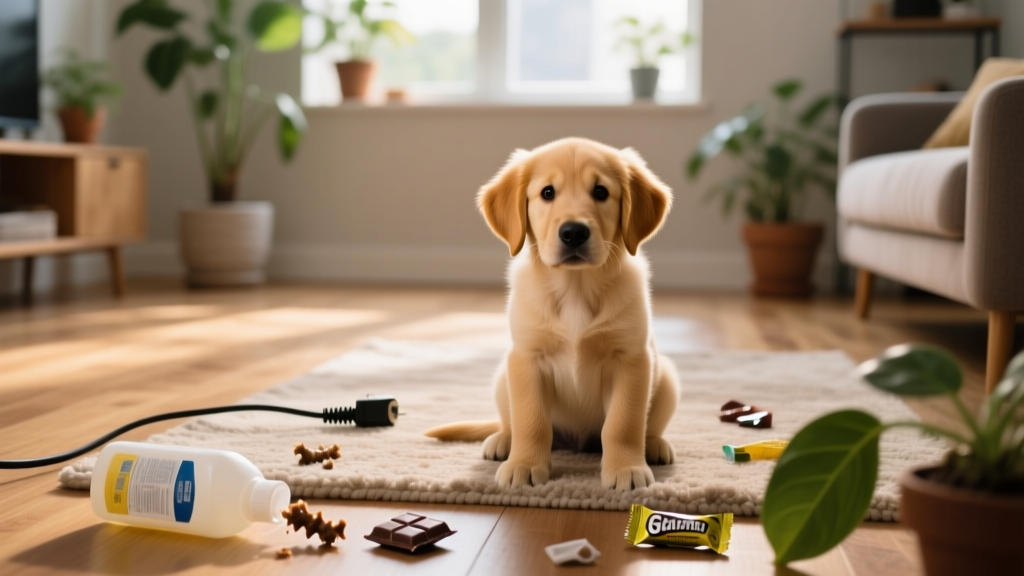
Solution: Limit freedom using exercise pens or gated areas when unsupervised. Provide a rotation of 4–5 approved chew toys (rotate every 2 days to maintain novelty). Puppy-proof at floor level — Cavaliers are low to the ground and will find electrical cords, shoes, and dropped medications. If you catch your puppy chewing something inappropriate, redirect with a trade (offer a higher-value chew) rather than chasing or forcibly removing items, which can trigger resource guarding.
First-Year Cost Breakdown for a Cavalier King Charles Spaniel
Budgeting accurately prevents the financial stress that leads to delayed veterinary care. Cavaliers have higher-than-average veterinary costs due to cardiac screening requirements and breed-specific conditions.
| Category | Estimated Cost (First Year) | Details |
|---|---|---|
| Puppy Purchase | $2,500 – $4,500 | From a health-tested, responsible breeder (OFA cardiac + MRI SM screening). Adoption/rescue: $300–$800 |
| Veterinary (Routine) | $800 – $1,400 | Initial exam, vaccine series, fecal tests, heartworm test, spay/neuter ($400–$800), cardiac baseline echocardiogram ($300–$500) |
| Preventive Medications | $300 – $500 | Heartworm preventive (e.g., Heartgard Plus), flea/tick (e.g., NexGard or Bravecto), deworming |
| Food | $350 – $550 | Premium small-breed formula; Cavaliers eat relatively little due to small size |
| Supplies | $250 – $450 | Crate ($40–$70), exercise pen ($50–$80), harness, leash, bowls, grooming tools, bed, toys, enzymatic cleaner |
| Training | $150 – $400 | Puppy kindergarten ($100–$200 for 6-week course), optional private sessions for specific issues |
| Pet Insurance | $500 – $900 | Strongly recommended for Cavaliers given MVD and SM risk. Enroll before first symptoms. Monthly premiums $40–$75 depending on deductible and coverage |
| Emergency Fund Buffer | $500 – $2,000 (set aside) | For unexpected illness — puppies commonly ingest foreign objects or develop GI issues |
Total first-year investment: $5,650 – $10,700+ depending on breeder cost, insurance selection, and whether emergencies arise. Ongoing annual costs after year one typically run $1,800 – $3,500, with veterinary expenses increasing significantly after age 5 due to cardiac monitoring needs.
Frequently Asked Questions About Brown Cavalier Puppies
How often should I feed my Cavalier puppy at each age?
Feed 4 meals daily from 8–12 weeks, 3 meals from 12 weeks to 6 months, and 2 meals from 6 months onward. Cavaliers do best with consistent meal timing rather than free-feeding, which leads to overeating and obesity — a serious concern given their cardiac predisposition.
When will my Cavalier puppy be fully potty trained?
Expect reliable daytime habits by 4–6 months and overnight reliability by 6–8 months. Some smaller Cavaliers take until 9–10 months. Consistency with scheduled outings and positive reinforcement for outdoor elimination is the single most impactful factor. If progress stalls or regresses, have your vet check for a urinary tract infection.
What vaccines does my Cavalier puppy need and when?
Core vaccines include DHPP at 6–8 weeks, 10–12 weeks, and 14–16 weeks, plus Rabies at 14–16 weeks. Non-core vaccines (Bordetella, Leptospirosis, Lyme, Canine Influenza) depend on your lifestyle and region. Always consult your veterinarian to customize the protocol for your puppy's specific risk profile.
How do I stop my Cavalier puppy from biting and nipping?
Use the "ouch and withdraw" method: when teeth touch skin, calmly say "ouch," withdraw attention for 10–15 seconds, then redirect to an appropriate chew toy. Avoid physical punishment, holding the mouth shut, or alpha rolls — these damage trust and can escalate fear-based biting in sensitive breeds like Cavaliers. Most puppies significantly reduce mouthing by 5–6 months with consistent redirection.
When can my Cavalier puppy go outside and meet other dogs?
Your puppy can explore your own private yard immediately. For public spaces, wait until 2 weeks after the final DHPP vaccine (approximately 18 weeks of age). Controlled playdates with known, fully vaccinated dogs in private settings are safe from 8 weeks onward and are essential for socialization during the critical window.
Is the brown coat color associated with any specific health issues?
No. Coat color in Cavaliers (Blenheim, Ruby, Tricolor, Black & Tan) is determined by specific gene combinations and has no established correlation with health outcomes. The breed's primary health concerns — mitral valve disease, syringomyelia, hip dysplasia, and eye conditions — affect all color varieties equally. Always prioritize health-tested parentage over color preference.
Veterinary Disclaimer: This guide provides educational information to help you prepare for and support your Cavalier puppy's development. It does not replace professional veterinary care. Always consult your veterinarian for personalized health advice, vaccination protocols, and any concerns about your puppy's growth or behavior. If you suspect your puppy has ingested a toxic substance, contact the ASPCA Animal Poison Control Center at (888) 426-4435 (24/7, consultation fee applies).
Anouk Beaumont
All our authors care for dogs every day — read more of their work on the authors page.