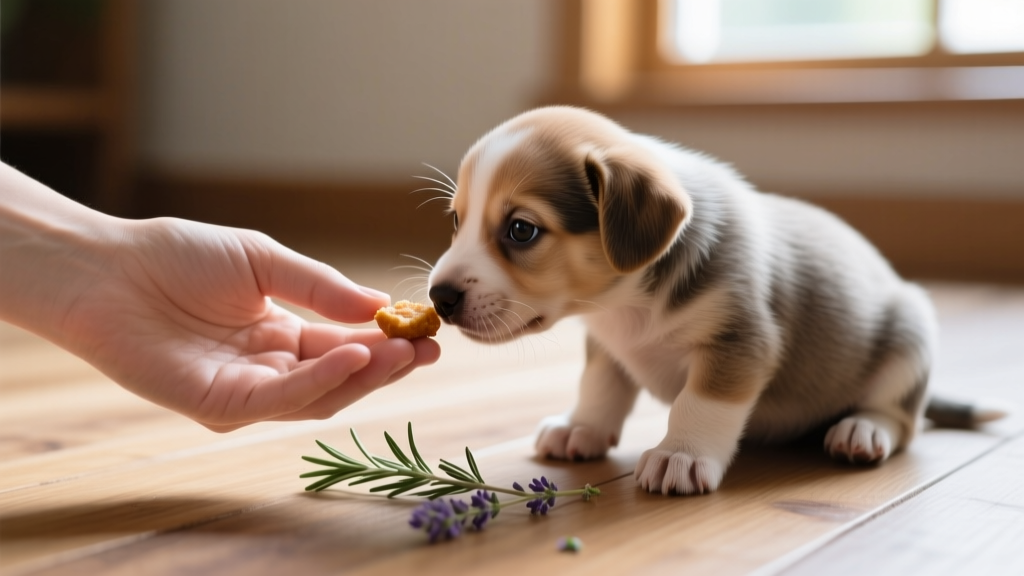
Boykin Puppies: Week-by-Week Growth, Training & Care Guide
Everything you need to raise Boykin puppies: age milestones, feeding portions, vaccination schedule, potty training timelines, and first-year cost breakdown.

The Boykin Spaniel is South Carolina's state dog — a compact, liver-colored sporting breed with boundless energy and a velvety coat. If you're bringing home Boykin puppies, you're signing up for an athletic, intelligent companion that thrives on structured activity and consistent guidance from day one.
This guide walks you through every developmental stage from 4 weeks to 12 months, with breed-specific feeding portions, vaccination timelines, and training benchmarks tailored to the Boykin Spaniel's high-drive temperament. All health decisions should be confirmed with your veterinarian, as individual puppies may vary.
When Should I Bring My Boykin Puppy Home?
The ideal age to bring a Boykin Spaniel puppy home is 8 to 10 weeks. While some breeders release puppies at 8 weeks, many Boykin breeders specializing in hunting lines prefer to hold puppies until 10 weeks to evaluate field aptitude and ensure littermate socialization is complete.
Bringing a puppy home before 8 weeks risks incomplete bite inhibition learning (puppies learn soft-mouth behavior from siblings between weeks 5–8) and weaker stress resilience. The AKC recommends a minimum of 8 weeks for all breeds, and for medium-energy sporting breeds like the Boykin, the extra two weeks with the breeder often produces a more confident, adjustable puppy.
- Set up a crate (30" L × 19" W for a Boykin puppy — they reach 25–40 lb / 11–18 kg as adults) with a divider panel
- Place an item with littermate scent (breeder-provided blanket) inside
- Restrict access to 1–2 rooms initially to prevent overstimulation
- Schedule a vet wellness exam within 72 hours of pickup
Boykin Puppy Age Milestones: What to Expect Week by Week
Boykin Spaniels mature at a moderate pace compared to larger sporting breeds. They typically reach full height by 10–12 months but continue filling out through 18 months. Here's what each developmental window looks like for this breed:
| Age Range | Weight Range | Key Milestones | Owner Priorities |
|---|---|---|---|
| Weeks 4–8 | 3–7 lb / 1.4–3.2 kg | Weaning complete, litter play intensifies, bite inhibition begins, startle response to loud sounds develops | Breeder-managed; request socialization log |
| Weeks 8–12 | 7–14 lb / 3.2–6.4 kg | Peak fear imprint period (8–11 weeks), crate acceptance, name recognition, first outdoor exploration | Establish routine, begin positive exposure to surfaces/sounds/people |
| Weeks 12–16 | 14–22 lb / 6.4–10 kg | Teething begins, attention span lengthens to 3–5 minutes, recall foundation possible, fear period may recur at 12–14 weeks | Structured socialization, short training sessions (5 min max), chew management |
| Weeks 16–24 | 22–32 lb / 10–14.5 kg | Adult teeth erupting, sexual maturation begins, prey drive surfaces (chasing squirrels/birds), independence testing | Impulse control games, long-line recall practice, spay/neuter consultation |
| Months 6–12 | 30–40 lb / 13.6–18 kg | Near-adult height reached, energy peaks, second fear period possible (8–11 months), training consolidation | Advanced obedience, structured exercise (30–45 min sessions), field introduction if desired |
Feeding Schedule for Boykin Puppies: Portions by Age and Weight
Boykin Spaniels are prone to rapid growth if overfed, which stresses developing joints and may increase hip dysplasia risk. Feed a large-breed or all-life-stages formula that meets AAFCO guidelines for growth, with a target calorie density of 350–400 kcal/cup.
Boykins are food-motivated and will overeat if free-fed. Measured meals are essential.
| Puppy Age | Estimated Weight | Meals Per Day | Total Daily Portion (Dry Kibble) | Notes |
|---|---|---|---|---|
| 8–12 weeks | 7–14 lb / 3.2–6.4 kg | 4 | ¾ – 1¼ cups | Space meals 4 hours apart; soak kibble in warm water for first 2 weeks home |
| 12–16 weeks | 14–22 lb / 6.4–10 kg | 3 | 1¼ – 1¾ cups | Transition to 3 meals; drop midday meal last |
| 16–24 weeks | 22–32 lb / 10–14.5 kg | 2 | 1½ – 2¼ cups | Morning and evening; adjust based on body condition score (ribs palpable but not visible) |
| 6–12 months | 30–40 lb / 13.6–18 kg | 2 | 1¾ – 2½ cups | Transition to adult formula at 10–12 months; working/hunting lines may need 10–15% more |
Body Condition Check: Run your hand along your Boykin's ribcage. You should feel ribs with light pressure (like running fingers over the back of your hand) but not see them. A visible waist tuck from above confirms proper weight. Boykins carry weight easily — if you're increasing portions, do so by no more than ⅛ cup per week and reassess.
Vaccination Schedule: Protecting Your Boykin Puppy
Boykin Spaniels are not uniquely vaccine-sensitive compared to some breeds, but individual reactions (facial swelling, lethargy, vomiting within 24 hours) should be reported to your vet immediately. Here is the standard puppy vaccine protocol:
| Age | Vaccines Administered | Details |
|---|---|---|
| 6–8 weeks | DHPP (1st dose) | Distemper, Hepatitis (Adenovirus-2), Parainfluenza, Parvovirus — typically given by breeder |
| 10–12 weeks | DHPP (2nd dose) + Bordetella (optional) | Bordetella recommended if attending puppy classes or boarding; intranasal or injectable |
| 14–16 weeks | DHPP (3rd dose) + Rabies | Rabies required by law in most US states; final DHPP ensures maternal antibody interference has cleared |
| 12–16 months | DHPP booster + Rabies booster | After this, DHPP typically moves to 3-year intervals; rabies interval depends on local law |
Optional vaccines based on lifestyle: Leptospirosis (recommended for Boykins that hunt or swim in standing water — this breed's field heritage makes exposure more likely), Lyme (tick-endemic areas), and Canine Influenza (H3N2/H3N8, if boarding frequently). Your veterinarian will tailor this schedule to your region and your puppy's risk profile.
Most puppies are sleepy for 12–24 hours post-vaccine. Seek immediate care if your Boykin puppy shows: hives or facial swelling, persistent vomiting (more than 2 episodes), collapse or inability to stand, or difficulty breathing. These are signs of anaphylaxis and require emergency treatment.
The Socialization Window: Weeks 3–14 Checklist
The primary socialization period for all puppies closes around 14 weeks of age, according to the AVMA. For Boykin Spaniels — a breed that can develop shyness or noise sensitivity if under-socialized — this window is critical. Boykins are naturally biddable and eager to please, but without structured exposure, they may become wary of strangers, reactive to gunshots/loud noises, or anxious in new environments.
Key principle: Socialization is about positive exposure, not overwhelming encounters. Every new experience should be paired with high-value treats (small pieces of boiled chicken, cheese, or commercial training treats like Zuke's Mini Naturals).
Boykin Puppy Socialization Checklist
- Surfaces: Walk on grass, gravel, tile, wet pavement, metal grates, carpet, and tarps (important for future field work)
- People: Meet at least 30 different people by 12 weeks — men with hats/beards, children (supervised), people in wheelchairs, people carrying umbrellas or bags
- Sounds: Play recordings of thunder, gunfire (start at very low volume, 20–30 dB, and pair with treats), vacuum cleaners, doorbells, car engines
- Animals: Observe calm adult dogs from a distance; arrange controlled playdates with known-vaccinated, puppy-friendly dogs only
- Handling: Daily touch exercises — ears, paws, tail, mouth, belly. Boykins need to accept ear handling early (their floppy ears require regular cleaning)
- Environments: Visit pet-friendly stores (carried or in a cart until fully vaccinated), sit in a parked car with engine running, watch traffic from a safe distance
- Water: Introduce shallow water wading by 10–12 weeks — Boykins are natural water retrievers and early positive exposure builds confidence
Before full vaccination (prior to 16 weeks): Carry your puppy or use a stroller/sling in public areas. Avoid dog parks, pet store floors, and areas where unknown dogs have eliminated. The parvovirus risk outweighs socialization benefits in high-contamination areas. Puppy kindergarten classes that require proof of first DHPP are generally safe.
Potty Training Timeline and Troubleshooting
Boykin Spaniels are typically faster to house-train than many sporting breeds due to their attentiveness and desire to follow routines. However, realistic timelines depend on consistency, not breed alone.
| Age | Expected Bladder Control | Outing Frequency | Realistic Expectation |
|---|---|---|---|
| 8–10 weeks | 1–2 hours maximum | Every 30–60 minutes during the day | Accidents are normal — focus on rewarding outdoor successes |
| 10–14 weeks | 2–3 hours | Every 1.5–2 hours + after meals, naps, play | Pattern emerges; puppy may start going to the door |
| 14–20 weeks | 3–4 hours | Every 2–3 hours | Fewer accidents if schedule is consistent; may regress during fear periods |
| 5–7 months | 5–6 hours | 4–5 outings per day | Mostly reliable with occasional lapses during excitement or schedule disruption |
| 8–12 months | 6–8 hours | 3–4 outings per day | Fully trained for most Boykins; intact males may begin marking |
Boykin-specific tip: This breed is sensitive to correction. Never punish accidents — it creates secretive elimination (hiding to pee) rather than accelerating training. Instead, interrupt calmly ("Oops!") and carry outside immediately. Reward heavily with treats and praise for outdoor elimination.
Track each outing in a notebook or app. Columns: Time | Location (indoor/outdoor) | Result (pee/poop/both/nothing) | Treat given (Y/N) | Notes (after meal, after nap, etc.). Patterns emerge within 5–7 days and help you predict your puppy's needs.
Teething, Chewing, and Puppy Biting: Surviving Months 3–6
Boykin Spaniel puppies begin losing deciduous (baby) teeth around 12–16 weeks, with adult teeth fully erupted by 6 months. During this period, chewing intensity peaks and nipping during play is common — especially for a breed originally selected for retrieving, which means a naturally mouth-oriented disposition.
Teething Relief Strategies
- Frozen Kong Classic (puppy size): Stuff with plain yogurt and mashed banana, freeze for 4 hours. The cold numbs sore gums. Avoid the large Kong until 6+ months — Boykin puppies under 20 lb can struggle with the size.
- Nylabone Puppy Chew (Power Chew textured, chicken flavor): Sized for puppies up to 25 lb. Replace when nubs are worn smooth or pieces break off.
- Wet washcloth trick: Soak a clean washcloth, twist into a rope, freeze. Supervise use and remove when threads start loosening.
- Benebone Puppy Wishbone: The smaller size works well for Boykin puppies 12–24 weeks. The angled design is easier for small mouths than straight bones.
Stopping Puppy Biting and Nipping
Boykin puppies nip during play because retrieving breeds explore the world with their mouths. This is normal but must be redirected — not punished.
- Redirect: When teeth touch skin, say "Ouch" in a calm voice, stop all movement (no jerking away, which triggers chase instinct), and offer a chew toy. Resume play when puppy mouths the toy.
- Time-out (non-aversive): If nipping continues after 2 redirects, calmly place puppy in a playpen or crate for 30–60 seconds. This is not punishment — it's a brief cool-down. Release and re-engage.
- Reward soft mouth: When puppy licks or gently mouths without pressure, praise and treat. You're teaching bite inhibition, not eliminating mouthing entirely.
- Ensure adequate exercise: An under-exercised Boykin puppy will mouth more. At 12–16 weeks, provide 15–20 minutes of structured activity (short walks, fetch in a yard, flirt pole) twice daily.
Crate Training Progression for Boykin Puppies
Boykin Spaniels generally accept crates well when introduced positively — they're den-oriented and appreciate a personal space. However, their social nature means they can develop separation-related distress if crated excessively. Use the crate as a safe retreat, not a default storage solution.
| Age | Maximum Crate Time (Daytime) | Overnight | Training Notes |
|---|---|---|---|
| 8–10 weeks | 30–60 minutes | 3–4 hours (expect 1–2 potty breaks) | Feed meals in crate; cover with light blanket to reduce visual stimulation |
| 10–14 weeks | 1–2 hours | 4–5 hours (1 potty break likely) | Practice short departures (5–15 min) to build alone-time tolerance |
| 14–20 weeks | 2–3 hours | 5–6 hours | Begin leaving crate door open during the day so puppy enters voluntarily |
| 5–7 months | 3–4 hours | 7–8 hours | Transition to longer absences; leave a frozen Kong for mental stimulation |
| 8–12 months | 4–5 hours maximum | 8 hours | Consider dog-proofed room or pen for longer daytime periods if working full-time |
Nighttime whining: A Boykin puppy whining at 2 AM likely needs to eliminate, not attention. Take outside on leash, keep lights low, no play, return to crate immediately. If whining persists after elimination, wait 5–10 minutes before checking — responding immediately teaches that whining summons you.
First-Year Cost Breakdown: Budgeting for Your Boykin Puppy
Boykin Spaniel ownership costs are moderate compared to giant breeds but higher than toy breeds due to food volume, preventive medications (heartworm, flea/tick — essential for an outdoor-active breed), and field-training gear if you pursue hunt tests.
| Category | Estimated Cost (USD) | Details |
|---|---|---|
| Puppy purchase (responsible breeder) | $1,500 – $2,500 | Boykin Spaniel Society-listed breeders; health-tested parents (OFA hips, eyes, EIC clear) |
| Veterinary (first year) | $800 – $1,400 | Wellness exams (3–4 visits), DHPP + rabies series, heartworm test, fecal exams, spay/neuter ($400–$700) |
| Food (puppy + transition to adult) | $500 – $800 | Quality kibble at $50–$70/bag (25–30 lb); Boykins eat ~1.5–2.5 cups/day |
| Preventive medications | $300 – $500 | Heartworm (Heartgard Plus ~$85/yr), flea/tick (NexGard or Simparica Trio ~$180–$250/yr) |
| Supplies | $400 – $700 | Crate ($60–$100), leash/harness ($30–$50), bowls, grooming tools (slicker brush, ear cleaner), chew toys, training treats |
| Training | $200 – $600 | Puppy kindergarten ($150–$250 for 6-week course); optional basic obedience or field intro classes |
| Pet insurance (optional) | $400 – $700 | Monthly premium $35–$60 for accident/illness coverage; recommended for breeds with hip dysplasia risk |
| First-year total | $4,100 – $7,200 | Excluding purchase price if adopting from rescue ($300–$500 adoption fee) |
Adoption is a valid and often rewarding path. Boykin-specific rescues like Boykin Spaniel Rescue occasionally have puppies or young adults available, though waitlists can be long given the breed's popularity in the Southeast.
When Can My Boykin Puppy Go Outside and Meet Other Dogs?
Controlled outdoor exposure can begin immediately — your own yard (if no unknown dogs have access) is safe from day one. Public areas require caution until the DHPP series is complete at 16 weeks.
- Own yard: Safe from 8 weeks. Ideal for potty training, recall practice, and initial fetch introduction.
- Carried outings (sling/stroller): Safe from 8 weeks for socialization. Visit parks, outdoor cafes, and busy sidewalks while puppy is carried.
- Puppy kindergarten: Typically accepts puppies with at least 1 DHPP dose (10+ weeks). Classes are held on sanitized floors and require proof of vaccination.
- Dog parks: Wait until 7–10 days after the final DHPP at 16 weeks (so approximately 17–18 weeks minimum). Even then, choose low-traffic times and monitor closely — Boykins are small enough to be intimidated by large breeds.
- Swimming (natural water): Introduce shallow, calm water at 12–16 weeks. Avoid stagnant ponds (leptospirosis risk) until the lepto vaccine series is complete if your vet recommends it.
Frequently Asked Questions About Boykin Puppies
How often should I feed my Boykin puppy at 10 weeks?
At 10 weeks, feed 4 meals per day, spaced roughly 4 hours apart (e.g., 7 AM, 11 AM, 3 PM, 7 PM). Total daily portion is approximately ¾ to 1¼ cups of high-quality puppy kibble, depending on your puppy's current weight and appetite. Adjust based on body condition — you should feel ribs easily but not see them.
When will my Boykin puppy be fully potty trained?
Most Boykin Spaniels are reliably house-trained between 5 and 7 months if a consistent schedule is maintained. Some individuals, particularly intact males who may begin marking around 7–9 months, take closer to 10–12 months for full reliability. Crate training significantly accelerates the process.
How do I stop my Boykin puppy from biting my hands during play?
Redirect every bite to an appropriate chew toy. When teeth touch skin, say "Ouch" calmly, freeze (don't pull away), and offer a toy. If nipping continues, implement a 30–60 second cool-down in a playpen. Consistency across all family members is essential — if one person allows mouthing, the puppy will not learn the rule. Expect improvement within 2–3 weeks of consistent redirection.
Are Boykin Spaniels good with children?
Well-socialized Boykins are generally excellent with children — they're sturdy enough to handle gentle play (25–40 lb adult weight) and have a tolerant, eager-to-please temperament. However, Boykin puppies can be mouthy and boisterous, so supervise all interactions with children under 8. Teach children not to approach the puppy's crate or disturb them while eating.
Do Boykin puppies shed a lot?
Boykin Spaniels have a medium-length, wavy-to-curly coat that sheds moderately year-round with heavier seasonal blows in spring and fall. Weekly brushing with a slicker brush (such as the Chris Christensen Big G) manages loose hair. Puppy coat is softer and less prone to matting, but establishing a grooming routine early ensures adult coat maintenance is stress-free.
What health tests should a Boykin Spaniel breeder provide?
Reputable breeders test breeding stock for: hip dysplasia (OFA or PennHIP), eye disorders (CERF/OFA ophthalmologist exam), exercise-induced collapse (EIC — a DNA test), and degenerative myelopathy (DM — DNA test). Ask for documentation of these clearances before committing to a puppy. The Boykin Spaniel Society maintains a breeder referral list and requires health testing for listed breeders.
Dr. Hannah Wickes
All our authors care for dogs every day — read more of their work on the authors page.