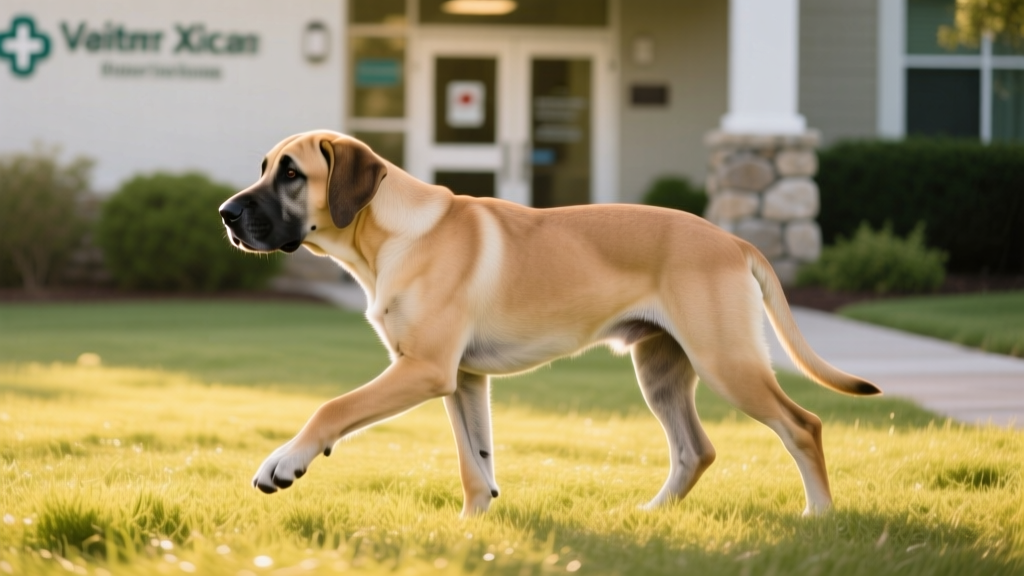
Bluetick Coonhound Puppies: Week-by-Week Care, Feeding & Training Guide
Complete guide to raising Bluetick Coonhound puppies: age milestones, feeding schedules, potty training timelines, vaccination charts, and first-year costs.

Bluetick Coonhound puppies are a handful in the best possible way. Those floppy ears, that mottled blue coat, and a nose that's already cataloging every scent in the room by eight weeks old — you're bringing home a scenthound with centuries of breeding behind those instincts. But those same instincts mean raising a Bluetick puppy looks different from raising a Labrador or a Golden Retriever. They're vocal, they're food-motivated to an extreme, and their prey drive kicks in earlier than most owners expect.
This guide walks you through every developmental stage from the moment you bring your Bluetick Coonhound puppy home through their first year, with breed-specific expectations, exact feeding portions, and realistic timelines. No fluff — just the specifics you need to raise a well-adjusted coonhound.
When to Bring Your Bluetick Coonhound Puppy Home
The ideal window for bringing a Bluetick Coonhound puppy home is 8 to 10 weeks of age. While some breeders of working coonhounds release puppies at 7 weeks, the American Kennel Club and most veterinary behaviorists recommend waiting until at least 8 weeks. Those extra days with littermates teach bite inhibition and canine social signals that you simply cannot replicate in a human household.
For Bluetick Coonhounds specifically, the 8-to-10-week window matters because this breed matures slowly. They retain puppy behaviors — including mouthiness and separation distress — longer than many sporting breeds. A puppy pulled too early from the litter often develops more intense vocalization problems (baying, howling when left alone) that are harder to modify later.
Bluetick Coonhound Puppy Milestones: Week by Week
Bluetick Coonhounds follow the standard canine developmental timeline but with breed-specific quirks — particularly around scent imprinting and vocalization that emerge earlier than in non-scenthound breeds.
Weeks 4–8 (Still with Breeder)
- Weight: 4–10 lb (1.8–4.5 kg) depending on litter size and genetics
- Senses: Full hearing and vision; beginning to track scents with nose to ground
- Social: Littermate play establishes bite inhibition; first fear period begins around week 8
- Breed-specific: Early vocalization appears — puppies start experimenting with baying sounds during play
- What the breeder should do: Introduce varied textures (grass, gravel, wood), begin crate exposure with littermates, start name recognition
Weeks 8–12 (Home Transition)
- Weight: 10–18 lb (4.5–8.2 kg)
- Physical: Rapid growth; clumsy coordination as legs grow faster than body awareness
- Behavioral: Peak of first fear period (8–11 weeks) — negative experiences can create lasting phobias
- Breed-specific: Scent-tracking behavior becomes obvious; puppy will follow trails in your yard with nose down
- Critical task: Begin socialization exposures immediately (see checklist below) before the primary socialization window closes at 14 weeks
Weeks 12–16 (Foundation Training)
- Weight: 18–28 lb (8.2–12.7 kg)
- Physical: Adult teeth begin erupting around 12–14 weeks; chewing intensity increases dramatically
- Behavioral: Second fear period may begin around 14 weeks; puppy may suddenly become wary of previously familiar things
- Breed-specific: Prey drive activates — puppy will chase squirrels, rabbits, and moving objects with increasing focus
- Critical task: Reliable recall training must begin now before prey drive overrides responsiveness
Weeks 16–24 (Adolescence Begins)
- Weight: 28–45 lb (12.7–20.4 kg)
- Physical: Teething peaks between 4–6 months; adult teeth fully in by 6–7 months
- Behavioral: Testing boundaries; recall reliability often drops as independence increases
- Breed-specific: Vocalization may increase — baying at stimuli, howling when crated or left alone
- Critical task: Increase structured exercise; begin introducing long-line work for safe off-leash training in open areas
6–12 Months (Late Adolescence)
- Weight: 45–65 lb (20.4–29.5 kg) — females typically 45–55 lb, males 55–65 lb
- Physical: Approaching adult height by 10–12 months; will continue filling out until 18–24 months
- Behavioral: Sexual maturity (if intact, females may enter first heat around 6–9 months); energy levels remain very high
- Breed-specific: Full coonhound instincts now present — the puppy will reliably track scents, bay at quarry, and may become difficult to recall once on a trail
- Critical task: Spay/neuter discussion with your vet if not already done; consider introduction to structured scent work or coonhound field events as an outlet
Feeding Schedule: Exact Portions for Bluetick Coonhound Puppies
Bluetick Coonhounds are prone to rapid eating and bloat (gastric dilatation-volvulus), so feeding management is not optional — it's a health necessity. Always use a slow-feeder bowl and never exercise your puppy for at least 60 minutes before or after meals.
| Age | Meals Per Day | Daily Total (Cups) | Calories/Day | Food Type |
|---|---|---|---|---|
| 8–12 weeks | 4 meals | 1.5–2.5 cups | 500–700 kcal | Large-breed puppy formula (22–28% protein, 12–17% fat) |
| 12–16 weeks | 3 meals | 2.0–3.0 cups | 700–900 kcal | Large-breed puppy formula |
| 4–6 months | 3 meals | 2.5–3.5 cups | 900–1,100 kcal | Large-breed puppy formula |
| 6–9 months | 2 meals | 3.0–4.0 cups | 1,100–1,400 kcal | Transition to adult large-breed formula |
| 9–12 months | 2 meals | 3.5–4.5 cups | 1,300–1,600 kcal | Adult large-breed formula (22–26% protein, 10–15% fat) |
Important: These ranges assume a kibble with approximately 350–400 kcal per cup. Always check your specific food's caloric density and adjust. Consult your veterinarian to assess your puppy's body condition score (BCS) — you should be able to feel ribs easily without pressing, and see a visible waist from above.
Choose a food that meets AAFCO standards for growth or all life stages. For large-breed puppies like Blueticks, the food must specifically state it meets AAFCO nutrient profiles for large-breed growth — this ensures controlled calcium and phosphorus ratios to protect developing joints.
Vaccination Schedule for Bluetick Coonhound Puppies
Bluetick Coonhounds follow the standard core vaccination protocol, but because they are a hunting breed that will be exposed to wildlife, standing water, and other dogs in field environments, your veterinarian may recommend additional non-core vaccines.
| Age | Vaccine | Type | Notes |
|---|---|---|---|
| 6–8 weeks | DHPP (Distemper, Hepatitis, Parainfluenza, Parvovirus) | Core | First dose; maternal antibodies may still provide partial protection |
| 10–12 weeks | DHPP booster + Bordetella + Leptospirosis | Core + Non-core | Bordetella and Lepto strongly recommended for hunting/field dogs exposed to wildlife and kennel environments |
| 14–16 weeks | DHPP final booster + Rabies (12–16 weeks, per state law) | Core | Final DHPP ensures protection after maternal antibodies wane; Rabies is legally required |
| 12 months | DHPP booster + Rabies booster + Lepto booster | Core + Non-core | After this, DHPP moves to every 3 years; Rabies per local law (1 or 3 year); Lepto annually if risk continues |
Lyme disease vaccine: Discuss with your veterinarian if you live in or hunt in tick-endemic areas (Northeast, Upper Midwest, Pacific Northwest). Bluetick Coonhounds working in brush and tall grass have high tick exposure.
Socialization Window: Weeks 3–14 Exposure Checklist
The primary socialization window for puppies closes between 12 and 14 weeks of age, according to the American Veterinary Medical Association. For Bluetick Coonhounds, this window is especially critical because the breed's natural wariness of strangers and strong environmental sensitivity can harden into fearfulness without deliberate early exposure.
Before your puppy completes vaccinations, carry them in a sling or backpack to public places rather than letting them walk on high-traffic ground. Avoid dog parks until the full DHPP series is complete.
Potty Training Timeline: Realistic Expectations for Bluetick Coonhounds
Here's the honest answer to "when will my Bluetick Coonhound puppy be fully potty trained": expect 4 to 6 months for reliable house training, with occasional accidents up to 8–10 months. Bluetick Coonhounds are not the fastest breed to house train. They're scent-driven and easily distracted, which means they often forget to eliminate when outside because they're too busy tracking smells.
Age-based bladder capacity guide: A puppy can typically hold their bladder for one hour per month of age, plus one. So a 3-month-old Bluetick can hold for roughly 4 hours during the day — but this is a maximum, not a target. Take them out more frequently.
| Age | Outdoor Trips Per Day | Expected Accident Frequency | Nighttime Hold |
|---|---|---|---|
| 8–10 weeks | Every 30–60 min (12–15 trips) | Multiple daily — this is normal | 2–3 hours (set overnight alarm) |
| 10–14 weeks | Every 60–90 min (8–12 trips) | 1–3 per week if consistent | 3–4 hours |
| 14–20 weeks | Every 2 hours (6–8 trips) | 0–2 per week | 5–6 hours |
| 5–6 months | Every 2–3 hours (5–6 trips) | 0–1 per week | 7–8 hours (sleeping through the night) |
| 6+ months | Every 3–4 hours (4–5 trips) | Rare — consult vet if frequent | 8–10 hours |
Breed-specific potty training tip: Take your Bluetick puppy to the same spot every time. Their scent-driven nature means they'll recognize the area and associate it with elimination. Use a consistent verbal cue like "go potty" and reward immediately with a high-value treat (freeze-dried liver works well for food-motivated hounds) the moment they finish.
Troubleshooting — puppy won't go outside: This is extremely common with Bluetick puppies. They get outside and immediately put their nose down to track, forgetting why they're there. Solution: Take them to their spot on leash, stand still, and wait. Don't let them roam. Most will eliminate within 5–10 minutes once the initial scent distraction passes. If they don't go after 15 minutes, bring them inside, crate for 10 minutes, and try again.
Crate Training Progression and Time Limits
Crate training is essential for Bluetick Coonhound puppies. This breed is notorious for destructive chewing and counter-surfing when unsupervised, and their powerful jaws can destroy furniture, baseboards, and drywall in minutes. A crate keeps them safe and accelerates potty training.
Use a 42-inch wire crate (such as the MidWest iCrate or Frisco Heavy Duty) with an adjustable divider panel. Start with the divider set to give your puppy just enough room to stand, turn around, and lie down — excess space invites them to eliminate in one corner and sleep in another.
| Puppy Age | Maximum Crate Time (Daytime) | Nighttime | Training Focus |
|---|---|---|---|
| 8–10 weeks | 30–60 minutes | 2–3 hours (alarm needed) | Positive association only — feed meals in crate, toss treats inside |
| 10–14 weeks | 1–2 hours | 3–4 hours | Begin short departures; practice closing door while you're home |
| 14–20 weeks | 2–3 hours | 5–6 hours | Work on settling quietly; cover crate if puppy is visually stimulated |
| 5–6 months | 3–4 hours | 7–8 hours | Puppy should enter crate willingly; provide frozen Kong for long sessions |
| 6+ months | 4–5 hours maximum | 8–10 hours | Transition to leaving crate door open when home; assess readiness for more freedom by 12–18 months |
Bluetick-specific crate challenge: This breed is vocal. Expect your puppy to bay, howl, and whine when first crated, especially at night. This is normal and does not mean the crate is causing distress. Do not release the puppy while they are vocalizing — this teaches them that noise opens the door. Wait for a minimum of 5 seconds of silence before opening. Most Bluetick puppies adapt to crate routines within 7–14 days if you're consistent.
Teething Timeline and Safe Chew Strategies
Bluetick Coonhound puppies have extraordinarily powerful jaws even before their adult teeth come in. Teething typically follows this pattern:
- 3–4 weeks: Deciduous (baby) teeth erupt — 28 total
- 12–14 weeks: Baby incisors begin falling out; adult incisors erupt
- 14–16 weeks: Adult canines and premolars emerge — peak discomfort period
- 4–6 months: Peak chewing intensity; puppy will seek out hard objects to relieve gum pressure
- 6–7 months: All 42 adult teeth should be in; have your vet check for retained baby teeth at the spay/neuter appointment
Safe chew recommendations for Bluetick puppies:
- Benebone Wishbone (puppy size): Nylon chew flavored with bacon or chicken — holds up to hound jaws better than most rubber toys. Replace when worn down by 25%.
- Kong Classic (red, medium): Stuff with peanut butter (xylitol-free) and freeze for 2–4 hours. Provides 20–40 minutes of occupied chewing.
- Frozen carrots or apple slices: Natural, low-calorie, and soothing on gums. Supervise to prevent choking on large pieces.
- Bully sticks (6-inch, odor-free): Excellent for heavy chewers but always supervise and remove when the piece becomes small enough to swallow whole.
Common Bluetick Coonhound Puppy Problems and Solutions
Puppy Biting and Nipping
Bluetick puppies are mouthy — more so than many breeds. They were bred to grab and hold quarry, and that instinct manifests as persistent nipping during play. This is not aggression; it's normal breed behavior that needs redirecting.
Solution protocol:
- When teeth touch skin, immediately say "ouch" in a calm, flat tone (not a high-pitched yelp, which can excite some hounds more)
- Withdraw attention for 10–15 seconds — turn away or step behind a baby gate
- Return and offer an appropriate chew toy
- If puppy bites again, end the play session entirely for 2–3 minutes
- Never use physical punishment, alpha rolls, or muzzle-grabbing — these methods increase anxiety and can worsen biting or create fear-based aggression
Expect biting to decrease noticeably by 16–20 weeks as adult teeth come in and bite inhibition improves with consistent feedback. Some Blueticks remain mouthy (carrying hands gently, "grooming" with front teeth) into adulthood — this is a breed trait, not a behavior problem, as long as no pressure is applied.
Excessive Whining and Baying
Bluetick Coonhounds are one of the most vocal breeds in the hound group. Puppies begin experimenting with vocalizations as early as 6–8 weeks, and by 4–5 months, many will bay at stimuli (strangers, animals outside, unusual sounds).
Management strategies:
- Never reward vocalization with attention, release from crate, or treats — this reinforces the behavior
- Teach a "quiet" cue: wait for a natural pause in barking, say "quiet," mark with a clicker or "yes," and reward the silence
- Provide adequate physical exercise (30–45 minutes of structured activity for puppies under 6 months, increasing to 60+ minutes after 6 months) and mental enrichment — a tired coonhound is a quiet coonhound
- Use white noise or calming music when crated to reduce environmental triggers
Destructive Chewing Beyond Teething
Bluetick Coonhounds often continue heavy chewing well past the teething phase, sometimes into their second year. This is driven by boredom and insufficient exercise as much as by dental development.
Prevention: Puppy-proof your home thoroughly — Blueticks can reach counters by 5–6 months and will eat anything that smells like food. Provide a rotation of 5–7 appropriate chew toys (rotate every 2–3 days to maintain novelty). Ensure at least two structured exercise sessions daily. Consider dog-proofing products like bitter apple spray on baseboards and furniture legs during the first year.
When Can My Bluetick Puppy Go Outside and Meet Other Dogs?
This is one of the most common questions from new Bluetick Coonhound puppy owners, and the answer requires balancing disease risk against the closing socialization window.
What's safe before full vaccination (before 16 weeks):
- Your own yard (if no unknown dogs have access)
- Carried outings in a sling or backpack to stores, outdoor markets, and friends' homes
- Playdates with fully vaccinated, healthy dogs in private yards
- Puppy kindergarten classes that require proof of at least one DHPP vaccine (recommended by the AVMA — the socialization benefit outweighs the small disease risk in controlled environments)
What to avoid until the full DHPP series is complete (typically 16+ weeks):
- Dog parks (parvovirus can survive in soil for months to years)
- High-traffic pet store floors
- Unknown dogs with uncertain vaccination status
- Areas where wildlife (raccoons, coyotes, deer) frequently defecate
After full vaccination (16+ weeks, 7–10 days after final DHPP): Your puppy can safely explore public trails, meet new dogs, attend group training classes, and visit dog-friendly businesses. For a Bluetick Coonhound, this is when structured leash walks in varied environments should become a daily routine — exposure to different terrain, wildlife scents, and outdoor stimuli builds confidence and channels their tracking instincts appropriately.
First-Year Cost Breakdown for a Bluetick Coonhound Puppy
Budgeting accurately for a Bluetick Coonhound puppy helps you avoid surprises. Costs below reflect 2026 averages based on national veterinary pricing data and may vary by region (urban areas typically run 20–40% higher than rural areas).
| Category | Item | Estimated Cost |
|---|---|---|
| Purchase/Adoption | AKC-registered breeder puppy | $800–$1,500 |
| Rescue/adoption fee | $200–$450 | |
| Note: Avoid puppies priced under $500 from unknown sources — often backyard breeders or puppy mills | ||
| Veterinary | Initial exam + vaccination series (3 visits) | $300–$500 |
| Spay/neuter (6–12 months) | $400–$800 | |
| Heartworm + flea/tick prevention (12 months) | $200–$400 | |
| Microchip + deworming | $75–$150 | |
| Food | Large-breed puppy food (12 months, ~25 bags at 30 lb) | $500–$900 |
| Treats and chews | $150–$300 | |
| Supplies | 42-inch wire crate with divider | $60–$120 |
| Collar, leash, harness, ID tags | $50–$100 | |
| Toys, chews, slow-feeder bowl, Kong | $80–$150 | |
| Enzymatic ear cleaner (essential for drop-eared breeds) | $15–$25 | |
| Training | Puppy kindergarten class (6–8 weeks) | $150–$300 |
| Basic obedience or scent work class | $150–$350 | |
| TOTAL ESTIMATED FIRST YEAR | $2,930–$5,595 |
Additional costs to plan for: Pet insurance ($35–$70/month for a large-breed puppy, depending on coverage level) and an emergency fund of at least $1,000–$2,000. Bluetick Coonhounds are generally healthy, but their deep chests put them at risk for bloat (GDV), which requires emergency surgery costing $3,000–$7,000. Knowing the signs of bloat — unproductive retching, distended abdomen, restlessness, pale gums — and having a plan to reach an emergency vet immediately can save your dog's life.
Frequently Asked Questions
How often should I feed my Bluetick Coonhound puppy at 10 weeks old?
At 10 weeks, feed four meals per day spaced approximately 4 hours apart (e.g., 7 AM, 11 AM, 3 PM, 7 PM). Total daily intake should be approximately 1.5–2.5 cups of large-breed puppy kibble divided across those four meals. Transition to three meals at 12 weeks.
When will my Bluetick Coonhound puppy stop having accidents in the house?
Most Bluetick Coonhound puppies achieve reliable house training between 4 and 6 months of age with consistent scheduling. Occasional accidents — especially when the puppy is excited, after a change in routine, or during a growth spurt — can happen up to 8–10 months. If accidents persist past 6 months despite consistent training, consult your veterinarian to rule out urinary tract infections or other medical causes.
How do I stop my Bluetick Coonhound puppy from biting my hands and ankles?
Use the redirect-and-withdraw method: when teeth touch skin, calmly say "ouch," withdraw attention for 10–15 seconds, then return with an appropriate chew toy. For ankle-biting specifically (common in herding and hound breeds), keep a tug toy accessible during high-energy periods and redirect to the toy before the puppy targets your ankles. Ensure your puppy gets adequate exercise — overtired puppies bite more, not less.
Can I take my Bluetick Coonhound puppy hiking before all vaccines are done?
You can carry your puppy on hikes in a backpack or sling, which provides excellent socialization to outdoor sounds, terrain views, and wildlife scents without disease exposure. Letting the puppy walk on public trails before completing the DHPP series (typically 16 weeks) is not recommended due to parvovirus risk. Private, fenced trails where no unknown dogs have access are a safer option for ground-level exploration.
My Bluetick puppy howls all night in the crate. Is this normal and will it stop?
Yes, this is normal breed behavior, and yes, it typically improves within 2–3 weeks of consistent crate training. Do not release the puppy while vocalizing. Use a white noise machine placed near the crate, keep the crate in your bedroom for the first few weeks so the puppy can smell and hear you, and ensure the puppy is adequately exercised and mentally stimulated before bedtime. If howling persists beyond 3–4 weeks despite consistent training, consult a certified professional dog trainer (CPDT-KA or IAABC credentialed) for individualized guidance.
Are Bluetick Coonhounds good with children?
Well-socialized Bluetick Coonhounds are generally excellent with children — they're sturdy, tolerant, and playful. However, Bluetick puppies are rambunctious and can knock over toddlers during play. Always supervise interactions between puppies and children under 10, and teach children not to disturb the puppy while eating or sleeping. Early socialization with children of various ages during the 8–14 week window is critical for building positive associations.
Anouk Beaumont
All our authors care for dogs every day — read more of their work on the authors page.