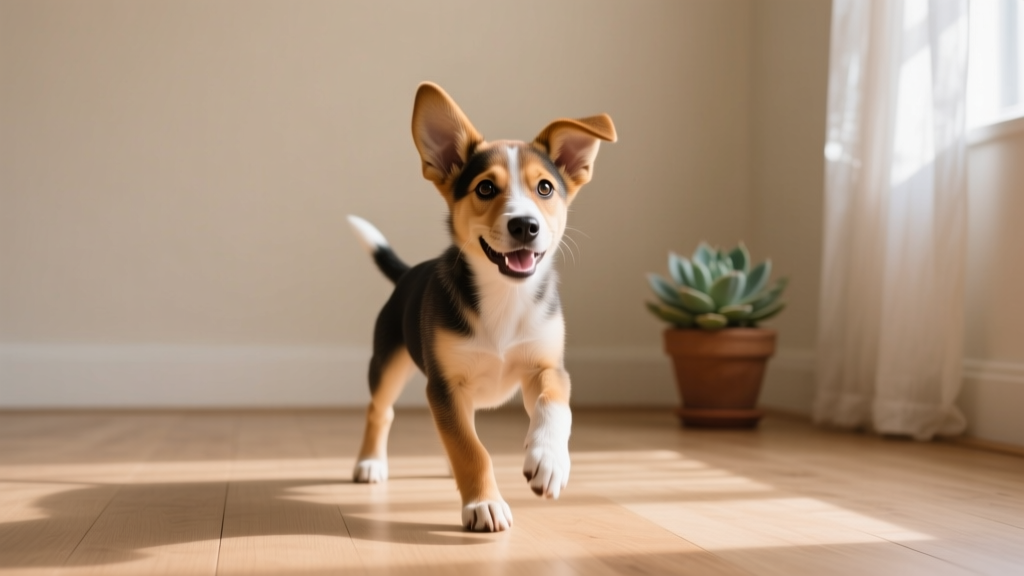
Bichon Dog Puppy Care Guide: Milestones, Feeding & Training
Complete bichon dog puppy guide covering feeding schedules, vaccination timelines, potty training, socialization windows, and first-year costs for Bichon Frise owners.

The Bichon Frise is a small, cheerful companion dog known for its hypoallergenic curly coat and playful temperament. But raising a bichon dog puppy comes with breed-specific challenges — from their notoriously stubborn potty training to their intense social needs and delicate jaw structure during teething. This guide walks you through every developmental stage with concrete timelines, portion sizes, and solutions to the problems Bichon owners actually face.
When Should You Bring Your Bichon Puppy Home?
Reputable Bichon Frise breeders typically release puppies between 10 and 12 weeks of age, not the 8 weeks common for larger breeds. This extended time with the mother and littermates is deliberate: Bichons are a small, emotionally sensitive breed, and the additional weeks support better bite inhibition, confidence, and stress resilience.
Bringing a Bichon puppy home at 8 weeks is possible but increases the risk of separation anxiety and fear-based behaviors later. According to the American Kennel Club, toy and small breeds benefit from the 10-12 week window because they mature more slowly in terms of emotional regulation.
What to expect on day one: Your 10-12 week Bichon puppy will likely weigh between 3.5 and 5.5 lb (1.6–2.5 kg). Expect the first 48 hours to involve disrupted sleep, whimpering, and possible appetite suppression. Set up the crate in your bedroom — Bichons are velcro dogs and isolation worsens their stress significantly.
Bichon Puppy Development: Age-Specific Milestones
Understanding what's developmentally appropriate at each stage prevents unrealistic expectations and helps you time training interventions correctly.
Weeks 4–8: The Litter Stage (Breeder's Domain)
- Eyes fully open; hearing develops completely by week 4
- Deciduous (baby) teeth erupt — 28 teeth total by week 6
- Social play with littermates peaks; bite inhibition learning begins
- Introduction to solid food (puppy kibble softened with warm water or puppy formula)
- First deworming at week 4, second at week 6; first DHPP vaccine at 6-8 weeks
- Weight: typically 1.5–3 lb (0.7–1.4 kg) by week 8
Weeks 8–12: The Transition Home
- Primary socialization window opens — this is the most critical period for exposure
- Attention span: 5–10 minutes maximum per training session
- Bladder capacity: approximately 1 hour per month of age (so 2-3 hours at this stage)
- Fear periods may emerge around 8-10 weeks — avoid traumatic experiences
- Weight gain: roughly 0.5 lb (0.2 kg) per week
- Crate tolerance: 1–2 hours during the day, up to 4 hours overnight (with a potty break)
Weeks 12–16: Building Foundations
- Second fear period often hits around 12 weeks — previously confident puppies may suddenly startle at familiar objects
- Can hold bladder for 3-4 hours during the day
- Basic cues (sit, name recognition, come) become reliable with daily practice
- Adult coat begins to mix with puppy coat — grooming habits must be established now
- Weight: typically 6–9 lb (2.7–4.1 kg)
Weeks 16–24: Adolescence Begins
- Teething peaks between 4-6 months — expect intense chewing and possible appetite drops
- Testing boundaries: selective hearing on recall, jumping, counter-surfing may emerge
- Bladder control improves to 5-6 hours
- Spay/neuter typically scheduled around 6 months (discuss timing with your vet)
- Weight: approaching 10–14 lb (4.5–6.4 kg), nearing adult size
6–12 Months: The Teenage Phase
- Adult teeth fully in by 7 months — 42 permanent teeth
- Coat transitions fully to adult texture; matting risk increases dramatically without daily brushing
- Energy remains high but attention span lengthens to 15-20 minutes
- Emotional maturity: Bichons often remain puppy-like in playfulness well past 1 year
- Adult weight range: 12–18 lb (5.4–8.2 kg) per AKC breed standard
Feeding Schedule: Exact Portions by Age and Weight
Bichon Frise puppies are prone to hypoglycemia (low blood sugar) in the first few months due to their small body mass. Consistent meal timing is not optional — it's a health requirement. Feed a small-breed puppy formula that meets AAFCO nutritional standards for growth, with a minimum of 22% protein and 8.5% fat on a dry matter basis.
| Age | Weight Range | Meals Per Day | Portion Per Meal | Total Daily Amount |
|---|---|---|---|---|
| 8–12 weeks | 3–5.5 lb (1.4–2.5 kg) | 4 | ⅛ – ¼ cup | ½ – 1 cup |
| 3–4 months | 5.5–8 lb (2.5–3.6 kg) | 3 | ¼ – ⅓ cup | ¾ – 1 cup |
| 4–6 months | 8–11 lb (3.6–5 kg) | 3 | ⅓ – ½ cup | 1 – 1½ cups |
| 6–9 months | 11–14 lb (5–6.4 kg) | 2 | ½ – ⅔ cup | 1 – 1⅓ cups |
| 9–12 months | 12–18 lb (5.4–8.2 kg) | 2 | ½ – ¾ cup | 1 – 1½ cups |
Key feeding rules for Bichon puppies:
- Never free-feed. Bichons are prone to obesity, and scheduled meals let you monitor appetite changes (an early illness indicator).
- If your 8-12 week puppy skips a meal, offer a small amount of plain boiled chicken and white rice. If they refuse two consecutive meals, contact your vet — toy breeds can develop hypoglycemia within 8-12 hours of not eating.
- Transition to adult small-breed food between 10-12 months, mixing 25% new food with 75% puppy food and increasing the ratio over 7-10 days.
- Fresh water must be available at all times. Bichons are prone to urinary crystals, and adequate hydration is preventive.
Vaccination Schedule: What Your Bichon Puppy Needs and When
Bichon Frise puppies follow the standard core vaccine protocol, but because they're often kept in close-contact environments (grooming salons, doggy daycare, apartment hallways), the Bordetella and canine influenza vaccines are strongly recommended alongside core shots.
| Age | Vaccine | Notes |
|---|---|---|
| 6–8 weeks | DHPP (1st dose) | Distemper, Hepatitis (Adenovirus), Parainfluenza, Parvovirus |
| 10–12 weeks | DHPP (2nd dose) + Bordetella | Bordetella is essential if puppy will attend group training or be groomed |
| 14–16 weeks | DHPP (3rd dose) + Rabies | Rabies is legally required in most US jurisdictions; DHPP 3rd dose ensures full immunity |
| 12–16 weeks | Canine Influenza (H3N2/H3N8, 2-dose series) | Recommended for Bichons in urban areas or those attending daycare |
| 12 months | DHPP booster + Rabies booster | After this, vaccines typically move to 3-year intervals (except Rabies, which varies by law) |
When can your Bichon puppy go outside and meet other dogs? The American Veterinary Medical Association advises that puppies should not visit high-traffic dog areas (dog parks, pet store floors) until at least 7 days after their final DHPP dose at 14-16 weeks. However, controlled exposure to fully vaccinated, healthy adult dogs in private homes is safe and encouraged during the socialization window.
Socialization Window: Weeks 3–14 Exposure Checklist
The primary socialization window for all puppies closes around 14 weeks, according to the Merck Veterinary Manual. For Bichons — a breed prone to separation anxiety and fear-based barking — this window is non-negotiable. Under-socialized Bichons develop excessive alarm barking and clinginess at significantly higher rates.
- Surfaces: Walk on grass, gravel, tile, carpet, metal grates, wet pavement, stairs
- People: Meet at least 10 different people including children, elderly, people wearing hats/sunglasses/masks, delivery workers
- Handling: Gentle touching of paws, ears, mouth, tail — critical for grooming tolerance later
- Objects: Umbrellas opening, vacuum cleaners (at a distance first), plastic bags rustling, car rides
- Sounds: Thunderstorm recordings (low volume, paired with treats), doorbell, clapping, traffic noise
- Animals: Supervised meetings with 3-5 fully vaccinated, calm adult dogs; observe cats from a safe distance if possible
- Environments: Car rides (short, positive), outdoor café patios (carried, pre-vaccine), friend's homes, elevator rides
- Grooming prep: Introduce a soft slicker brush, turn on clippers near puppy (not touching), practice holding still for 30 seconds for a treat
Carry your Bichon puppy in a sling or bag for outdoor exposure before their vaccine series is complete. This allows socialization without paws touching contaminated ground.
Potty Training Your Bichon: Timeline and Troubleshooting
Bichon Frise puppies are widely acknowledged as one of the more difficult small breeds to house-train. Their small bladders, stubborn streak, and sensitivity to weather (many refuse to go outside in rain or cold) create a perfect storm of potty training frustration. Set realistic expectations: most Bichon puppies are reliably house-trained between 5 and 8 months of age, with some taking up to 12 months for full reliability.
Potty Training Timeline
| Age | Bladder Capacity | Expected Accidents/Week | Milestone |
|---|---|---|---|
| 8–12 weeks | 1.5–2.5 hours | 3–5 | Learning the designated spot; crate association established |
| 3–4 months | 3–4 hours | 1–3 | Begins signaling (whining at door, circling) if you're watching |
| 4–6 months | 4–5 hours | 0–2 | More reliable with schedule; regression common during teething |
| 6–9 months | 5–7 hours | 0–1 | Near-reliable indoors; may still struggle in new environments |
| 9–12 months | 7–8 hours | Rare | Full reliability for most Bichons; occasional marking in intact males |
Bichon-Specific Potty Troubleshooting
Problem: Puppy refuses to go outside in rain or cold.
Solution: Teach a potty bell or verbal cue ("go potty") paired with a covered area. Use a puppy raincoat for wet weather. In extreme cold, an indoor pee pad station in a consistent location is acceptable for Bichons — unlike larger breeds, their output volume makes this manageable long-term.
Problem: Puppy has accidents in the crate.
Solution: The crate may be too large. Use a divider so the space is only big enough to stand, turn, and lie down. Bichons will not soil their sleeping area if the space is properly sized. Also, eliminate water 1.5 hours before bedtime for puppies under 4 months.
Problem: Puppy pees when greeting people (submissive urination).
Solution: This is common in Bichons and is not a house-training failure — it's an involuntary stress response. Ignore the puppy for the first 2 minutes when arriving home. Ask visitors to crouch sideways rather than looming over the puppy. Most Bichons outgrow this by 8-10 months.
Crate Training Progression: Time Limits by Age
Crate training is essential for Bichon puppies, both for potty training and for preventing separation anxiety from escalating into destructive behavior. However, exceeding safe confinement times causes distress and undermines the training.
| Age | Max Daytime Crate Time | Max Overnight Crate Time | Notes |
|---|---|---|---|
| 8–10 weeks | 1–1.5 hours | 3–4 hours (expect 1 potty break) | Crate must be in your bedroom |
| 10–12 weeks | 1.5–2 hours | 4–5 hours (may still need 1 break) | Begin short absences from the room |
| 3–4 months | 2–3 hours | 5–6 hours | Can start leaving the house briefly (15-30 min) |
| 4–6 months | 3–4 hours | 6–7 hours | Transition crate to a common area if desired |
| 6–12 months | 4–5 hours | 7–8 hours | Many Bichons are ready for a dog-proofed room instead of a crate by 9-10 months |
Bichon-specific crate tip: Cover the crate with a light blanket on three sides. Bichons are alert, visually stimulated dogs — reducing visual input helps them settle. Place a worn t-shirt with your scent inside. Never use the crate as punishment.
Teething Timeline: Relief Strategies for Bichon Puppies
Bichon puppies begin losing their 28 deciduous teeth around 12-16 weeks, with the full set of 42 adult teeth erupting by 6-7 months. Because Bichons have a relatively narrow jaw and crowded tooth spacing (a breed predisposition to dental disease), teething can be particularly uncomfortable and retained baby teeth are common.
Teething Stages
- 12–16 weeks: Incisors shed first. You may find tiny teeth in bedding or toys — many puppies swallow them, which is harmless.
- 16–20 weeks: Canines and premolars erupt. This is peak chewing intensity. Expect nipping to increase.
- 20–28 weeks: Molars come in. Chewing urgency decreases but gum sensitivity persists.
- 6–7 months: All adult teeth should be in. Have your vet check for retained deciduous teeth at the 6-month visit — Bichons frequently need baby canines extracted to prevent adult tooth displacement.
Safe Chew Recommendations
- Frozen washcloth: Wet a clean washcloth, twist into a rope, freeze for 2 hours. Supervise use; remove when pieces start tearing off.
- Kong Classic (XS or Small for Bichon puppies): Stuff with plain pumpkin puree or soaked kibble and freeze. The rubber density is appropriate for small-breed puppy jaws.
- Benebone Puppy (Small): Nylon chew designed for puppies under 30 lb. Softer than adult versions to protect developing teeth.
- Avoid: Rawhide (choking and blockage risk for small dogs), antlers (too hard — risk of tooth fracture), any chew smaller than the puppy's mouth that could be swallowed whole.
Common Bichon Puppy Problems and Solutions
Every breed has its puppy-stage quirks. Here are the issues Bichon owners encounter most frequently, with breed-specific solutions.
Puppy Biting and Nipping
Bichon puppies are mouthy — not aggressive, but persistent. Their playful nature and high social drive mean they use their mouths to initiate interaction. How to stop puppy biting:
- When teeth touch skin, immediately say "ouch" in a calm, flat tone and withdraw attention for 10-15 seconds (stand up, turn away, or step behind a baby gate).
- Redirect to an appropriate chew toy. Praise calmly when they chew the toy.
- Ensure the puppy gets 2-3 structured play sessions daily (tug with rules, fetch, puzzle toys) — under-exercised puppies bite more.
- Never hold the mouth shut, slap, or use physical punishment. These methods increase fear-based biting in sensitive breeds like the Bichon.
- If nipping intensifies around 5-6 PM, the puppy is likely overtired. Enforce a crate nap — puppies need 18-20 hours of sleep per day at this age.
Excessive Whining and Crying
Bichons are vocal dogs. Puppy whining typically stems from one of three causes: physical need (potty, hunger, temperature), anxiety (separation, new environment), or learned behavior (whining produces attention).
Solution framework: First, rule out physical needs. If the puppy has been recently fed, pottied, and is in a comfortable temperature, the whining is likely anxiety or attention-seeking. For anxiety-based whining in the crate, place the crate near you and gradually increase distance over weeks. For attention-seeking whining, wait for 3 seconds of silence before responding — rewarding even brief quiet teaches that silence, not noise, produces results.
Destructive Chewing
Bichon puppies are less destructive than retrievers or shepherds, but they will chew shoes, cords, and furniture legs during teething. Puppy-proof by using bitter apple spray on furniture legs, keeping shoes in closed closets, and using cord protectors. Provide 4-5 rotating chew options — novelty maintains interest.
First-Year Cost Breakdown: Budgeting for Your Bichon Puppy
Bichon Frise puppies carry higher grooming costs than most breeds their size, and their predisposition to certain health conditions means preventive care spending is non-negotiable. Here's a realistic 2026 budget:
| Category | Low End | Average | High End | Notes |
|---|---|---|---|---|
| Puppy purchase (from responsible breeder) | $1,500 | $2,200 | $3,500+ | AKC-registered, health-tested parents; rescue/adoption: $200–$600 |
| Veterinary care (vaccines, exams, spay/neuter) | $800 | $1,200 | $1,800 | Includes retained tooth extraction if needed ($200–$400 per tooth) |
| Food (small-breed puppy formula) | $300 | $450 | $600 | Premium brands: $3–$5/lb; mid-range: $1.50–$3/lb |
| Grooming (professional, every 4-6 weeks) | $600 | $900 | $1,200 | Bichons require professional grooming; $75–$120 per session, 8-10 times/year |
| Supplies (crate, bed, toys, leash, bowls, gates) | $200 | $350 | $500 | One-time purchases; replace toys quarterly |
| Training (group puppy class + basic obedience) | $150 | $300 | $600 | Private sessions: $80–$150/hour if behavioral issues arise |
| Pet insurance (annual premium) | $400 | $600 | $900 | Enroll at 8-10 weeks to cover congenital conditions; Bichons are prone to allergies and patellar luxation |
| Miscellaneous (pooper bags, enzymatic cleaner, supplements) | $100 | $200 | $350 | Enzymatic cleaner is essential for potty training accidents |
Estimated first-year total: $4,050 – $9,450 (depending on purchase source, location, and whether unexpected health issues arise). After the first year, annual costs typically settle to $1,800 – $3,200, with grooming remaining the largest recurring expense.
Frequently Asked Questions
How often should I feed my Bichon puppy at 3 months old?
At 3 months (12 weeks), feed your Bichon puppy 3 meals per day, approximately ¼ to ⅓ cup of small-breed puppy kibble per meal. Space meals evenly — for example, 7 AM, 12 PM, and 5 PM. Consistent timing supports both potty training predictability and blood sugar stability.
When will my Bichon puppy be fully potty trained?
Most Bichon Frise puppies achieve reliable house training between 5 and 8 months of age, with some individuals taking up to 12 months. Consistency in schedule, crate training, and positive reinforcement for outdoor elimination are the strongest predictors of faster training. Submissive urination may persist slightly longer but typically resolves by 10 months.
What vaccines does my Bichon puppy need and when?
Core vaccines include DHPP at 6-8 weeks, 10-12 weeks, and 14-16 weeks, plus Rabies at 14-16 weeks. Non-core but strongly recommended for Bichons: Bordetella (10-12 weeks) and Canine Influenza (12-16 weeks, 2-dose series). Your veterinarian will tailor the schedule based on local disease prevalence and your puppy's lifestyle.
How do I stop my Bichon puppy from biting and nipping?
Use the "ouch and withdraw" method: say "ouch" calmly when teeth touch skin, then remove attention for 10-15 seconds. Redirect to an appropriate chew toy and praise. Ensure 18-20 hours of sleep per day and 2-3 structured play sessions. Avoid physical punishment, which increases fear-based biting in this sensitive breed. Most nipping decreases significantly by 5-6 months as adult teeth come in.
When can my Bichon puppy go outside and meet other dogs?
Controlled exposure to fully vaccinated dogs in private homes is safe from 8 weeks onward and essential for socialization. Public areas (dog parks, pet stores, sidewalks with heavy dog traffic) should be avoided until 7 days after the final DHPP vaccine at 14-16 weeks. Carry your puppy in a sling for outdoor socialization before this point.
How do I know if my Bichon puppy is eating enough?
Monitor body condition weekly: you should be able to feel (but not prominently see) the ribs, and the puppy should have a visible waist when viewed from above. Steady weight gain of approximately 0.5 lb (0.2 kg) per week through 4 months is normal. If weight gain stalls for more than 10 days, consult your veterinarian — Bichons can be prone to food sensitivities that affect nutrient absorption.
Raising a Bichon Frise puppy requires patience, especially during the potty training and socialization phases. But the investment in consistent, positive training during these early months pays off in a confident, well-adjusted companion for the next 14-16 years. When in doubt about any health concern, consult your veterinarian — early intervention is always easier than correction.
Aaron Whyte
All our authors care for dogs every day — read more of their work on the authors page.