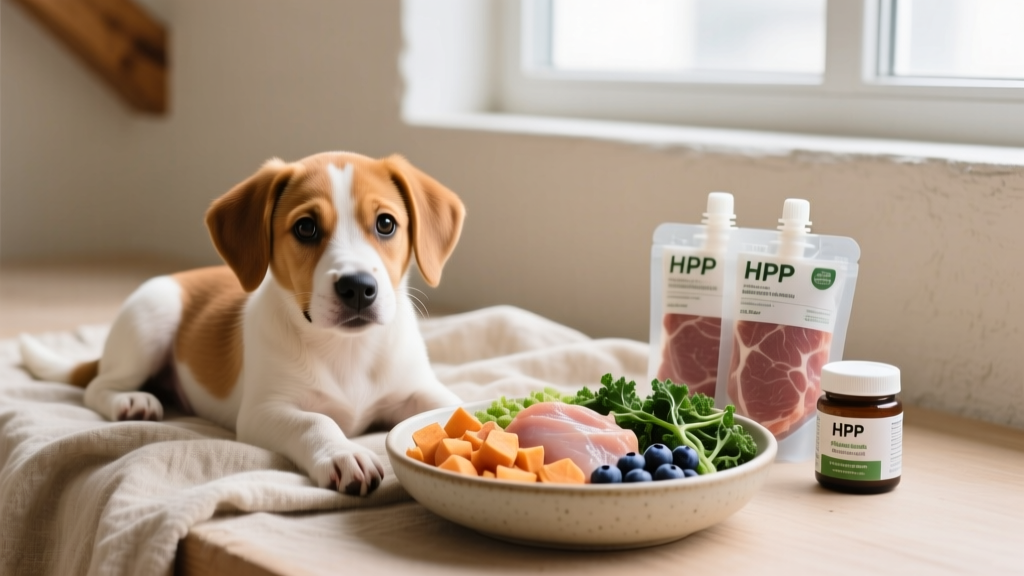
Best Male Puppy Dog Names
Discover the best male puppy dog names for 2026 plus a complete puppy care guide covering feeding, training, vaccines, and milestones from 8 weeks to 1 year.

Choosing the Best Male Puppy Dog Names: Why It Matters More Than You Think
Picking from the best male puppy dog names isn't just about aesthetics — it's the first training decision you'll make. Research in canine cognition shows that dogs respond best to one- to two-syllable names ending in a vowel sound (think "Cooper," "Milo," "Archie"). Hard consonant starts like K, B, or D cut through ambient noise better, making recall training smoother from day one.
Before we get into the full puppy care roadmap — feeding schedules, vaccine timelines, potty training, and everything else — let's tackle the name question head-on. You'll be saying this word thousands of times over the next 12-15 years, so it deserves real thought.
Top 50 Best Male Puppy Dog Names for 2026
| Classic Favorites | Trending / Modern | Strong & Bold | Small Breed Picks | Large Breed Picks |
|---|---|---|---|---|
| Charlie | Bodhi | Thor | Peanut | Kodiak |
| Max | Finnegan | Titan | Pip | Atlas |
| Buddy | Sullivan | Rex | Ziggy | Brutus |
| Jack | Jasper | Blaze | Mochi | Samson |
| Cooper | Arlo | Chief | Tucker | Grizzly |
| Rocky | Ollie | Duke | Biscuit | Magnus |
| Bear | Milo | Gunner | Nugget | Conan |
| Duke | Theo | Apollo | Beans | Odin |
| Tucker | Enzo | Harley | Winston | Hank |
| Oliver | Loki | Bruno | Gizmo | Ruger |
Naming Pro Tip: Avoid names that sound like common commands. "Kit" sounds too close to "sit," "Bo" mimics "no," and "Ray" can confuse with "stay." Test your top three choices by saying them aloud in an excited recall tone — if it feels awkward shouted across a dog park, cross it off.
The Name-Training Connection
Once you've chosen, spend the first 48 hours doing what trainers call "name conditioning." Say your puppy's name, wait for eye contact (even accidental), then immediately reward with a small treat. Aim for 15-20 repetitions per session, 3-4 sessions daily. By day three, most puppies will orient toward their name reliably. This foundation makes every subsequent training step faster.
Puppy Age Milestones: What to Expect Week by Week
Weeks 4–8: The Litter Phase (With Breeder or Rescue)
- Weight gain: Puppies typically double their birth weight by week 5 and triple it by week 8
- Teeth: Deciduous (baby) teeth fully erupted — 28 sharp needles
- Social skills: Learning bite inhibition from littermates; this is why early separation (before 7 weeks) correlates with higher aggression scores in adult dogs
- Senses: Vision and hearing fully functional; startle responses to loud noises develop around week 5
- What you should do: If visiting the litter, handle the puppy gently for 3-5 minutes daily. Ask the breeder about early neurological stimulation (ENS) protocols
Weeks 8–12: The Homecoming Window
- Sleep: 18-20 hours per day is normal — puppies this age need enforced naps
- Bladder capacity: Roughly 1 hour per month of age, so a 2-month-old puppy can hold it approximately 2 hours maximum
- Fear imprint period (8-11 weeks): Negative experiences during this window can create lasting phobias. Keep vet visits positive with high-value treats (boiled chicken, small cheese pieces)
- Bonding: Primary attachment forms now — your puppy is neurologically primed to bond with you
Weeks 12–16: The Confidence Builder
- Energy bursts: Noticeable increase in play drive; 15-20 minute play sessions 3-4 times daily
- Testing boundaries: First signs of willful disobedience — this is normal, not dominance
- Chewing escalation: Pre-teething gum discomfort begins; provide frozen washcloths and rubber chew toys
- Training readiness: Peak cognitive window for learning basic cues (sit, down, come, touch)
Weeks 16–24: The Adolescent Transition
- Teething peak: Adult teeth erupting; expect increased chewing and possible appetite fluctuations
- Second fear period (16-20 weeks): Previously confident puppies may suddenly fear familiar objects or people
- Growth rate: Small breeds reach ~75% adult weight; large breeds reach ~50% adult weight
- Independence: Recall reliability often drops — keep your puppy on a long line (15-30 ft) for outdoor training
Months 6–12: Sexual Maturity and Beyond
- Puberty: Intact males begin marking behavior, typically between 6-9 months; discuss spay/neuter timing with your veterinarian
- Energy peak: Most breeds hit maximum energy output around 8-10 months
- Training consolidation: Skills learned in earlier months either solidify or deteriorate — consistency is critical
- Social maturity: Breed-specific temperament traits become more pronounced (herding instincts, prey drive, guarding tendencies)
Feeding Schedule: Exact Portions by Age and Weight
Feeding frequency and portions change rapidly during the first year. The table below assumes an AAFCO-approved, complete-and-balanced puppy food (look for the AAFCO statement on the bag confirming it meets nutritional requirements for growth). Caloric needs vary by breed, metabolism, and activity level — use this as a starting framework and adjust based on body condition score (BCS).
| Age | Meals/Day | Small Breed (10-25 lb adult) | Medium Breed (26-55 lb adult) | Large Breed (56-100+ lb adult) |
|---|---|---|---|---|
| 8–12 weeks | 4 | ¼ – ½ cup per meal | ½ – ¾ cup per meal | ¾ – 1¼ cups per meal |
| 12–16 weeks | 3 | ⅓ – ⅔ cup per meal | ¾ – 1 cup per meal | 1 – 1¾ cups per meal |
| 4–6 months | 3 | ½ – ¾ cup per meal | 1 – 1½ cups per meal | 1½ – 2½ cups per meal |
| 6–9 months | 2 | ¾ – 1 cup per meal | 1½ – 2 cups per meal | 2½ – 3½ cups per meal |
| 9–12 months | 2 | Transition to adult food | 1¾ – 2½ cups per meal | 3 – 4½ cups per meal |
Critical for large breeds: Feed a food specifically formulated for large-breed puppies (calcium restricted to 1.2-1.5% on a dry matter basis). Excess calcium and rapid growth are linked to developmental orthopedic diseases like hip dysplasia and osteochondrosis, according to the Merck Veterinary Manual.
Transitioning foods: When switching brands or moving from puppy to adult formula, mix 25% new / 75% old for days 1-2, then 50/50 for days 3-4, then 75% new / 25% old for days 5-6, and fully new by day 7. This prevents gastrointestinal upset.
Potty Training Timeline: Realistic Expectations and Troubleshooting
Let's set expectations clearly: most puppies are mostly house-trained by 4-6 months, but full reliability (including overnight and during high-distraction situations) typically takes until 8-12 months. Small breeds often take longer due to smaller bladders and higher metabolisms.
Daily Potty Training Schedule (8-16 Weeks)
| Time | Action | Notes |
|---|---|---|
| 6:30 AM | Immediate outdoor trip (carry puppy, don't wait for walking) | First elimination of the day is urgent — 60 seconds from wake to outside |
| 7:00 AM | Breakfast | — |
| 7:20 AM | Outdoor trip | Most puppies eliminate 10-20 minutes after eating |
| Every 1-2 hours | Scheduled outdoor trip | Set a phone alarm; don't wait for puppy to signal |
| After every nap | Immediate outdoor trip | Puppies almost always need to go after sleeping |
| After every play session | Outdoor trip | Excitement triggers bladder urgency |
| 9:00 PM | Last water offering | Pick up water bowl 2 hours before bedtime |
| 10:30 PM | Final outdoor trip | Keep lights low and interaction minimal |
| 2:00 AM (8-10 wk) | Set alarm for one overnight trip | Phase out by 12-14 weeks as bladder capacity increases |
When Will My Puppy Be Fully Potty Trained?
The general rule: a puppy can hold their bladder for approximately one hour per month of age, plus one. So a 3-month-old puppy can manage roughly 4 hours. However, this is a maximum, not a target — frequent trips outside prevent accidents and reinforce the habit.
Common troubleshooting:
- Submissive/excitement urination: Common in puppies under 6 months. Greet calmly, avoid looming over the puppy, and take outside immediately upon arriving home
- Regression at 4-5 months: Often coincides with teething discomfort or a growth spurt. Return to a tighter schedule for 1-2 weeks
- Surface preference: If your puppy only goes on grass, gradually introduce a concrete or gravel area by placing a grass sod piece on the new surface, reducing grass over successive weeks
When to see the vet: If your puppy is having accidents more than 3 times per day beyond 12 weeks, straining to urinate, producing urine that is dark, bloody, or foul-smelling, or drinking excessively, schedule a veterinary visit to rule out urinary tract infection, diabetes, or congenital kidney issues.
Vaccination Schedule: Core and Non-Core Protection
Your puppy's immune system is immature at birth. Maternal antibodies from colostrum provide temporary protection, but these antibodies also interfere with vaccines — which is why puppies need a series of boosters. The American Veterinary Medical Association (AVMA) recommends the following core schedule:
| Age | Vaccine | What It Protects Against | Notes |
|---|---|---|---|
| 6–8 weeks | DHPP (1st dose) | Distemper, Hepatitis (Adenovirus), Parainfluenza, Parvovirus | Often given by breeder/rescue before pickup |
| 10–12 weeks | DHPP (2nd dose) | Same as above | Booster critical — maternal antibodies may have blocked first dose |
| 10–12 weeks | Bordetella (optional) | Kennel cough | Recommended if attending puppy classes or boarding |
| 12–16 weeks | Rabies | Rabies virus | Legally required in most US states; timing varies by jurisdiction |
| 14–16 weeks | DHPP (3rd dose) | Same as above | Final puppy booster — ensures protection after maternal antibodies wane |
| 14–16 weeks | Leptospirosis (optional) | Leptospira bacteria | Recommended for dogs with outdoor/wildlife exposure |
| 12+ months | DHPP + Rabies booster | All core diseases | Then every 1-3 years per vet recommendation |
Cost range: Expect to pay $75-$150 per visit for puppy vaccinations at a general practice vet. Low-cost clinics (often run by local shelters or ASPCA partners) may offer packages for $50-$80 per visit. Total first-year vaccine costs typically run $200-$450.
The Critical Socialization Window: Weeks 3–14
This is arguably the most time-sensitive aspect of puppy raising. The primary socialization period closes around 12-14 weeks of age, according to the American Kennel Club. What your puppy experiences — or doesn't experience — during this window shapes their adult temperament permanently.
Safety rule: Until your puppy has completed their full DHPP series (typically at 16 weeks), avoid public dog parks, pet store floors, and areas with unknown dog traffic. Parvovirus can survive in soil for over a year and is frequently fatal in unvaccinated puppies. Carry your puppy in a sling or stroller for outdoor socialization during this vulnerable period.
Teething Timeline and Relief Strategies (3–6 Months)
Puppies have 28 deciduous teeth that begin erupting around 3-4 weeks and are fully in by 6-8 weeks. The transition to 42 adult teeth follows this pattern:
- 3–4 months: Incisors begin loosening; you may find tiny teeth in bedding or toys
- 4–5 months: Canines and premolars erupt; this is peak discomfort — expect the most destructive chewing during this phase
- 5–6 months: Molars come in; most puppies have their full adult set by 6-7 months
Safe Chew Recommendations
| Product Type | Examples | Age Range | Safety Notes |
|---|---|---|---|
| Rubber food-dispensing toys | Kong Classic (puppy size), West Paw Toppl | 8 weeks+ | Freeze with peanut butter or yogurt for extended engagement |
| Edible chews | Bully sticks (6-inch, odor-free), Earth Animal No-Hide | 12 weeks+ | Supervise always; remove when piece is small enough to swallow whole |
| Frozen items | Frozen carrots, ice cubes, wet washcloth twisted and frozen | 8 weeks+ | Cold numbs gums; washcloth should be discarded once threads loosen |
| Nylon chews | Benebone Wishbone, Nylabone Puppy Chew | 12 weeks+ | Choose puppy-specific formulas; adult nylon is too hard for baby teeth |
| Avoid | Rawhide (choking/blockage risk), antlers, cooked bones | — | Cooked bones splinter; antlers are too hard and fracture puppy teeth |
Crate Training Progression with Time Limits
A crate is a management tool and safe space, not a punishment. Maximum crate times by age:
- 8–10 weeks: 30–60 minutes during the day; overnight trips outside every 2-3 hours
- 10–12 weeks: 1–2 hours during the day; overnight stretch of 3-4 hours possible
- 3–4 months: 2–3 hours during the day; overnight stretch of 4-5 hours
- 4–6 months: 3–4 hours during the day; overnight stretch of 6-7 hours
- 6+ months: 4–5 hours maximum during the day; most dogs can sleep 8 hours overnight
Progression method: Days 1-3, feed all meals in the open crate with the door removed. Days 4-7, close the door during meals, open immediately when finished. Week 2, begin closing the door for 5-minute intervals while you're in the room, gradually extending to 15 minutes. Week 3, step out of the room for 1-minute intervals, building to 10 minutes. Never let your puppy "cry it out" — this creates negative crate associations. If whining persists, you've moved too fast; return to the previous successful duration.
Common Puppy Problems and Solutions
How Do I Stop Puppy Biting and Nipping?
Puppy biting is normal — they explore the world with their mouths and have 28 razor-sharp teeth with zero bite inhibition. Here's a proven protocol:
- Redirect: When teeth touch skin, say "oops" calmly (not a startling yell), and immediately offer an appropriate chew toy
- Time-out method: If redirecting fails after 2-3 attempts, stand up and leave the play area for 15-30 seconds. This teaches that biting ends fun — the same lesson littermates teach
- Hand-feeding: Feed 25% of daily kibble by hand during training sessions. This builds gentle-mouth habits and strengthens your bond
- Manage arousal: Most biting escalates when puppies are overtired. If biting intensifies, your puppy likely needs a nap, not more training. Enforce a crate nap
What not to do: Never hold your puppy's mouth shut, shove fingers down their throat, or use physical punishment. These methods increase fear and can escalate biting behavior, according to position statements by the American Veterinary Society of Animal Behavior.
Whining and Crying
Distinguish between needs-based whining (potty, hunger, pain) and attention-seeking whining. If your puppy has been recently eliminated, fed, and exercised, and is whining in the crate, wait for a 3-second pause in vocalization before opening the crate. This rewards quiet, not noise. Consistency is essential — if you open the crate during whining even once, you've taught your puppy that persistence works.
Destructive Chewing
Puppies chew because it's developmentally necessary, not because they're "bad." Management is the solution: puppy-proof one room or use an exercise pen, provide 5-7 approved chew items of varying textures, rotate toys every 2-3 days to maintain novelty, and supervise or confine when you can't watch them. If you catch your puppy chewing a shoe, trade for a high-value chew rather than chasing (which turns it into a game).
First-Year Cost Breakdown: Budget Realistically
| Category | Low Estimate | Mid Estimate | High Estimate | Notes |
|---|---|---|---|---|
| Veterinary (vaccines, exams, fecal tests, heartworm prevention) | $400 | $650 | $1,000 | Low-cost clinics vs. private practice |
| Spay/neuter surgery | $200 | $450 | $800 | Varies by breed size and clinic type |
| Food (puppy formula, 12 months) | $300 | $550 | $900 | Small vs. large breed; premium vs. standard |
| Supplies (crate, bed, bowls, leash, collar, harness, toys, gates) | $200 | $400 | $700 | One-time purchases, some replacement needed |
| Training (group classes or private sessions) | $100 | $350 | $800 | 6-week group class ~$150-$250; private ~$80-$150/session |
| Preventive medications (flea/tick, heartworm) | $150 | $250 | $400 | Monthly preventives; varies by weight |
| Microchipping + registration | $25 | $50 | $75 | Often included in adoption fee |
| Pet insurance (annual premium) | $300 | $500 | $800 | Varies by breed, age, coverage level |
| Emergency fund (recommended reserve) | $500 | $1,000 | $2,000 | Puppies eat things they shouldn't; foreign body surgery averages $2,000-$5,000 |
| Total First Year | $2,175 | $4,200 | $7,475 | Excludes initial purchase/adoption fee |
Frequently Asked Questions
When should I bring my puppy home?
The ideal age is 8-10 weeks for most breeds. Some small/toy breeds benefit from staying with the breeder until 10-12 weeks due to slower physical development and higher hypoglycemia risk. Never bring home a puppy younger than 7 weeks — the behavioral consequences of early separation (increased fear, aggression, and difficulty with bite inhibition) are well-documented.
How often should I feed my puppy at each age?
8-12 weeks: 4 meals per day. 12-16 weeks: 3 meals per day. 4-6 months: 3 meals per day. 6-12 months: 2 meals per day. Small breeds (under 20 lb adult weight) should stay on 3 meals longer to prevent hypoglycemia — transition to 2 meals around 6 months rather than 4.
When can my puppy go outside and meet other dogs?
Your puppy can go outside in your own yard immediately (if no unknown dogs have access). Public areas with dog traffic should wait until 1-2 weeks after the final DHPP booster at 14-16 weeks. For controlled socialization, arrange playdates with fully vaccinated, known-healthy dogs in private yards starting at 8 weeks. Avoid dog parks entirely until at least 16 weeks and ideally until 6 months, when your puppy has better social skills and full vaccination protection.
What vaccines does my puppy need and when?
Core vaccines: DHPP series at 6-8, 10-12, and 14-16 weeks, plus Rabies at 12-16 weeks. Non-core (based on lifestyle): Bordetella at 10-12 weeks, Leptospirosis at 14-16 weeks, and Lyme disease vaccine in tick-endemic areas. Consult your veterinarian for a protocol tailored to your region and your puppy's risk factors.
How do I stop puppy biting and nipping?
Redirect to appropriate chew toys every time teeth touch skin. If biting persists, implement a 15-30 second time-out by leaving the play area. Hand-feed 25% of daily meals to build gentle-mouth habits. Ensure your puppy is getting 18-20 hours of sleep — overtired puppies bite more. Expect noticeable improvement by 4-5 months as adult teeth erupt and bite inhibition improves with consistent feedback.
When will my puppy sleep through the night?
Most puppies can sleep 6-7 hours overnight by 12-14 weeks, and 8 hours by 16-20 weeks. Set a consistent bedtime routine: last potty trip at the same time nightly, crate in your bedroom (proximity reduces anxiety), and no stimulating play in the hour before bed. If your puppy wakes and whines, take them out immediately (they may need to eliminate), then return to the crate with minimal interaction.
Disclaimer: This guide provides general puppy care information. Always consult your veterinarian for personalized advice regarding your puppy's health, nutrition, and vaccination protocol. Every puppy is an individual, and breed-specific needs may vary significantly.
Jonas Cole
All our authors care for dogs every day — read more of their work on the authors page.