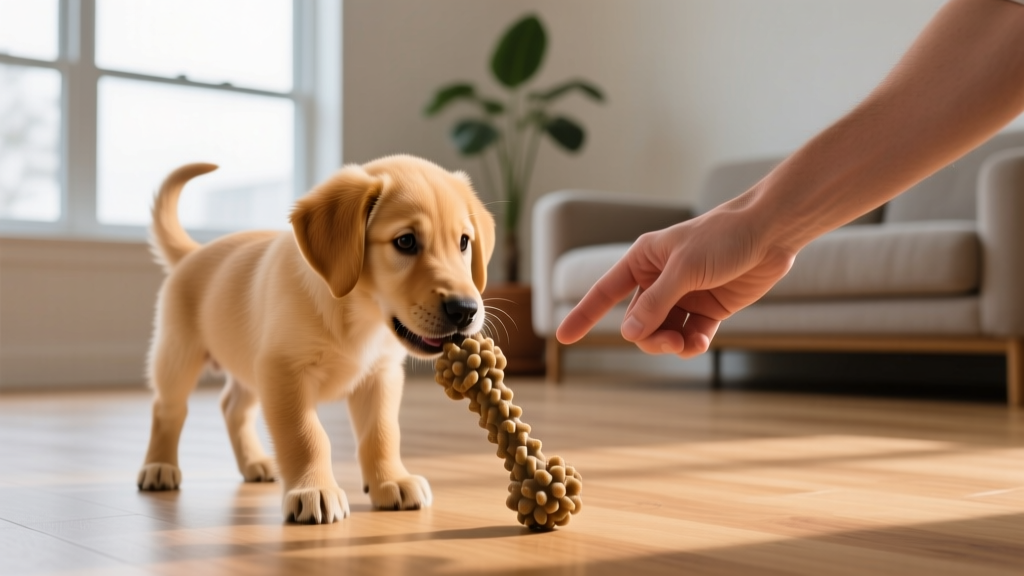
Basenji Puppies: Complete Week-by-Week Growth & Care Guide
Raising basenji puppies? This week-by-week guide covers feeding, potty training, vaccinations, socialization, & breed-specific tips for your Basenji...

Why Basenji Puppies Are Unlike Any Other Puppy You've Raised
If you've never raised a Basenji before, forget some of what you think you know about puppies. Basenjis — often called the "barkless dog" from Central Africa — are cat-like in their grooming habits, fiercely independent in their thinking, and surprisingly sensitive to their owner's emotional state. They don't bark in the traditional sense; they produce a unique vocalization called a baroo, a sound somewhere between a yodel and a howl that catches most first-time owners completely off guard.
Raising Basenji puppies requires understanding that this is a primitive breed registered with the AKC since 1944, one that retains strong hunting instincts and a streak of independence that makes training both rewarding and humbling. They're brilliant problem-solvers — which means they'll figure out your crate latch, your baby gate, and your "leave it" command far faster than a Labrador would, but they'll also decide on their own whether obeying you is worth their time.
This guide walks you through every critical stage of your Basenji puppy's first year with breed-specific expectations, exact feeding amounts, realistic timelines, and the kind of practical advice that only comes from experience with this unique breed.
When Should I Bring My Basenji Puppy Home?
The ideal age to bring a Basenji puppy home is 8 to 10 weeks. While some breeders of primitive breeds prefer to hold puppies until 10 weeks to ensure adequate littermate socialization, 8 weeks is acceptable provided the breeder has begun early neurological stimulation (ENS) and introduced the puppies to varied surfaces, sounds, and gentle handling.
Basenji puppies go through a critical fear imprint period between 8 and 11 weeks. This means the transition to your home during this window must be handled with care: keep introductions calm, avoid overwhelming environments (no big welcome-home parties), and establish a predictable routine within the first 48 hours. A single traumatic event during this period — a rough car ride, a frightening encounter with another dog, a painful veterinary experience — can create lasting fear associations.
If your breeder recommends waiting until 10 weeks, trust their judgment. Basenji breeders who hold puppies longer are typically investing additional time in socialization that will pay dividends for the next 12 years of your dog's life.
Place a ticking clock or a Snuggle Puppy (a plush toy with a heat pack and heartbeat simulator, ~$35-45) in the crate. Basenjis are den-oriented and the crate should feel like a secure cave, not a punishment. Expect 2-3 nights of vocalization — this is normal adjustment, not a sign something is wrong. Do not let the puppy out while they're vocalizing, or you'll teach them that noise equals freedom.
Basenji Puppy Milestones: Week-by-Week Development
Basenji puppies develop on a slightly different trajectory than many popular breeds. They tend to be physically precocious — athletic and coordinated earlier than you'd expect — but emotionally slower to mature. Don't be surprised if your 6-month-old Basenji can outrun you in the yard but still panics when left alone for 20 minutes.
Weeks 4–8: The Litter Phase (With the Breeder)
During this period, your Basenji puppy is learning bite inhibition from littermates, developing motor skills through play-fighting, and receiving early socialization from a responsible breeder. Key developmental events include:
- Week 4: Deciduous teeth begin erupting; puppies start exploring solid food (gruel/moistened kibble)
- Week 5: Play-biting peaks; puppies learn that biting too hard ends playtime
- Week 6: First dewclaw assessment; some Basenji breeders remove dewclaws at 3-5 days, others leave them
- Week 7: Fear period begins; positive exposure to novel stimuli is critical
- Week 8: Ready for transition to new home; first DHPP vaccine typically administered by breeder's vet
Weeks 8–12: The Homecoming & Bonding Phase
This is when your Basenji puppy forms primary attachments. Expect the following:
- Sleep: 18-20 hours per day — yes, really. Puppies this age need enormous amounts of rest.
- Bladder control: Approximately 1 hour per month of age, so a 2-month-old puppy can hold it roughly 2 hours maximum during the day.
- Teething: Incisors and canines are in; expect nipping during handling.
- Exploration: Basenji puppies investigate with their mouths and paws — they'll "paw" at objects like cats before mouthing them.
- Vocalization: You'll hear your first baroo — usually triggered by excitement or frustration, not alarm.
Weeks 12–16: The Confidence-Building Phase
Your Basenji is now more physically capable and starting to test boundaries. This is the golden window for establishing house rules:
- Energy surges: Expect 3-4 "zoomie" sessions per day lasting 5-15 minutes each
- Prey drive emergence: You'll notice intense staring at squirrels, birds, leaves blowing — this is normal Basenji sighthound behavior
- Independence streak: Recall may start deteriorating; this is developmental, not defiance
- Chewing escalation: Adult teeth begin loosening baby teeth around 14-16 weeks
Weeks 16–24: The Adolescent Transition
Basenji puppies enter adolescence earlier than many breeds, often showing teenage behaviors by 4-5 months:
- Second fear period: Typically between 6-14 months; your previously confident puppy may suddenly fear the mailbox or a neighbor's hat
- Escape artist skills: Basenjis can scale 4-foot fences and dig under gates — assess your yard security NOW
- Same-sex aggression: Particularly common in intact males; monitor dog park interactions closely
- Grooming independence: Your Basenji will start self-grooming like a cat, licking their paws and coat
6–12 Months: Young Adulthood
Physically, your Basenji will reach near-adult size by 8-10 months (males: 24 lb / 11 kg, 17 in / 43 cm; females: 22 lb / 10 kg, 16 in / 41 cm per AKC breed standard). Mentally, they won't fully mature until 18-24 months. Continue structured training and socialization throughout this period.
Feeding Your Basenji Puppy: Exact Portions & Schedule
Basenjis are lean, athletic dogs with efficient metabolisms. Overfeeding a Basenji puppy leads to rapid growth that stresses developing joints and creates a lifelong tendency toward obesity — a common problem in pet Basenjis that shortens lifespan and worsens breed-specific conditions like hip dysplasia.
Feed a high-quality, AAFCO-approved puppy formula with a named animal protein as the first ingredient. Look for minimum 22% protein and 8% fat for growth. Avoid grain-free boutique diets unless your veterinarian recommends them — the FDA has investigated links between certain grain-free diets and dilated cardiomyopathy (DCM) in dogs.
| Age | Meals Per Day | Estimated Daily Amount (Dry Kibble) | Notes |
|---|---|---|---|
| 8–12 weeks | 4 meals | ¾ – 1 cup (70–95 g) | Moisten slightly with warm water for first week home |
| 12–16 weeks | 3 meals | 1 – 1¼ cups (95–120 g) | Transition to dry kibble; monitor body condition score |
| 4–6 months | 3 meals | 1¼ – 1½ cups (120–140 g) | Reduce to 2 meals at 6 months |
| 6–9 months | 2 meals | 1¼ – 1½ cups (120–140 g) | Switch to adult formula at 9-12 months |
| 9–12 months | 2 meals | 1 – 1¼ cups (95–120 g) adult formula | Adjust based on activity level and BCS |
Body condition check: You should be able to feel your Basenji puppy's ribs without pressing hard, but not see them prominently. A visible waist when viewed from above and a tucked abdomen from the side indicate healthy weight. Basenjis should look athletic, not rounded.
Basenji Puppy Vaccination Schedule
Your Basenji puppy's vaccination timeline follows standard canine protocols, but because Basenjis can be sensitive to vaccines (some lines show higher rates of mild post-vaccine reactions like lethargy and soreness), discuss titer testing options with your veterinarian for future booster decisions.
| Age | Vaccine | Details |
|---|---|---|
| 6–8 weeks | DHPP (1st dose) | Distemper, Hepatitis (Adenovirus-2), Parainfluenza, Parvovirus — often given by breeder |
| 10–12 weeks | DHPP (2nd dose) | Booster; may also add Bordetella (kennel cough) if attending puppy classes |
| 14–16 weeks | DHPP (3rd dose) | Final puppy booster — critical for full parvovirus immunity |
| 12–16 weeks | Rabies | Required by law in all US states; timing varies by jurisdiction |
| Annually | Bordetella (optional) | Recommended if attending daycare, grooming, or group classes |
Important: Your Basenji puppy is NOT fully protected against parvovirus until approximately 7-10 days after the final DHPP dose at 14-16 weeks. Parvovirus is fatal in up to 91% of untreated puppies and can survive in soil for over a year. Do not allow your puppy to walk in public areas (parks, pet stores, sidewalks where unknown dogs have walked) until your veterinarian confirms full immunity.
Mild lethargy and soreness for 24 hours is normal. Contact your veterinarian immediately if your Basenji puppy experiences facial swelling, hives, vomiting, difficulty breathing, or collapse — these indicate an anaphylactic reaction requiring emergency treatment.
Potty Training Your Basenji Puppy: Realistic Timeline
Here's the good news: Basenjis are among the easiest breeds to house-train. Their natural cleanliness — they groom themselves, they avoid soiling their sleeping area, and they instinctively move away from their den to eliminate — works in your favor. Most Basenji puppies are reliably house-trained by 4 to 6 months if you maintain a consistent schedule.
However, "reliably" means with your continued management. A 5-month-old Basenji may hold it perfectly for 4 hours during the day but still have an accident if you leave them crated for 6 hours. Bladder capacity develops gradually.
Crate Training Progression & Time Limits
The crate is your Basenji puppy's den and your most effective potty training tool. Basenjis generally accept crates readily if introduced properly — never use the crate as punishment.
| Puppy Age | Maximum Daytime Crate Duration | Overnight Expectation |
|---|---|---|
| 8–10 weeks | 1–2 hours | Wake once (around 2-3 AM) for potty break |
| 10–12 weeks | 2 hours | May sleep 4-5 hours before needing out |
| 3–4 months | 3 hours | Often sleeps 5-6 hours overnight |
| 4–6 months | 4 hours | Usually sleeps through the night (7-8 hours) |
| 6+ months | 4–5 hours | Full night (8+ hours) |
Potty Training Troubleshooting for Basenji Owners
- Rain reluctance: Basenjis notoriously hate rain and will refuse to go outside in wet weather. Solution: provide a covered potty area (porch, carport, or a large umbrella) and use a consistent verbal cue like "go potty" paired with a high-value treat reward.
- Cold weather strikes: Basenjis have thin coats and low body fat. Below 40°F (4°C), many will refuse to eliminate outdoors. A well-fitted puppy coat and quick trips outside help.
- Submissive urination: Some Basenji puppies urinate small amounts when greeting. This is involuntary and fades with maturity (usually by 6-8 months). Avoid leaning over or reaching toward the puppy during greetings — crouch sideways instead.
- Marking behavior: Intact males may begin lifting their leg as early as 4-5 months. Spaying/neutering reduces but doesn't always eliminate marking. Manage the environment by limiting unsupervised access to new rooms.
The Socialization Window: Weeks 3–14
This is the single most important developmental period in your Basenji puppy's life. The primary socialization window closes around 12-14 weeks, after which unfamiliar stimuli are more likely to trigger fear than curiosity. For a breed that was developed to hunt independently in the African bush, proper socialization is what separates a confident companion from a reactive, fearful adult.
The challenge with Basenjis: you must socialize extensively during a period when your puppy is not yet fully vaccinated. The American Veterinary Society of Animal Behavior (AVSAB) recommends that puppies begin socialization before completing their vaccine series, balancing disease risk against the behavioral consequences of inadequate socialization. Carry your puppy in a sling or backpack, use a stroller, and visit controlled environments where you can manage exposure.
Basenji Puppy Socialization Checklist
- Surfaces: Grass, gravel, sand, tile, metal grates, wet pavement, carpet, stairs
- Sounds: Vacuum cleaner, thunderstorm recordings (start at low volume), traffic, doorbells, children laughing, clapping, music
- People: Men with beards, people wearing hats/sunglasses/masks, children (supervised), elderly individuals, people in wheelchairs, delivery workers in uniform
- Animals: Fully vaccinated, friendly adult dogs (one at a time), cats (if available and safe), livestock from a distance
- Handling: Paw touching, ear examination, mouth opening, nail trimming practice, collar/harness manipulation, being lifted and carried
- Environments: Car rides (short trips to pleasant destinations), outdoor café patios (carried), friend's houses, parking lots, quiet trails (carried until vaccinated)
- Objects: Umbrellas opening, plastic bags rustling, brooms, bicycles passing, skateboarders at a distance
Rule of thumb: Aim for 5-10 new positive experiences per day during the socialization window. Keep sessions short (2-5 minutes each), end on a positive note, and pair every novel experience with high-value treats (small pieces of boiled chicken, freeze-dried liver, or cheese). If your Basenji puppy shows fear, increase distance from the stimulus and let them observe without pressure. Never force a frightened puppy to approach something.
Teething Timeline & Safe Relief Strategies
Basenji puppies begin teething around 3 weeks of age (deciduous teeth erupt) and go through the most intense chewing phase between 3 and 6 months as adult teeth replace baby teeth. Basenjis have strong jaws relative to their size — they'll destroy cheap rubber toys in days.
Teething Stages
- 3–6 weeks: Deciduous (baby) teeth erupt — 28 teeth total. Puppies mouth littermates and learn bite inhibition.
- 12–16 weeks: Incisors begin loosening. You may find tiny teeth in bedding or on the floor.
- 4–5 months: Canines and premolars transition. This is peak chewing intensity — your Basenji puppy will chew everything within reach.
- 6–7 months: All 42 adult teeth should be in. Basenjis are prone to retained deciduous canines — if baby canines haven't fallen out by 6 months, your veterinarian may need to extract them to prevent crowding and malocclusion.
Safe Chew Recommendations for Basenji Puppies
- Kong Classic (puppy rubber, pink/blue): Fill with softened kibble mixed with plain yogurt and freeze. The rubber is gentle on developing teeth. Size small for puppies under 15 lb ($12-15).
- Benebone Wishbone (puppy line): Nylon-based, flavored with real bacon. Choose the puppy-specific version which uses softer nylon. Replace when worn smooth ($14-18).
- Frozen washcloth: Wet a clean washcloth, twist into a rope, and freeze. Supervise use and remove if pieces are torn off. Free.
- Yak cheese chews (small size): Hard, long-lasting, and digestible. Supervise to prevent choking on large broken pieces. Microwave the small end piece to create a puffed treat. ($8-12 for a 3-pack).
Avoid: Rawhide (choking and blockage risk), cooked bones (splintering), hard antlers (tooth fractures), and any toy small enough to swallow whole. If a toy fits entirely inside your puppy's mouth, it's too small.
Common Basenji Puppy Problems & Breed-Specific Solutions
Puppy Biting & Nipping
Basenji puppies are mouthy — more so than many breeds. Their hunting heritage means they use their mouths to investigate and interact. Biting peaks between 8-14 weeks and again during teething at 3-5 months.
Solution: Use the "yelp and redirect" method. When teeth touch skin, let out a brief, high-pitched yelp (mimicking a littermate's pain signal), then immediately offer an appropriate chew toy. If the puppy continues biting, stand up and walk away for 30 seconds — removing attention is the most effective consequence for a social animal. Never hold the puppy's mouth shut, shake them, or use physical punishment — these methods damage trust and can trigger defensive aggression in this sensitive breed.
Destructive Chewing
A bored Basenji puppy is a destructive Basenji puppy. These dogs were bred for endurance and problem-solving; without outlets, they'll redesign your furniture.
Solution: Provide 30-45 minutes of structured exercise daily (split into 2-3 sessions for puppies under 6 months), plus 15-20 minutes of mental enrichment (snuffle mats, puzzle feeders, training sessions). Rotate toys every 2-3 days to maintain novelty. Puppy-proof one room completely rather than trying to puppy-proof the entire house.
Separation Distress & Whining
Basenjis form intense bonds and are prone to separation anxiety if not taught independence early. Whining when crated or left alone is common in the first 2-4 weeks home.
Solution: Practice graduated departures starting in week one. Leave the room for 30 seconds, return calmly. Gradually extend to 1 minute, 5 minutes, 15 minutes, 30 minutes. Never make departures or arrivals emotional events. Feed meals in the crate with the door open, then closed, then while you step away. If whining escalates to self-injury (bloody paws, broken teeth from chewing crate bars), consult a veterinary behaviorist immediately — this indicates clinical separation anxiety requiring professional intervention.
Leash Reactivity & Prey Drive
Basenji puppies may begin showing intense prey focus as early as 10-12 weeks — freezing, staring, and lunging at moving objects. This is hardwired sighthound behavior, not a training failure.
Solution: Begin "look at that" training (a counter-conditioning protocol): when your puppy notices a trigger (squirrel, bike, other dog) at a distance where they remain calm, mark the behavior with a clicker or "yes" and reward with a high-value treat. Gradually decrease the distance over weeks. Use a front-clip harness (like the Ruffwear Front Range, ~$40) for walks to reduce pulling leverage. Never use a retractable leash with a Basenji — their prey drive can trigger sudden bolting, and retractable leashes offer zero control.
When Can My Basenji Puppy Go Outside & Meet Other Dogs?
This question balances two competing risks: parvovirus exposure and missed socialization. Here's a practical framework:
- Immediately (8 weeks): Carry your puppy in public spaces — outdoor cafés, friend's homes, parking lots. Exposure to sights and sounds without ground contact.
- After 2nd DHPP (10-12 weeks): Short, supervised playdates in private yards with known, fully vaccinated adult dogs. Avoid public dog parks entirely.
- After final DHPP + 7 days (approximately 15-17 weeks): Full access to public spaces, group puppy classes, and supervised dog park visits (though many Basenji owners skip dog parks due to the breed's tendency toward selective dog aggression).
- Walking on public ground: Wait until your veterinarian confirms full immunity, typically 7-10 days after the 14-16 week DHPP dose.
For puppy socialization classes, look for programs that require proof of at least one DHPP dose and maintain sanitized facilities. The risk of behavioral problems from under-socialization statistically outweighs the risk of parvovirus in controlled class environments.
First-Year Cost Breakdown for a Basenji Puppy
Basenjis are a relatively expensive breed to purchase but moderate in ongoing costs due to their small-medium size. Here's a realistic first-year budget based on 2025-2026 US pricing:
| Category | Low Estimate | High Estimate | Details |
|---|---|---|---|
| Purchase price (responsible breeder) | $1,800 | $3,500 | AKC-registered, health-tested parents (OFA hips, Fanconi syndrome DNA test, eye CERF) |
| Veterinary care (first year) | $600 | $1,200 | 3-4 wellness visits, DHPP series, rabies, fecal tests, deworming, spay/neuter |
| Food (puppy + transition to adult) | $300 | $500 | Premium kibble, ~1-1.5 cups/day |
| Supplies (initial setup) | $250 | $450 | Crate ($60-100), harness, leash, bowls, bed, toys, grooming tools, puppy gate |
| Training classes | $150 | $400 | Puppy kindergarten + basic obedience (group classes); private sessions cost more |
| Pet insurance (annual) | $350 | $700 | Varies by deductible, coverage level, and location |
| Miscellaneous (grooming, licensing, treats) | $100 | $250 | Basenjis are low-grooming but need occasional professional nail trims |
| Total First Year | $3,550 | $7,000 | Excluding emergency veterinary care |
Breed-specific health screenings to budget for: Responsible Basenji breeders test for Fanconi syndrome (a kidney disorder affecting approximately 10% of the breed), progressive retinal atrophy (PRA), and hip dysplasia. Ask for documented OFA or PennHIP results for both parents. Fanconi syndrome DNA testing costs breeders ~$135 per dog through the University of Missouri's Canine Genetic Diseases program — if your breeder hasn't done this test, walk away.
Frequently Asked Questions About Basenji Puppies
Do Basenji puppies really not bark?
Basenjis lack the ability to produce a traditional bark due to the shape of their larynx. Instead, they produce the characteristic "baroo" (a yodel-like vocalization), along with growls, whines, and screams. They are not silent dogs — they're just differently vocal. A frustrated or excited Basenji puppy can be surprisingly loud.
How often should I feed my 10-week-old Basenji puppy?
Four meals per day, spaced roughly 4-5 hours apart during waking hours. A typical schedule: 7 AM, 11 AM, 3 PM, 7 PM. Remove uneaten food after 15-20 minutes to establish a feeding routine and monitor appetite (a sudden drop in eating warrants a veterinary call).
When will my Basenji puppy be fully potty trained?
Most Basenji puppies are reliably house-trained by 4-6 months with consistent scheduling and crate use. "Reliably" means fewer than one accident per month under normal conditions. Some individuals, particularly small females, may take until 8 months. If accidents persist past 6 months despite consistent training, have your veterinarian rule out a urinary tract infection or anatomical issue.
Are Basenji puppies good with children?
Basenji puppies can do well with respectful, dog-savvy children aged 8 and up. They are not tolerant of ear-pulling, tail-grabbing, or being picked up against their will. Their thin skin tears easily, and they will snap defensively if hurt — this is not aggression, it's self-preservation. Always supervise interactions between any puppy and children under 12.
How do I stop my Basenji puppy from biting my ankles?
Ankle-biting is a herding/hunting behavior triggered by movement. When it happens, stop moving immediately (removing the trigger), redirect to a tug toy, and reward calm behavior. For persistent cases, attach a lightweight house line (4-6 ft leash worn indoors) so you can gently guide the puppy away without grabbing them. Consistent redirection over 2-4 weeks typically resolves this behavior.
Should I spay/neuter my Basenji puppy, and when?
Discuss timing with your veterinarian. Current evidence suggests that for small-to-medium breeds like Basenjis, spaying/neutering between 6-9 months is appropriate for most pet dogs. Some veterinary behaviorists recommend waiting until after the first heat cycle (typically 8-12 months in Basenjis) for females to allow full physical development, but this requires strict management to prevent unplanned pregnancy. Basenjis reach sexual maturity earlier than many breeds — intact males will roam if they detect a female in heat, and Basenjis are notorious escape artists.
This guide provides general information for Basenji puppy owners. Always consult your veterinarian for personalized advice regarding your puppy's health, nutrition, vaccination schedule, and any behavioral concerns. If your puppy ingests a potentially toxic substance, contact the ASPCA Animal Poison Control Center at (888) 426-4435 immediately (consultation fee applies).
Dr. Hannah Wickes
All our authors care for dogs every day — read more of their work on the authors page.