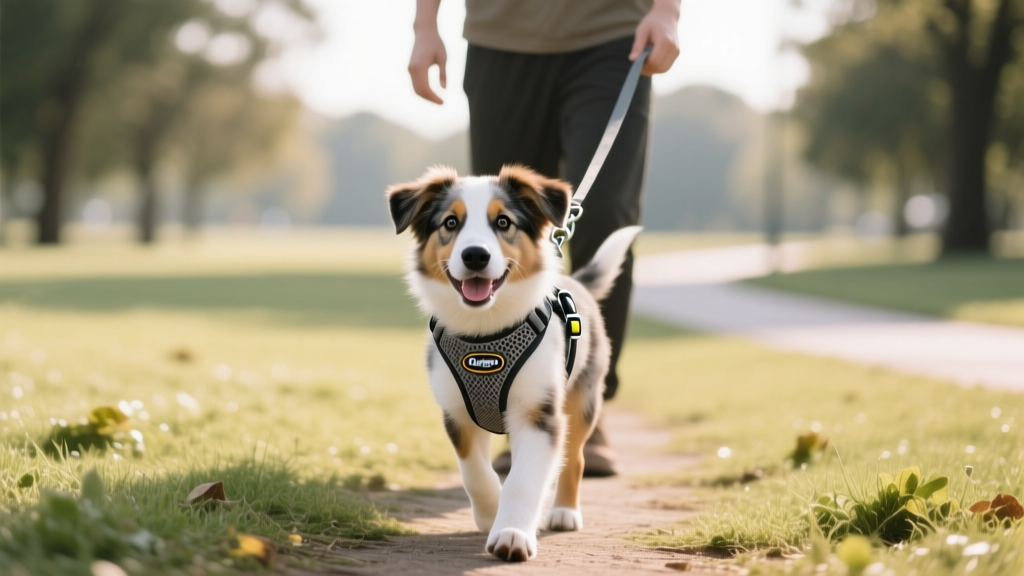
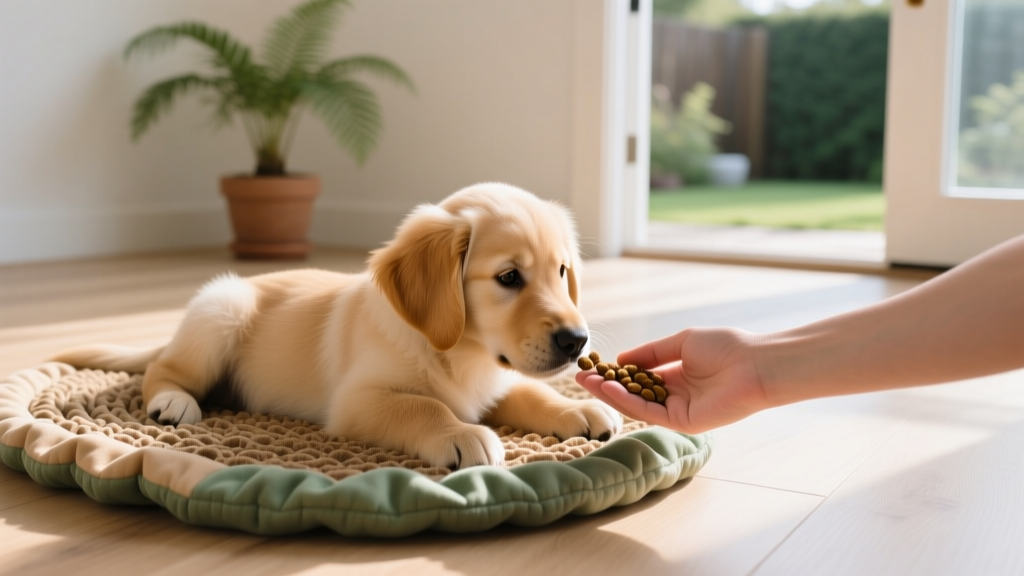
Aussie Puppies: Week-by-Week Care, Feeding & Training Guide
Raising aussie puppies? This week-by-week guide covers feeding schedules, potty training timelines, vaccination charts, socialization checklists, and first-year costs.

Bringing home an Australian Shepherd puppy is equal parts thrilling and overwhelming. These high-drive herding dogs arrive with a genetic blueprint for intelligence, athleticism, and a mouthy enthusiasm that can catch first-time owners off guard. What separates a well-adjusted adult Aussie from a neurotic, destructive one often comes down to the decisions you make between weeks 8 and 24.
This guide walks you through every developmental stage with the exact feeding amounts, training timelines, and socialization exposures your Aussie puppy needs. We've built this from years of working with herding-breed owners and referencing protocols from the American Kennel Club and the AVMA puppy care guidelines.
When Should I Bring My Aussie Puppy Home?
The ideal pickup window for an Australian Shepherd puppy is 8 to 10 weeks of age. Responsible breeders keep litters together through week 8 minimum because the final two weeks with littermates teach bite inhibition, canine social cues, and resilience — skills you cannot replicate in a single-dog household.
Some breeders of herding breeds hold puppies until 10 or even 12 weeks to complete an additional socialization period and begin crate conditioning. This is a green flag, not a red one — it signals a breeder investing in temperament development.
Red flags indicating a puppy is being sold too early:
- Available before 7 weeks (many states legally prohibit this)
- No dewclaw removal or tail docking documentation if breed-standard applicable
- No record of first deworming at 2, 4, and 6 weeks
- Breeder cannot describe individual puppy temperaments from the litter
Aussie Puppy Milestones: Week by Week
Australian Shepherds develop on a predictable timeline, but individual puppies vary. Use these milestones as benchmarks, not guarantees.
Feeding Schedule: How Much and How Often
Australian Shepherds are medium-sized dogs — adult males typically reach 50–65 lb (23–29 kg) and females 40–55 lb (18–25 kg). Overfeeding during growth can stress developing joints and increase hip dysplasia risk, which affects an estimated 6–8% of Australian Shepherds according to the Orthopedic Foundation for Animals.
Feed a large-breed puppy formula (AAFCO-approved for growth/all life stages) until 12 months. These formulas restrict calcium and phosphorus to protect growth plates.
Aussie Puppy Feeding Chart by Age
| Age | Meals Per Day | Daily Total (cups) | Per Meal (approx.) |
|---|---|---|---|
| 8–12 weeks | 4 meals | 1.5–2 cups | ⅜–½ cup |
| 3–6 months | 3 meals | 2–2.75 cups | ⅔–¾ cup |
| 6–12 months | 2 meals | 2.5–3.5 cups | 1.25–1.75 cups |
| 12+ months (adult) | 2 meals | 2–3.5 cups | 1–1.75 cups |
These are starting points. Adjust based on your puppy's body condition score (BCS). You should feel ribs with light pressure but not see them. An active Aussie in agility training may need 10–15% more; a couch-potato line may need less.
Recommended food brands with large-breed puppy formulas (2026 pricing):
- Purina Pro Plan Large Breed Puppy — $55–65 per 34 lb bag
- Royal Canin Medium Puppy — $60–72 per 30 lb bag
- Hill's Science Diet Large Breed Puppy — $58–70 per 30 lb bag
- Fromm Gold Large Breed Puppy — $62–78 per 30 lb bag
Vaccination Schedule for Aussie Puppies
Your Australian Shepherd puppy's maternal antibodies wane between 6 and 16 weeks, creating a window of vulnerability. The core vaccine protocol below follows AAHA (American Animal Hospital Association) guidelines. Your veterinarian may adjust timing based on local disease prevalence.
| Age | Vaccines Administered | Notes |
|---|---|---|
| 6–8 weeks | DHPP (Distemper, Hepatitis/Adenovirus, Parainfluenza, Parvovirus) | Often given by breeder before pickup. Verify documentation. |
| 10–12 weeks | DHPP booster + Bordetella (optional, recommended for group training classes) | Leptospirosis may be added based on regional risk. Lyme vaccine in tick-endemic areas. |
| 14–16 weeks | DHPP final booster + Rabies (required by law) | Rabies is legally required in all US states. Typically given at 12–16 weeks depending on jurisdiction. |
| 12–16 months | DHPP booster + Rabies booster (1-year or 3-year depending on product) | After this, DHPP typically moves to a 3-year schedule. Discuss titer testing as an alternative at subsequent visits. |
Aussie-specific note: Australian Shepherds can carry the MDR1 gene mutation (multidrug resistance 1), which affects approximately 50% of the breed. This mutation makes them sensitive to certain drugs including ivermectin (found in some heartworm preventives at high doses). Ask your vet about MDR1 genetic testing — available through Washington State University's Veterinary Clinical Pharmacology Lab for approximately $85.
Socialization Window: The Critical 3–14 Week Period
Behavioral researchers have established that a puppy's primary socialization window closes between 12 and 14 weeks of age. After this, unfamiliar stimuli trigger fear responses rather than curiosity. For Australian Shepherds — a breed genetically predisposed to wariness of strangers and environmental sensitivity — this window is non-negotiable.
A poorly socialized Aussie is far more likely to develop fear-based reactivity, resource guarding, and anxiety-driven herding behaviors (nipping children, chasing cars) that are extremely difficult to modify after adolescence.
Aussie Puppy Socialization Checklist
Goal: 100+ positive exposures by 16 weeks. Track with this checklist:
Surfaces (walk on all of these):
- ☐ Grass, gravel, sand, wet pavement
- ☐ Metal grates, wooden bridges, tile floors
- ☐ Tarps, bubble wrap, wobble boards
People (positive interactions with treats):
- ☐ Children ages 3–12 (supervised, gentle petting)
- ☐ Men with hats, beards, sunglasses
- ☐ People using wheelchairs, crutches, umbrellas
- ☐ Delivery workers, uniformed strangers
Sounds (play at low volume, pair with treats):
- ☐ Thunderstorms, fireworks recordings
- ☐ Vacuum cleaner, blender, doorbell
- ☐ Traffic, construction noise, dogs barking
Experiences:
- ☐ Car rides (short, ending at fun destinations)
- ☐ Being handled: paws, ears, mouth, tail touched
- ☐ Nail trimming (Dremel or clippers, one nail at a time)
- ☐ Watching livestock or large animals from a distance
- ☐ Puppy kindergarten class (after second DHPP at minimum)
⚠️ Disease caution: Before your puppy completes the DHPP series at 16 weeks, avoid dog parks and high-traffic public areas where parvovirus may be present. Carry your puppy or use a stroller for socialization outings in public spaces. Private yards of known, fully-vaccinated dogs are safe.
Potty Training Timeline: Realistic Expectations
Australian Shepherd puppies are generally quick to learn house-training routines thanks to their intelligence, but their small bladders and high metabolism mean accidents are inevitable in the early weeks. Here is what a realistic timeline looks like:
- 8–10 weeks: Accident every 1–2 hours. Take outside after every meal, nap, and play session. Expect 1–3 overnight accidents.
- 10–14 weeks: Bladder control extends to 2–3 hours. Overnight stretches of 4–5 hours become possible. Still 1–2 accidents per week.
- 14–20 weeks: Most Aussies signal (whine, pace, go to door) when they need out. Accidents drop to 1–2 per month, usually owner error (missed a cue).
- 5–6 months: Reliably house-trained with scheduled outings. Occasional marking behavior may appear in intact males.
Bladder capacity rule of thumb: A puppy can hold it approximately 1 hour per month of age plus 1. So a 3-month-old puppy can manage roughly 4 hours maximum — but you should still take them out far more frequently to reinforce the habit.
Crate Training Progression by Age
| Puppy Age | Maximum Crate Time (Day) | Maximum Crate Time (Night) | Crate Size Recommendation |
|---|---|---|---|
| 8–10 weeks | 30–60 minutes | 3–4 hours (set alarm) | 36-inch crate with divider panel |
| 10–14 weeks | 1–2 hours | 5–6 hours | 36-inch with divider, expand gradually |
| 14–24 weeks | 2–4 hours | 7–8 hours | Full 42-inch crate (adult Aussie size) |
| 6+ months | 4–6 hours max | 8 hours | 42-inch; many Aussies choose crate as den voluntarily |
Important: An Aussie puppy crated for 8 hours during a workday will develop behavioral problems — this is a breed that needs engagement. Arrange a midday dog walker or come home at lunch if you work full-time.
Teething Timeline and Relief Strategies
Aussie puppies begin losing their 28 deciduous (baby) teeth around 12–16 weeks, with the full set of 42 adult teeth typically erupted by 6–7 months. The peak discomfort period — and the peak of destructive chewing — falls between 4 and 6 months.
Safe chew options ranked by durability and safety:
- Kong Classic (red or black rubber) — Stuff with a mix of plain yogurt, mashed banana, and kibble, then freeze for 2–4 hours. The cold numbs sore gums. Size: Medium for puppies under 35 lb, Large for 35+ lb. ($15–22)
- Benebone Puppy Wishbone — Nylon, bacon-flavored, angled for easy gripping. Replace when worn down more than 25%. ($12–18)
- Frozen carrots — Whole large carrots, frozen. Cheap, low-calorie, and the cold provides relief. Supervise to prevent choking on broken pieces. ($2–4 per bag)
- West Paw Zogoflex Toppl — Interlocking treat toy that's softer than Kong for sore mouths. Dishwasher safe. ($18–25)
- Bully sticks (6-inch, odor-free) — Fully digestible, high-protein. Always supervise; remove when piece is small enough to swallow whole. ($4–7 each)
Common Aussie Puppy Problems and Solutions
Australian Shepherds come with breed-specific behavioral tendencies that emerge early. Here's how to address the three most common complaints from Aussie puppy owners.
1. Nipping and Heel-Biting (Herding Instinct)
This is not aggression — it's genetics. Aussies were bred to control livestock by nipping at heels. Your puppy will target moving feet, running children, and bicycle wheels.
Solution protocol:
- Redirect immediately: When teeth touch skin, say "oops" in a neutral tone, stop moving (freeze), and offer a chew toy. Movement reinforces the behavior because it mimics fleeing livestock.
- Reverse time-outs: If nipping continues after two redirects, calmly leave the room for 15–30 seconds. This teaches that nipping makes the fun stop.
- Teach an incompatible behavior: Train "carry your toy" — a dog holding a toy in its mouth cannot nip. Reward heavily for picking up a toy when excited.
- Manage the environment: During the herding-imprint period (3–6 months), keep children from running near the puppy. Use baby gates to separate the puppy during high-energy play.
2. Crate Whining and Separation Distress
Aussies form intense bonds and are prone to separation anxiety if not taught independence gradually.
Solution protocol:
- Practice crate sessions while you're home — start with 5 minutes, increase by 5-minute increments daily.
- Feed all meals in the crate to build positive association.
- Give a frozen Kong when crating to create a "crate = amazing things happen" connection.
- Never release the puppy from the crate while whining — wait for 5 seconds of silence, then open the door.
- Practice leaving the house for 1 minute, then 5, then 15, building up over weeks. Vary the duration so the puppy cannot predict your return.
3. Destructive Chewing (Beyond Teething)
An under-stimulated Aussie puppy will demolish baseboards, shoes, and furniture — not out of spite, but out of boredom. This breed needs a job.
Solution protocol:
- Provide 20–30 minutes of mental enrichment daily: snuffle mats, puzzle feeders, scatter feeding in the yard.
- Rotate toys every 3–4 days to maintain novelty.
- Puppy-proof one room completely and confine the puppy there when unsupervised rather than giving access to the whole house.
- Begin nose work games at 4+ months — hide treats under cups, in boxes, around the yard. This taps into the Aussie's working drive.
First-Year Cost Breakdown for an Aussie Puppy
Budget realistically. Australian Shepherds are not the most expensive breed to maintain, but their health testing needs, training requirements, and activity level add up. Here's what to expect in the first 12 months (US averages, 2026):
| Category | Low Estimate | High Estimate | Details |
|---|---|---|---|
| Puppy Purchase | $1,800 | $3,500 | From health-tested AKC-registered breeder. Rescue/adoption: $200–500. |
| Veterinary (Year 1) | $600 | $1,200 | Vaccines, spay/neuter ($300–600), heartworm prevention, fecal tests, MDR1 test. |
| Food | $480 | $840 | $40–70/month for quality large-breed puppy food transitioning to adult formula. |
| Supplies & Gear | $350 | $700 | Crate, bed, leash/harness, bowls, toys, grooming tools, baby gates, puppy pads. |
| Training | $200 | $800 | Puppy kindergarten ($150–250 for 6-week course), plus intermediate obedience. Board-and-train: $1,500–3,000. |
| Pet Insurance | $360 | $720 | $30–60/month for accident/illness coverage. Enroll at 8 weeks before conditions become pre-existing. |
| Grooming | $0 | $480 | Most owners home-groom. Professional grooming: $50–80/session, every 6–8 weeks. |
| Total First Year | $3,790 | $8,240 | Excludes emergency vet visits. Set aside $500–1,000 as an emergency fund. |
Frequently Asked Questions About Aussie Puppies
When can my Aussie puppy go outside and meet other dogs?
Your puppy can explore your own yard immediately. For public spaces and dog-to-dog introductions, wait until at least 7 days after the second DHPP vaccine (around 12–13 weeks) for controlled settings like puppy classes with vaccinated peers. Avoid dog parks entirely until the full DHPP series is complete at 16+ weeks. Parvovirus can survive in soil for months and is lethal to unvaccinated puppies.
How do I stop my Aussie puppy from biting and nipping?
Redirect to a toy every time teeth touch skin, and freeze your movement (do not pull away — pulling triggers a chase response). If nipping persists after two redirects, leave the room for 15–30 seconds. Consistency from every household member is essential — if one person allows mouthing, the puppy will not understand the rule. Expect improvement by 5–6 months as adult teeth come in and impulse control develops.
When will my Aussie puppy be fully potty trained?
Most Australian Shepherd puppies are reliably house-trained by 5–6 months with a consistent schedule. "Fully" trained — meaning no accidents even with schedule disruptions — typically happens by 8–10 months. Intact males may begin leg-lifting and marking around 6–9 months; neutering can reduce but not always eliminate this behavior.
How often should I feed my Aussie puppy at different ages?
At 8–12 weeks: four meals per day. At 3–6 months: three meals per day. At 6–12 months: two meals per day. Never free-feed an Australian Shepherd puppy — this breed will overeat, and excess weight during growth stresses developing hip and elbow joints.
What vaccines does my Aussie puppy need and when?
Core vaccines are DHPP (given at 6–8, 10–12, and 14–16 weeks) and Rabies (12–16 weeks). Non-core vaccines your vet may recommend based on lifestyle: Bordetella (kennel cough, for group classes), Leptospirosis (outdoor dogs in wet climates), and Lyme disease (tick-endemic regions). See the vaccination table above for full details.
Should I get pet insurance for my Aussie puppy?
Yes — enroll at 8 weeks before any conditions are documented. Australian Shepherds are predisposed to hip dysplasia, elbow dysplasia, epilepsy, and certain eye conditions (cataracts, progressive retinal atrophy). Treating hip dysplasia surgically (total hip replacement) costs $5,000–7,500 per hip. A good accident/illness policy at $40–50/month will cover 80–90% of these costs after deductible.
Marcus Aldridge
All our authors care for dogs every day — read more of their work on the authors page.