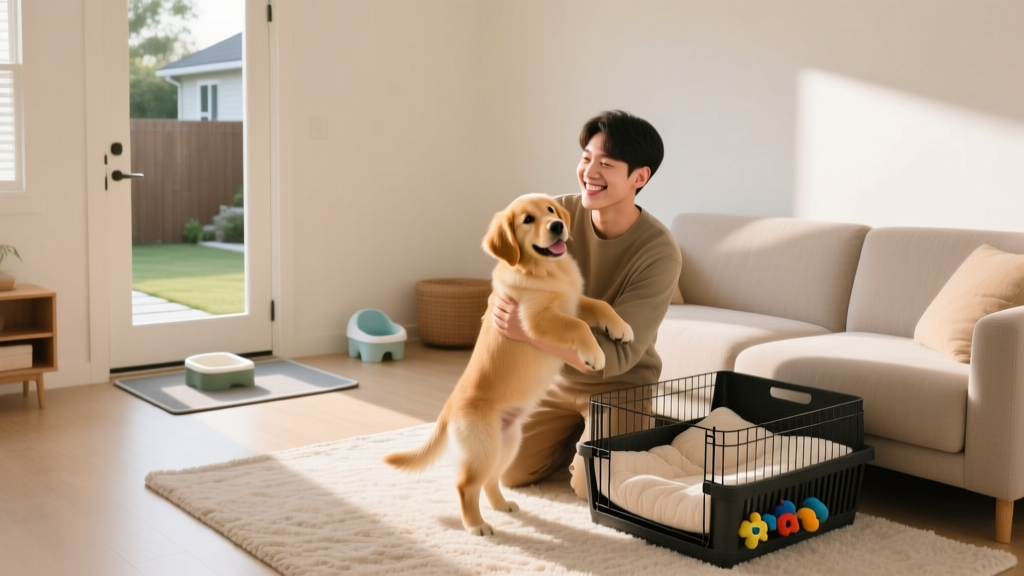
At What Age Is a Puppy Full Grown? Complete Growth Timeline by Breed Size
At what age is a puppy full grown? Expert timeline covering growth milestones, feeding, potty training, vaccines, and costs by breed size for new puppy owners.

The Real Answer: When Is a Puppy Full Grown?
If you've been searching for a straight answer to at what age is a puppy full grown, here's the honest truth: it depends almost entirely on your dog's adult size category. A Chihuahua may reach full physical maturity by 10–12 months, while a Great Dane won't stop growing until 18–24 months. According to the American Kennel Club, small breeds typically reach adult weight by 12 months, medium breeds by 14–16 months, large breeds by 18 months, and giant breeds by 24 months or more.
But "full grown" isn't just about height and weight. Skeletal maturity (growth plate closure), dental maturity (permanent teeth fully set), sexual maturity, and behavioral maturity all happen on different timelines. Understanding each stage helps you set realistic expectations, budget correctly, and avoid common first-time puppy mistakes.
| Size Category | Adult Weight Range | Full Height By | Full Weight By | Skeletal Maturity |
|---|---|---|---|---|
| Toy/Small | Under 20 lb (9 kg) | 8–10 months | 10–12 months | 12 months |
| Medium | 20–55 lb (9–25 kg) | 12–14 months | 14–16 months | 16–18 months |
| Large | 55–90 lb (25–41 kg) | 14–18 months | 18–20 months | 18–24 months |
| Giant | 90+ lb (41+ kg) | 18–24 months | 24–36 months | 24–30 months |
Puppy Growth Milestones: Week by Week From 4 Weeks to 12 Months
Every puppy passes through predictable developmental windows. Here's what to expect during each stage — and what you should be doing as an owner.
Weeks 4–8: The Transitional Period (Still With Breeder)
Puppies are weaning from mother's milk to solid food during this window. Eyes and ears are fully functional. They're learning bite inhibition from littermates — a critical social lesson no human can fully replicate. Weight gain is rapid: most puppies double their birth weight by week 5. At this stage, a responsible breeder is introducing soft, moistened kibble (puppy-specific formula, AAFCO-labeled for growth) and beginning early neurological stimulation exercises.
Weeks 8–12: The Homecoming Window
This is when most puppies go to their new homes. Expect a 2–5 day adjustment period with disrupted sleep, whining, and loose stools from stress. Your puppy will gain roughly 5 oz (140 g) per day for small breeds or up to 2.5 lb (1.1 kg) per week for large breeds. This is peak imprinting time — everything your puppy experiences now shapes lifelong responses. Sleep needs are enormous: 18–20 hours per day is normal and necessary.
Weeks 12–16: The Confidence Building Stage
Coordination improves dramatically. Your puppy can now hold their bladder for approximately 1 hour per month of age (so roughly 3 hours at 12 weeks, 4 hours at 16 weeks). Fear periods may emerge around 8–11 weeks and again around 6–14 months — during these windows, negative experiences can create lasting phobias. Keep exposures positive and never force interactions.
Weeks 16–24 (4–6 Months): The Adolescent Transition
Teething begins in earnest. Baby teeth fall out and permanent teeth erupt, causing intense chewing urges. Growth rate slows compared to earlier months but remains significant, especially for large and giant breeds. Many puppies test boundaries during this stage — commands they "knew" at 12 weeks may seem forgotten. This is normal developmental regression, not defiance. Maintain consistent training with positive reinforcement methods.
6–12 Months: The Long Adolescent Plateau
Small breeds are approaching adult size. Medium breeds still have noticeable growing to do. Large and giant breeds may look gangly — long legs, narrow chests, disproportionate heads — as different body parts mature at different rates. Sexual maturity typically occurs during this window (6–9 months for small breeds, 9–15 months for large breeds), which is why the AVMA recommends discussing spay/neuter timing with your veterinarian based on breed size, as recent research suggests delayed sterilization may benefit large-breed joint health.
Feeding Schedule: Exact Portions by Age and Weight
Puppies need significantly more calories per pound of body weight than adult dogs because they're burning energy for growth, thermoregulation, and immune system development. The Merck Veterinary Manual recommends feeding a diet specifically formulated for growth (look for the AAFCO statement: "formulated for growth/all life stages").
| Age | Meals Per Day | Small Breed (10–20 lb adult) | Medium Breed (30–50 lb adult) | Large Breed (60–90 lb adult) |
|---|---|---|---|---|
| 8–12 weeks | 4 meals | ¼–½ cup per meal | ½–¾ cup per meal | ¾–1 cup per meal |
| 3–6 months | 3 meals | ⅓–⅔ cup per meal | ¾–1¼ cups per meal | 1–2 cups per meal |
| 6–12 months | 2 meals | ½–¾ cup per meal | 1–1¾ cups per meal | 2–3 cups per meal |
| 12+ months | 2 meals (adult food) | ½–1 cup per meal | 1½–2½ cups per meal | 2½–4 cups per meal |
Important notes: These are starting guidelines for dry kibble with approximately 350–450 kcal/cup. Your specific food's caloric density matters — always check the feeding chart on your bag and adjust based on body condition score (BCS). You should be able to feel ribs without pressing hard, and see a visible waist when viewing from above. Large-breed puppies should eat food specifically labeled "large breed puppy" to control calcium/phosphorus ratios and prevent rapid bone growth that leads to orthopedic disease. Transition from puppy to adult food at 10–12 months for small breeds, 12–14 months for medium breeds, and 18–24 months for large/giant breeds.
Vaccination Schedule: What, When, and Why
Puppies receive maternal antibodies through colostrum (first milk) that protect them initially but also interfere with vaccine effectiveness. This is why vaccines are given in a series — we're catching the window when maternal antibodies drop low enough for the vaccine to work but before the puppy becomes vulnerable. The AVMA and the AAHA (American Animal Hospital Association) canine vaccination guidelines establish the following core protocol:
| Age | Vaccine(s) | What It Protects Against | Estimated Cost |
|---|---|---|---|
| 6–8 weeks | DHPP (1st dose) | Distemper, Hepatitis (Adenovirus), Parainfluenza, Parvovirus | $25–$40 |
| 8–10 weeks | DHPP (2nd dose) + optional Bordetella | Same as above + Kennel Cough | $30–$50 |
| 10–12 weeks | DHPP (3rd dose) + Leptospirosis (1st), optional Lyme | Core boosters + Lepto (2-dose series) | $40–$65 |
| 14–16 weeks | DHPP (final booster) + Rabies | Final core immunity + Rabies (legally required) | $45–$75 |
| 12–16 months | DHPP booster + Rabies booster + Lepto booster | First annual boosters | $60–$95 |
When can my puppy go outside and meet other dogs? Until your puppy has received their final DHPP booster at 14–16 weeks plus at least 5–7 days for immune response, they are vulnerable to parvovirus and distemper — both of which can be fatal and survive in soil for months. You can carry your puppy in public spaces for socialization (parks, outdoor cafes, friends' homes with fully vaccinated dogs), but avoid dog parks, pet store floors, and unknown dog areas until your vet confirms full immunity. Socialization during the risk period should involve controlled environments only.
The Socialization Window: Weeks 3–14 and Your Exposure Checklist
Behavioral research consistently shows that the primary socialization period for puppies closes between 12–14 weeks of age. After this window, unfamiliar stimuli are more likely to trigger fear responses rather than curiosity. The American Veterinary Society of Animal Behavior (AVSAB) recommends structured socialization begin as early as 7–8 weeks, even before full vaccination, because the behavioral risk of under-socialization outweighs the disease risk in controlled settings.
Here's a practical exposure checklist organized by category. Aim for positive, brief exposures — 30 seconds to 2 minutes each — with high-value treats (small pieces of boiled chicken, cheese, or commercial training treats like Zuke's Mini Naturals).
- Children of various ages (supervised)
- People wearing hats, sunglasses, hoodies
- People using canes, crutches, wheelchairs
- Tall and short individuals
- People with deep voices, high voices
- People in uniforms (delivery, medical)
- People of different skin tones and ethnicities
- Different floor surfaces (tile, gravel, metal grates)
- Elevators and automatic doors
- Car rides (short trips, not just vet visits)
- Outdoor dining areas
- Busy sidewalks with foot traffic
- Quiet wooded trails
- Veterinary clinic (happy visits, no procedures)
- Vacuum cleaner (start at distance, pair with treats)
- Thunderstorm recordings (low volume)
- Fireworks recordings
- Doorbell and knocking
- Blender, food processor
- Construction noise, traffic
- Fully vaccinated, temperament-tested adult dogs
- Puppies of similar age in structured puppy classes
- Cats (if applicable, supervised)
- Observing livestock from a distance
Rule of thumb: If your puppy shows fear (cowering, tail tucked, refusing treats), increase distance from the stimulus and reduce intensity. Never force interaction. Pair the scary thing with high-value food to build positive associations — this is classical counter-conditioning, and it works.
Potty Training Timeline: Realistic Expectations by Age
The most common mistake new puppy owners make is expecting too much too fast. Bladder control develops on a biological timeline that no amount of training can accelerate. Here's the physiological reality:
| Puppy Age | Max Bladder Hold Time | Outings Per Day Needed | Accidents Expected |
|---|---|---|---|
| 8–10 weeks | 1–2 hours | 10–12 (including overnight) | Multiple daily |
| 10–14 weeks | 2–3 hours | 8–10 | 1–3 daily |
| 14–20 weeks | 3–4 hours | 6–8 | 0–2 daily |
| 5–6 months | 4–6 hours | 5–6 | 0–1 daily |
| 7–12 months | 6–8 hours | 4–5 | Rare (marking may emerge) |
When will my puppy be fully potty trained? Most puppies achieve reliable house training between 4–6 months of age with consistent management. Small breeds may take longer (6–8 months) because they have smaller bladders and faster metabolisms. "Fully trained" means zero accidents for 4+ consecutive weeks. If accidents persist beyond 6 months despite consistent routine, consult your vet to rule out urinary tract infections, anatomical issues, or incomplete bladder emptying.
Core protocol: Take your puppy outside within 5 minutes of waking, eating, drinking, and playing. Use a consistent verbal cue ("go potty" or "do your business"). Reward immediately — within 2 seconds — with a high-value treat given outside, not after coming back in. If you catch an accident mid-stream, interrupt calmly ("oops!") and carry them outside to finish. Never punish after the fact — dogs cannot connect past actions with delayed consequences.
Crate Training Progression and Teething Relief
A crate is one of the most valuable tools for potty training, safety, and giving your puppy a secure den. But time limits matter — leaving a puppy crated too long causes distress, undermines training, and can damage the human-dog bond.
- 8–10 weeks: 30–60 minutes max during the day, 3–4 hours overnight (set an alarm for one nighttime potty break)
- 10–14 weeks: 1–2 hours max during the day, 4–5 hours overnight
- 14–16 weeks: 2–3 hours max during the day, 5–6 hours overnight
- 4–6 months: 3–4 hours max during the day, 7–8 hours overnight
- 6+ months: 4–6 hours max during the day (no dog should be crated more than 6–8 hours total in 24 hours)
Make the crate positive: feed meals inside it, provide a stuffed Kong (frozen with peanut butter and kibble), and never use the crate as punishment. A MidWest iCrate or Frisco crate in the appropriate size (your puppy should be able to stand, turn around, and lie down but not have room to eliminate in one corner and sleep in another) works well. For growing puppies, buy the adult-size crate and use the included divider panel.
Teething Timeline: 3–6 Months
Puppies have 28 deciduous (baby) teeth that erupt by 6–8 weeks. Between 12–16 weeks, these begin loosening as 42 permanent teeth push through. The most intense chewing phase occurs between 4–5 months when the canine teeth and premolars are erupting. You may find tiny teeth on the floor, notice mild gum bleeding, or see your puppy chewing obsessively.
Safe chew recommendations:
- Kong Classic (red rubber): Stuff and freeze — provides 20–30 minutes of relief
- Benebone Puppy Wishbone: Nylon designed for puppy jaw strength, replace when worn
- Frozen washcloth: Wet, twist, freeze — cheap and effective (supervise to prevent swallowing fabric)
- N-Bone Puppy Teething Rings: Edible, digestible, sized appropriately
- Carrots (frozen whole): Natural, low-calorie, supervise to prevent choking on large pieces
Avoid: Rawhide (choking and blockage risk), antlers and weight-bearing bones (tooth fractures), ice cubes for small breeds (tooth damage), and any chew your puppy can break into swallowable chunks. If you notice a baby tooth that hasn't fallen out alongside the emerging permanent tooth ("retained deciduous tooth"), mention it to your vet — it may need extraction to prevent crowding and misalignment.
Common Puppy Problems and Proven Solutions
Every puppy goes through predictable problem phases. Here are evidence-based solutions using positive reinforcement and force-free methods only.
Puppy Biting and Nipping
Puppies explore the world with their mouths, and mouthing is normal through 5–6 months. However, you can teach bite inhibition. When teeth touch skin, say "ouch!" in a calm voice, stand up, and withdraw attention for 10–20 seconds. Resume play with an appropriate chew toy. This mimics how littermates respond — yelp and disengage. If biting escalates when your puppy is overtired (very common in the evening), enforce a nap in the crate. Most nipping in puppies under 16 weeks is overstimulation, not aggression.
Whining and Crying in the Crate
Distinguish between protest whining (first 5–15 minutes, then settling) and distress whining (escalating, panicked, with physical symptoms like drooling or diarrhea). For protest whining, wait for 5 seconds of silence before opening the crate — you want to reward quiet, not noise. For distress, the crate may be too stimulating (cover it with a breathable blanket), your puppy may need a potty break, or you may be increasing crate time too quickly. Go back to shorter sessions and build up gradually.
Destructive Chewing
Puppies chew to relieve teething pain and explore their environment. Management is the solution: puppy-proof your home by removing accessible shoes, cords, and household items. Provide 4–5 appropriate chew options rotated weekly to maintain novelty. Use bitter apple spray (Grannick's Bitter Apple is widely available) on furniture legs as a deterrent while teaching what's acceptable. Never punish chewing after the fact — your puppy will not understand what they did wrong.
First-Year Cost Breakdown: What to Budget
New puppy owners consistently underestimate first-year costs. Here's a realistic breakdown based on 2025–2026 pricing from veterinary practices and pet supply retailers across the United States:
| Category | Items | Small Breed Cost | Large Breed Cost |
|---|---|---|---|
| Veterinary | Vaccine series, spay/neuter, microchip, deworming, heartworm test, fecal exams | $600–$1,200 | $800–$1,800 |
| Food | Puppy food (12 months), treats, supplements | $250–$500 | $500–$1,000 |
| Supplies | Crate, bed, leash, harness, bowls, gates, toys, grooming tools | $200–$400 | $300–$600 |
| Training | Puppy class (6–8 weeks), optional private sessions | $150–$350 | $150–$500 |
| Preventive Meds | Heartworm, flea/tick prevention (12 months) | $150–$300 | $250–$500 |
| Pet Insurance | Monthly premium (optional but recommended) | $300–$600/year | $400–$900/year |
| Emergency Fund | Puppies ingest things — plan for at least one urgent visit | $200–$1,500 | $300–$2,500 |
| TOTAL FIRST YEAR | $1,850–$4,850 | $2,700–$7,800 |
Money-saving tips: Look for low-cost vaccine clinics through your local humane society or county animal services. Buy food in larger bags (store in airtight containers to maintain freshness). Consider pet insurance while your puppy is young — premiums are lowest before any pre-existing conditions develop, and companies like Trupanion, Healthy Paws, and Nationwide offer puppy-specific plans.
Frequently Asked Questions
When should I bring my puppy home?
The ideal age is 8–10 weeks. Puppies separated before 8 weeks miss critical littermate socialization and are at higher risk for behavioral problems including separation anxiety, fear-based aggression, and poor bite inhibition. Some breeders of toy breeds keep puppies until 10–12 weeks because very small puppies are fragile and benefit from additional time with the mother. Avoid breeders who offer puppies at 6 weeks or younger — this is a red flag for irresponsible practices.
How often should I feed my puppy?
At 8–12 weeks: 4 meals per day spaced roughly 4–5 hours apart. At 3–6 months: 3 meals per day. At 6–12 months: 2 meals per day. Never free-feed (leave food out all day) with puppies — it makes potty training unpredictable and can lead to overeating, especially in large breeds where rapid growth increases orthopedic risk. Scheduled meals also help you notice appetite changes early, which is often the first sign of illness.
How do I stop puppy biting and nipping?
Use the "ouch and withdraw" method: when teeth touch skin, say "ouch" calmly, stand up, and ignore for 10–20 seconds. Then redirect to an appropriate chew toy. Ensure your puppy gets adequate sleep (18–20 hours/day for young puppies) — overtired puppies bite more. Provide at least 2–3 structured play sessions daily with tug toys and fetch to burn energy appropriately. If biting is intense and persistent beyond 6 months, consult a certified professional dog trainer (CPDT-KA) or veterinary behaviorist.
When is my puppy considered a full-grown adult?
Physical maturity varies by size: small breeds reach full size by 10–12 months, medium breeds by 14–16 months, large breeds by 18–20 months, and giant breeds by 24–36 months. Behavioral maturity (calming down, impulse control, settled temperament) typically lags behind physical maturity by 6–12 months. A Labrador Retriever may be full height at 14 months but won't "act like an adult" until 2.5–3 years. Patience during the adolescent phase (6–18 months) is essential — continued training and consistent boundaries pay off.
What should I do if my puppy eats something toxic?
Call the ASPCA Animal Poison Control Center at (888) 426-4435 (available 24/7, consultation fee applies) or the Pet Poison Helpline at (855) 764-7661. Have the product packaging, your puppy's weight, and approximate amount ingested ready. Common puppy toxins include chocolate, xylitol (found in sugar-free gum and some peanut butters), grapes/raisins, rodenticides, human medications (especially ibuprofen and acetaminophen), and certain houseplants (lilies, sago palm). Do not induce vomiting unless specifically instructed by a professional.
Anouk Beaumont
All our authors care for dogs every day — read more of their work on the authors page.