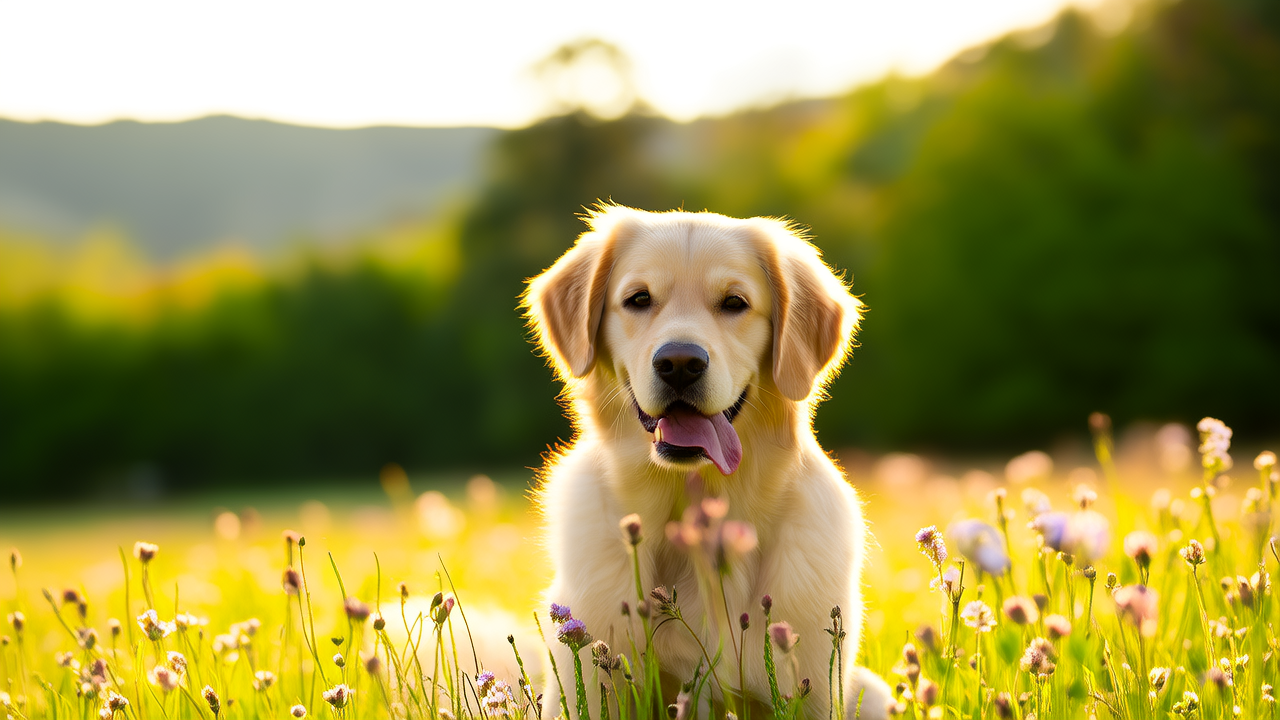
Are Carrots Good for Puppies? A Complete Feeding & Puppy Care Guide
Are carrots good for puppies? Learn safe serving sizes, prep methods, and get a full puppy feeding, vaccination, and training timeline for your first year.

Are Carrots Good for Puppies? The Short Answer
Carrots are low-calorie, high-fiber, and rich in beta-carotene (vitamin A precursor). They're safe for puppies as young as 8 weeks old when prepared correctly. Raw carrots pose a choking hazard for small-breed puppies — always cut into appropriate sizes or steam them for younger pups. Limit carrot treats to no more than 10% of daily caloric intake, per AKC nutrition guidelines.
If you've just brought home a new puppy and you're wondering whether that baby carrot on the counter is a safe snack, the answer is a confident yes — with some important caveats around size, preparation, and timing. Carrots offer genuine nutritional value: they contain vitamin K1, potassium, and antioxidants, and their crunchy texture can provide mild teething relief. But like any treat introduced during the critical puppy development window, how and when you serve them matters enormously.
This guide covers everything you need to know about feeding carrots to puppies — plus a complete developmental roadmap for your puppy's first year, including feeding schedules, vaccination timelines, potty training expectations, and real cost breakdowns.
How to Safely Feed Carrots to Your Puppy by Age
Not all puppies can handle carrots the same way. A 10-pound Labrador puppy at 12 weeks has very different chewing capacity than a 4-pound Chihuahua puppy at the same age. Here's how to match carrot preparation to your puppy's developmental stage:
| Puppy Age | Preparation Method | Serving Size (Small Breed <20 lb) | Serving Size (Large Breed >50 lb) |
|---|---|---|---|
| 8–12 weeks | Steamed and mashed or puréed | 1–2 teaspoons | 1 tablespoon |
| 12–16 weeks | Steamed, cut into pea-sized pieces | 1 tablespoon | 2 tablespoons |
| 4–6 months | Raw, cut into thin coin rounds | 2–3 coin slices | ½ medium carrot, sliced |
| 6–12 months | Raw sticks, whole baby carrots (large breeds only) | ½ medium carrot | 1–2 whole baby carrots |
Carrots as a Teething Aid (3–6 Months)
During the teething window — roughly 12 to 24 weeks — puppies experience significant gum discomfort as their 28 deciduous (baby) teeth are replaced by 42 permanent adult teeth. Cold, firm foods can provide genuine relief. Here's what works well:
- Frozen carrot sticks: Peel a large carrot, cut into 3-inch sticks, and freeze for at least 2 hours. The cold numbs inflamed gums while the texture satisfies the chewing urge. Supervise closely and remove when the stick becomes small enough to swallow whole.
- Carrot-soaked washcloth: Soak a clean washcloth in low-sodium chicken broth mixed with puréed carrot, twist into a rope, and freeze. This is especially good for small breeds who can't manage a full carrot stick.
- Commercial teething alternatives: Products like the KONG Puppy Teething Stick (approximately $8–$12) can be stuffed with mashed carrot and frozen — a safer option for unsupervised chewing.
Avoid giving carrot-sized objects to brachycephalic breeds (French Bulldogs, Pugs, Boston Terriers) without cutting them down significantly. Their shortened jaw structure makes choking more likely.
Complete Puppy Feeding Schedule: Birth to 12 Months
Carrots are a treat — your puppy's primary nutrition should come from an AAFCO-approved complete-and-balanced puppy food. Here's a feeding framework that accounts for age, expected adult weight, and meal frequency:
| Age | Meals Per Day | Small Breed (10–20 lb adult) Cups/Day Total |
Medium Breed (25–50 lb adult) Cups/Day Total |
Large Breed (55–90 lb adult) Cups/Day Total |
|---|---|---|---|---|
| 4–8 weeks (weaning) | Free-feed moistened kibble | N/A (nursing + gruel) | N/A | N/A |
| 8–12 weeks | 4 meals | ½ – ¾ cup | 1 – 1½ cups | 1½ – 2½ cups |
| 12–16 weeks | 3–4 meals | ¾ – 1 cup | 1½ – 2 cups | 2 – 3½ cups |
| 4–6 months | 3 meals | ¾ – 1¼ cups | 1¾ – 2½ cups | 2½ – 4 cups |
| 6–12 months | 2 meals | ¾ – 1¼ cups | 2 – 3 cups | 3 – 5 cups |
Important: These are starting guidelines. Your specific food's caloric density varies — a cup of Purina Pro Plan Puppy contains roughly 448 kcal, while a cup of Royal Canin Puppy averages about 389 kcal. Always check the feeding chart on your specific bag and adjust based on your puppy's body condition score (BCS). You should be able to feel ribs without pressing hard, and see a visible waist from above.
Where carrots fit in: Treats (including carrots) should make up no more than 10% of total daily calories. For a 15-pound puppy eating about 500 kcal/day, that's 50 kcal of treats maximum — roughly 2 baby carrots (about 8 kcal each) plus training treats.
Puppy Vaccination Schedule: What, When, and Why
Your puppy's immune system is immature at birth. Maternal antibodies from colostrum provide temporary protection, but these antibodies also interfere with vaccine effectiveness — which is why puppies need a series of boosters rather than a single shot. The AVMA vaccination guidelines recommend the following core schedule:
| Age | Vaccine | What It Protects Against | Estimated Cost |
|---|---|---|---|
| 6–8 weeks | DHPP (1st dose) | Distemper, Hepatitis (Adenovirus), Parainfluenza, Parvovirus | $25–$40 |
| 10–12 weeks | DHPP (2nd dose) + Bordetella | Booster for above + Kennel Cough | $35–$55 |
| 14–16 weeks | DHPP (3rd dose) + Rabies | Final puppy booster + Rabies (legally required) | $40–$70 |
| 12–16 months | DHPP booster + Rabies booster | 1-year or 3-year booster depending on vaccine type | $40–$75 |
Non-core vaccines your vet may recommend based on lifestyle: Leptospirosis ($25–$40), Lyme disease ($25–$40), and Canine Influenza ($30–$45). If you live in an area with high tick prevalence or your puppy will attend daycare, discuss these at your 10–12 week visit.
When can your puppy go outside and meet other dogs? Until your puppy has completed the full DHPP series (typically after the 14–16 week dose), they are vulnerable to parvovirus — a virus that can survive in soil for over a year and has a mortality rate of 16–35% even with treatment, per the Merck Veterinary Manual. You can carry your puppy in public spaces (carried in arms or a sling) for socialization, but avoid dog parks, pet store floors, and areas where unknown dogs defecate until 1 week after the final puppy vaccine.
Potty Training Timeline: Realistic Expectations by Age
Let's address the question every new puppy owner asks: When will my puppy be fully potty trained? The honest answer is between 4 and 6 months for most breeds, with toy breeds sometimes taking until 8–10 months due to smaller bladder capacity. A puppy can typically hold their bladder for roughly one hour per month of age — so a 3-month-old puppy needs a bathroom break approximately every 3 hours, including overnight.
Age-Based Potty Training Milestones
- 8–10 weeks: Take puppy out every 1–2 hours, plus immediately after waking, eating, drinking, and playing. Expect 1–2 accidents per day. You are building the habit, not expecting reliability.
- 10–14 weeks: Puppy begins to show pre-potty signals (sniffing, circling, heading to a corner). Accidents drop to 3–5 per week if you're consistent. Begin pairing a verbal cue ("go potty") with the action.
- 14–20 weeks: Puppy can hold for 3–4 hours during the day. Overnight sleep stretches of 6–7 hours become possible. Accidents should be rare (1–2 per week) and usually signal a schedule gap, not regression.
- 5–6 months: Most puppies signal clearly (sitting by the door, ringing a bell) and can hold for 4–5 hours. This is when "fully trained" is a fair description — but still offer regular outings.
- 8–12 months: Reliable bladder control for 6–8 hours. Small breeds may still need a midday break.
Track these data points for 14 days to identify your puppy's natural rhythm:
- Time of outing
- Trigger (woke up / ate / drank / played / timed interval)
- Result (peed / pooped / both / nothing)
- Location (outside / accident location inside)
- Treat given (yes/no)
After 2 weeks, you'll see clear patterns — most puppies cluster bathroom breaks around meals and naps. Use this data to build a proactive schedule rather than reacting to accidents.
Common Potty Training Problems
Submissive urination (8 weeks – 6 months): Your puppy pees a small amount when greeting you or when scolded. This is involuntary — a communication behavior, not a house-training failure. Ignore it, avoid direct eye contact during greetings, and crouch sideways to appear less threatening. Most puppies outgrow this by 6–12 months.
Regression at 4–5 months: A previously reliable puppy suddenly has accidents again. This often coincides with teething discomfort, a growth spurt increasing water intake, or environmental changes. Go back to a more frequent outing schedule for 1–2 weeks.
Socialization Window: The Critical Weeks 3–14 Period
Veterinary behaviorists consider weeks 3 through 14 the primary socialization period — a neurological window during which a puppy's brain is primed to form positive associations with novel stimuli. Puppies who lack adequate socialization during this period are significantly more likely to develop fear-based aggression, anxiety, and reactivity later in life, according to position statements from the AVMA and the American Veterinary Society of Animal Behavior.
The challenge: this window overlaps with your puppy's vulnerable pre-vaccination period. The solution is controlled, safe exposure — not isolation.
Socialization Exposure Checklist (Weeks 8–14)
- Surfaces: Walk puppy on grass, gravel, tile, hardwood, carpet, metal grates, wet pavement, and a wobbly surface (a cushion or balance disc)
- Sounds: Play recordings of thunderstorms, fireworks, vacuum cleaners, doorbells, and traffic at low volume, gradually increasing over days. Pair with treats.
- People: Meet at least 10–15 different people including children, elderly individuals, people wearing hats/sunglasses/masks, tall people, people using wheelchairs or crutches
- Handling: Practice touching ears, paws, tail, mouth, and nails daily. Pair each touch with a high-value treat (small pieces of steamed carrot work well here as a low-calorie option).
- Other animals: Supervised meetings with fully vaccinated, temperament-tested adult dogs. Avoid dog parks until vaccination series is complete.
- Environments: Car rides (short trips ending in something pleasant), outdoor café patios (carried if pre-vaccine), friend's houses, grooming tables
- Objects: Umbrellas opening, plastic bags rustling, brooms, bicycles, skateboards — all presented at a distance where puppy remains relaxed
Rule of thumb: Aim for 5–10 novel positive experiences per day during weeks 8–14. If your puppy shows fear (tucked tail, flattened ears, refusal to take treats), increase distance from the stimulus and let them observe without pressure. Never force a frightened puppy to approach something.
Crate Training Progression and Time Limits by Age
A crate is not a punishment tool — it's a den that leverages a dog's natural instinct to keep their sleeping area clean. When introduced properly, it becomes the single most effective potty training and safety management tool you have.
Crate Time Maximums by Age
| Puppy Age | Max Crate Time (Daytime) | Max Crate Time (Overnight) | Notes |
|---|---|---|---|
| 8–10 weeks | 30–60 minutes | 2–3 hours (set alarm) | Crate next to your bed; expect nighttime whining |
| 10–14 weeks | 1–2 hours | 3–4 hours | Begin moving crate to permanent location |
| 14–16 weeks | 2–3 hours | 5–6 hours | Most puppies sleep through the night by now |
| 4–6 months | 3–4 hours | 7–8 hours | Provide a stuffed KONG for longer daytime crating |
| 6–12 months | 4–5 hours | 8 hours | Begin transitioning to free-roam if reliable |
Crate Training Steps
- Days 1–3: Leave crate door open. Toss high-value treats inside. Feed all meals in the crate with door open. Place a worn t-shirt with your scent on the crate bed.
- Days 4–7: Close door during meals, open immediately after. Begin 5-minute closed-door sessions while you sit nearby. Reward quiet behavior with treats passed through the crate.
- Week 2: Extend closed-door time to 15–30 minutes. Leave the room briefly (30 seconds to 2 minutes). Return before puppy whines — you want to reward silence, not accidentally reinforce crying by returning when it happens.
- Week 3+: Build duration gradually. If puppy whines, wait for 3–5 seconds of silence before opening the door or releasing. This teaches that quiet — not noise — opens the crate.
Developmental Milestones: What to Expect Month by Month
Understanding what's developmentally normal at each stage prevents unnecessary panic and helps you set appropriate expectations.
Weeks 4–8 (Still With Breeder/Litter)
Your puppy is learning bite inhibition from littermates, developing motor coordination, and beginning the weaning process from mother's milk to solid food. By week 6, they should be eating moistened puppy kibble 3–4 times daily. This is also when the first DHPP vaccine is typically administered. Reputable breeders begin early neurological stimulation (ENS) and introduce novel textures and sounds during this period.
Weeks 8–12 (Coming Home)
When should you bring your puppy home? Most breeders and rescue organizations release puppies between 8 and 10 weeks. Some toy breed breeders prefer to keep puppies until 10–12 weeks due to their fragility and risk of hypoglycemia. Bringing a puppy home at 8 weeks gives you maximum overlap with the socialization window.
Expect the "fear imprint period" (weeks 8–11) — traumatic experiences during this window can create lasting phobias. Keep vet visits positive (bring treats, keep handling gentle). Avoid elective procedures like non-essential grooming during this window if possible.
Weeks 12–16
Teething begins around week 12 as puppy incisors start loosening. You'll find tiny teeth on the floor and notice increased chewing behavior. Redirect inappropriate chewing to approved items: frozen carrot sticks, rubber chew toys (KONG Classic Puppy, $10–$15), and rope toys. Avoid hard nylon bones and antlers — puppy teeth can fracture on these.
Months 4–6 (The Teenage Phase Begins)
Your puppy's adult teeth are fully in by 6–7 months. Energy levels surge, attention spans shorten, and previously reliable commands may seem "forgotten." This is normal — continue training with patience and higher-value rewards. Spay/neuter is typically performed during this window (6 months for most breeds; some large-breed owners wait until 12–18 months per recent orthopedic research).
Months 6–12
Physical growth slows for small and medium breeds (who reach adult size around 10–12 months) but continues for large and giant breeds (who may not mature until 18–24 months). Behavioral maturity lags behind physical maturity — your 10-month-old Labrador may look adult but still has puppy impulse control. Maintain structure, continue training classes, and don't increase freedom faster than your dog earns it.
Common Puppy Problems and Solutions
Puppy Biting and Nipping
How do you stop puppy biting? Puppies explore the world with their mouths — nipping is normal, not aggression. Here's the force-free approach that works:
- Redirect: When teeth touch skin, say "ouch" in a calm tone (not a yelp, which can excite some puppies), then immediately offer a chew toy. Praise enthusiastically when they bite the toy instead.
- Time-out protocol: If redirecting fails after 2 attempts, calmly stand up and leave the interaction for 15–30 seconds. This teaches that biting ends play — the opposite of what the puppy wants.
- Ensure adequate exercise: Overtired and under-exercised puppies bite more. A 12-week-old puppy needs roughly 15–20 minutes of structured activity twice daily, plus nap time (puppies sleep 18–20 hours per day).
- Never hold the mouth shut, alpha roll, or use physical punishment. These methods increase fear and can escalate to defensive biting.
Nighttime Whining in the Crate
Distinguish between "I need to potty" whining (persistent, escalating) and "I don't want to be alone" whining (intermittent, quiets if ignored). Take the puppy out on leash for a boring, business-only potty trip. If they don't eliminate within 5 minutes, return to the crate. If whining resumes and you're confident the bladder is empty, wait it out — responding teaches that whining works.
Destructive Chewing
Puppies chew most intensely between 3 and 6 months. Management is more effective than correction:
- Provide 5–8 approved chew items of varying textures (rubber, rope, edible, frozen)
- Rotate toys every 2–3 days to maintain novelty
- Use bitter apple spray ($6–$10) on furniture legs and baseboards as a deterrent
- Never leave a puppy unsupervised in a room with access to shoes, cords, or valuables — use baby gates or the crate
First-Year Cost Breakdown: What to Budget
New puppy owners consistently underestimate first-year costs. Here's a realistic breakdown based on 2026 pricing data:
| Category | Low Estimate | Average Estimate | High Estimate |
|---|---|---|---|
| Puppy acquisition (breeder/rescue fee) | $200 (rescue) | $1,500 | $4,000+ |
| Vaccinations (full puppy series + rabies) | $100 | $175 | $250 |
| Spay/neuter | $200 | $450 | $800 |
| Puppy food (12 months) | $250 | $500 | $900 |
| Supplies (crate, bed, bowls, leash, collar, gates, toys) | $150 | $350 | $600 |
| Training (group puppy class + basic obedience) | $100 | $300 | $800 |
| Preventive medications (flea/tick/heartworm, 12 months) | $150 | $300 | $500 |
| Pet insurance (optional, annual premium) | $350 | $600 | $900 |
| Emergency vet fund (recommended reserve) | $0 | $500 | $2,000+ |
| Total First Year | $1,500 | $4,675 | $10,750+ |
Money-saving tip: Many veterinary clinics offer puppy wellness packages that bundle vaccinations, deworming, microchipping, and spay/neuter at a 15–25% discount compared to à la carte pricing. Ask about these at your first visit.
Frequently Asked Questions About Carrots and Puppy Care
Can puppies eat raw carrots?
Yes, but only after about 4 months of age when their adult teeth begin erupting and jaw strength increases. For puppies under 4 months, steam carrots until fork-tender and cut into small pieces. Always supervise raw carrot feeding — if your puppy breaks off a large chunk, redirect and offer a smaller piece.
Are carrot tops (greens) safe for puppies?
Carrot greens are not toxic to dogs, but they have a bitter taste and can cause mild stomach upset in sensitive puppies. It's fine if a few leaves end up in the treat pile, but don't intentionally feed large quantities of the tops.
Can carrots cause diarrhea in puppies?
Introducing any new food too quickly can cause loose stools. Start with 1 teaspoon of mashed, steamed carrot and wait 24 hours before offering more. If stools remain firm, gradually increase the amount. If diarrhea persists beyond 24 hours or contains blood, consult your veterinarian.
How often should I feed my puppy at 10 weeks?
At 10 weeks old, feed 4 meals per day spaced roughly 4 hours apart (for example: 7 AM, 11 AM, 3 PM, 7 PM). Consistent timing helps regulate digestion and makes potty training more predictable — puppies typically need to eliminate within 15–30 minutes of eating.
What vaccines does my puppy need and when?
Core vaccines are DHPP (Distemper, Hepatitis, Parainfluenza, Parvovirus) given at 6–8, 10–12, and 14–16 weeks, plus Rabies at 14–16 weeks. Non-core vaccines like Bordetella, Leptospirosis, and Lyme depend on your puppy's lifestyle and geographic location. Your veterinarian will recommend a protocol based on local disease prevalence.
When can my puppy go outside and meet other dogs?
Your puppy can explore your own yard (if no unknown dogs have access) immediately. For public spaces, wait until 1 week after the final DHPP booster at 14–16 weeks — typically around 17 weeks of age. Controlled playdates with known, fully vaccinated dogs in private yards are acceptable before this, and are actually important for socialization.
Always consult your veterinarian before making significant changes to your puppy's diet, and contact the ASPCA Animal Poison Control at (888) 426-4435 if your puppy ingests any potentially toxic substance. Individual puppies may have allergies or sensitivities — introduce all new foods one at a time with 24-hour observation windows.
Anouk Beaumont
All our authors care for dogs every day — read more of their work on the authors page.