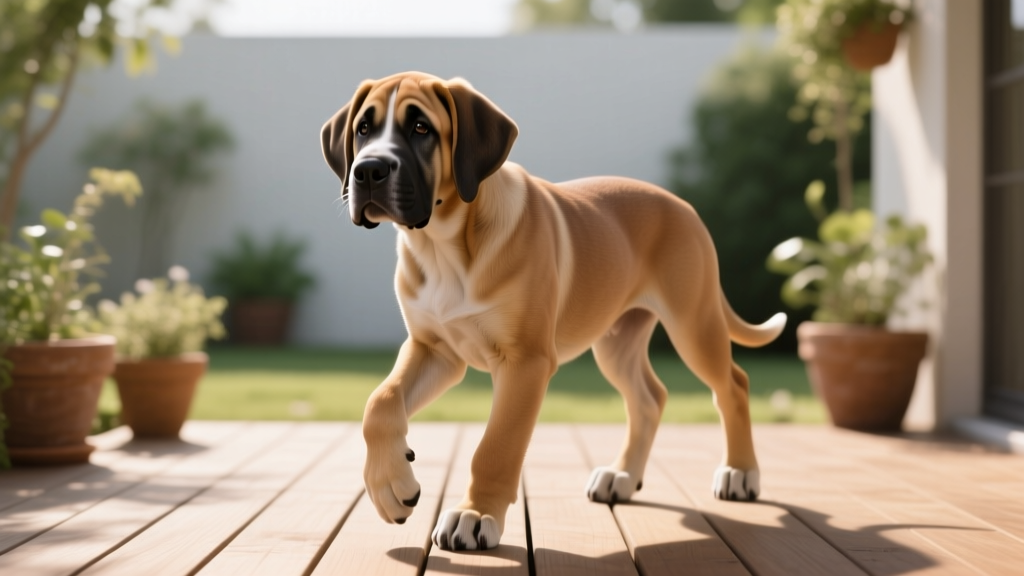
American Bully Puppies: Week-by-Week Care, Feeding & Training Guide
Complete week-by-week guide to raising American Bully puppies — milestones, feeding schedules, vaccination timelines, potty training, and first-year costs.

When Should You Bring Your American Bully Puppy Home?
Responsible breeders keep American Bully puppies until at least 8 weeks of age, and many reputable Bully breeders hold puppies until 10–12 weeks. The extra weeks matter for this breed: American Bullies are stocky, muscular dogs with broad skulls and short muzzles (brachycephalic tendencies in some lines), and they mature more slowly than many breeds of similar weight. A Bully puppy that leaves the litter at 8 weeks may still be navigating bite inhibition and littermate social lessons that are critical for a breed with a powerful jaw.
The American Kennel Club recommends puppies remain with their mother and littermates through at least 8 weeks. For American Bully puppies — especially the heavier Standard and XL varieties — weeks 8 through 12 with the breeder provide irreplaceable social development. During this window, puppies learn bite inhibition from siblings, gain confidence from the dam's corrections, and build foundational resilience that no amount of human socialization can fully replicate.
- Heavy-duty wire crate (36" for Standard, 42" for XL — they'll grow into it with a divider panel)
- Orthopedic or memory foam bed (Bully breeds are prone to joint stress; firm support matters from day one)
- Stainless steel or ceramic food bowls (avoid plastic — some Bullies develop chin acne from plastic contact)
- Puppy-proofed space with bitter apple spray on baseboards and cords
- Enzymatic cleaner (Nature's Miracle or Rocco & Roxie — Bully puppies can be heavy drinkers and messy eaters)
Week-by-Week Milestones: What to Expect as Your Bully Grows
American Bully puppies develop on a slightly extended timeline compared to leaner, lighter breeds. Their muscle mass increases dramatically between 4 and 12 months, and their skeletal plates may not fully close until 18–24 months in XL lines. Here's what each developmental window looks like for your Bully puppy.
Weeks 4–8: The Litter Phase (With Breeder)
At this stage, your Bully puppy is still with the breeder. Teeth are erupting (deciduous incisors appear around weeks 3–4), puppies begin transitioning to soft gruel around week 4, and social hierarchy within the litter becomes visible. Expect a 5–8 lb puppy at 6 weeks for a Standard Bully; Pocket varieties may be 3–5 lb, while XL pups can hit 8–12 lb.
Weeks 8–12: The Adjustment Window (Home Transition)
This is the most impressionable period. Your puppy is forming associations with every new experience. Bully puppies at this age are typically bold and curious — the breed standard calls for confidence and friendliness. Expect 15–20 hours of sleep per day, split across frequent naps. Weight gain should be steady: approximately 1–2 lb per week for Standard Bullies.
Weeks 12–16: Confidence Building
Fear periods often emerge around weeks 12–14. A previously bold Bully puppy may suddenly startle at the vacuum or refuse to walk past a garbage can. This is normal developmental neurology, not a temperament flaw. Respond with calm encouragement and treats — never force exposure. Your puppy's adult teeth begin pushing out baby teeth around week 14.
Weeks 16–24 (4–6 Months): The Teenage Phase
Energy spikes, chewing intensifies, and your Bully puppy begins testing boundaries. This is when consistent training pays dividends. Many Bully owners report a noticeable "wall of muscle" development starting around 5 months. Males in particular begin broadening through the chest and shoulders. Keep exercise structured — forced running or repetitive jumping on hard surfaces should be avoided until growth plates close.
Months 6–12: Physical Maturation
Your Bully is now an adolescent. Height growth slows significantly after 8–9 months, but muscle filling continues well past the first birthday. Training should shift from basic manners to impulse control and proofing commands in distracting environments. Spay/neuter timing should be discussed with your veterinarian — many Bully breeders and veterinarians recommend waiting until 12–18 months for this breed to allow hormonal influence on proper musculoskeletal development.
Feeding Schedule: Exact Portions for American Bully Puppies
American Bully puppies need a large-breed puppy formula to manage their growth rate. Rapid growth in heavy, muscular breeds increases the risk of developmental orthopedic diseases like hip dysplasia and osteochondritis dissecans (OCD). Look for a food that meets AAFCO nutrient profiles for large-breed growth — this means calcium levels between 1.0% and 1.8% on a dry matter basis, and a calorie density that supports steady (not maximal) growth.
| Age | Expected Weight (Standard) | Meals Per Day | Daily Kibble (cups) | Notes |
|---|---|---|---|---|
| 8–10 weeks | 10–15 lb / 4.5–6.8 kg | 4 | 1.0–1.5 | Soften with warm water if transitioning from breeder's gruel |
| 10–12 weeks | 15–20 lb / 6.8–9 kg | 4 | 1.5–2.0 | Begin phasing out softened kibble |
| 3–4 months | 20–30 lb / 9–13.6 kg | 3 | 2.0–2.5 | Drop the midday meal gradually over one week |
| 4–6 months | 30–45 lb / 13.6–20.4 kg | 3 | 2.5–3.5 | Monitor body condition score — ribs should be palpable but not visible |
| 6–9 months | 45–60 lb / 20.4–27.2 kg | 2 | 3.0–4.0 | Transition to 2 meals; adjust based on activity level |
| 9–12 months | 55–70 lb / 25–31.8 kg | 2 | 3.5–4.5 | Begin considering transition to adult large-breed formula at 12 months |
These portions assume a large-breed puppy kibble with approximately 350–400 kcal per cup. Brands commonly recommended by veterinary nutritionists for large-breed puppies include Purina Pro Plan Large Breed Puppy, Royal Canin Giant Puppy, and Hill's Science Diet Large Breed Puppy. Always adjust portions based on your individual puppy's body condition score (BCS) — a score of 4–5 out of 9 is ideal. If your Bully puppy's waist disappears when viewed from above, reduce portions by 10–15%.
- Free-feeding: Bullies are food-motivated and will overeat, leading to excess joint stress
- Calcium supplements: Adding calcium to a complete large-breed puppy food can disrupt the calcium-phosphorus ratio and cause skeletal deformities
- Raw diets during growth: Unless formulated by a board-certified veterinary nutritionist (DACVN), raw diets frequently have calcium imbalances dangerous for growing large breeds
- Elevated bowls: Some evidence suggests elevated feeders may increase bloat risk in deep-chested breeds; feed at floor level unless your vet advises otherwise
Vaccination Schedule for American Bully Puppies
Your Bully puppy's vaccination timeline follows standard canine protocols, but timing matters for breed protection. Bullies are often housed in multi-dog environments (breeding kennels, group classes), making timely vaccination critical against contagious diseases like parvovirus and bordetella.
| Age | Vaccine | What It Protects Against | Estimated Cost |
|---|---|---|---|
| 6–8 weeks | DHPP (1st dose) | Distemper, Hepatitis (Adenovirus), Parainfluenza, Parvovirus | $20–$40 |
| 10–12 weeks | DHPP (2nd dose) | Same as above — booster to build adequate antibody levels | $20–$40 |
| 10–12 weeks | Bordetella (optional but recommended) | Kennel cough — essential if attending puppy classes | $20–$35 |
| 14–16 weeks | DHPP (3rd dose) | Final puppy series booster — immunity considered protective after this dose | $20–$40 |
| 14–16 weeks | Rabies (required by law) | Rabies — legally mandated; typically given at 12–16 weeks depending on state law | $15–$30 |
| 12–16 months | DHPP booster + Rabies booster | First annual/3-year boosters depending on vaccine type used | $40–$75 combined |
Your veterinarian may also recommend leptospirosis vaccination depending on your geographic area and your puppy's exposure risk. The American Veterinary Medical Association categorizes vaccines as "core" (DHPP, rabies) and "non-core" (bordetella, leptospirosis, Lyme) based on individual risk assessment.
Socialization Window: Weeks 3–14 (The Critical Period)
The primary socialization window for puppies closes between 12 and 14 weeks of age. After this period, unfamiliar stimuli are more likely to trigger fear responses than curiosity. For American Bully puppies — a breed that should be confident, stable, and friendly per the UKC breed standard — structured socialization during this window is non-negotiable.
Because your puppy won't be fully vaccinated during this window, balance exposure with biosecurity. Carry your puppy in a sling or stroller through busy areas. Host vaccinated, healthy adult dogs for playdates in your yard. Avoid dog parks and high-traffic pet areas until the vaccination series is complete.
American Bully Puppy Socialization Checklist (Weeks 8–14)
- ☐ Children of various ages (supervised, gentle interactions)
- ☐ People wearing hats, sunglasses, hoodies, and masks
- ☐ People of different heights, builds, and skin tones
- ☐ People using wheelchairs, crutches, or walkers
- ☐ Delivery drivers and uniformed workers
- ☐ Grass, gravel, sand, wet pavement, metal grates
- ☐ Car rides (short, positive — end with a treat or park visit)
- ☐ Elevators, automatic doors, revolving doors (carried if pre-vaccine)
- ☐ Stairs (low sets; carry down if puppy shows hesitation)
- ☐ Thunder, fireworks, sirens, vacuum cleaners
- ☐ Doorbells, knocking, clapping, shouting
- ☐ Ear touching, mouth opening, paw handling, nail clipping practice
- ☐ Gentle restraint (hug simulation for future vet visits)
- ☐ Brushing with a rubber curry brush (Bully coats are short but shed heavily)
- ☐ Playdates with 2–3 known, vaccinated, dog-friendly adult dogs
- ☐ Supervised exposure to cats (leashed puppy, cat has escape route)
- ☐ Observation of livestock or horses from a safe distance if accessible
Potty Training Timeline and Troubleshooting
American Bully puppies are generally eager to please and respond well to consistent routines, but their small puppy bladders and tendency toward stubbornness (a trait of their bulldog ancestry) can extend the potty training timeline. Set realistic expectations: most Bully puppies achieve reliable house training between 4 and 6 months of age, with occasional accidents possible through 8 months.
| Age | Bladder Capacity | Outdoor Trips Per Day | Accident Expectation |
|---|---|---|---|
| 8–10 weeks | 30–45 minutes max | 12–15 (every 30 min when awake, after every meal/nap/play) | Frequent — multiple daily accidents are normal |
| 10–14 weeks | 1–1.5 hours | 8–12 | 2–4 per week if on a schedule |
| 3–4 months | 2–3 hours | 6–8 | 1–2 per week; regression possible during fear periods |
| 4–6 months | 3–4 hours | 5–6 | Rare if routine is maintained; marking behavior may begin in males |
| 6–8 months | 4–6 hours | 4–5 | Should be reliable; any new accidents warrant a vet check for UTI |
Potty Training Protocol for Bully Puppies
- Designate one outdoor spot and always bring your puppy to the same location. The scent builds an association.
- Use a verbal cue ("go potty") as your puppy begins to eliminate. Reward immediately after finishing — not after coming back inside.
- Supervise or confine. When you cannot watch your puppy, they should be in a crate or exercise pen. Unsupervised roaming guarantees accidents.
- Clean accidents with enzymatic cleaner only. Ammonia-based cleaners smell like urine to dogs and encourage re-soiling.
- Never punish accidents. Rubbing a puppy's nose in urine or yelling creates fear of eliminating in front of you — leading to hiding behind furniture to go.
Crate Training Progression and Time Limits
American Bullies generally take well to crate training — they're den-seeking dogs that appreciate a personal space. The key is building positive associations gradually and never exceeding age-appropriate confinement times.
| Age | Max Daytime Crate Duration | Nighttime Expectation |
|---|---|---|
| 8–10 weeks | 30–45 minutes | 2–3 hours (expect 1–2 overnight potty breaks) |
| 10–14 weeks | 1–1.5 hours | 3–4 hours (1 overnight break likely needed) |
| 3–4 months | 2–3 hours | 5–6 hours (overnight break may still be needed) |
| 4–6 months | 3–4 hours | 6–8 hours (many Bullies sleep through the night by 4 months) |
| 6+ months | 4–5 hours | 8 hours overnight is typical |
Crate sizing: Use a wire crate with a divider panel. Your Bully puppy should be able to stand up, turn around, and lie down comfortably — but not have enough room to eliminate in one corner and sleep in another. For an adult Standard Bully (50–70 lb / 23–32 kg), a 36" crate is typical. For XL Bullies (70–120 lb / 32–54 kg), plan for a 42" or 48" crate.
Make the crate a positive space from day one: feed meals inside with the door open, provide a stuffed Kong or bully stick (supervised), and never use the crate as punishment. If your puppy whines, wait for a 3–5 second pause before opening the door — this teaches that quiet, not whining, opens the crate.
Teething Timeline and Relief Strategies
American Bully puppies begin losing deciduous (baby) teeth around 12–16 weeks, with the process typically complete by 6–7 months. During this window, chewing is a physiological need — not misbehavior. The pressure of erupting adult teeth through gum tissue causes discomfort, and chewing provides relief.
| Age | What's Happening | Safe Relief Options |
|---|---|---|
| 3–4 weeks | Deciduous incisors erupt | N/A — still with breeder/nursing |
| 4–6 weeks | Deciduous canines and premolars erupt | N/A — weaning period |
| 12–16 weeks | Adult incisors begin pushing out baby teeth | Frozen wet washcloth (twist, wet, freeze), rubber teething rings |
| 16–20 weeks | Adult canines erupt; peak chewing intensity | Benebone Wishbone, Nylabone Puppy Chew, frozen carrot sticks |
| 20–24 weeks | Adult premolars and molars erupt | Kong Classic (frozen with peanut butter), bully sticks (supervised) |
| 6–7 months | All 42 adult teeth should be in; retained baby teeth possible | Transition to durable adult chews; vet check for retained deciduous teeth |
Retained deciduous teeth: Brachycephalic and short-muzzled breeds are predisposed to retained baby teeth, particularly the upper canines. If you see adult teeth erupting alongside baby teeth ("double fang" appearance), schedule a veterinary dental evaluation. Retained baby teeth may need surgical extraction to prevent misalignment of the adult bite.
- Rawhide (choking and intestinal blockage risk — especially for powerful chewers)
- Cooked bones of any kind (splinter into sharp fragments)
- Antlers and weight-bearing bones from large animals (can fracture puppy teeth — the jaw force of a Bully is significant even in puppyhood)
- Tennis balls (abrasive surface wears down teeth; also a choking hazard for wide-mouthed breeds)
Common American Bully Puppy Problems and Solutions
Every breed has its puppyhood quirks. American Bullies share some behavioral tendencies rooted in their bulldog and terrier ancestry that benefit from breed-specific management strategies.
Puppy Biting and Nipping
Bully puppies explore the world with their mouths, and their broad jaws make even playful nipping uncomfortable. Bite inhibition training should begin the day your puppy comes home.
- Redirect to a toy: When teeth touch skin, say "oops" in a neutral tone, withdraw attention for 5 seconds, then offer an appropriate chew toy.
- Time-outs: If nipping persists after two redirects, calmly place the puppy in the crate or exercise pen for 30–60 seconds. This teaches that biting ends play.
- Provide sufficient chewing outlets: A Bully puppy with access to frozen Kongs, tug toys, and textured chews throughout the day will mouth people less.
- Never hold the mouth shut, alpha roll, or use physical punishment. These methods damage trust and can trigger defensive aggression — counterproductive for a powerful breed.
Whining and Vocalization
Bully puppies can be vocal, especially during crate training transitions and nighttime. Distinguish between needs-based whining (potty, pain, hunger) and attention-seeking whining. If you've just taken your puppy out, they're fed, and they're safe — wait for a pause in the whining before responding. Rewarding silence teaches that quiet gets attention.
Destructive Chewing
The combination of teething discomfort, high energy, and powerful jaws means an unsupervised Bully puppy can destroy furniture, shoes, and baseboards rapidly. Prevention is more effective than correction:
- Rotate 4–5 chew toys weekly to maintain novelty
- Apply bitter apple spray to furniture legs and cords
- Provide at least 30–45 minutes of structured physical activity and 15–20 minutes of mental enrichment (snuffle mats, training sessions) daily
- Confine to a puppy-proofed area or crate when unsupervised
Leash Pulling
American Bullies are strong for their size — a 40 lb puppy can pull harder than many adult dogs of lighter breeds. Start leash training early with a front-clip harness (such as the Ruffwear Front Range or 2 Hounds Design No Pull Harness). Reward loose-leash walking with treats at your knee level. Stop walking when the leash goes taut — movement forward is the reward for a slack leash.
First-Year Cost Breakdown for an American Bully
Budgeting accurately prevents surprises. American Bully puppies cost more to raise than many breeds due to their size, appetite, and breed-specific health considerations. Here's a realistic first-year budget for a Standard American Bully (50–70 lb adult weight).
| Category | Items | Estimated Cost Range |
|---|---|---|
| Puppy Purchase | From responsible breeder (health-tested parents, UKC/AKC registered) | $2,000–$5,000 |
| Initial Veterinary | Exam, DHPP series (3 doses), rabies, bordetella, fecal tests, deworming | $300–$600 |
| Spay/Neuter | If performed at 6–12 months (varies by clinic and dog size) | $300–$700 |
| Food | Large-breed puppy formula, ~25–30 lb bag every 3–4 weeks, 12 months | $600–$1,000 |
| Supplies | Crate, bed, bowls, leash, harness, toys, grooming tools, enzymatic cleaner | $250–$500 |
| Training | Group puppy class (6–8 weeks) + optional private sessions | $150–$500 |
| Preventive Medications | Heartworm (Heartgard Plus), flea/tick (NexGard or Bravecto), 12 months | $250–$450 |
| Pet Insurance (Optional) | Monthly premium for accident/illness coverage | $400–$700/year |
| Emergency Fund Reserve | Recommended buffer for unexpected vet visits | $500–$1,000 |
Total first-year cost (excluding puppy purchase): $2,750–$5,450. The wide range reflects regional veterinary pricing differences, insurance choices, and whether you opt for group or private training. Urban areas with higher costs of living will trend toward the upper range.
When choosing a breeder, ask for documentation of health testing on both parents. The Orthopedic Foundation for Animals (OFA) maintains a database of hip, elbow, and cardiac evaluations. Responsible American Bully breeders test for hip dysplasia, elbow dysplasia, and cardiac conditions — and they'll share OFA certificates willingly. Puppies from untested parents may cost less upfront ($500–$1,500) but carry substantially higher risk for expensive orthopedic surgeries down the line.
Frequently Asked Questions About American Bully Puppies
When can my American Bully puppy go outside and meet other dogs?
Your puppy can go outside in your own yard (if no unknown dogs have access) immediately. For public spaces and meeting unfamiliar dogs, wait until 7 days after the final DHPP booster at 14–16 weeks. Controlled puppy socialization classes with vaccinated peers are safe after the second DHPP dose (10–12 weeks) — consult your veterinarian for specific recommendations based on local disease prevalence.
How do I stop my American Bully puppy from biting?
Redirect to appropriate chew toys, use brief time-outs (30–60 seconds in a pen) when teeth touch skin, and provide ample chewing outlets throughout the day. Bite inhibition typically improves significantly by 5–6 months as adult teeth fully erupt and puppy play styles mature. Consistency from all household members is essential — if one person allows mouthing and another punishes it, the puppy cannot learn the rule.
How often should I feed my American Bully puppy at 3 months?
At 3 months (12 weeks), feed three meals per day. A Standard Bully puppy at this age typically needs 2.0–2.5 cups of large-breed puppy kibble daily, divided into three equal portions. Adjust based on body condition — you should be able to feel ribs with light pressure but not see them prominently.
When will my American Bully puppy be fully potty trained?
Most American Bully puppies achieve reliable house training between 4 and 6 months of age with a consistent schedule. Some individuals, particularly males who begin marking behavior around 5–7 months, may need additional reinforcement. If accidents persist past 6 months despite consistent management, consult your veterinarian to rule out medical causes.
Are American Bully puppies good with children?
Well-bred American Bullies are known for their stable, friendly temperament and tolerance, which can make them excellent family dogs. However, puppies of any breed should never be left unsupervised with young children. A Bully puppy's enthusiasm and muscular build can accidentally knock over a toddler. Teach children to interact gently and respect the puppy's crate as a no-disturb zone.
What vaccines does my American Bully puppy need and when?
Core vaccines include the DHPP series (distemper, hepatitis, parainfluenza, parvovirus) given at 6–8 weeks, 10–12 weeks, and 14–16 weeks, plus a rabies vaccine at 12–16 weeks as required by law. Non-core vaccines like bordetella and leptospirosis are recommended based on lifestyle and geographic risk. Your veterinarian will tailor the protocol to your puppy's specific needs.
This guide provides general educational information. Always consult your veterinarian for personalized health, nutrition, and vaccination decisions for your American Bully puppy.
Beth Carrasco
All our authors care for dogs every day — read more of their work on the authors page.