Akita Dog Puppy: Complete Week-by-Week Growth & Care Guide
Raise your Akita dog puppy with confidence. Week-by-week milestones, feeding portions, vaccination schedule, socialization checklist, and first-year cost breakdown.

Bringing an Akita dog puppy into your home is one of the most rewarding—and demanding—commitments a dog owner can make. Akitas are large, intelligent, fiercely loyal dogs with a strong independent streak rooted in centuries of Japanese hunting and guarding heritage. Raising one successfully requires understanding not just general puppy development, but the breed-specific quirks that make Akita puppies uniquely challenging: their early wariness of strangers, rapid growth phases that demand careful nutritional management, and a socialization window that closes faster than many new owners realize.
This guide walks you through every critical stage from weeks 4 through 12 months, with exact feeding portions, vaccine timelines, crate training progressions, and a realistic first-year budget. All health recommendations should be confirmed with your veterinarian, as individual puppies may need adjusted protocols.
When Should You Bring Your Akita Puppy Home?
Responsible Akita breeders typically release puppies between 8 and 10 weeks of age. While some breeders hold puppies until 12 weeks to complete an additional round of socialization and vaccinations, 8–10 weeks remains the standard for most AKC-registered breeders.
For Akitas specifically, the 8–10 week window is ideal because it lands squarely within the critical socialization period (weeks 3–14). This gives you roughly 4–6 weeks of prime neuroplasticity to expose your puppy to the sights, sounds, surfaces, and people they'll encounter throughout life. Bringing an Akita puppy home before 8 weeks risks missing littermate social learning; waiting past 12 weeks means you've lost valuable socialization time with a breed that is naturally reserved with strangers.
Akita Puppy Milestones: Week-by-Week Timeline
Understanding what's developmentally appropriate at each stage prevents both unrealistic expectations and missed intervention windows. Here's what to expect from your Akita dog puppy at every key phase.
Weeks 4–8: The Litter Phase (Breeder's Domain)
- Weight: Puppies typically weigh 5–10 lb (2.3–4.5 kg) by week 8
- Senses: Eyes and ears fully functional; startle responses to loud noises emerge
- Social: Littermate play teaches bite inhibition basics—puppies learn that biting too hard ends the game
- Mobility: Running, climbing, and early exploratory behavior outside the whelping box
- What you should verify with the breeder: First deworming completed, initial veterinary exam done, eyes and umbilical area checked for defects
Weeks 8–12: The Homecoming Window
- Weight: Expect 10–20 lb (4.5–9 kg) by week 12; Akitas grow rapidly
- Sleep: 18–20 hours per day is completely normal—enforce nap times in the crate
- Attention span: 5–10 minutes maximum for training sessions
- Fear imprint period (8–11 weeks): Traumatic experiences during this window can create lasting phobias. Keep vet visits, grooming introductions, and new environments as positive and low-pressure as possible
- Biting/nipping: Peaks during this phase. Redirect to appropriate chew toys every single time—never use physical punishment
Weeks 12–16: Confidence Building
- Weight: 20–35 lb (9–16 kg)
- Testing boundaries: Your Akita puppy will start ignoring previously learned cues. This is normal developmental independence, not defiance
- Potty training progress: Bladder control improves noticeably; accidents should decrease if you maintain a consistent schedule
- First signs of guarding behavior: Resource guarding (food, toys, people) may emerge. Address immediately with positive reinforcement trade-up exercises—never punish growling, as this suppresses warning signals
Weeks 16–24: The Adolescent Shift
- Weight: 35–60 lb (16–27 kg); your Akita is now roughly half their adult weight
- Teething: Adult teeth erupt between 4–6 months, causing intense chewing urges
- Social wariness: The natural Akita aloofness toward strangers becomes more pronounced. Continue structured socialization rather than assuming they'll "grow out of it"
- Second fear period (6–14 months): Previously confident puppies may suddenly react fearfully to familiar stimuli. Respond with calm reassurance, not forced exposure
Months 6–12: Young Adult Transition
- Weight: Females reach 60–80 lb (27–36 kg); males reach 75–100 lb (34–45 kg) by month 12
- Energy: Still high but beginning to settle into longer rest periods
- Training: Capable of sustained 15–20 minute sessions; ideal time to introduce structured activities like nosework or basic agility foundations
- Spay/neuter discussion: For large breeds like Akitas, many veterinarians now recommend waiting until 12–18 months to allow growth plates to close. Discuss timing with your vet
Feeding Your Akita Puppy: Portions, Frequency, and Nutrition
Large-breed puppies like Akitas require carefully calibrated nutrition to prevent rapid growth that stresses developing joints. Choose an AAFCO-approved large-breed puppy formula with calcium content between 1.0–1.5% on a dry matter basis. Brands like Purina Pro Plan Large Breed Puppy, Royal Canin Giant Puppy, and Hill's Science Diet Large Breed Puppy are veterinary-recommended options.
| Age | Meals Per Day | Daily Portion (approx.) | Estimated Puppy Weight |
|---|---|---|---|
| 8–12 weeks | 4 meals | 2–3 cups total (split into 4) | 10–20 lb / 4.5–9 kg |
| 3–4 months | 3 meals | 3–4 cups total (split into 3) | 20–35 lb / 9–16 kg |
| 5–6 months | 3 meals | 4–5 cups total (split into 3) | 35–55 lb / 16–25 kg |
| 7–9 months | 2 meals | 4.5–6 cups total (split into 2) | 55–80 lb / 25–36 kg |
| 10–12 months | 2 meals | 5–6.5 cups total (split into 2) | 70–100 lb / 32–45 kg |
These portions are starting points. Monitor your puppy's body condition score (BCS) weekly—you should be able to feel ribs without pressing hard, and a visible waist should appear when viewed from above. Adjust portions up or down by 10–15% based on individual condition. Consult your veterinarian if you're unsure about your puppy's growth rate.
Vaccination Schedule for Your Akita Puppy
Your Akita puppy's immune system needs a series of vaccinations to build full protection. The AVMA core vaccination protocol follows this timeline:
| Age | Vaccines | Notes |
|---|---|---|
| 6–8 weeks | DHPP (Distemper, Hepatitis, Parainfluenza, Parvovirus) — 1st dose | Usually given by breeder. Optional: Bordetella if puppy will attend group classes. |
| 10–12 weeks | DHPP — 2nd dose; Bordetella (optional); Leptospirosis (risk-dependent) | Maternal antibodies still waning; puppy is NOT fully protected yet. |
| 14–16 weeks | DHPP — 3rd dose; Rabies (required by law in most US states) | Final DHPP booster. Full protection achieved approximately 2 weeks after this dose. |
| 12–16 months | DHPP booster; Rabies booster (1-year or 3-year depending on local law) | Discuss titers testing as an alternative to boosters with your veterinarian. |
When can your Akita puppy go outside and meet other dogs? Until the full DHPP series is complete (approximately 2 weeks after the 14–16 week dose), avoid dog parks, pet stores, and areas with unknown dog traffic. You can carry your puppy in public spaces, visit friends' homes with fully vaccinated dogs, and explore low-risk outdoor areas. After the final DHPP booster, supervised playdates with known, vaccinated dogs are safe. Dog parks should wait until at least 6 months when your puppy has the size and social skills to handle unpredictable encounters—especially important for a breed as physically powerful as the Akita.
Socialization: The Critical 3–14 Week Window
Akitas are not naturally gregarious. Unlike Labrador Retrievers or Golden Retrievers who tend to greet everyone enthusiastically, Akitas are selectively social—they bond intensely with family but reserve judgment on strangers. This makes structured socialization during the 3–14 week critical period non-negotiable. Miss this window and you risk raising a dog that is fearfully reactive or aggressively territorial.
Your goal is not to make your Akita "friendly with everyone." Your goal is to build neutrality and confidence—teaching them that unfamiliar people, dogs, sounds, and environments are not threats.
- ☐ Meet at least 10 different people (varying ages, ethnicities, heights, clothing styles including hats, sunglasses, uniforms)
- ☐ Walk on 5+ different surfaces (grass, gravel, tile, metal grates, wet pavement)
- ☐ Hear 10+ novel sounds (vacuum, doorbell, thunder recordings, traffic, construction, fireworks at low volume)
- ☐ Experience being handled: paws touched, ears examined, mouth opened, tail gently lifted—daily
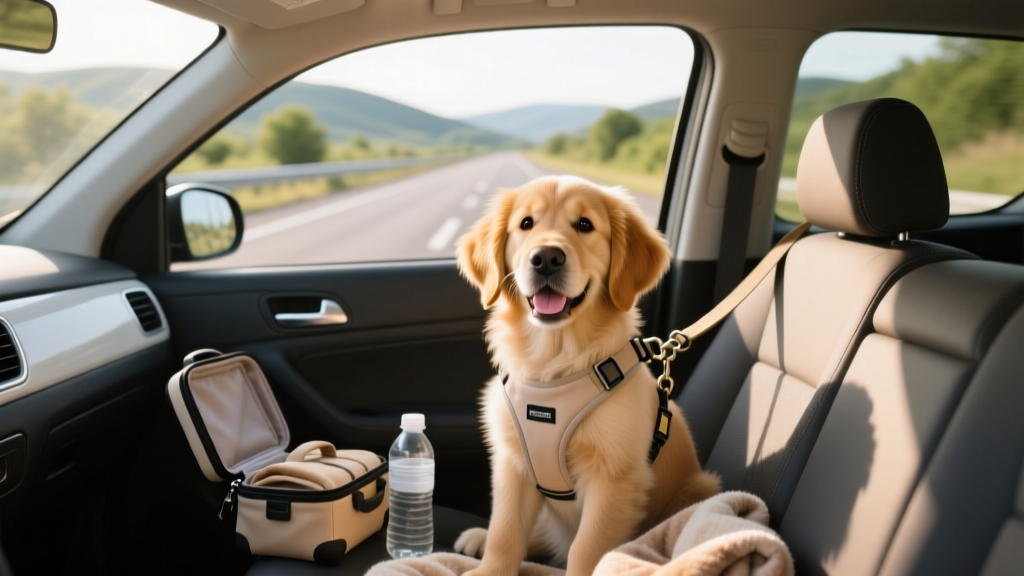
- ☐ Ride in a car at least 5 times (short, positive trips ending with treats, not just vet visits)
- ☐ Visit a veterinary clinic for a "happy visit" (no shots, just treats and praise from staff)
- ☐ Observe (not necessarily interact with) at least 3 other vaccinated, calm adult dogs
- ☐ Encounter children (supervised, calm children who've been coached on gentle interaction)
- ☐ Experience a grooming table, nail clippers, and a brush without pressure to "perform"
- ☐ Spend time alone in a safe space for 10–15 minutes daily to prevent separation anxiety
Pair every new experience with high-value treats (boiled chicken, freeze-dried liver). If your Akita puppy shows fear—cowering, tail tucking, freezing—do not force exposure. Increase distance from the stimulus, reward calm behavior, and try again at a lower intensity the next day. Force-free, positive reinforcement methods build confident dogs; flooding (forced exposure) creates lasting trauma.
Potty Training Your Akita Puppy: Timeline and Troubleshooting
When will your Akita puppy be fully potty trained? Most Akita puppies achieve reliable house training between 4 and 6 months of age, though some may take until 8 months. Akitas are naturally clean dogs—they tend to avoid soiling their sleeping area, which makes crate training a powerful potty training tool. However, their independent nature means they won't always "tell you" they need to go. You must maintain the schedule.
Potty Training Schedule by Age
- 8–12 weeks: Take outside every 1–2 hours, immediately after meals, naps, and play sessions. Expect 1–2 accidents per day.
- 3–4 months: Every 2–3 hours during the day. One overnight trip may still be needed. Accidents should drop to 2–3 per week.
- 5–6 months: Every 3–4 hours. Most puppies can sleep 7–8 hours overnight without a trip. Occasional accidents during excitement or schedule disruptions.
- 7–12 months: Reliable with a consistent 4–6 hour daytime schedule. If accidents resume, rule out urinary tract infection with your veterinarian before assuming behavioral regression.
Common Potty Training Problems and Solutions
Submissive/excitement urination: Common in Akita puppies when greeting people. Keep greetings low-key, avoid leaning over the puppy, and take them outside immediately when visitors arrive. This typically resolves by 6–8 months as bladder control and confidence mature.
Marking behavior: Intact male Akitas may begin lifting a leg and marking indoors as early as 5–6 months. This is hormonal, not a house-training failure. Discuss spay/neuter timing with your veterinarian and manage the environment by limiting unsupervised access to new rooms.
Refusal to go outside in bad weather: Akitas have thick double coats and tolerate cold well, but many dislike rain. A covered potty area or a large umbrella can help. Never punish a puppy for weather reluctance—create a sheltered spot instead.
Crate Training Progression and Time Limits
A properly crate-trained Akita is safer, calmer, and easier to manage during the destructive puppy phase. Introduce the crate as a positive den from day one—feed meals inside it, provide stuffed Kongs, and never use the crate as punishment.
| Puppy Age | Maximum Crate Time (Daytime) | Maximum Crate Time (Overnight) |
|---|---|---|
| 8–10 weeks | 1–1.5 hours | 3–4 hours (set an alarm) |
| 11–14 weeks | 2–2.5 hours | 5–6 hours |
| 15–16 weeks | 3 hours | 6–7 hours |
| 4–6 months | 3–4 hours | 7–8 hours |
| 6–12 months | 4–5 hours | 8 hours |
Crate sizing for Akitas: Start with a 36-inch crate with a divider panel for an 8-week-old puppy. Upgrade to a 48-inch or 54-inch crate (the standard adult Akita size) by 4–5 months. The crate should allow your dog to stand, turn around, and lie down comfortably—but not so large that they can soil one end and sleep at the other.
Teething Timeline and Relief Strategies
Akita puppies begin losing their 28 deciduous (baby) teeth between 3 and 4 months of age, with the full set of 42 adult teeth typically erupted by 6 months. During this window, your puppy will chew relentlessly—not out of misbehavior, but because the pressure of erupting teeth on their gums is genuinely uncomfortable.
Safe Chew Recommendations by Stage
- 8–12 weeks: Soft rubber toys (Kong Classic puppy size), frozen damp washcloths (knotted and supervised), Nylabone puppy-specific soft chews
- 3–4 months: Frozen Kong stuffed with puppy-safe peanut butter (xylitol-free), Benebone puppy line, frozen carrot sticks (supervised—remove when small enough to choke on)
- 4–6 months: Medium-firm rubber toys, bully sticks (supervised, remove last 2 inches to prevent choking), yak cheese chews (monitor for tooth fractures in aggressive chewers)
Common Akita Puppy Problems and Solutions
Puppy Biting and Nipping
Akita puppies are mouthy—more so than many breeds. Their hunting heritage means they explore the world with their jaws. How do you stop puppy biting? Use the redirection method consistently: when teeth touch skin, say a calm "oops" or "too bad," withdraw attention for 10–15 seconds, then offer an appropriate chew toy. If biting escalates during play, the puppy is overstimulated—end the session and enforce a crate nap. Most Akita puppies show significant bite inhibition improvement by 16 weeks if redirection is applied consistently by every household member.
Whining in the Crate
Expect 3–7 nights of crate whining when your Akita puppy first comes home. Ensure they've been exercised, have had a potty break, and are given a frozen Kong before crating. If whining continues past 20 minutes, take them out for a boring, silent potty trip, then return them to the crate. Do not release a whining puppy during the day—this teaches that noise equals freedom.
Destructive Chewing
Akitas are powerful chewers capable of destroying furniture, baseboards, and shoes from 3–8 months. Management is key: puppy-proof every room, provide 5–7 approved chew options rotated weekly to maintain novelty, and never leave an Akita puppy unsupervised in an un-proofed space until they've earned freedom (typically 12–18 months).
Food Guarding
Resource guarding can emerge in Akita puppies as early as 10–12 weeks. If your puppy growls, freezes, or eats faster when you approach their bowl, do not punish the warning. Instead, practice "trade-up" exercises: approach during meals and drop a higher-value treat (chicken, cheese) near the bowl without taking the bowl away. Over weeks, your puppy learns that human approach predicts better things, not loss.
First-Year Cost Breakdown for an Akita Puppy
Budgeting realistically prevents financial stress and ensures your puppy receives proper care. These estimates reflect 2026 US pricing for a single Akita puppy.
| Category | Low Estimate | Average Estimate | High Estimate |
|---|---|---|---|
| Purchase price (responsible breeder) | $1,500 | $2,500 | $4,500 |
| Veterinary care (vaccines, exams, spay/neuter, preventives) | $800 | $1,200 | $1,800 |
| Food (large-breed puppy formula, 12 months) | $480 | $720 | $1,100 |
| Supplies (crate, bed, leash, bowls, toys, grooming tools) | $300 | $500 | $800 |
| Training (group puppy class + private sessions) | $200 | $500 | $1,200 |
| Pet insurance (annual premium) | $400 | $650 | $900 |
| TOTAL FIRST YEAR | $3,680 | $6,070 | $10,300 |
Adoption through an AKC Rescue Network affiliate or breed-specific Akita rescue typically costs $300–$600, significantly reducing the purchase price line. However, adopted puppies or young adults may require additional behavioral support, so budget for 2–3 private training sessions ($100–$175 each) as a precaution.
Frequently Asked Questions
How often should I feed my Akita puppy at 10 weeks old?
At 10 weeks, feed 4 meals per day, totaling approximately 2–3 cups of large-breed puppy food. Split the daily portion into roughly equal servings at breakfast, midday, late afternoon, and early evening. Remove the bowl after 15–20 minutes to establish a routine and prevent free-feeding, which makes potty training harder to predict.
Are Akitas good with children?
Akitas can coexist well with children in their own family when raised together and when children are taught respectful interaction. However, Akitas are not naturally tolerant of rough handling, ear pulling, or sudden movements. They are best suited to families with older children (8+) or families committed to closely supervising all interactions. Never leave any dog alone with young children.
My Akita puppy won't eat. Should I be worried?
Occasional skipped meals are normal during teething, after vaccinations, or during environmental transitions. If your puppy skips more than two consecutive meals, shows lethargy, vomiting, or diarrhea, contact your veterinarian immediately. Puppies under 4 months are at risk for hypoglycemia if they don't eat regularly.
When should I start formal training classes?
Enroll in a positive-reinforcement puppy kindergarten class as soon as your Akita has received their second DHPP vaccination (typically around 10–12 weeks). Look for classes that require proof of vaccination for all attendees. Early structured training is especially valuable for Akitas because it establishes you as a consistent, predictable leader before the adolescent independence phase kicks in around 5–6 months.
Do Akita puppies shed a lot?
Akita puppies have a soft puppy coat that begins transitioning to their adult double coat around 5–7 months. During this transition, expect significant shedding. Adult Akitas "blow" their undercoat twice yearly, producing extraordinary amounts of fur. Invest in an undercoat rake (such as the Furminator large breed tool or a Chris Christensen large slicker brush) and establish a brushing routine of 10–15 minutes, 3 times per week, starting in puppyhood so grooming becomes a familiar, non-stressful activity.
Beth Carrasco
All our authors care for dogs every day — read more of their work on the authors page.