Best Wooden Dog Fence Options for 2026: Complete Buyer's Guide
Compare the best wooden dog fence options for 2026. Expert reviews, pricing, safety tips, and buying criteria to keep your dog secure in style.
Why Wooden Fences Work Well for Dogs
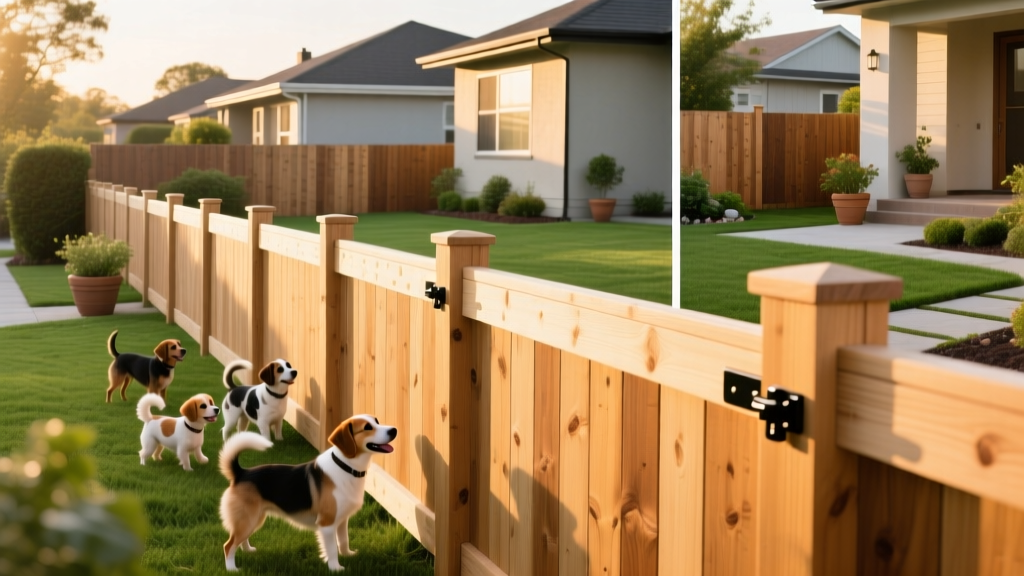
Wooden fences remain one of the most effective containment solutions for dogs because they eliminate visual triggers that cause barrier frustration and reactivity. Unlike chain-link or wire fencing, a solid wooden fence blocks your dog's view of passing cars, squirrels, and neighborhood dogs — reducing barking, lunging, and escape attempts. According to the American Kennel Club, visual barriers are among the most effective tools for preventing escape behavior in high-prey-drive breeds.
Wood also provides insulation from noise and wind, creates privacy for both you and your neighbors, and adds property value. From a safety standpoint, wooden fences have no sharp edges or pinch points that could injure an excited dog, and they don't conduct electricity or heat the way metal fences can.
Top 5 Wooden Dog Fence Picks for 2026
1. Trex Fencing Composite Saddle Brown 6 ft Panel
Price: $185–$230 per 8-ft panel | Type: Composite (wood-plastic blend)
- Pros: Virtually maintenance-free; won't rot, splinter, or warp; 25-year warranty; consistent color throughout
- Cons: Highest upfront cost; limited color options; heavier than natural wood (requires sturdy posts)
Best for: Owners who want a wood-look fence with zero annual maintenance. Ideal for humid or rainy climates where natural wood deteriorates quickly.
2. Backyard X-Scapes Premium Western Red Cedar Dog Ear Panel
Price: $89–$115 per 6-ft × 8-ft panel | Type: Natural cedar
- Pros: Naturally insect- and rot-resistant; attractive grain; lightweight; pleasant aroma deters some pests
- Cons: Requires re-sealing every 2–3 years; softer wood can dent from large dog impact; color fades to silver-gray if untreated
Best for: Budget-conscious owners who appreciate natural aesthetics and don't mind periodic maintenance.
3. Outdoor Essentials Pressure-Treated Pine Stockade Fence
Price: $65–$85 per 8-ft section (6 ft tall) | Type: Pressure-treated southern yellow pine
- Pros: Most affordable full-height option; widely available at Home Depot/Lowe's; strong structural integrity; dog-eared tops resist splitting
- Cons: Chemical treatment (copper azole) requires 6-month curing before dog contact; prone to warping in extreme heat; needs annual staining
Best for: Large yards on a budget. Plan installation 6 months before your dog will have unsupervised access.
4. Zippity Outdoor Newport Semi-Permanent Wooden Picket Fence
Price: $72–$95 per 4-ft × 7-ft panel | Type: Spade-tipped pine with powder-coated steel posts
- Pros: No concrete needed for posts; removable/relocatable; attractive cottage-style design; easy DIY install in one day
- Cons: Only 4 ft tall — not suitable for jumpers; gaps between pickets allow small dogs to squeeze through; less wind-resistant
Best for: Small, non-athletic breeds in rental properties or temporary setups. Not recommended for Hounds, Terriers, or herding breeds.
5. FenceTrac Wood + Black Metal Frame Hybrid System
Price: $140–$175 per 6-ft × 8-ft section | Type: Cedar infill with galvanized steel frame
- Pros: Metal frame prevents warping/sagging; modern horizontal design; dog can't chew through steel rails; superior wind resistance
- Cons: Metal frame heats up in direct sun (test before letting dog lean against it); limited to horizontal orientation; specialty retailer only
Best for: Windy areas and owners wanting a modern aesthetic with structural durability that outlasts all-wood fences.
Wooden Dog Fence Comparison Table
| Product | Height | Material | Price per Panel | Maintenance Level | Best For |
|---|---|---|---|---|---|
| Trex Composite Saddle Brown | 6 ft | Composite | $185–$230 | Very Low | Zero-maintenance, humid climates |
| Backyard X-Scapes Cedar | 6 ft | Western Red Cedar | $89–$115 | Moderate | Natural look, budget buyers |
| Outdoor Essentials Pine | 6 ft | Pressure-Treated Pine | $65–$85 | High | Large yards, lowest cost |
| Zippity Newport Picket | 4 ft | Pine + Steel Posts | $72–$95 | Low | Small dogs, rentals, temp use |
| FenceTrac Hybrid | 6 ft | Cedar + Galv. Steel | $140–$175 | Low-Moderate | Windy areas, modern design |
How to Install a Wooden Dog Fence Safely
- Call 811 Before Digging: This free service marks underground utility lines. Hitting a gas line or electrical conduit during post-hole digging is a genuine risk — never skip this step.
- Set Posts at 8-Foot Intervals, 36 Inches Deep: Use a post-hole digger or auger. For 6-foot fences, posts should be buried at least 36 inches (one-third of total post length). Fill with quick-set concrete and allow 24–48 hours curing.
- Attach Rails with Galvanized or Stainless Steel Screws: Standard nails loosen over time as dogs lean on or jump against fences. Use 3-inch exterior-rated screws at every rail-to-post connection.
- Install Pickets with Maximum 2-Inch Gaps: Measure gap width at the widest point. For dogs under 25 lb, keep gaps at 1.5 inches or less — many small breeds can compress their ribcage and squeeze through surprising gaps.
- Add a Dig Guard or Bottom Rail: Bury hardware cloth (1/2-inch galvanized mesh) 12 inches deep along the fence base, angled outward at 90 degrees. This prevents escape-prone diggers (Huskies, Dachshunds, Terriers) from tunneling under.
- Seal or Stain with Pet-Safe Product: Use water-based, low-VOC sealants. Allow full cure time per manufacturer instructions (typically 72 hours) before allowing dog contact. Avoid creosote-based or arsenic-treated products entirely.
- Install Self-Closing Gate Latch: Dogs learn to nose-open simple hook-and-eye latches. Use a spring-loaded self-closing hinge with a latch that requires thumb pressure or a two-step release mechanism.
Safety Considerations and Warnings
Critical Safety Notes for Wooden Dog Fences
- Pressure-Treated Pine Warning: Modern pressure-treated lumber uses copper azole or micronized copper — safer than old CCA (arsenic) treatments but still not food-safe. Dogs that chew fence boards may ingest copper compounds. If your dog is a chewer, use untreated cedar or composite instead, or install a chew guard along the bottom 18 inches.
- Splinter Risk: Aging or untreated wood develops splinters that can lodge in paw pads, gums, or between teeth. Inspect fence surfaces monthly and sand rough spots immediately.
- Stain/Sealant Toxicity: Oil-based stains contain volatile organic compounds (VOCs) harmful to dogs during application and for 48–72 hours after. Keep dogs indoors with ventilation during staining. Choose products labeled "pet-safe when cured" — brands like ECOS Pet-Safe Wood Sealer or Vermont Natural Coatings PolyWhey are formulated for animal environments.
- Escape-Proof Height Guidelines: A 4-foot fence contains most dogs under 40 lb. Dogs 40–80 lb typically need 5–6 feet. Athletic breeds (Belgian Malinois, Border Collies, Huskies) may clear 6 feet — consider a coyote roller or inward-angled extension at the top. The ASPCA recommends minimum 6-foot fencing for any dog with a history of escape behavior.
- Gap Compression: Wood swells when wet and shrinks when dry. A gap that measures 2 inches in humid summer may widen to 3+ inches in dry winter. Check gaps seasonally and add filler strips as needed.
How Much Does a Wooden Dog Fence Cost?
Here's a realistic 2026 cost breakdown for a standard suburban yard (150 linear feet of fencing):
| Cost Component | Budget (Pine) | Mid-Range (Cedar) | Premium (Composite) |
|---|---|---|---|
| Materials (panels + posts) | $1,200–$1,600 | $1,700–$2,200 | $3,500–$4,300 |
| Hardware (screws, concrete, hinges) | $150–$200 | $180–$250 | $200–$300 |
| Dig guard (hardware cloth) | $100–$150 | $100–$150 | $100–$150 |
| Professional installation (optional) | $1,500–$2,500 | $1,800–$3,000 | $2,500–$4,000 |
| Stain/sealant | $80–$120 | $80–$120 | $0 (not needed) |
| Total DIY | $1,530–$2,070 | $2,060–$2,720 | $3,800–$4,750 |
| Total Professional | $3,030–$4,570 | $3,860–$5,720 | $6,300–$8,750 |
Ongoing maintenance costs: expect $50–$120 annually for sealant reapplication on natural wood. Composite and hybrid fences have near-zero annual maintenance costs, which often makes them cheaper over a 15-year ownership period.
Alternatives to Traditional Wooden Dog Fences
If a full wooden fence isn't feasible — whether due to budget, rental restrictions, HOA rules, or yard size — consider these alternatives:
- Bamboo Roll Fencing: Natural, sustainable, and affordable ($3–$5 per linear foot). Best as a visual barrier attached to an existing structural fence. Not strong enough as a standalone containment solution for large or determined dogs.
- Vinyl (PVC) Fencing: Mimics the look of painted wood with zero maintenance. Prices range from $25–$45 per linear foot installed. Doesn't splinter or harbor insects. Downside: can become brittle in extreme cold and crack under impact.
- Living Fence (Hedges): Dense plantings of arborvitae, privet, or holly create a natural barrier over 2–4 years. Ensure plant species are non-toxic to dogs — consult the ASPCA toxic plant database before planting. Yew, oleander, and sago palm are highly toxic and must be avoided.
- DIY Pallet Fence: Reclaimed wooden pallets can create a functional fence at minimal cost. Sand thoroughly to remove splinters and nails. Treat with pet-safe sealant. Best for temporary or rustic applications — structural integrity varies by pallet quality.
- GPS Virtual Fence (SpotOn, Halo Collar): Uses GPS to create invisible boundaries with collar-based correction. Costs $900–$1,500 for the collar plus $8–$10/month subscription. Not a physical barrier — won't prevent other animals or people from entering your yard. Best as a supplement to, not replacement for, physical fencing. Only recommended with force-free boundary training methods.
When a Fence Isn't Enough: Behavioral Considerations
A wooden fence is a physical tool, but containment success depends equally on your dog's mental state and training. Even the tallest, most secure fence won't contain a dog experiencing severe separation anxiety, prey drive fixation, or fear-based flight responses.
If your dog repeatedly attempts to escape despite adequate fencing, consult a certified professional dog trainer (CPDT) or veterinary behaviorist rather than simply increasing fence height. Escape behavior often signals an underlying behavioral issue that requires positive reinforcement training and, in some cases, veterinary intervention for anxiety.
For dogs with diagnosed anxiety disorders, your veterinarian may recommend behavioral medication alongside environmental management — a fence alone won't resolve compulsive escape attempts rooted in psychological distress.
Frequently Asked Questions
What is the best wooden fence for dogs that jump?
For athletic jumpers like Huskies, Malinois, or Border Collies, choose a minimum 6-foot solid-panel fence (no horizontal rails that serve as ladder steps). The FenceTrac Hybrid or Trex Composite provide the smooth, climb-resistant surface these breeds need. Add a coyote roller at the top if your dog has cleared 6 feet previously.
How do I stop my dog from digging under a wooden fence?
Bury 1/2-inch galvanized hardware cloth 12 inches deep along the fence line, bent outward at a 90-degree angle (forming an underground L-shape). When your dog digs, they hit the mesh and stop. Cover the above-ground portion with soil or mulch. Alternatively, pour a concrete footer along the fence base — more expensive but permanent.
Are there natural alternatives to chemical wood treatments?
Yes. Raw linseed oil (not boiled — boiled contains toxic metallic dryers), tung oil, and pine tar are natural wood preservatives safe for dogs once fully cured (typically 2–4 weeks). Cedar and redwood also contain natural oils (thujaplicins) that resist rot and insects without any chemical treatment.
How long does a wooden dog fence last?
Pressure-treated pine: 10–15 years with maintenance. Cedar: 15–25 years naturally. Composite: 25–30+ years with manufacturer warranty. Actual lifespan depends on climate, soil moisture, maintenance frequency, and dog wear-and-tear.
Can I install a wooden dog fence myself?
Yes, if you're comfortable with basic carpentry. A 150-foot fence typically takes two people 2–3 weekends. The most critical steps are setting posts plumb and at correct depth (36 inches minimum for 6-foot fences). Rent a powered auger ($75–$100/day) to save hours of manual digging.
Should I see a professional instead of just building a taller fence?
If your dog has escaped multiple times despite adequate fencing, shows signs of anxiety (pacing, vocalizing, destruction when left alone), or is injuring themselves on fence attempts, consult a veterinary behaviorist. Escape behavior combined with distress signals requires professional behavioral intervention — not just physical containment upgrades.
Marcus Aldridge
All our authors care for dogs every day — read more of their work on the authors page.