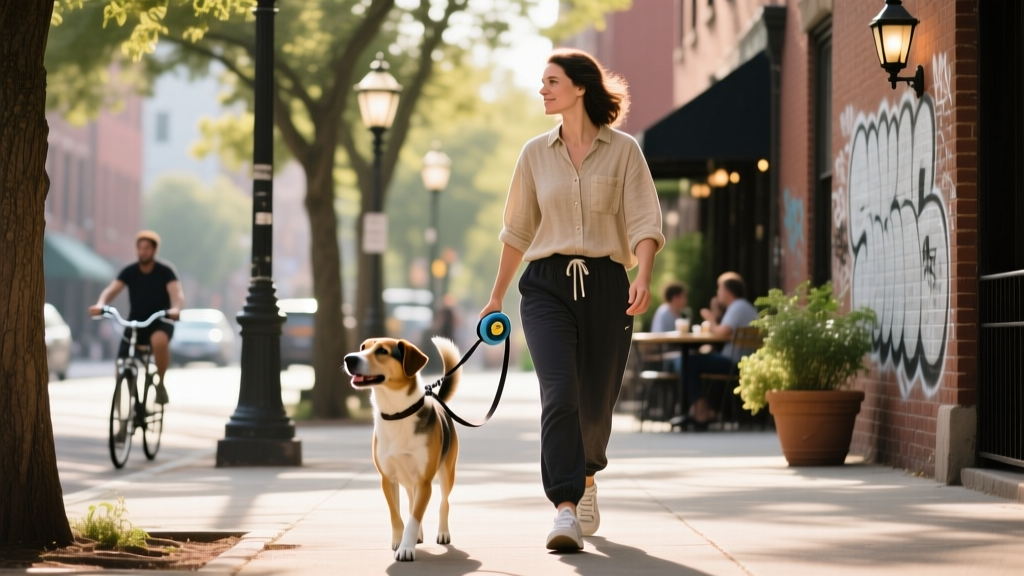
Adopting a Senior Shelter Dog Like Deja: A Complete Care Guide
Adopting and caring for a senior shelter dog like Deja — from health screenings to home modifications and quality-of-life assessments.

Why Senior Shelter Dogs Like Deja Deserve a Second Chapter
Every week, shelters across the country intake older dogs who were surrendered when their owners could no longer care for them, moved into assisted living, or simply lost interest. Dogs like Deja — a hypothetical but representative 9-year-old mixed-breed rescue — sit in kennels watching puppies get adopted first. Yet senior shelter dogs often make the most grateful, settled companions you'll ever meet.
If you've searched for "senior shelter dog Deja" or found yourself drawn to an older rescue dog, this guide covers every aspect of transitioning a senior dog from shelter life into your home. We'll walk through age thresholds by breed size, health screenings to request, home modifications that cost under $50, nutritional adjustments, and the honest conversation about quality of life that every senior dog guardian eventually faces.
Before you adopt: Request the shelter's full medical records, including any behavioral assessments. Many shelters now use the ASPCA's SAFER assessment or similar tools. Ask specifically about known medical conditions, medication history, and whether the dog was surrendered by a previous owner (owner-surrender dogs often come with more history than strays).
When Is a Dog Considered Senior? It Depends on Size
One of the most common misconceptions is that all dogs become "seniors" at age 7. In reality, the senior threshold varies dramatically based on body size and breed composition. Giant breeds may show age-related decline as early as 5, while a healthy Chihuahua might not enter senior status until 11 or 12.
| Breed Size Category | Weight Range | Senior Threshold | Geriatric Threshold | Examples |
|---|---|---|---|---|
| Small / Toy | Under 20 lb / 9 kg | 10–12 years | 13+ years | Chihuahua, Toy Poodle, Yorkshire Terrier |
| Medium | 20–50 lb / 9–23 kg | 8–10 years | 11+ years | Beagle, Cocker Spaniel, Australian Shepherd |
| Large | 50–90 lb / 23–41 kg | 7–9 years | 10+ years | Labrador Retriever, German Shepherd, Boxer |
| Giant | 90+ lb / 41+ kg | 5–7 years | 8+ years | Great Dane, Saint Bernard, Mastiff |
If you're adopting a mixed-breed shelter dog like Deja and don't know her exact lineage, ask the shelter veterinarian for a body size estimate and dental age assessment. Dental wear, lens clouding (nuclear sclerosis), and muscle tone give reasonable age approximations within 1–2 years.
Physical Changes to Expect in Your Senior Shelter Dog
Shelter environments are stressful and can accelerate visible aging. A dog who spent 6–18 months in a kennel may appear older than her chronological age. Here's what to expect and what's normal versus concerning:
Coat and Skin
- Normal: Graying around the muzzle and eyebrows, drier skin, slightly coarser or thinner coat, occasional lipomas (soft fatty lumps under the skin)
- Concerning: Patchy hair loss, hot spots, crusty lesions, rapidly growing lumps, or lumps that feel firm and attached to underlying tissue
Weight and Body Condition
Many senior shelter dogs arrive either underweight (from stress-related appetite loss) or overweight (from previous owner overfeeding combined with declining activity). Your target is a Body Condition Score (BCS) of 4–5 on a 9-point scale, where you can feel ribs without excess fat covering but can't see them prominently.
Energy and Sleep Patterns
A healthy senior dog typically sleeps 14–18 hours per day (compared to 12–14 for adults). You'll notice shorter play bursts, more frequent napping, and stiffness after lying down. If your dog sleeps more than 20 hours daily or seems difficult to rouse, this warrants veterinary investigation rather than being dismissed as "just getting old."
Sensory Changes
- Hearing: Gradual hearing loss (presbycusis) is common. Your dog may stop responding to quiet verbal cues but still react to clapping or doorbells. Begin incorporating hand signals early.
- Vision: Nuclear sclerosis (bluish haze in the lens) is normal and doesn't significantly impair vision. Cataracts, however, appear as opaque white areas and do reduce sight — these require veterinary evaluation.
- Smell: Olfactory decline can reduce appetite. Warming food slightly or adding low-sodium broth can help.
Health Screenings: What to Request Within the First 30 Days
The single most important thing you can do after adopting a senior shelter dog is schedule a comprehensive veterinary baseline within the first two weeks. Shelter medical records are often incomplete, and stress can mask underlying conditions. Budget $250–$500 for this initial senior wellness workup, depending on your region.
| Test | What It Detects | Typical Cost (2026) | Frequency for Seniors |
|---|---|---|---|
| Complete Blood Count (CBC) | Anemia, infection, clotting disorders | $50–$80 | Every 6 months |
| Comprehensive Chemistry Panel | Kidney/liver function, blood sugar, electrolytes | $80–$130 | Every 6 months |
| Urinalysis | Early kidney disease, diabetes, UTI, crystals | $35–$60 | Every 6 months |
| Thyroid Panel (T4, free T4, TSH) | Hypothyroidism (common in medium/large breeds) | $60–$100 | Annually, or if symptoms appear |
| Blood Pressure Measurement | Hypertension (linked to kidney, heart, thyroid disease) | $30–$50 | Every 6 months |
| Orthopedic Exam + X-rays (if indicated) | Osteoarthritis, hip dysplasia, bone tumors | $150–$300 (with sedation) | Baseline, then as needed |
| Dental Assessment | Periodontal disease, tooth root abscesses, oral tumors | Included in exam; cleaning $300–$800 | Every 6 months |
| Heartworm Test | Heartworm antigen and microfilariae | $35–$55 | Annually |
According to the American Veterinary Medical Association, senior pets should be examined at least twice yearly because age-related conditions can progress rapidly — a six-month gap in a senior dog is roughly equivalent to three human years.
Nutritional Adjustments for Senior Shelter Dogs
Senior dogs have fundamentally different metabolic needs than adults. Most experience a decrease in lean muscle mass and a slowing metabolism, yet their protein requirements actually increase to combat sarcopenia (age-related muscle loss).
| Nutrient | Adult Requirement | Senior Adjustment | Why It Matters |
|---|---|---|---|
| Protein | 18–22% dry matter | 25–32% dry matter (unless kidney disease present) | Preserves lean muscle mass; combats sarcopenia |
| Fat | 8–15% dry matter | 8–12% for overweight dogs; 15–20% for underweight | Caloric density adjustment for changing metabolism |
| Fiber | 1–4% dry matter | 3–7% dry matter | Supports GI motility; helps with constipation common in seniors |
| Omega-3 Fatty Acids (EPA/DHA) | Variable | Target 300–500 mg combined EPA+DHA per 10 kg body weight | Anti-inflammatory; supports joint and cognitive health |
| Phosphorus | Standard levels | Restricted if kidney values elevated (Stage 2+ CKD) | Reduces kidney workload |
| Sodium | Standard levels | Moderate restriction if hypertension or heart disease | Blood pressure management |
Practical feeding advice: Look for AAFCO statements that say "complete and balanced for adult maintenance" or "all life stages." There is currently no official AAFCO senior profile, so "senior" formulas vary widely between brands. Reputable options include Hill's Science Diet Senior, Purina Pro Plan Bright Mind, and Royal Canin Aging — all formulated with veterinary nutritionist oversight.
If your senior shelter dog like Deja has significant dental disease (common in rescues), transition to softened kibble (add warm water, wait 5 minutes) or a canned diet temporarily until dental work is completed. Never reduce protein preemptively "to protect the kidneys" — the Merck Veterinary Manual notes that protein restriction is only indicated once kidney disease is confirmed at IRIS Stage 3 or higher.
Supplements Worth Discussing With Your Vet
- Glucosamine/Chondroitin (e.g., Dasuquin Advanced): $40–$65 for a 60-day supply for a 50-lb dog. Evidence is mixed but many owners and veterinarians report improved mobility.
- Fish Oil (Omega-3): Nordic Naturals Pet Omega-3 or Grizzly Salmon Oil. Target dose: 300 mg EPA+DHA per 10 kg body weight daily.
- Probiotics: Purina FortiFlora or Proviable-DC. Especially useful for shelter dogs with stress-related GI upset.
- SAMe (S-Adenosylmethionine): Denamarin Advanced for liver support if chemistry panel shows elevated liver enzymes. Typically $35–$55/month.
Exercise Modifications: Keeping Seniors Moving Without Overdoing It
The goal with senior dogs is consistent, low-impact movement rather than intense weekend warrior sessions. A dog like Deja who spent months in a shelter kennel may have significant muscle atrophy and joint stiffness that needs gradual rebuilding.
Week-by-Week Exercise Ramp-Up for Newly Adopted Senior Dogs
- Week 1–2: Short 10-minute leash walks, 2–3 times daily on flat, even surfaces. Focus on sniffing and mental enrichment. Let the dog set the pace.
- Week 3–4: Increase to 15–20 minute walks. Introduce gentle inclines. Watch for lagging behind, heavy panting, or reluctance to continue — these are stop signals.
- Week 5–8: Build to 20–30 minute walks twice daily. Add controlled swimming if available (excellent for arthritic dogs — many rehabilitation facilities offer underwater treadmill sessions for $45–$75/session).
- Ongoing: Maintain consistent daily activity. Total 45–90 minutes per day, broken into multiple sessions. Adjust based on weather (seniors overheat more easily and feel cold more acutely).
Activities to avoid: High-impact jumping (off furniture, out of vehicles, over agility equipment), sudden sprinting after balls, long hikes without conditioning, and exercising in temperatures above 80°F (27°C) or below 25°F (-4°C) without protection.
Activities to embrace: Sniffaris (decompression walks where the dog leads), food puzzles, gentle tug on a soft toy (avoid jerking), nosework games indoors, and short training sessions (5 minutes, 2–3 times daily) using positive reinforcement to maintain cognitive sharpness.
Home Environment Adjustments That Make a Real Difference
Your senior shelter dog is transitioning from a concrete kennel floor to your home. The physical environment you create in the first week directly impacts her comfort, mobility, and confidence. Here are modifications organized by priority and cost:
Immediate (First Week) — Under $100 Total
- Non-slip surfaces ($15–$40): Place yoga mats, rubber-backed rugs, or interlocking foam tiles (like the Gorilla Mats brand) on hardwood and tile floors in high-traffic areas. Slipping on smooth floors is a leading cause of soft-tissue injuries and hip pain exacerbation in senior dogs.
- Orthopedic bed ($40–$120): Look for memory foam at least 4 inches thick with a waterproof liner. The Big Barker 7" Pillow Top ($180–$300) is the benchmark for large breeds, but Furhaven and PetFusion offer solid options under $80. Place beds in multiple rooms so your dog doesn't have to traverse the house to find comfort.
- Raised food and water bowls ($15–$30): Elevate bowls to chest height to reduce neck strain. For large breeds, 12–16 inches; for medium, 8–12 inches. Avoid elevated feeders for giant breeds at risk of GDV (bloat) — consult your vet.
Short-Term (First Month) — $50–$200
- Pet ramp or stairs ($30–$90): Essential for vehicle loading and furniture access. The PetSafe Happy Ride Folding Ramp supports up to 150 lb. Train your dog to use it with treats and patience — never force.
- Night lights ($10–$25): Senior dogs with declining vision navigate poorly in darkness. Plug-in LED path lights along hallways and near the door they use for potty breaks reduce disorientation and accidents.
- Orthopedic ramp for bed/couch ($40–$80): If your dog is allowed on furniture, a ramp prevents the repetitive joint impact of jumping up and down.
Long-Term (Ongoing)
- Temperature management: Senior dogs lose body heat faster. In winter, consider a fleece-lined coat (Ruffwear Overcoat Fuse, $70–$90) for outdoor walks. In summer, cooling mats ($20–$40) and air conditioning are important — seniors are more prone to heatstroke.
- Accessible water: Multiple water stations throughout the house. Senior dogs with kidney disease or diabetes drink more and shouldn't have to walk far to hydrate.
- Potty access: If your dog develops incontinence or mobility issues, consider a doggy door, indoor potty system (like Fresh Patch real grass, $30–$50/month), or scheduled potty breaks every 3–4 hours rather than expecting them to hold it 8+ hours.
Behavioral Changes and Cognitive Health
Senior dogs from shelters may display behaviors that seem like regression or new problems. Understanding the root cause determines whether you need a trainer, a veterinarian, or an environmental adjustment.
Common Behavioral Shifts in Senior Shelter Dogs
House soiling: If a previously house-trained dog begins having accidents, rule out medical causes first — urinary tract infections, kidney disease, diabetes, Cushing's disease, and cognitive decline all cause increased urgency or frequency. Don't punish; this is almost always medical or cognitive, not willful disobedience.
Nighttime vocalization or pacing: This can indicate Canine Cognitive Dysfunction (CCD), the canine equivalent of dementia. According to studies referenced in the Merck Veterinary Manual, approximately 28% of dogs aged 11–12 and 68% of dogs aged 15–16 show at least one sign of CCD. Watch for the DISHAA pattern:
- Disorientation (getting stuck in corners, staring at walls)
- Interaction changes (withdrawal from family, clinginess)
- Sleep-wake cycle disruption (awake at night, sleeping all day)
- House soiling / loss of Habits
- Activity level changes (decreased purposeful activity, increased repetitive behaviors)
- Anxiety (new fears, separation distress, vocalization)
Treatment options for CCD: Your veterinarian may recommend selegiline (Anipryl), which is FDA-approved for canine cognitive dysfunction, alongside supplements like Senilife (phosphatidylserine + antioxidants) or Aktivait. Environmental enrichment — new walking routes, puzzle feeders, short training sessions — slows cognitive decline.
Resource guarding or irritability: Pain makes dogs grumpy. A dog who was friendly but now growls when approached while resting may have arthritis or dental pain. Address the pain first before pursuing behavioral modification. Never use punishment-based methods — these worsen anxiety and can escalate aggression in a dog who is already vulnerable.
Common Health Problems in Senior Shelter Dogs: Early Warning Signs
Senior shelter dogs carry the cumulative health history of their lives — often including gaps in veterinary care, periods of poor nutrition, and chronic stress. Here are the conditions most frequently diagnosed in senior rescue dogs, with the subtle early signs that owners miss:
| Condition | Prevalence in Seniors | Early Warning Signs | When to See the Vet |
|---|---|---|---|
| Osteoarthritis | ~80% of dogs over 8 (estimated) | Reluctance to jump, stiffness after rest, lagging on walks, licking joints | Any mobility change lasting more than 3 days |
| Dental Disease | ~80% of dogs over 3 (worse in rescues) | Bad breath, dropping food, chewing on one side, pawing at mouth | Immediately — dental pain is chronic and often severe |
| Chronic Kidney Disease (CKD) | ~10% of senior dogs | Increased thirst/urination, weight loss, decreased appetite, vomiting | Within 48 hours of noticing increased drinking |
| Hypothyroidism | Common in medium/large breeds | Weight gain without eating more, lethargy, hair loss, seeking warmth | Next scheduled visit; not an emergency |
| Heart Disease (DCM, MVD) | ~10% of senior dogs; higher in Cavaliers, Dobermans | Coughing at night or after exercise, exercise intolerance, fainting, abdominal swelling | Within 24–48 hours; immediately if fainting or labored breathing |
| Cancer | Leading cause of death in dogs over 10 | New lumps, unexplained weight loss, non-healing wounds, bleeding, difficulty eating/breathing | Any new lump over 1 cm; any unexplained weight loss |
| Canine Cognitive Dysfunction | 28–68% depending on age | Disorientation, nighttime pacing, house soiling, staring at walls | When symptoms impact daily function or sleep |
Veterinary Visit Frequency: What to Discuss and When
For senior dogs, the standard recommendation is veterinary visits every 6 months — not annually. Here's how to make the most of each appointment and what to track between visits:
The Senior Wellness Visit Checklist
- Bring a written symptom log: Track changes in appetite, water consumption, urination frequency, stool consistency, sleep patterns, and mobility. Even small details matter — "she hesitated before jumping into the car this month" is clinically useful.
- Bring current medications and supplements: Including over-the-counter products, treats with active ingredients, and dosages. Drug interactions are common in senior dogs on multiple medications.
- Request bloodwork trending: Ask your vet to compare current values to previous results, not just reference ranges. A creatinine that's risen from 1.0 to 1.6 is still "in range" but represents a 60% increase in kidney stress.
- Discuss pain management: Veterinarians use tools like the Liverpool Osteoarthritis in Dogs (LOAD) questionnaire. Ask specifically about multimodal pain management — combining NSAIDs (like carprofen or meloxicam) with adjuncts like gabapentin, amantadine, or laser therapy.
- Dental status: Ask whether a dental cleaning under anesthesia is warranted. Periodontal disease is painful and bacteria from infected gums can seed the heart valves and kidneys.
- Quality of life conversation: Even if your dog is doing well, establish a baseline discussion so that when difficult decisions arise, you and your vet already have a framework.
Quality of Life Assessment: The Hardest but Most Important Conversation
Adopting a senior shelter dog like Deja means accepting that your time together will be shorter than with a young dog — but it also means giving a dog who may have been overlooked the gift of comfort and love in her final chapter. Part of that gift is honestly assessing her quality of life and being willing to make hard decisions when the time comes.
The HHHHHMM Scale (Adapted from Dr. Alice Villalobos)
Score each category daily from 1 (poor) to 10 (excellent). When the total drops below 35, or when more bad days outnumber good days, it's time for a serious conversation with your veterinarian.
| Category | What to Assess | Score (1–10) |
|---|---|---|
| Hurt | Is pain well-managed? Can the dog breathe comfortably? | ___ |
| Hunger | Is the dog eating enough? Does she show interest in food? | ___ |
| Hydration | Is the dog drinking adequately? Dehydrated? | ___ |
| Hygiene | Can the dog stay clean? Is she developing sores or matting? | ___ |
| Happiness | Does the dog show interest in family, toys, walks? Tail wags? | ___ |
| Mobility | Can the dog get up, walk, and move without significant struggle? | ___ |
| More good days than bad | When bad days outnumber good, quality of life is compromised | ___ |
Total Score: ___/70
Recognizing Pain in Senior Dogs
Dogs are remarkably stoic. They don't typically cry or whimper from chronic pain. Instead, watch for:
- Reluctance to move, climb stairs, or jump
- Decreased grooming or self-care
- Changes in facial expression (furrowed brow, glazed eyes, ears held flat)
- Decreased interaction with family members
- Panting when at rest (not hot or exercised)
- Trembling or shaking
- Loss of appetite
- Restlessness or inability to settle into a comfortable position
If you're struggling with end-of-life decisions, the ASPCA's end-of-life care resources provide guidance on recognizing when suffering outweighs enjoyment, and many veterinarians now offer in-home euthanasia services (typically $200–$400) to allow a peaceful passing in familiar surroundings.
The Emotional Side of Adopting a Senior Shelter Dog
No guide on senior dog adoption is complete without acknowledging the emotional reality. When you bring home a dog like Deja, you're signing up for a shorter, deeper relationship. You may have her for two years or eight — and the uncertainty is part of the bargain.
Many adopters of senior dogs report that the experience is profoundly rewarding. These dogs often bond intensely with their new families, as though they understand they've been given a second chance. They're typically past the destructive chewing, hyperactive bouncing, and sleepless nights of puppyhood. They want to be near you, they're grateful for soft beds and regular meals, and they teach you about presence and unconditional love in ways that younger dogs can't.
Build a support system: connect with your veterinarian, join online communities for senior dog guardians, and consider pet insurance if your dog is insurable (many companies have age cutoffs around 10–14 for new enrollments, but some — like Pumpkin and ASPCA Pet Insurance — will enroll seniors, though pre-existing conditions are excluded). Budget $1,500–$4,000 annually for senior dog care, including food, medications, biannual vet visits, and potential emergency costs.
Frequently Asked Questions About Senior Shelter Dog Adoption
When is my dog considered a senior?
It depends on breed size. Small dogs (under 20 lb) typically enter seniorhood at 10–12 years, medium dogs at 8–10, large dogs at 7–9, and giant breeds at 5–7. If you've adopted a mixed-breed shelter dog and aren't sure of her age, ask your vet for a dental and physical age estimate at her first exam.
How should I care for my senior shelter dog in the first month?
Focus on three priorities: a comprehensive veterinary baseline (bloodwork, urinalysis, dental assessment), creating a safe home environment (non-slip floors, orthopedic bed, ramp), and gradual exercise ramp-up starting with short 10-minute walks. Don't rush introductions to other pets or major routine changes — senior dogs need predictability.
What health problems are common in senior shelter dogs?
The most frequently diagnosed conditions are osteoarthritis (up to 80% of senior dogs), dental disease, chronic kidney disease, hypothyroidism, heart disease, cancer, and cognitive dysfunction. Shelter dogs may have higher dental disease rates and untreated chronic conditions due to gaps in prior veterinary care.
How do I adjust my senior dog's diet?
Most seniors benefit from higher protein (25–32% dry matter) to maintain muscle mass, adjusted fat levels based on body condition, and added omega-3 fatty acids for joint and cognitive support. If kidney disease is diagnosed, your vet may recommend a phosphorus-restricted therapeutic diet. Always transition foods gradually over 7–10 days.
When should I see the vet more frequently?
Senior dogs should visit the veterinarian every 6 months for wellness exams and bloodwork. Increase frequency to every 3 months if your dog has a managed chronic condition (diabetes, heart disease, Cushing's). See the vet immediately for sudden behavioral changes, collapse, difficulty breathing, seizures, inability to stand, or refusal to eat for more than 24 hours.
How do I know if my senior dog is suffering?
Use the HHHHHMM quality of life scale (Hurt, Hunger, Hydration, Hygiene, Happiness, Mobility, More good days than bad), scoring each category 1–10 daily. A total below 35 out of 70 suggests declining quality of life. Consult your veterinarian when pain is difficult to manage, when bad days consistently outnumber good ones, or when your dog loses interest in activities she previously enjoyed. Suffering in dogs is often silent — they don't cry, they withdraw.
This article provides educational guidance and does not replace professional veterinary care. Always consult your veterinarian before making changes to your senior dog's diet, exercise routine, or medication regimen. If you suspect your dog has ingested a toxic substance, contact the ASPCA Animal Poison Control Center at (888) 426-4435 immediately (consultation fee applies).
Robin Maitland
All our authors care for dogs every day — read more of their work on the authors page.