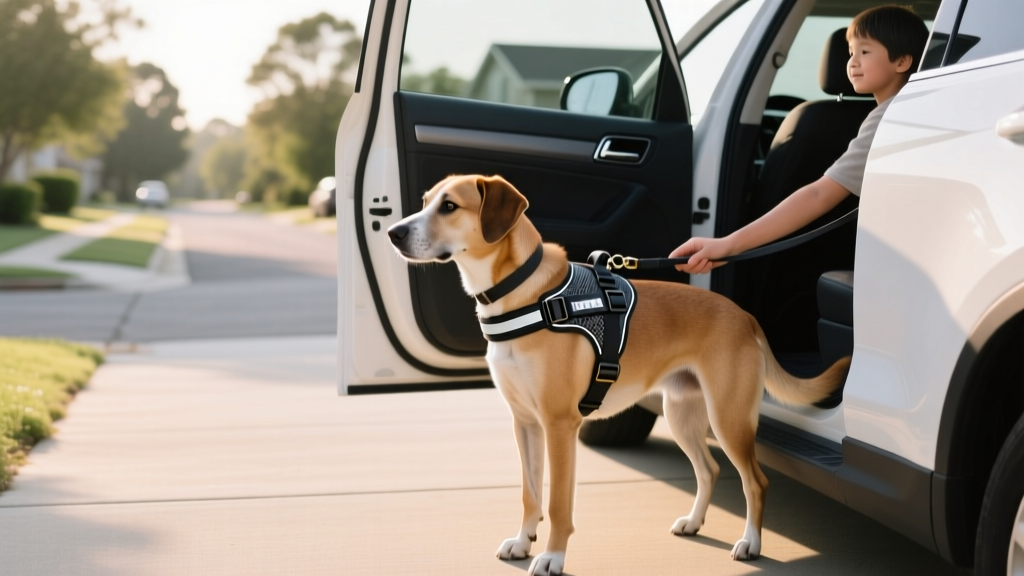
Adopting a Senior Dog Like Piper: Complete Care Guide...
Adopted a senior dog like Piper? This complete guide covers nutrition, exercise, health screenings, home modifications, and quality of life for your new older companion.

When Is My Dog Considered a Senior? It Depends on Size
If you've recently brought home a dog like Piper — an older, gray-muzzled rescue with soulful eyes and a gentle spirit — you've made one of the most rewarding decisions in dog ownership. Senior dogs are frequently overlooked in shelters, yet they offer a depth of companionship that's hard to match. But caring for an adopted senior dog requires understanding exactly what life stage you're working with, and that starts with age.
The term "senior" isn't a one-size-fits-all label. A Chihuahua and a Great Dane age at dramatically different rates, and knowing where your adopted dog falls on the spectrum determines everything from their diet to their vet visit schedule.
| Size Category | Weight Range | Senior Threshold | Geriatric Threshold | Example Breeds |
|---|---|---|---|---|
| Small | Under 20 lb / 9 kg | 10–11 years | 13+ years | Chihuahua, Toy Poodle, Pomeranian |
| Medium | 20–50 lb / 9–23 kg | 8–9 years | 11+ years | Beagle, Cocker Spaniel, Australian Shepherd |
| Large | 50–90 lb / 23–41 kg | 7–8 years | 10+ years | Labrador Retriever, German Shepherd, Boxer |
| Giant | Over 90 lb / 41 kg | 5–6 years | 8+ years | Great Dane, Saint Bernard, Mastiff |
Many shelter dogs arrive with uncertain histories. If you adopted a mixed-breed senior like Piper and aren't sure of her exact age, your veterinarian can estimate it through dental examination, lens cloudiness (nuclear sclerosis), and musculoskeletal assessment. According to the AVMA's dog care guidelines, dogs in the last 25% of their breed's expected lifespan are generally considered senior.
Physical Changes You'll Notice in Your Adopted Senior Dog
When you bring home an older shelter dog, some age-related changes will be immediately visible, while others emerge over weeks or months as your dog settles in. Understanding what's normal aging versus what signals an underlying condition is essential — always consult your veterinarian if you're uncertain.
Weight shifts: Senior dogs commonly experience either weight gain (from reduced activity and slower metabolism) or weight loss (from dental disease, organ dysfunction, or decreased appetite). A body condition score (BCS) of 4–5 on a 9-point scale is ideal. You should be able to feel ribs without pressing hard, and your dog should have a visible waist when viewed from above.
Coat and skin changes: Expect a duller coat, increased shedding, gray hairs around the muzzle and eyebrows, and possibly dry or flaky skin. Lumps and bumps become more common — while many are benign lipomas (fatty tumors), any new mass should be aspirated by your vet to rule out malignancy.
Energy and sleep patterns: Senior dogs sleep 14–18 hours per day (compared to 12–14 for adults). You'll notice shorter bursts of activity, longer recovery times after exercise, and a preference for calm environments. If your newly adopted senior seems unusually lethargic beyond the first 2–4 weeks of adjustment, it warrants investigation.
Sensory decline: Hearing loss and vision changes (nuclear sclerosis, cataracts) are common. A dog who startles easily or bumps into furniture in dim light may be experiencing sensory loss rather than anxiety — an important distinction for training and home setup.
Nutrition Adjustments for the Senior Dog Life Stage
Senior dogs have different metabolic demands than adults, but "senior dog food" isn't a regulated category under FDA animal feed guidelines. AAFCO doesn't define a separate senior nutrient profile — which means you need to read labels carefully and make targeted adjustments.
| Nutrient | Adult Dog Standard | Senior Adjustment | Why It Matters |
|---|---|---|---|
| Protein | ≥18% dry matter | 25–32% DM (unless kidney disease present) | Preserves lean muscle mass; outdated advice to reduce protein is debunked for healthy seniors |
| Fat | ≥5.5% DM | 8–15% DM (lower end for less active dogs) | Manages caloric density; supports skin/coat with omega-3 fatty acids |
| Fiber | 1–5% DM | 3–7% DM | Supports GI motility; helps with constipation common in older dogs |
| Phosphorus | ≥0.5% DM | 0.3–0.7% DM | Excess phosphorus stresses aging kidneys |
| Sodium | ≥0.08% DM | 0.1–0.3% DM | Supports cardiovascular health in dogs with heart changes |
| Omega-3 (EPA/DHA) | Not specified | Target ≥300 mg combined EPA+DHA per 50 lb body weight | Anti-inflammatory; supports cognitive function and joint health |
| Glucosamine/Chondroitin | Not specified | 500–1500 mg glucosamine daily (weight-dependent) | Supports cartilage maintenance in arthritic joints |
Feeding schedule: Transition from one large meal to two or three smaller meals daily. This reduces bloat risk (especially in large breeds), stabilizes blood sugar, and is easier on an aging digestive system.
Caloric needs: A healthy senior dog typically needs 20–30% fewer calories than an active adult of the same weight. For a 50 lb / 23 kg senior dog, this usually translates to roughly 750–950 kcal/day, but individual needs vary enormously based on activity level, thyroid function, and body condition. Track weight monthly and adjust portions in 10% increments.
Hydration: Senior dogs are more prone to dehydration, especially those with kidney changes. Consider adding warm water or low-sodium bone broth (no onion or garlic) to meals, and use a pet fountain — moving water encourages drinking. If your adopted senior isn't drinking adequately, your vet may recommend subcutaneous fluids.
Exercise Modifications for Adopted Senior Dogs
A common mistake with newly adopted senior dogs is either over-exercising them (assuming they need the same output as a younger dog) or under-exercising them (assuming old age means no activity). The truth is more nuanced: senior dogs need consistent, low-impact movement to maintain muscle mass, joint mobility, and mental health.
Senior Dog Exercise Framework
- Duration: 20–40 minutes total daily activity, split into 2–3 shorter sessions (e.g., two 15-minute walks rather than one 30-minute walk)
- Intensity: Conversational pace — your dog should be able to sniff, amble, and trot without heavy panting. Heart rate should recover within 2–3 minutes of stopping
- Surface: Avoid concrete and asphalt when possible. Grass, dirt paths, and rubber-matted surfaces are gentler on arthritic joints
- Temperature limits: Skip outdoor walks above 80°F (27°C) or below 20°F (-7°C). Senior dogs have impaired thermoregulation
- Swimming: Excellent low-impact option if available. Even wading in a shallow kiddie pool provides resistance without joint loading
- Mental exercise: Puzzle feeders (Kong Classic, Outward Hound Nina Ottosson puzzles), scent work, and short training sessions tire a senior dog's brain without stressing the body
- Red flags to stop activity: Lagging behind, sitting down mid-walk, excessive panting, limping, or reluctance to continue. Never push through these signals
For a dog like Piper — perhaps a medium-sized mixed breed around 9 years old — a typical daily routine might look like: a 15-minute morning sniffari walk, a 10-minute afternoon puzzle session, and a 15-minute early evening stroll. Adjust based on her individual energy and any veterinary recommendations.
Health Screening Schedule: What to Test and When
When you adopt a senior dog, your first veterinary visit should be comprehensive. Shelter intake exams are often basic, and your new dog's full health picture needs to be established. Here's a screening framework based on Merck Veterinary Manual recommendations for senior canine care:
| Test | Frequency | What It Detects | Estimated Cost Range |
|---|---|---|---|
| Complete Blood Count (CBC) | Every 6 months | Anemia, infection, blood cell abnormalities | $50–$90 |
| Comprehensive Chemistry Panel | Every 6 months | Kidney function, liver enzymes, blood glucose, electrolytes | $80–$150 |
| Urinalysis | Every 6 months | Early kidney disease, diabetes, urinary tract infection | $30–$60 |
| Thyroid Panel (T4, free T4) | Annually | Hypothyroidism (very common in senior dogs) | $40–$80 |
| Blood Pressure Measurement | Every 6 months | Hypertension linked to kidney, heart, and thyroid disease | $25–$50 |
| Dental Examination | Every 6 months | Periodontal disease (affects 80%+ of dogs over age 3) | Included in exam; cleaning $300–$800 |
| Orthopedic Examination | Annually (or as needed) | Osteoarthritis, cruciate ligament issues, hip dysplasia progression | $60–$120 exam; X-rays $150–$400 |
| Ophthalmic Examination | Annually | Cataracts, glaucoma, progressive retinal atrophy | $40–$80; specialist referral $150–$300 |
| Heartworm Test | Annually | Heartworm disease (especially important for shelter dogs with unknown preventive history) | $35–$60 |
Budget planning tip: Expect to spend $400–$800 on initial senior wellness bloodwork, and $600–$1,200 annually on ongoing screenings. Pet insurance for senior dogs is available but premiums are higher — companies like Trupanion and Healthy Paws accept older enrollments, though pre-existing conditions are excluded. A dedicated emergency fund of $2,000–$5,000 is strongly recommended for senior dog adopters.
Common Health Problems in Senior Dogs: Early Warning Signs
Senior dogs are predisposed to several conditions that require vigilance. Knowing the early signs helps you catch problems when treatment is most effective and least expensive.
Osteoarthritis (OA): Affects an estimated 20% of adult dogs and over 60% of dogs over age 7, according to veterinary orthopedic literature. Watch for: difficulty rising from rest, reluctance to jump or climb stairs, stiffness that improves with gentle movement, decreased activity, and irritability when touched near joints. Treatment typically involves a multimodal approach — weight management, omega-3 supplementation, NSAIDs (prescribed by your vet), and environmental modification.
Chronic Kidney Disease (CKD): Particularly common in small breeds. Early signs include increased thirst and urination (polydipsia/polyuria), decreased appetite, weight loss, and bad breath with an ammonia-like odor. Once diagnosed, management involves phosphorus-restricted diets, subcutaneous fluids, and medications like amlodipine for hypertension.
Dental Disease: By the senior years, most dogs have significant periodontal disease. Signs include red or bleeding gums, loose teeth, difficulty eating hard kibble, dropping food, and facial swelling. Untreated dental disease can seed bacteria to the heart valves and kidneys.
Cognitive Dysfunction Syndrome (CDS): The canine equivalent of dementia. Affects approximately 28% of dogs aged 11–12 and 68% of dogs aged 15–16. Signs are captured by the DISHA acronym: Disorientation, Interaction changes, Sleep-wake cycle disruption, Housetraining loss, and Activity changes. Prescription medication (selegiline/Anipryl) and supplements like SAMe and medium-chain triglycerides can slow progression.
Cancer: The leading cause of death in dogs over age 10. Any new lump, unexplained weight loss, chronic sores, difficulty eating or swallowing, or persistent lameness warrants immediate veterinary evaluation. Early detection through fine-needle aspiration and staging dramatically improves outcomes.
- Sudden collapse or inability to stand
- Difficulty breathing or blue-tinged gums
- Seizures (especially first-time in a senior dog)
- Abdominal distension with retching (possible GDV/bloat in large breeds)
- No urination for 12+ hours
- Sudden blindness or severe disorientation
If your vet is closed and you suspect poisoning, call ASPCA Animal Poison Control at (888) 426-4435 (24/7, consultation fee applies) or Pet Poison Helpline at (855) 764-7661.
Behavioral Changes and Supporting Your Senior Dog Emotionally
Senior dogs — especially those adopted from shelters — may display behavioral changes that have both medical and emotional roots. Understanding the difference is crucial for providing appropriate support.
Adjustment period: An adopted senior dog may take 4–8 weeks (sometimes longer) to decompress. During this period, expect clinginess, house-training accidents, nighttime restlessness, and reduced appetite. This is normal. Maintain a predictable routine: same feeding times, same walk routes, same sleeping area.
Anxiety and confusion: Cognitive decline can manifest as new-onset separation anxiety, nighttime vocalization, staring at walls, or getting "stuck" in corners. These are not willful misbehaviors — they're neurological changes. Respond with patience and positive reinforcement. Never punish a senior dog for confusion-related behaviors; force-free, reward-based methods are the only appropriate approach.
Sleep disruption: If your senior dog paces or whines at night, try: a warm orthopedic bed near your sleeping area, a white noise machine or calming music (studies show reggae and soft rock reduce shelter dog stress), a nighttime potty break at 10–11 PM, and melatonin (3–6 mg for medium-large dogs, 1–3 mg for small dogs — confirm with your vet).
Social needs: Many senior dogs become more attached and less tolerant of chaotic environments. Respect their need for quiet spaces. If you have children or other pets, teach them to let the senior dog initiate contact rather than crowding or ambushing them.
Home Environment Modifications for Senior Dog Comfort
Small changes to your home can dramatically improve your adopted senior dog's daily comfort and independence. Think of it as canine aging-in-place design.
Essential Home Adjustments
Flooring and traction: Hardwood, tile, and laminate floors are hazardous for arthritic dogs. Place non-slip rugs, yoga mats, or interlocking foam tiles (like those from Gorilla Mats, ~$30–$60 for a 6×4 ft set) along your dog's primary pathways. Dog socks with rubber grips (e.g., Pawz, ~$12–$18 for a 12-pack) help on slippery surfaces.
Ramps and stairs: If your dog sleeps on furniture or rides in an SUV, invest in a ramp. The PetSafe Happy Ride Folding Ramp (~$45–$70) supports up to 150 lb / 68 kg. For bed access, pet stairs with a gentle incline (not steep steps) work well for dogs under 40 lb / 18 kg. Teach ramp use with treats and patience — never force a hesitant dog.
Orthopedic bedding: A quality orthopedic bed with memory foam (minimum 4 inches thick) is non-negotiable for senior dogs. Brands like Big Barker (10-year warranty, ~$150–$300) or PetFusion Ultimate (~$80–$180) provide proper joint support. Place beds in warm, draft-free areas away from high-traffic zones. Washable covers are essential.
Raised food and water bowls: Elevating bowls 4–8 inches off the floor (depending on dog height) reduces neck strain and can ease eating for dogs with arthritis or megaesophagus. Stainless steel bowls on adjustable stands (~$20–$40) are ideal.
Temperature control: Senior dogs lose body heat faster and overheat more easily. Maintain indoor temperatures between 68–74°F (20–23°C). Provide a heated bed pad (K&H Pet Products Thermo-Pet Mat, ~$30–$45) in winter, and a cooling mat (Green Pet Shop Cool Pad, ~$20–$40) in summer. Never leave a senior dog in a vehicle — heat stroke can occur in minutes.
Lighting: Nightlights along hallways and near the dog bed help dogs with vision decline navigate safely. Motion-sensor LED path lights (~$15–$25 for a 4-pack) are inexpensive and effective.
Potty access: If mobility is limited, consider indoor potty options: a large pee pad tray, a dog litter box (for small breeds), or a sod patch on a balcony. Reduce the distance your dog needs to travel to relieve themselves, especially at night.
Veterinary Visit Frequency and What to Discuss
Once your adopted senior dog's baseline health is established, shift to semi-annual veterinary visits — every 6 months rather than the annual visits appropriate for younger adult dogs. This increased frequency matters because conditions like kidney disease, diabetes, and cancer progress rapidly in older dogs; catching them 6 months earlier can mean the difference between manageable and terminal.
At each visit, prepare a written list covering:
- Appetite and water consumption: Note any increases or decreases. Measure water intake for 24 hours if you suspect changes — normal is approximately 1 oz per pound of body weight per day (so a 50 lb dog drinks ~50 oz or about 6 cups daily)
- Urination and bowel movements: Frequency, consistency, color, any accidents in the house
- Mobility observations: Difficulty rising, limping, reluctance to climb stairs, stiffness duration after rest
- Behavioral changes: Sleep disruptions, vocalization, confusion, anxiety, changes in social interaction
- Lumps and bumps: Map any masses with location and size; photograph them monthly for comparison
- Medication review: Bring all current medications, supplements, and treats for interaction screening
- Pain assessment: Use the Colorado State University Canine Chronic Pain Scale or similar validated tool to score your dog between visits
Annual visits should additionally include a thorough dental assessment and discussion of anesthesia risk if dental cleaning is recommended. Modern veterinary anesthesia protocols (including pre-anesthetic bloodwork, IV fluids, and monitoring equipment) make dental procedures reasonably safe even for senior dogs — and the health benefits of treating severe dental disease often outweigh the anesthesia risks.
Quality of Life Assessment: Knowing When Your Senior Dog Is Suffering
This is the hardest part of loving a senior dog, and it's also the most important. Adopting a dog like Piper means accepting that you may walk with her through the final chapter of her life — and that chapter requires honest, compassionate assessment of her daily experience.
The ASPCA and veterinary hospice professionals recommend structured quality of life (QoL) scales to remove emotion from the most difficult decisions. The most widely used is the HHHHHMM Scale developed by veterinarian Alice Villalobos:
| Category | Assessment Question | Score 0 (Poor) | Score 5 (Good) |
|---|---|---|---|
| Hurt | Is the dog's pain managed adequately? | Constant pain, vocalizing, unable to rest | Pain-free or well-controlled with medication |
| Hunger | Is the dog eating enough? | Refuses food, requires force-feeding | Eats willingly, maintains healthy weight |
| Hydration | Is the dog adequately hydrated? | Dehydrated, refuses water, needs subcutaneous fluids constantly | Drinks normally, well-hydrated |
| Hygiene | Can the dog stay clean? | Soiled, matted, pressure sores, unable to groom | Clean coat, no sores, groomed regularly |
| Happiness | Does the dog show interest and joy? | No interest in family, toys, walks, or activities | Wags tail, seeks interaction, enjoys favorite activities |
| Mobility | Can the dog move independently? | Cannot stand or walk without assistance | Moves freely, enjoys walks (even if slower) |
| More good days than bad | Are good days outnumbering bad days? | More bad days than good consistently | Mostly good days with occasional off days |
Scoring: Rate each category 0–5 daily for a week. A total score of 35 or above generally indicates acceptable quality of life. Below 20 suggests your dog may be suffering, and a compassionate conversation about euthanasia with your veterinarian is warranted. Scores between 20–35 require close monitoring and veterinary guidance.
Pain indicators to watch for: Dogs are masters at hiding pain. Subtle signs include: lip licking, yawning out of context, panting when not hot or exercised, whale eye (showing the whites of the eyes), trembling, reluctance to be touched in specific areas, changes in facial expression (furrowed brow, squinted eyes), and decreased grooming. The canine grimace scale, validated in veterinary research, provides a visual framework for detecting facial pain expressions.
The emotional toll on you matters, too. Caring for a senior dog — especially one you've bonded with after adoption — is emotionally exhausting. Anticipatory grief is real. Connect with communities like the Association for Pet Loss and Bereavement (APLB), consider pet hospice support groups, and talk openly with your veterinarian about the emotional weight of end-of-life decisions. There is no shame in seeking counseling during this process.
Frequently Asked Questions About Adopting Senior Dogs
How should I care for my adopted senior dog in the first 30 days?
Focus on decompression. Keep the environment calm and predictable. Schedule a comprehensive veterinary exam within the first week. Feed a high-quality adult or senior diet (transition gradually over 7–10 days if changing food). Start with short, gentle walks on soft surfaces. Let your dog set the pace for bonding — some seniors are immediately affectionate, while others need weeks to trust. Avoid introducing new people, pets, or major routine changes during the first month.
What health problems are most common in adopted senior dogs?
Shelter senior dogs frequently arrive with dental disease, untreated arthritis, ear infections, skin conditions, and sometimes undiagnosed conditions like hypothyroidism, kidney disease, or heart murmurs. Cancer risk increases significantly after age 10. A thorough initial veterinary workup — including bloodwork, urinalysis, and imaging if indicated — is essential to establish a health baseline and catch silent conditions early.
How do I adjust diet and exercise for a senior dog?
Reduce daily calories by 20–30% compared to adult maintenance (unless your dog is underweight). Increase protein quality (25–32% dry matter basis) to preserve muscle. Add omega-3 fatty acids for joint and cognitive support. Split meals into 2–3 smaller feedings. For exercise, prioritize shorter, more frequent low-impact sessions — two 15-minute walks rather than one long hike. Swimming and scent work are excellent alternatives to high-impact activity.
When should I see the vet more frequently?
Transition from annual to semi-annual (every 6 months) veterinary visits as soon as your dog enters the senior life stage. Increase to monthly visits if your dog is managing a chronic condition like diabetes, Cushing's disease, or advanced kidney disease. Between scheduled visits, contact your vet immediately for sudden behavioral changes, appetite loss lasting more than 24 hours, vomiting or diarrhea lasting more than 48 hours, difficulty breathing, collapse, or seizures.
How do I know if my senior dog is suffering?
Use the HHHHHMM quality of life scale described above, scoring daily. Watch for pain signals: excessive panting, trembling, reluctance to move, changes in facial expression, withdrawal from family, loss of appetite, and inability to find a comfortable resting position. If your dog has more bad days than good for a sustained period (3–5 consecutive days), consult your veterinarian for a frank discussion. Palliative care options — including pain management, appetite stimulants, and mobility aids — can extend quality time, but knowing when to let go is the final gift of love you can offer.
Is pet insurance worth it for an adopted senior dog?
It depends on your dog's current health and your financial situation. Most insurers exclude pre-existing conditions, which many shelter seniors already have. However, coverage for new conditions (cancer treatment can cost $5,000–$15,000; emergency surgery $3,000–$8,000) can be invaluable. Compare plans from Trupanion, Healthy Paws, and Nationwide. Monthly premiums for a senior dog typically range from $60–$150 depending on breed, age, and coverage level. Alternatively, self-insure by setting aside $150–$200 monthly in a dedicated savings account.
Adopting a senior dog like Piper is a profound commitment — one that asks you to be observant, patient, financially prepared, and emotionally present. But the reward is a bond built on quiet trust, shared sunbeams, and the knowledge that you gave an older dog the loving home they deserved all along. With the right veterinary partnership, home modifications, nutritional plan, and quality of life monitoring, your senior companion can thrive in this chapter — and so can you.
Anouk Beaumont
All our authors care for dogs every day — read more of their work on the authors page.