Best Omega-3 Dog Supplements 2026: Daily Routine Guide
Discover the best omega-3 supplements for your dog's coat and joints in 2026. Learn dosages, delivery methods, and how to build a daily routine.
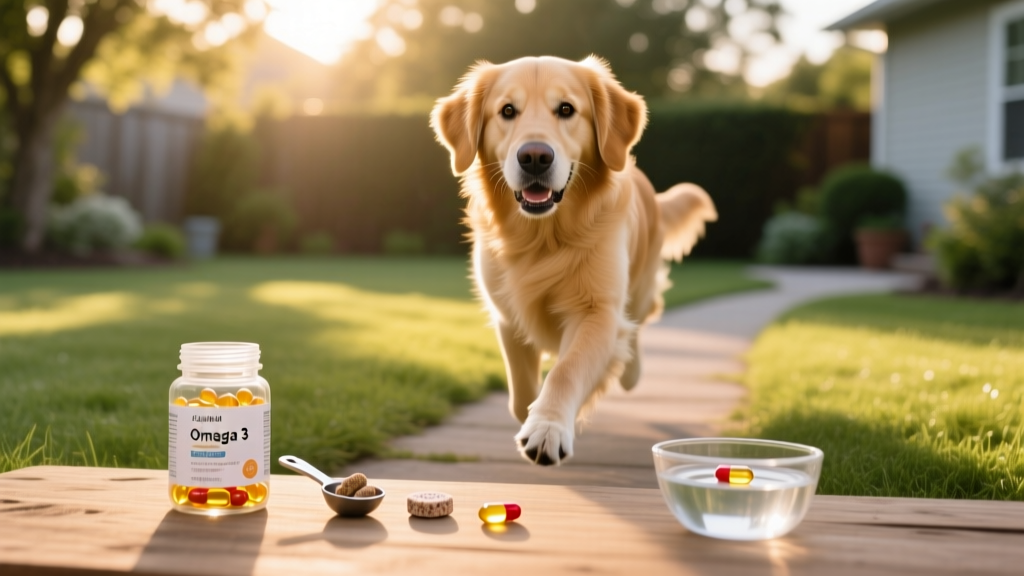
Omega three supplements for dogs provide essential Eicosapentaenoic Acid (EPA) and Docosahexaenoic Acid (DHA) that canine bodies cannot produce independently. The most effective way to administer these fatty acids is by mixing a weight-appropriate dose of triglyceride-form fish oil directly into your dog's morning meal. This guide is designed for dedicated dog owners seeking to seamlessly integrate omega-3 fatty acids into their pet's daily routine to support joint mobility, reduce inflammation, and promote a healthy coat. By selecting the correct formulation and adhering to precise dosage metrics, you can significantly enhance your dog's overall vitality and long-term health outcomes.
Canines lack the specific enzymatic pathways required to synthesize these crucial lipids from plant-based alpha-linolenic acid. Therefore, direct marine sources remain the only reliable method for achieving therapeutic blood levels. Providing these marine-derived lipids daily ensures consistent cellular membrane support across your pet's entire body.
Key Takeaways
- Dogs require EPA and DHA from external marine sources for optimal health.
- Liquid triglyceride-form oils offer the highest intestinal absorption rates.
- Store all liquid supplements below 60 degrees Fahrenheit to prevent lipid oxidation.
Understanding Omega-3 Fatty Acids for Canines
Eicosapentaenoic Acid and Docosahexaenoic Acid Roles
Eicosapentaenoic Acid primarily modulates the inflammatory response within the body, making it highly effective for managing osteoarthritis and allergic dermatitis. Docosahexaenoic Acid concentrates heavily in the brain and retinal tissues, supporting cognitive function and visual development in both puppies and senior dogs.
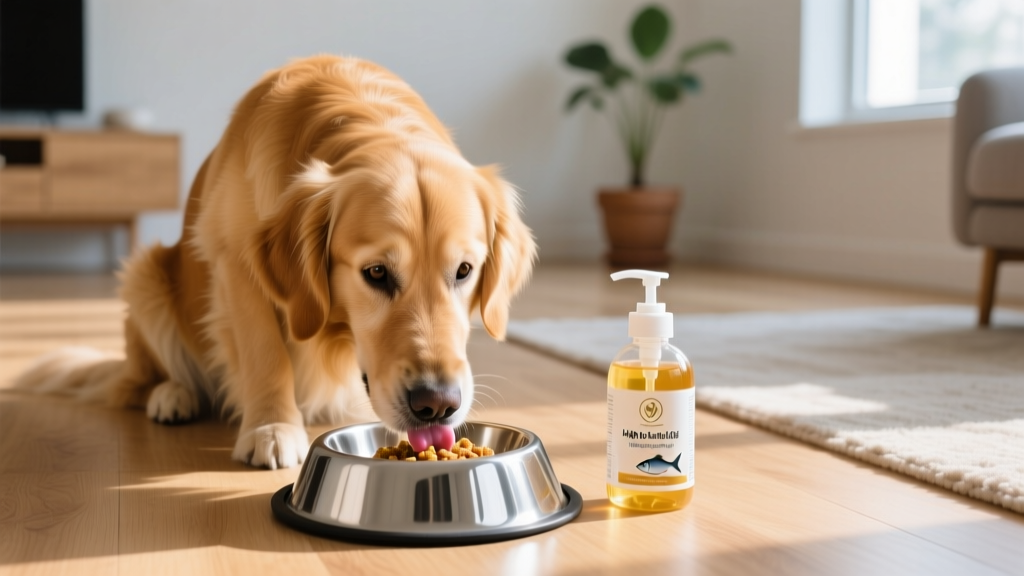
Triglyceride-Form Fish Oil: This refers to fish oil processed to retain its natural molecular structure, where fatty acids are bound to a glycerol backbone. This specific form mimics the natural state found in whole fish, resulting in significantly higher intestinal absorption rates for canines compared to synthetic ethyl ester formulations.
Choosing the Right Omega Three Supplements for Dogs
Liquid Oils Versus Soft Chews
Selecting the correct delivery method depends on your dog's eating habits and your need for dosing precision. Liquid oils allow for exact micro-adjustments based on weight fluctuations, while soft chews offer convenience for travel and training environments.
| Supplement Form | Absorption Rate | Convenience | Best For |
|---|---|---|---|
| Liquid Pump Oil | Highest | Moderate | Picky eaters, precise dosing |
| Soft Chews | Moderate | Highest | Training rewards, travel |
| Gel Capsules | High | Low | Strict calorie counting |
Building a Daily Omega-3 Routine
Calculating the Correct Dosage
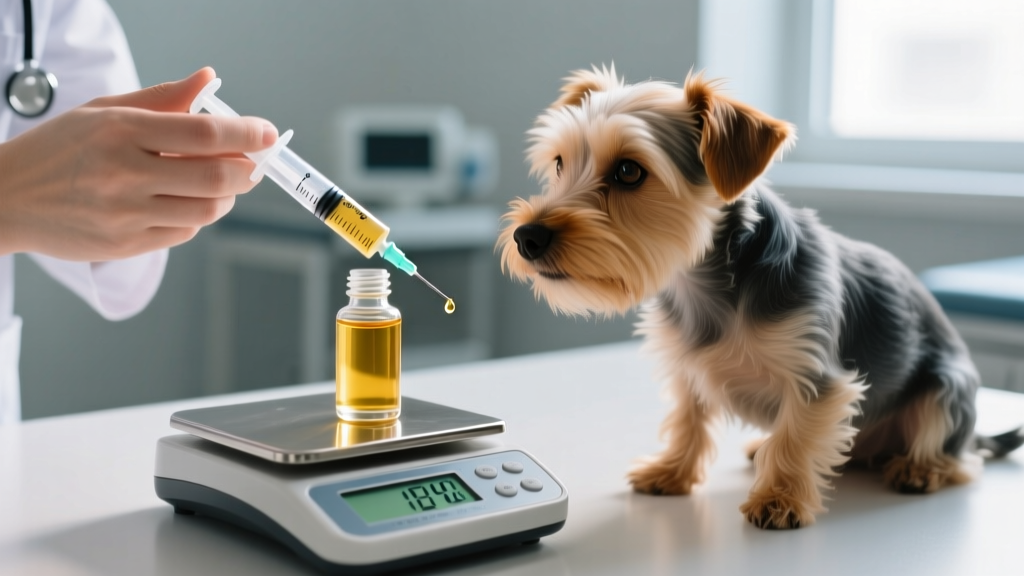
The World Small Animal Veterinary Association recommends a baseline therapeutic dose of 75 milligrams per kilogram of combined EPA and DHA for managing osteoarthritis. For general skin and coat maintenance, a lower maintenance dose of 20 milligrams per kilogram is typically sufficient. Always measure your dog's exact weight using a calibrated digital scale rather than estimating visually.
Storage and Freshness Protocols
Store all liquid marine oils in the refrigerator at or below 60 degrees Fahrenheit immediately after opening. Oxidation degrades the active lipids and produces harmful free radicals that can cause gastrointestinal distress. Discard any opened liquid pump bottles after 30 days to guarantee maximum potency and safety.
Monitoring Clinical Timelines
Clinical evidence from the National Institutes of Health demonstrates that measurable improvements in canine pruritus and skin barrier function typically manifest after 4 weeks of consistent daily supplementation. Conversely, structural joint improvements and enhanced mobility require a longer timeframe, often taking up to 12 weeks of continuous use to become clinically apparent.
Frequently Asked Questions
Can I Give Human Supplements to My Dog?
Human formulations often contain high concentrations of vitamin A or vitamin D, which can reach toxic levels in canines over time. Additionally, human capsules are typically dosed for adult body weights, making accurate micro-dosing for small breeds nearly impossible without risking an overdose.
What Are the Side Effects of Too Much Fish Oil?
Excessive intake can lead to altered blood clotting times, gastrointestinal upset, and a suppressed immune response. If your dog experiences persistent diarrhea or lethargy after starting supplementation, reduce the dose by half and consult your primary veterinarian immediately.
Is Krill Oil Better Than Fish Oil for Dogs?
Krill oil contains astaxanthin, a potent antioxidant that naturally preserves the oil and provides additional cellular protection. However, fish oil generally provides a higher total concentration of EPA and DHA per milliliter, making it more cost-effective for achieving therapeutic doses in large breeds.
Next Steps for Canine Joint and Coat Health
Integrating marine lipids into your pet's daily meals provides foundational support for their cellular, articular, and dermatological health. To begin, weigh your dog accurately, calculate their specific EPA and DHA requirement using the metrics above, and purchase a refrigerated triglyceride-form liquid pump. Schedule a brief nutritional consultation with your primary veterinarian to confirm the calculated dosage aligns with your dog's unique medical history.
marcus-aldridge
All our authors care for dogs every day — read more of their work on the authors page.