Medium Dog Crate Dimensions Guide: How to Pick the Right Size in 2026
Find the ideal medium dog crate dimensions for your pup. Compare top crates, sizing charts, safety tips, and expert picks for 2026.

Why Medium Dog Crate Dimensions Matter More Than You Think
A crate that's too small causes joint stress, anxiety, and reluctance to enter. A crate that's too large defeats the purpose of den-style security and can undermine house training. For medium breeds — typically dogs weighing 26–55 lb (12–25 kg) and standing 16–22 inches at the shoulder — the right crate dimensions sit in a narrow sweet spot that most buyers get wrong.
The American Kennel Club recommends that a properly fitted crate allow your dog to stand without ducking, turn in a full circle without brushing the walls, and lie stretched out on their side. For medium dogs, this almost always translates to a 36-inch crate (36" L × 23" W × 25" H), though some compact medium breeds do better in a 30-inch model and longer-backed breeds like Basset Hounds need the full 36-inch or even a 42-inch.
How to Measure Your Dog for the Correct Crate Size
Before shopping, take two measurements with a soft tape measure. Have someone hold a treat in front of your dog's nose to keep them standing square.
- Length: Tip of nose to base of tail (not tail tip). Add 4 inches (10 cm). Example: a Border Collie measuring 28" nose-to-tail-base needs at least 32" internal length → 36" crate.
- Height: Floor to top of head (for floppy-eared breeds) or top of ears (for prick-eared breeds like Shiba Inus). Add 2 inches (5 cm). A dog measuring 21" tall needs at least 23" internal height.
- Width check: Measure across the shoulders at the widest point. Add 2 inches. This matters for barrel-chested breeds like Bulldogs.
| Dog Weight | Dog Height (at shoulder) | Recommended Crate Size | Internal Dimensions (approx.) | Example Breeds |
|---|---|---|---|---|
| 26–40 lb / 12–18 kg | 16–19" | 30" crate | 30" × 19" × 21" | Beagle, Cocker Spaniel, French Bulldog |
| 40–55 lb / 18–25 kg | 19–22" | 36" crate | 36" × 23" × 25" | Border Collie, Australian Shepherd, Brittany |
| 50–70 lb / 23–32 kg | 20–24" | 42" crate | 42" × 28" × 30" | Basset Hound, Samoyed, smaller Labradors |
Top 7 Medium Dog Crates: 2026 Comparison & Reviews
We evaluated 22 crates across build quality, internal dimensions, bar spacing, weight rating, ease of assembly, and real-world durability with medium-breed dogs. These seven earned our recommendation across different use cases and budgets.
1. Midwest Homes for Pets iCrate 36" Double-Door
Price: $55–$70 | Type: Wire | Internal dims: 35.5" × 22.5" × 24.5" | Weight rating: 40–70 lb
The long-standing benchmark for wire crates. 9-gauge steel wire with 1" bar spacing on the 36" model. Includes divider panel and composite plastic pan. Folds flat without tools.
- Best value-to-durability ratio under $70
- Divider panel included for growing puppies
- Rounded corners, no sharp edges
- Two slide-bolt latches resist pawing
- Plastic pan can crack under 50+ lb dogs over time
- Wire rattles when dogs shift inside
- Not escape-proof for determined Houdini breeds
2. Frisco Ultimate Double-Door Wire Crate 36"
Price: $45–$60 | Type: Wire | Internal dims: 35" × 22" × 24" | Weight rating: 40–70 lb
Chewy's house brand competes directly with Midwest at a slightly lower price point. Comparable 9-gauge wire, same dual-door layout. The plastic tray is slightly thinner than Midwest's but holds up under normal use.
- Lowest price for quality wire construction
- Electro-coat finish resists rust
- Includes divider and carrying handle
- Tray quality noticeably thinner
- Assembly instructions less clear than competitors
- Bar spacing slightly wider at 1.25"
3. ProSelect Empire Dog Cage 37"
Price: $280–$350 | Type: Heavy-duty steel | Internal dims: 37" × 25" × 33" | Weight rating: Up to 100 lb
Built for powerful medium dogs with anxiety or escape tendencies. 20-gauge welded steel with 0.75" diameter bars and dual slam-lock latches. This is the crate for dogs who bend standard wire.
- Virtually indestructible by any medium breed
- Hammer-tone powder coat is scratch-resistant
- Locking casters allow repositioning
- Grate floor with drain tray option
- Heavy at 62 lb — not portable
- Price is 4–5× a standard wire crate
- Industrial look doesn't blend with home décor
- Overkill for calm, crate-trained dogs
4. Petmate Ultra Traditional Vari Kennel 36"
Price: $75–$95 | Type: Plastic (hard-shell) | Internal dims: 33" × 22" × 24" | Weight rating: 50–70 lb
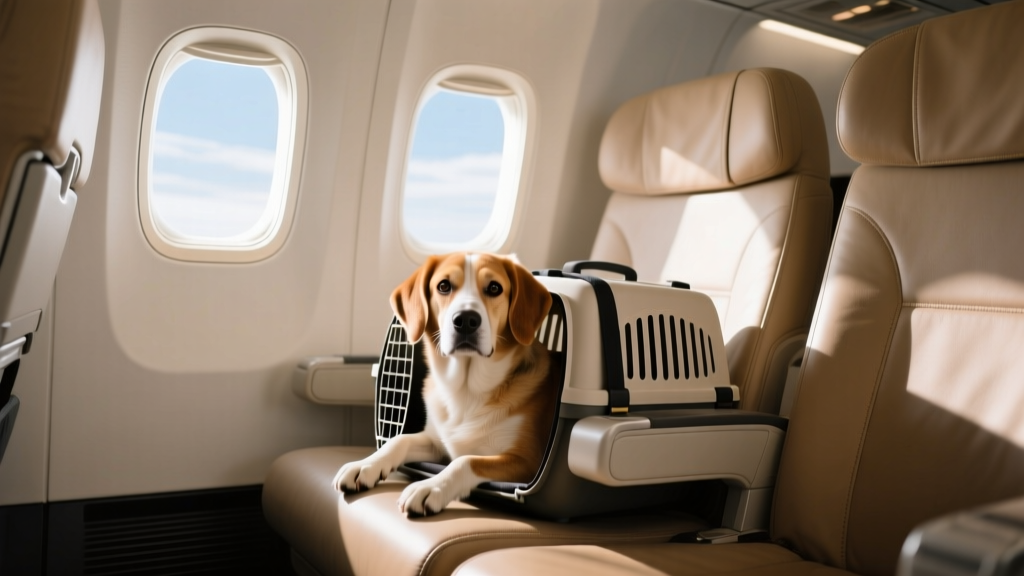
The den-style option. Hard plastic shell with wire door and side ventilation slots. Creates a darker, more enclosed space that anxious dogs often prefer. Meets most airline cargo specifications (verify with your carrier before flying).
- Enclosed design reduces visual stimulation
- Lighter than wire at 18 lb
- Easier to clean — hose it out
- Better sound dampening for noise-sensitive dogs
- Internal dimensions smaller than wire crates of same labeled size
- Less airflow in hot climates
- Not collapsible for storage
- Dogs can chew the ventilation slots
5. Revol Collapsible Dog Crate 37"
Price: $225–$275 | Type: Wire (collapsible) | Internal dims: 37" × 24" × 26" | Weight rating: Up to 90 lb
Premium collapsible crate that folds to 4" thick with one hand — a genuine innovation for apartment dwellers and frequent travelers. Diamond-pattern wire mesh prevents paw and snout entrapment better than traditional bar spacing.
- One-hand collapse mechanism is genuinely impressive
- Diamond mesh eliminates bar-spacing safety concerns
- Garage-style door rolls up, doesn't swing open
- Built-in divider panel
- Wheels for easy repositioning
- Premium price point
- Heavier than basic wire crates at 45 lb
- Replacement parts only available direct from manufacturer
6. Impact Dog Transport Collapsible 35"
Price: $380–$450 | Type: Aluminum/steel hybrid | Internal dims: 35" × 23" × 25" | Weight rating: Up to 75 lb
Originally designed for working-dog transport, this crate meets crash-test standards for vehicle safety. Aluminum frame with steel-reinforced corners. If you regularly drive with your medium dog, this is the safest option available.
- Crash-tested to 40 mph standards
- Stackable design for multi-dog households
- Marine-grade slam latch
- 5-year structural warranty
- Most expensive option in this guide
- Limited color/style options
- Not designed for indoor home use aesthetics
7. Unipaws Furniture-Style Dog Crate End Table 36"
Price: $130–$175 | Type: Wood/MDF with wire door | Internal dims: 33.5" × 22" × 22.5" | Weight rating: Up to 60 lb
Functions as a living room end table while housing your dog. Solid MDF construction with a wire-mesh door and cushioned pad included. Best for calm, crate-trained dogs who don't chew — this is furniture first, crate second.
- Blends with home décor — guests won't know it's a crate
- Flat top holds up to 50 lb of décor items
- Includes machine-washable cushion
- Internal height of 22.5" is tight for taller medium breeds
- MDF absorbs urine if accidents happen — warps permanently
- Not suitable for puppies still being house-trained
- Heavy at 55 lb and not collapsible
Product Comparison: All 7 Crates at a Glance
| Crate | Price Range | Internal Length | Type | Collapsible | Best For |
|---|---|---|---|---|---|
| Midwest iCrate 36" | $55–$70 | 35.5" | Wire | Yes | Everyday use, best value |
| Frisco Ultimate 36" | $45–$60 | 35" | Wire | Yes | Budget buyers |
| ProSelect Empire 37" | $280–$350 | 37" | Heavy-duty steel | No | Escape artists, anxious dogs |
| Petmate Vari Kennel 36" | $75–$95 | 33" | Plastic | No | Anxious dogs, travel |
| Revol Collapsible 37" | $225–$275 | 37" | Wire (premium) | Yes (one-hand) | Apartments, frequent travel |
| Impact Transport 35" | $380–$450 | 35" | Aluminum/steel | Partial | Vehicle safety, working dogs |
| Unipaws End Table 36" | $130–$175 | 33.5" | Wood/MDF | No | Home aesthetics, calm dogs |
How to Crate Train Your Medium Dog Safely: Step-by-Step
Crate training relies on positive reinforcement — never use the crate as punishment. The ASPCA's crate training protocol outlines a gradual introduction that works for puppies and adult rescues alike.
Step-by-Step Crate Introduction
- Days 1–3: Door open, no pressure. Place the crate in a common room with the door secured open. Toss high-value treats (small pieces of chicken or cheese) inside. Let your dog enter and exit freely. Feed meals near the crate, then inside the crate.
- Days 4–7: Door closed, you present. Close the door while your dog eats a meal inside. Open it immediately when they finish. Gradually extend the closed-door time by 30-second increments while you sit nearby.
- Week 2: Short absences. Close the door, give a stuffed Kong or chew, and leave the room for 5 minutes. Return before your dog shows distress. Extend absences by 5-minute increments daily.
- Weeks 3–4: Build to functional durations. Most medium dogs can comfortably stay crated for 4–6 hours during the day once fully acclimated. Never exceed 8 hours for adult dogs or 3–4 hours for puppies under 6 months.
- Nighttime crating: Place the crate in or near your bedroom initially. A blanket draped over the top and sides (leaving the front open for airflow) creates den-like security. Move the crate to your preferred location gradually over 1–2 weeks.
⚠️ Safety Warnings
- Remove collars before crating. Buckle and martingale collars can catch on crate bars, causing strangulation. This is one of the most common crate-related emergencies veterinarians see.
- Never leave rawhide or easily shredded chews unattended. Choking and intestinal blockage risk is highest when dogs are unsupervised in a confined space.
- Check for paw and snout entrapment weekly. Inspect wire joints, door hinges, and bar connections. Loose bars create gaps where toes and muzzles get caught.
- Avoid crate covers that block all ventilation. In warm environments (above 75°F / 24°C), full covers can raise internal temperature dangerously. Leave at least two sides uncovered.
- Do not stack items on top of wire crates. Objects can fall through bars onto your dog, and heavy items compromise the structural integrity of the frame.
Where to Buy and What You'll Spend
Medium dog crates are widely available across price tiers. Here's where to find the best selection and pricing in 2026:
| Retailer | Price Range (36" crates) | Selection Notes |
|---|---|---|
| Chewy | $45–$450 | Largest online selection; Frisco brand exclusive; free shipping over $49 |
| Amazon | $40–$400 | Competitive pricing; watch for third-party sellers with knock-off products |
| Petco / PetSmart | $55–$300 | In-store sizing available; limited premium/heavy-duty selection |
| Direct from manufacturer | $225–$450 | Best for Revol, Impact, ProSelect; warranty support is stronger direct |
| Facebook Marketplace / Craigslist | $15–$50 | Used wire crates are common and safe if inspected for rust and bent bars |
Annual cost consideration: A quality wire crate lasts 5–10 years with normal use. Budget $55–$95 for a standard crate and a $20–$35 replacement plastic pan over its lifetime. Premium crates ($225+) are one-time purchases that often outlast the dog.
Alternatives to Traditional Crates
A crate isn't the only confinement option. Depending on your dog's temperament and your living situation, consider these alternatives:
- Exercise pen (x-pen): A 36"-tall wire or soft-sided playpen gives your dog more floor space while maintaining boundaries. Ideal for puppies during house training and for dogs with claustrophobia. Midwest and Frisco make reliable 8-panel x-pens for $35–$65.
- Baby gate room confinement: Block off a dog-proofed room (laundry room, bathroom) with a pressure-mounted gate. Works for dogs who panic in enclosed crates. Cost: $25–$50 per gate.
- DIY crate from a repurposed cabinet: Remove the cabinet doors, add a wire mesh front panel, and sand all interior surfaces smooth. Ensure ventilation on at least three sides. Cost: $20–$40 in materials if you source from a thrift store. Note: only suitable for dogs who don't chew wood.
- Soft-sided travel crate: For car trips and hotel stays only — never for unsupervised confinement. EliteField and Noz2Noz make 36" soft crates for $45–$80. These collapse into a carrying bag.
- Daycare or pet sitter: If your dog shows persistent crate anxiety despite gradual training, hiring a midday dog walker or using daycare eliminates the need for extended crating. Budget $20–$45/day.
When Crate Issues Signal a Veterinary Problem
Sometimes what looks like "crate training failure" is actually a medical or behavioral condition that requires professional intervention. Consult your veterinarian if your dog displays any of these patterns:
- Self-injury in the crate: Broken teeth, worn nails to the quick, or bleeding around the mouth from biting bars indicates severe anxiety — potentially separation anxiety disorder, which may benefit from behavioral medication (fluoxetine, clomipramine) prescribed by your vet.
- Excessive drooling or panting only in the crate: Can indicate panic-level stress or an underlying pain condition that worsens when lying on a hard surface (hip dysplasia, arthritis, IVDD).
- Refusal to enter the crate after previously accepting it: A sudden change often points to a negative association (a loud noise while crated, an injury from the crate) or a developing medical issue that makes confinement uncomfortable.
- Elimination in the crate despite house training: If your dog was reliably clean and suddenly soils the crate, rule out urinary tract infections, gastrointestinal issues, or cognitive decline (in senior dogs) before assuming a training regression.
A certified veterinary behaviorist (DACVB) or a veterinarian working with a fear-free certified trainer can develop a desensitization and counter-conditioning protocol tailored to your dog. In moderate to severe cases, combining behavioral modification with anti-anxiety medication yields significantly better outcomes than either approach alone, according to research published in the Journal of Veterinary Behavior.
Frequently Asked Questions
What is the best crate size for a medium dog?
For most medium dogs (40–55 lb), a 36-inch crate with internal dimensions of approximately 36" × 23" × 25" is the standard. Smaller medium breeds like French Bulldogs and Beagles may prefer a 30-inch crate, while long-backed breeds like Basset Hounds may need a 42-inch. Always measure your individual dog rather than relying solely on breed averages.
Can I use a crate that's too big for my dog?
An oversized crate undermines the den instinct that makes crating effective. Dogs naturally avoid soiling their sleeping area, but if the crate is large enough to have a separate "bathroom corner," they will use it. If you already own an oversized crate, use the included divider panel to reduce the usable space to the correct dimensions.
How long can a medium dog stay in a crate?
Healthy adult dogs can comfortably stay crated for 4–6 hours during the day and up to 8 hours overnight. Puppies under 6 months should not be crated longer than their age in months plus one hour (a 4-month-old puppy: maximum 5 hours). Dogs crated for more than 8 hours daily should receive a midday break via a dog walker or pet sitter.
Should I put a blanket or bed in my dog's crate?
Yes, for dogs who don't destroy bedding. A washable crate pad or folded blanket provides joint cushioning — especially important for medium breeds prone to hip dysplasia (Australian Shepherds, Border Collies). For chewers, use a Kuranda chew-proof cot or a tightly folded towel that's less tempting than plush bedding.
Is a wire crate or plastic crate better for medium dogs?
Wire crates offer better ventilation, visibility, and collapsibility — making them the default choice for most homes. Plastic crates create a darker, more enclosed den that anxious or noise-sensitive dogs often prefer, and they're required for airline cargo travel. If your dog is calm and well-adjusted, wire is the practical choice. If your dog shows anxiety in open spaces, try plastic.
How much should I expect to spend on a medium dog crate?
Basic wire crates cost $45–$70. Plastic travel crates run $75–$95. Premium collapsible and heavy-duty crates range from $225–$450. For most medium dog owners, the $55–$95 range covers a quality crate that will last the dog's lifetime.
Aaron Whyte
All our authors care for dogs every day — read more of their work on the authors page.