Greyhound Top Speed: Best GPS Trackers & Harnesses to
Discover the best GPS trackers and safety harnesses for monitoring greyhound top speed, exercise, and health during high-speed runs.

Why Monitoring Your Greyhound's Top Speed Matters
Greyhounds are built for velocity. According to the American Kennel Club, a healthy adult Greyhound can reach a top speed of 40–45 mph (64–72 km/h), making them the fastest dog breed on the planet. But that incredible athleticism comes with unique care demands: cardiovascular stress, muscle strain, overheating risk, and the ever-present danger of bolting after prey at full sprint.
Whether you're a retired-racing Greyhound adopter, a lure coursing enthusiast, or simply an owner who wants to keep a sighthound safe during off-leash exercise, the right gear makes the difference between confident monitoring and constant anxiety. In this guide, we review the best GPS trackers and speed-monitoring harnesses available in 2026, explain what to look for, and outline when professional veterinary assessment is more appropriate than any consumer gadget.
Buying Criteria: What Matters for High-Speed Dog Gear
How GPS Speed Trackers Work (and Why Greyhounds Need Them)
Consumer GPS trackers for dogs use a combination of satellite positioning (GPS/GLONASS/Galileo) and cellular or Bluetooth data transmission to relay your dog's location and movement metrics to a smartphone app. High-end models include onboard accelerometers that calculate speed, stride count, and activity intensity independent of satellite fixes — critical for accuracy when your Greyhound is moving faster than the satellite refresh cycle can capture.
For Greyhounds specifically, speed monitoring serves three purposes:
- Safety: If your dog bolts after a squirrel at 40 mph in an unfenced area, real-time GPS is your only chance of recovery before they're miles away.
- Health Baselines: Tracking max speed over weeks lets you detect early declines that may signal pain, cardiac issues, or musculoskeletal disorders.
- Exercise Management: Greyhounds are surprisingly low-energy at home (often called "45-mph couch potatoes"), but they need regular high-intensity sprints. Data helps you confirm they're getting adequate exercise without overdoing it.
Top 6 GPS Trackers & Speed Monitors for Greyhounds (2026)
1. Tractive GPS DOG 5
- Key Features: Live tracking with 2–3 second refresh, speed & distance analytics, virtual fence alerts, activity monitoring, worldwide cellular coverage (150+ countries).
- Weight: 1.2 oz (35 g)
- Battery: Up to 7 days (standby), 8–12 hours (live tracking)
- Price Range: $49.99 device + $6–$13/month subscription
- Pros: Lightweight, excellent app UX, reliable cellular in urban/suburban areas, affordable entry point.
- Cons: Requires monthly subscription, GPS accuracy degrades in dense tree cover, battery drains quickly in continuous live mode.
2. Fi Series 4 GPS Collar
- Key Features: LTE-M cellular + GPS, built into a durable collar, escape detection alerts, daily exercise goals, Lost Dog Mode with 1-second location pings.
- Weight: Integrated into collar (collar weight ~2.8 oz / 80 g)
- Battery: Up to 3 months (safe-zone), 2 days (active tracking)
- Price Range: $129–$149 device + $8–$12/month subscription
- Pros: Best-in-class battery life, sleek integrated design, excellent escape alerts, strong community of sighthound owners.
- Cons: Collar-integrated design doesn't suit all harness setups, subscription required, limited speed analytics compared to dedicated sport trackers.
3. Whistle GO+ Health
- Key Features: GPS tracking, health monitoring (heart rate trends, sleep quality, calories burned, scratch/lick detection), 24-hour health snapshot.
- Weight: 0.9 oz (26 g)
- Battery: Up to 20 days (mixed use), 8 hours (continuous GPS)
- Price Range: $69.95 device + $8–$10/month subscription
- Pros: Lightest option reviewed, robust health metrics beyond location, integrates with vet records via app.
- Cons: Health data requires premium subscription tier, GPS accuracy slightly lower than Tractive in rural areas, clip mount can loosen on thin harness straps.
4. Garmin Alpha 300i (Sport/Performance Pick)
- Key Features: Handheld + collar-mounted GPS, inReach satellite communication, tracks up to 20 dogs simultaneously, speed/distance/elevation logging, no cellular subscription needed (satellite-based).
- Weight: Collar unit ~3.2 oz (91 g)
- Battery: Up to 68 hours (collar), varies with inReach use
- Price Range: $699–$799 (handheld + one collar)
- Pros: No cell coverage needed — ideal for rural coursing fields, professional-grade accuracy, rugged MIL-STD-810 build, multi-dog tracking.
- Cons: Expensive upfront cost, heavier than consumer trackers, steep learning curve, overkill for casual walks.
5. PitPat Dog Activity Monitor
- Key Features: Activity-only monitor (no GPS), tracks walking/running/playing/resting minutes, exercise goal setting, no subscription required.
- Weight: 0.4 oz (12 g)
- Battery: Replaceable coin cell, lasts ~12 months
- Price Range: $49.95 one-time purchase
- Pros: No subscription ever, ultra-lightweight, year-long battery, simple setup.
- Cons: No GPS tracking (activity data only), no real-time speed readout, Bluetooth range limited to ~100 ft for data sync.
6. Catlog Board (Sighthound Speed Analytics — Japan Import)
- Key Features: Accelerometer-based gait analysis, stride frequency, speed estimation, AI-driven activity classification (walk, trot, gallop, rest).
- Weight: 0.7 oz (20 g)
- Battery: ~5 days continuous
- Price Range: $89–$120 (import pricing varies)
- Pros: Most detailed biomechanical data available, detects gait asymmetries that may indicate early injury.
- Cons: App partially in Japanese, no GPS, import shipping times, limited English-language support.
Product Comparison Table
| Product | GPS Tracking | Speed Metrics | Weight | Battery (Active) | Subscription | Price (2026) |
|---|---|---|---|---|---|---|
| Tractive GPS DOG 5 | Yes (2–3s refresh) | Max speed, distance | 1.2 oz / 35 g | 8–12 hrs | $6–$13/mo | $49.99 + sub |
| Fi Series 4 | Yes (1s in Lost Mode) | Distance, escape alerts | 2.8 oz / 80 g (collar) | 2 days active | $8–$12/mo | $129–$149 + sub |
| Whistle GO+ Health | Yes (5s refresh) | Activity intensity | 0.9 oz / 26 g | 8 hrs GPS | $8–$10/mo | $69.95 + sub |
| Garmin Alpha 300i | Yes (satellite, 2.5s) | Speed, distance, elevation | 3.2 oz / 91 g | 68 hrs | None (satellite plan optional) | $699–$799 |
| PitPat Activity Monitor | No | Run/walk minutes | 0.4 oz / 12 g | 12 months | None | $49.95 one-time |
| Catlog Board | No | Gait, stride, speed estimate | 0.7 oz / 20 g | 5 days | Optional $5/mo | $89–$120 |
How to Use a GPS Tracker Safely on a Greyhound
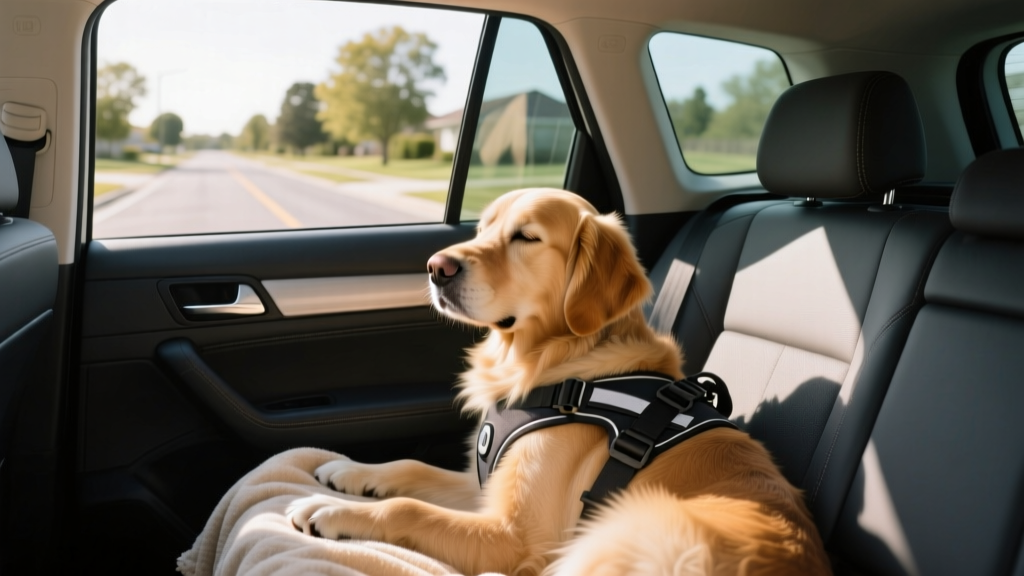
- Choose a sighthound-specific harness. Standard back-clip harnesses can chafe a Greyhound's thin skin and prominent spine. Look for wide-padded chest plates with a secure dorsal attachment point — brands like Perfect Fit and Haqihana offer sighthound cuts.
- Mount the tracker on the harness dorsal ring, not on a collar. Greyhounds can slip collars in seconds, and a collar-mounted tracker is useless if it's lying in a field two miles from your dog.
- Set up geofences before the first run. Define a safe zone in the app that matches your exercise area. Set alerts for boundary breaches — this gives you a 30–60 second head start if your Greyhound bolts.
- Test GPS accuracy in your area. Take your dog on a known-distance route (a measured track or trail) and compare the app's logged distance to the real distance. Discrepancies over 10% suggest poor satellite reception; consider a tracker with GLONASS/Galileo multi-constellation support.
- Establish a baseline over 2–3 weeks. Record your dog's typical max speed, average run distance, and rest patterns. This baseline is what you'll compare against if you suspect a health issue later.
- Charge consistently. A dead tracker is worse than no tracker — you'll assume your dog is safe when you have no data. Charge after every high-activity outing.
Safety Warnings & When to See the Vet Instead
⚠️ Critical Safety Notes for Greyhound Owners:
- A GPS tracker is a monitoring tool, not a prevention device. It cannot stop your dog from running into traffic, hitting a fence at full speed, or suffering a cardiac event mid-sprint.
- Never rely solely on a tracker in place of secure fencing. Greyhounds can clear 6-foot fences and will pursue prey through any gap.
- Trackers that press against the spine on thin-coated breeds can cause pressure sores. Check the mounting area daily for redness or hair loss.
- If your Greyhound's max speed drops by more than 10–15% over a two-week period, or if you notice gait asymmetry in activity data, consult your veterinarian before assuming it's normal aging. Declining speed can indicate hip dysplasia, osteosarcoma (Greyhounds are predisposed), cardiac disease, or spinal issues.
When to Skip OTC Trackers and See a Vet
Consumer GPS trackers are excellent for location safety and general activity trends, but they are not diagnostic medical devices. Schedule a veterinary visit if you observe any of the following:
- Sudden reluctance to run or sprint despite previous enthusiasm
- Asymmetric gait detected by accelerometer data (favoring one side)
- Heart rate data showing elevated resting rates above 100 bpm consistently
- Excessive panting or collapse after moderate exercise
- Unexplained weight loss alongside decreased activity metrics
According to the Merck Veterinary Manual, Greyhounds have unique physiological profiles — higher red blood cell counts, lower body fat percentages, and breed-specific anesthetic sensitivities — that require veterinary professionals familiar with sighthounds for accurate diagnosis.
Are There Natural or DIY Alternatives to GPS Trackers?
If you're looking to monitor your Greyhound's speed and exercise without electronic devices, consider these alternatives:
- Measured-course timing: Set up a known-distance sprint lane (100 yards / 91 meters is standard for lure coursing practice) and time your dog with a stopwatch. Healthy adult Greyhounds should cover 100 yards in 5–7 seconds at full gallop. Record times monthly to track fitness.
- Video analysis: Film your dog's runs at 60fps or higher and use free apps like Dartfish or Coach's Eye to analyze stride length and frequency. Changes in stride mechanics often precede visible lameness.
- Lure coursing clubs: The AKC lure coursing program provides structured, safe environments for Greyhounds to sprint with professional timing equipment and veterinary oversight at events.
- Canine fitness professionals: Certified canine rehabilitation therapists (CCRT) can perform gait analysis using pressure-sensitive walkways — far more detailed than any consumer wearable.
Where to Buy & Typical Price Ranges (2026)
Most GPS trackers are available through:
- Direct from manufacturer websites (tractive.com, fi.com, whistle.com) — often with best subscription pricing and warranty support.
- Amazon and Chewy — competitive device pricing, but subscription must be set up separately through the manufacturer's app.
- Pet specialty retailers (PetSmart, Petco) — limited selection, usually Tractive and Whistle only.
- Sporting goods stores (Bass Pro Shops, Cabela's) — best source for Garmin Alpha series.
Annual cost reality check: A GPS tracker with subscription costs $120–$250 per year including the device amortized over 2–3 years. For comparison, a single emergency vet visit for a lost Greyhound hit by a car averages $3,000–$8,000. The ROI calculation is straightforward for owners of escape-prone sighthounds.
Frequently Asked Questions
What is the best GPS tracker for a Greyhound?
For most pet Greyhound owners, the Tractive GPS DOG 5 offers the best balance of lightweight design (1.2 oz), fast refresh rate (2–3 seconds), and affordable pricing. For rural coursing where cellular coverage is unreliable, the Garmin Alpha 300i is the professional-grade alternative — though at 10x the cost.
How do I choose the right tracker for my sighthound?
Prioritize weight (under 1.5 oz), refresh rate (under 5 seconds), and harness compatibility. If you exercise primarily in urban/suburban areas with cell coverage, a cellular-based tracker (Tractive, Fi, Whistle) is sufficient. If you run your dog in rural fields, invest in satellite-based tracking (Garmin).
How much does a GPS dog tracker cost annually?
Expect to spend $120–$250 per year total (device + subscription). Subscription-free options like PitPat ($49.95 one-time) exist but sacrifice GPS location tracking entirely.
How do I use a tracker safely on a thin-coated breed?
Always mount on a padded sighthound harness, never directly against skin. Rotate the mounting position slightly each week to prevent pressure points. Inspect the contact area daily for redness, and remove the tracker when your dog is crated or resting at home.
Are there natural alternatives to electronic trackers?
Yes — measured-course timing, video gait analysis, and participation in AKC lure coursing events provide speed and fitness data without wearables. These methods require more owner effort but yield equally valid fitness baselines.
When should I skip the tracker and see a vet?
If tracker data shows a sustained 10–15% drop in max speed, asymmetric gait patterns, or elevated resting heart rate over 2+ weeks, schedule a veterinary exam. These can be early indicators of orthopedic disease, cardiac issues, or pain — conditions that require professional diagnosis, not more data collection.
Beth Carrasco
All our authors care for dogs every day — read more of their work on the authors page.