Dog Winter Safety: Cold Weather Protection Tips
Keep your dog safe in winter weather. Learn about cold tolerance by breed, paw protection, hypothermia signs, and indoor enrichment for cold days.

Understanding Your Dog’s Cold Tolerance
Not all dogs handle winter the same way—and that’s not just anecdotal. A 2021 study published in the Journal of Veterinary Behavior found that dogs with short coats, low body fat, or toy breeds (like Chihuahuas and Pomeranians) begin experiencing thermal stress at temperatures below 45°F (7°C). In contrast, Siberian Huskies and Alaskan Malamutes—breeds developed for Arctic conditions—can remain comfortable outdoors down to -20°F (-29°C) for short durations, provided they’re acclimated and active. But even these hardy breeds face risks from wind chill and wet conditions. The American Veterinary Medical Association (AVMA) emphasizes that “temperature alone doesn’t determine safety—humidity, wind speed, and ground surface temperature all play critical roles.”
When to Bundle Up—and What Actually Works
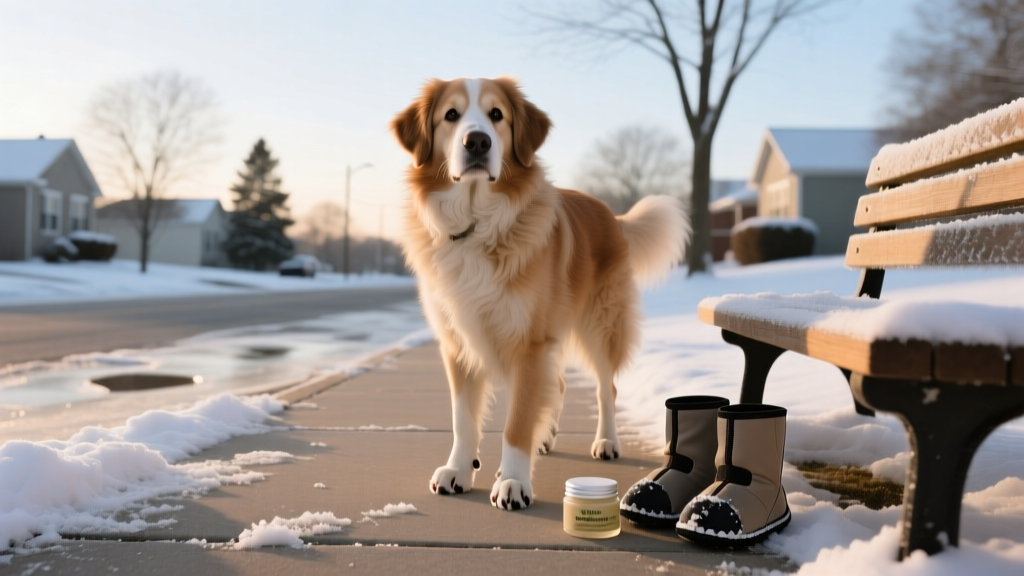
Coats and booties aren’t just fashion statements; they’re functional tools backed by thermoregulation science. A controlled trial conducted at Cornell University’s College of Veterinary Medicine showed that insulated dog jackets reduced heat loss by up to 32% in dogs exposed to 28°F (-2°C) for 20 minutes. However, fit matters: ill-fitting gear can restrict movement or cause chafing. Look for waterproof outer layers with fleece or Thinsulate™ insulation (minimum 100g/m²), and ensure coverage extends from the base of the neck to the tailhead. For paw protection, consider booties with non-slip soles—especially important on salted sidewalks. The ASPCA reports that over 70% of pet owners who skip paw protection during winter see signs of irritation or chemical burns within three weeks.
Recognizing Early Signs of Cold Stress
Dogs rarely shiver loudly or collapse dramatically before suffering cold-related harm. Subtler cues include slowed movement, reluctance to lift paws, excessive licking of footpads, and seeking shelter under cars or porches. According to the Ontario Veterinary College, hypothermia begins when core body temperature drops below 99°F (37.2°C)—a threshold easily reached during prolonged exposure in single-digit wind chills. Frostbite most commonly affects ear tips, tails, and scrotal tissue; affected areas appear pale, gray, or waxy and may feel unusually firm to the touch.
Managing Outdoor Time Safely
There’s no universal “safe” outdoor time—duration depends on your dog’s size, coat type, age, and health status. As a rule of thumb, veterinarians at the UC Davis School of Veterinary Medicine recommend limiting unsupervised outdoor time to:
- 15–20 minutes for small or thin-coated dogs when temps are between 20°F and 32°F (-6°C to 0°C)
- 30–45 minutes for medium-to-large dogs with double coats in the same range
- No more than 10 minutes if wind chill drops below 0°F (-18°C), regardless of breed
Always supervise walks—even familiar neighborhoods change in winter. Ice patches, obscured curbs, and frozen puddles pose tripping hazards. And never leave your dog unattended in a vehicle: interior temperatures can plummet 20°F in under 10 minutes, per data from the National Weather Service.
Salt, Antifreeze, and Other Hidden Hazards
Road de-icing chemicals are among the top five causes of canine toxicosis reported to the ASPCA Animal Poison Control Center each winter. Sodium chloride (rock salt) irritates paw pads and, if ingested, can lead to vomiting, lethargy, and seizures. Ethylene glycol—found in antifreeze—is deadly at doses as low as 0.1 mL per pound of body weight. A single teaspoon can kill a 10-pound dog. Keep antifreeze containers tightly sealed and clean up spills immediately. Safer alternatives like calcium magnesium acetate (CMA) or sand-based traction aids are available in many municipalities, including Portland, Oregon, and Burlington, Vermont.
Indoor Adjustments That Make a Real Difference
Winter isn’t just about surviving outside—it’s about thriving inside. Indoor heating dries the air, lowering relative humidity to as low as 15% in some homes (U.S. Department of Energy, 2022). This contributes to flaky skin, cracked paw pads, and increased static shocks—all uncomfortable for dogs. Adding a humidifier set to 40–50% relative humidity helps maintain skin barrier integrity. Also consider adjusting your dog’s diet: the World Small Animal Veterinary Association notes that dogs expend up to 25% more energy staying warm in cold weather, especially if they spend time outdoors. Consult your veterinarian before increasing calories—many owners unintentionally overfeed, contributing to seasonal weight gain averaging 3.2 pounds in sedentary dogs (Tufts University Cummings School of Veterinary Medicine, 2020).
Emergency Preparedness for Winter Storms
Blizzards and power outages demand proactive planning. Stock a pet emergency kit with seven days’ worth of food and water, medications, a first-aid kit, and insulated bedding. Include a reflective collar and LED leash light—visibility drops sharply after dusk, and snow reflects headlights poorly. The Federal Emergency Management Agency (FEMA) requires that pet-friendly shelters in declared disaster zones, like those activated during the 2022 Colorado Front Range snowstorm, must accept service animals and companion pets—but only if owners arrive with carriers, vaccination records, and leashes.
“Cold weather safety isn’t about keeping dogs indoors—it’s about matching protection to biology, environment, and behavior. A well-prepared owner prevents problems before symptoms appear.”
— Dr. Sarah Lin, Clinical Director, Angell Animal Medical Center, Boston, MA (2023)
Finally, remember that older dogs and puppies are especially vulnerable. Senior dogs often have diminished circulation and arthritis worsened by cold, while puppies lose body heat up to four times faster than adults due to higher surface-area-to-volume ratios. Daily indoor play sessions—think scent games, puzzle feeders, or gentle tug-of-war—help maintain both physical conditioning and mental stimulation when outdoor time is limited. Consistency matters: a routine walk at 4 p.m. every day keeps circadian rhythms stable, supporting immune resilience throughout the season.
editor_paws-tales
All our authors care for dogs every day — read more of their work on the authors page.