10 Dog Photography Tips You’ll Actually Use
Veterinarian & dog photographer Dr. Hannah Wickes shares simple, practical tips to capture joyful, authentic photos of your dog—no fancy gear needed.

10 Dog Photography Tips You’ll Actually Use
By Dr. Hannah Wickes, DVM & Certified Pet Photographer
As a veterinarian who’s spent over a decade caring for dogs—and photographing them for rescue groups, clients, and my own three goofy mutts—I’ve learned one truth: the best dog photos aren’t taken with the most expensive camera. They’re taken with patience, observation, and heart. Whether you’re snapping pics on your phone or dusting off that DSLR, these 10 practical tips will help you capture genuine moments—not just posed portraits.
1. Shoot at Eye Level (Literally)
Get down on the floor. Crouch, kneel, or even lie flat if it means meeting your dog’s gaze. Shooting from above flattens expression and makes your dog look smaller or less engaged. Eye-level shots create intimacy and reveal subtle expressions—the twitch of an ear, the softness in their eyes, the way their tongue lolls mid-wag. Bonus: It works beautifully for both tiny Chihuahuas and towering Great Danes.
2. Natural Light Is Your Best Friend
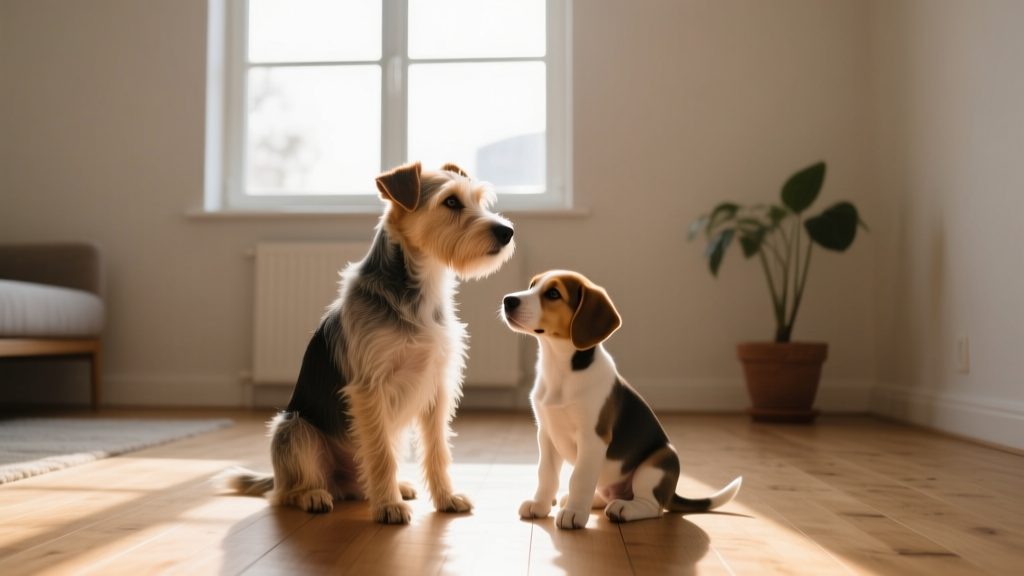
Ditch the flash—it startles dogs and creates harsh shadows or red-eye (yes, dogs get it too!). Instead, shoot near windows during morning or late-afternoon light (the "golden hour"). Soft, directional light highlights texture in fur and adds warmth without glare. On cloudy days? Even better—overcast skies act like a giant softbox, diffusing light evenly.
3. Focus on the Eyes—Every Time
Most smartphones and cameras have tap-to-focus or eye-detection AF. Tap or select your dog’s nearest eye before shooting. Sharp eyes anchor the image and convey presence and emotion—even if the ears or tail are slightly blurred. If using manual focus, prioritize the front eye (the one closest to you).
4. Capture Movement—Then Freeze It
Dogs are rarely still—and that’s where magic lives. Use your camera’s burst mode (or video + frame grab) to catch mid-leap, head-tilt curiosity, or tail-wag blur. On phones: hold the shutter button. On DSLRs/mirrorless: set to continuous AF (AI Servo/AF-C) and high-speed burst. Later, pick the frame where ears are perked, mouth is relaxed, and eyes are bright—not wide with stress.
5. Simplify the Background
A cluttered background competes with your dog. Step back, change your angle, or use portrait mode (on phones) or a wide aperture (f/2.8–f/5.6) to gently blur distractions. A clean brick wall, grassy hill, or neutral blanket works wonders. Pro tip: Shoot against contrasting colors—e.g., a black dog on light gravel, a golden retriever against deep green foliage.
6. Make It a Positive Experience
Never force a pose. Skip the “sit-stay-for-10-seconds” struggle. Instead, invite cooperation: use quiet praise, gentle treats (small, low-distract pieces like freeze-dried liver), or favorite toys. If your dog looks tense (whale eye, lip lick, stiff posture), pause and reset. Great photos happen when your dog feels safe—not staged.
7. Shoot During Calm, Connected Moments
Some of the most powerful images happen *between* activities: your dog resting their chin on your knee, watching birds from the porch, or blinking slowly after a belly rub. These quiet interactions reflect real life—and deepen your bond. Keep your camera nearby (or phone ready) during downtime—not just walks or playtime.
8. Pay Attention to the Details
Zoom in—not just on faces, but on paws mid-step, wet nose glistens, whiskers catching light, or the curve of an ear. Detail shots tell stories: muddy paws mean adventure; a chewed leash tells of teething days; sleepy eyelids hint at a full, happy day. Use macro mode (on phones) or a 50mm+ lens for crisp close-ups.
9. Embrace Imperfection
Blurry edges? Slightly off-center composition? Tongue hanging out mid-sneeze? Keep it. These aren’t flaws—they’re authenticity. I’ve printed dozens of “imperfect” shots for clients: a dachshund sneezing mid-sniff, a senior beagle napping with one paw draped over a slipper, a puppy mid-yawn with eyes crinkled shut. Those are the prints people frame—not the stiff studio shots.
10. Edit Thoughtfully—Not Excessively
A quick crop, brightness tweak, or gentle contrast boost goes a long way. Avoid heavy filters that distort fur color or skin tone (especially important for black, gray, or merle dogs). In free apps like Snapseed or Apple Photos: use “Selective Adjust” to brighten eyes or soften harsh shadows under chins. Less is more—your dog’s personality should shine through, not the editing.
Bonus: Gear That Fits Real Life
You don’t need professional gear—but here’s what *does* help:
- Smartphone tip: Clean your lens (yes—fingerprints matter!), shoot in Pro/Manual mode if available, and use gridlines for balanced composition.
- Entry DSLR/mirrorless: A 35mm or 50mm prime lens gives beautiful clarity and background separation—even on a budget.
- No tripod? Rest your elbows on a table, wall, or your knees for stability.
- Always carry: A squeaky toy (for attention), a treat pouch, and a lightweight blanket for consistent backgrounds.
Remember: your goal isn’t perfection—it’s preservation. Every photo you take is a tiny time capsule: of floppy ears, muddy paws, steady breaths, and unconditional love. Take one extra shot today—not for Instagram, but for the day you’ll hold that print in your hands and whisper, “I remember exactly how this felt.”
Happy shooting,
Dr. Hannah Wickes
Dr. Hannah Wickes
All our authors care for dogs every day — read more of their work on the authors page.