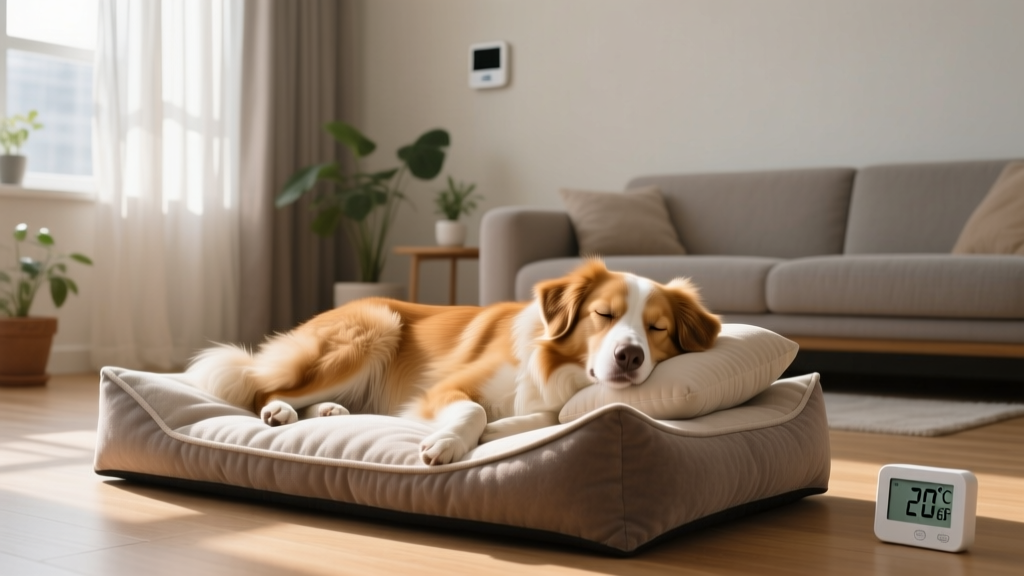
10 Dog Photo Tips for Real-Life Moments
Simple, practical dog photo tips for capturing authentic, joyful moments with your pup—no pro gear needed.

10 Dog Photo Tips for Real-Life Moments
Capturing your dog’s personality doesn’t require a studio or expensive camera—it happens in the backyard, on walks, during snack time, and even mid-yawn on the couch. These everyday moments tell the true story of life with your dog. Here are 10 practical, gear-light tips to help you take better, more meaningful photos—right where you live.
1. Shoot at Eye Level
Get down on the floor—or even lower, if your dog is small. Shooting from your standing height flattens expression and makes your dog look distant. Lying on your side or kneeling brings you into their world, revealing soulful eyes, curious tilts, and natural posture.
2. Use Natural Light Whenever Possible
Golden hour (sunrise or sunset) offers soft, warm light that flatters fur and highlights texture. Overcast days are also ideal—clouds act like giant diffusers, eliminating harsh shadows. Avoid direct midday sun, which causes squinting and blown-out highlights on white coats.
3. Focus on the Eyes
Your camera’s autofocus often locks onto the nearest object—but with dogs, always prioritize the eyes. Tap your screen (on smartphones) or use single-point AF (on DSLRs/mirrorless) to ensure sharp, expressive eyes. Slightly blurred ears or tail are fine; blurry eyes aren’t.
4. Capture Action Without Blurring
For wagging tails or zoomies, increase your shutter speed: aim for at least 1/500 sec for walking dogs, and 1/1000 sec or faster for running or jumping. On phones, use ‘Sports’ or ‘Action’ mode—or try burst mode and pick the crispest frame later.
5. Simplify the Background
A cluttered background distracts from your dog. Step back, change your angle, or crouch to use sky, grass, or a clean wall as a backdrop. Even shifting just two feet left or right can turn a messy fence into a soft blur.
6. Wait for the ‘Real’ Moment
Forget stiff “pose-and-smile” shots. Instead, watch and wait: the head tilt when you whisper their name, the ear perk at a distant bird call, the sleepy blink after a belly rub. Those micro-expressions hold more heart than any staged portrait.
7. Include Context—But Keep It Subtle
A favorite toy, worn leash, or familiar blanket adds storytelling depth. Try a medium shot showing your dog curled beside their bed, or sniffing flowers in your garden. Just keep it balanced—your dog remains the clear subject.
8. Clean Up Before You Click
A quick wipe of muddy paws, a gentle brush through tangled fur, or a dab of water on a dry nose makes a visible difference—especially in close-ups. No need for perfection—just a little care goes a long way in highlighting natural beauty.
9. Use Treats (Wisely)
A tiny, high-value treat helps grab attention—but don’t overdo it. Hold it just above the lens to encourage eye contact without straining their neck. Skip treats entirely for candid moments—sometimes the best shots happen when they’re totally unaware you’re watching.
10. Edit Lightly—and Consistently
Adjust brightness, contrast, and warmth to match how the scene actually felt—not to create an unrealistic look. Avoid heavy filters that mute fur texture or distort color. If you post often, choose one subtle preset (e.g., warm & airy, or crisp & natural) to give your dog’s photo journal visual harmony.
Remember: your goal isn’t perfection—it’s presence. The slightly crooked ear, the tongue hanging out, the goofy stretch after a nap—those are the details that make your dog *yours*. Keep your phone charged, your pockets full of treats, and your heart open. The best dog photos aren’t found—they’re lived, then lovingly captured.
Dr. Hannah Wickes
All our authors care for dogs every day — read more of their work on the authors page.