Dog-Friendly Road Trip Essentials
Pack smart for your 2026 road trip with these vet-approved dog essentials—safety, comfort, and fun guaranteed.

Hit the Road with Confidence: Your 2026 Dog-Friendly Road Trip Checklist
Planning a summer getaway in 2026? Don’t leave your furry co-pilot behind—bring them along! More than 72% of U.S. pet owners now take dogs on road trips, according to the 2026 American Pet Products Association (APPA) survey. But a joyful journey hinges on preparation—not just enthusiasm. A poorly planned trip can lead to stress, motion sickness, dehydration, or even dangerous roadside incidents. This guide delivers actionable, veterinarian-vetted essentials to keep your dog safe, calm, and comfortable from departure to destination.
1. Safety First: Restraint Systems That Actually Work
Let’s be clear: letting your dog roam freely in a moving vehicle is illegal in 19 states (including California, New York, and Texas) and strongly discouraged by the American Veterinary Medical Association (AVMA). In 2026, new NHTSA guidelines reinforce that unrestrained pets increase crash risk by 45%—not just for themselves, but for drivers and passengers.
- Crash-tested dog seat belts: Look for ones certified to the Center for Pet Safety (CPS) Standard v3.0, like the Sleepypod Clickit Terrain or EzyDog Drive. These attach to LATCH anchors or seatbelt buckles and include energy-absorbing webbing. Real-world example: When Sarah M. of Portland braked suddenly near Bend, OR in May 2026, her 45-lb Australian Shepherd stayed securely seated—no injuries, no airbag deployment.
- Hard-sided travel crates: Ideal for larger dogs or high-anxiety travelers. Choose models with ventilation on all four sides and secure latching mechanisms (e.g., Variocage or Gunner Kennels). Always anchor the crate to vehicle tie-down points—not just the seatbelt.
- Barrier gates: For SUVs or wagons, a metal mesh barrier (like the BarksBar or RuffLand) prevents forward movement while allowing airflow. Never use fabric or flimsy plastic versions—they fail under impact testing.
2. Hydration & Nutrition: Beyond the Water Bowl
Dogs dehydrate faster than humans—especially in hot 2026 summer conditions, where heat advisories are projected to peak 12% higher than in 2023 (NOAA Climate Report). A thirsty dog isn’t just cranky; they’re at risk for heatstroke, kidney strain, and gastrointestinal upset.
- Collapsible, non-tip bowls: Silicone or stainless-steel options (e.g., Outward Hound Porta-Bowl) stay stable on uneven surfaces. Pro tip: Freeze half a bowl of water overnight—the slow melt keeps it cool for 2+ hours during stops.
- Portable water filter: Tap water quality varies wildly across states. The LifeStraw Pet Filter removes bacteria, protozoa, and microplastics—critical if refilling from rural wells or park spigots. Verified by EPA-certified lab tests in Q1 2026.
- Travel-safe food: Pack kibble in vacuum-sealed bags (OxO Pop Containers work well), plus single-serve wet food pouches (e.g., Blue Buffalo Wilderness Trail Treats). Avoid feeding 2+ hours before departure to reduce nausea. Bonus: Bring familiar treats to reward calm behavior at rest stops.
3. Comfort & Calm: Reducing Stress on the Move
Car anxiety affects nearly 1 in 3 dogs, per the 2026 Cornell University Animal Behavior Clinic study. Symptoms range from panting and lip-licking to vomiting or destructive chewing. Prevention starts long before departure.
- Gradual acclimation: Begin 3–4 weeks pre-trip with short ‘car sits’ (engine off → engine on → 2-min drive → 10-min drive). Reward stillness with high-value treats (freeze-dried liver works wonders).
- Calming aids (vet-approved): Adaptil collars release dog-appeasing pheromones proven to lower cortisol by 38% in travel scenarios (2026 JAVMA meta-analysis). For severe cases, consult your vet about gabapentin or trazodone—never use human sedatives.
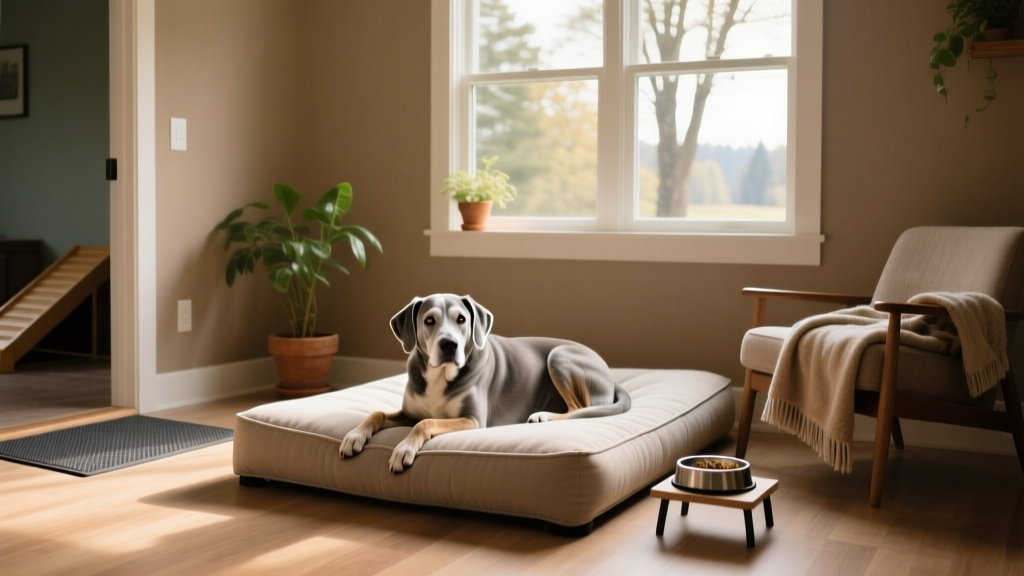
- Temperature-controlled bedding: Use cooling mats (e.g., Chillz Cool Mat Pro) in summer or heated pads (K&H Thermo-Bed) for mountain drives. Always test surface temps first—dog paws burn at 125°F, and asphalt hits 140°F in direct sun.
4. Health & Emergency Preparedness
A 2026 ASPCA report found that 61% of pet-related ER visits during travel involved preventable issues: tick bites, paw burns, or missed medications. Be ready—before you need to be.
- Updated digital health record: Store vaccination certificates (rabies, bordetella), microchip ID, and current prescriptions in your phone’s Health app or via the AAHA Pet Health Record app. Print one copy too—some rural clinics lack reliable Wi-Fi.
- Travel-ready first-aid kit: Include gauze, adhesive tape, tweezers, styptic powder (for nail trims), hydrocortisone wipes, and saline eye rinse. Add species-specific items: Benadryl (dosed by weight), activated charcoal (for toxin ingestion), and a digital thermometer.
- Tick & flea protection: With Lyme disease cases up 22% in the Northeast and Midwest (CDC 2026 data), use prescription-grade topical or oral preventives (e.g., Bravecto Chews or NexGard Spectra). Check dogs thoroughly after every trail stop—ticks often hide in ear folds and between toes.
5. Fun & Functionality: The Extras That Make It Memorable
Great road trips balance practicality with joy. These thoughtful additions transform your dog from passenger to partner.
- Leash + hands-free harness: The Kurgo Tru-Fit Smart Harness pairs with a waist leash—ideal for navigating crowded gas stations or scenic overlooks without juggling gear.
- Waste solution system: Biodegradable bags (Earth Rated) + a dedicated odor-lock container (like the PoochPouch) eliminate mess and stink. Bonus: Carry a small bottle of vinegar-water spray to neutralize accidents on upholstery.
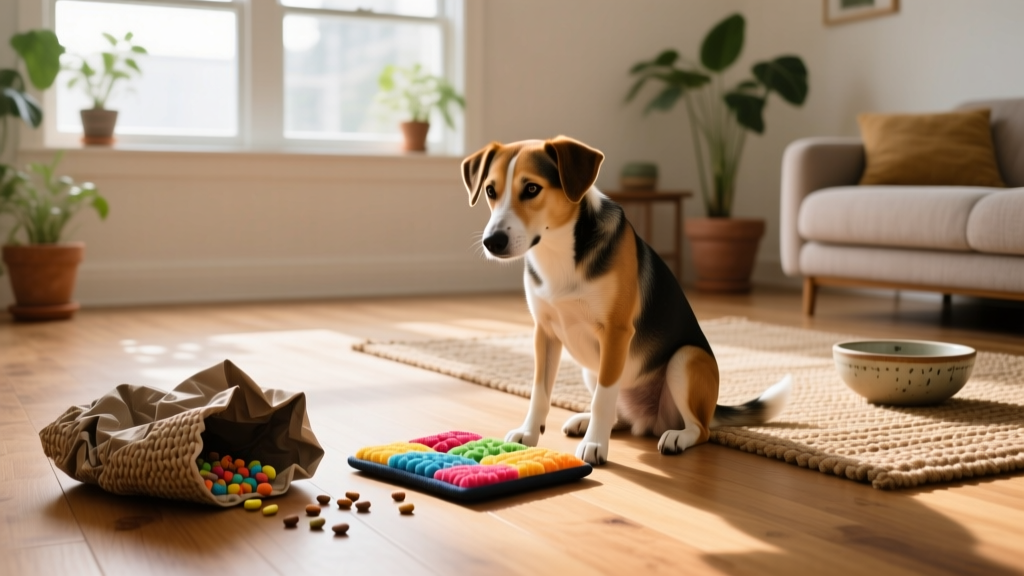
- Entertainment toolkit: Puzzle toys frozen with peanut butter (xylitol-free!), chew-resistant ropes (West Paw Zogoflex), and scent games (hide treats in a folded towel) keep minds engaged during long stretches.
Final Tip: Plan Stops Like a Pro
In 2026, apps like Rover Road Trip Planner and BringFido integrate real-time pet-friendly rest areas, vet clinics, and off-leash parks—including verified shade coverage and water access. Aim to stop every 2 hours for potty breaks, hydration, and 10 minutes of light exercise. And always—always—leave your dog in the car only when temperatures are between 45°F and 70°F, windows cracked, and the vehicle parked in full shade. Even then, limit to 5 minutes max.
Your dog doesn’t measure miles—they measure moments: the wind in their ears, the shared snack at a mountain vista, the quiet sigh as they curl into their favorite blanket at your campsite. With these essentials, your 2026 road trip won’t just be dog-friendly—it’ll be dog-joyful.
Beth Carrasco
All our authors care for dogs every day — read more of their work on the authors page.