Best Dog Crate With Bed Combos: 2026 Buyer's Guide & Reviews
Compare the best dog crate with bed combos for 2026. Expert picks, sizing charts, safety tips, and real pricing to help you choose the right setup.

Why Combine a Crate and Bed in the First Place?
A crate alone provides structure and den-like security — dogs are naturally drawn to enclosed spaces that mimic a burrow. But bare wire or plastic flooring is uncomfortable for anything beyond a short rest. Adding a properly fitted bed transforms the crate from a management tool into a genuine retreat.
The combination serves three functions:
- Joint protection. Prolonged lying on hard surfaces contributes to callus formation (decubital ulcers) over bony prominences like elbows and hocks, particularly in large breeds. A padded bed distributes pressure evenly.
- Thermal insulation. Wire crate floors are essentially ambient-temperature metal. A bed adds an insulating layer, which matters for short-coated breeds, puppies, and seniors who thermoregulate poorly.
- Anxiety reduction. A soft, familiar-smelling bed inside an enclosed space activates the parasympathetic nervous system — the rest-and-digest response — making the crate a place dogs choose voluntarily rather than tolerate.
Research published in the Journal of Veterinary Behavior (2019) found that dogs provided with enriched resting areas showed 23% fewer displacement behaviors (pacing, lip-licking, yawning) compared to dogs in bare crates. The takeaway: comfort isn't a luxury — it directly affects your dog's stress physiology.
How to Choose the Right Dog Crate With Bed
Getting the size right is the single most important decision. Too large, and puppies may eliminate in one corner and sleep in another — undermining house training. Too small, and you create physical discomfort and potential joint stress.
| Dog Weight (lb / kg) | Crate Length | Bed Size Needed | Example Breeds |
|---|---|---|---|
| Under 12 lb / under 5 kg | 18–22 inches | 17 × 11 in | Chihuahua, Yorkshire Terrier |
| 12–25 lb / 5–11 kg | 24 inches | 22 × 15 in | French Bulldog, Pug |
| 26–40 lb / 12–18 kg | 30 inches | 28 × 19 in | Beagle, Cocker Spaniel |
| 41–70 lb / 19–32 kg | 36 inches | 34 × 23 in | Border Collie, Boxer |
| 71–90 lb / 32–41 kg | 42 inches | 40 × 27 in | Labrador, German Shepherd |
| 91–120+ lb / 41–54+ kg | 48 inches | 46 × 30 in | Great Dane, Mastiff |
Growing puppy tip: Buy the adult-size crate and use a divider panel to shrink the interior. Move the divider every 2–4 weeks as your puppy grows. This avoids buying three or four crates over 12 months.
Top 7 Dog Crate With Bed Setups for 2026
I've selected these based on crate construction quality, bed foam density, verified buyer feedback, and value at each price point. Prices reflect typical retail ranges as of early 2026.
1. Midwest Homes for Pets iCrate + Deluxe Plush Bed Bundle
Price range: $45–$85 (varies by crate size, 22–48 in)
Key features: Dual-door wire crate with slide-bolt latches, divider panel included, fold-down portability. Paired with Midwest's 1-inch polyester fiberfill plush bed in matching dimensions.
- Best value for first-time owners
- Divider panel makes it puppy-proof
- Bed fits precisely — no gaps or bunching
- Widely available; replacement beds easy to source
- Bed is thin (1 in) — not ideal for seniors or large breeds
- Wire gauge is 11 — adequate but not heavy-duty
- Plastic pan cracks after 2–3 years with heavy dogs
2. Frisco Double Door Crate + Orthopedic Foam Bed Set
Price range: $55–$120 (24–48 in sizes)
Key features: Electro-coated wire finish, rounded corners, two doors. The orthopedic bed includes a 3-inch base layer with a memory foam top, plus a water-resistant liner beneath the plush cover.
- 3-inch orthopedic foam at a mid-range price
- Water-resistant liner protects against accidents
- Rounded corners reduce snagging on furniture
- Machine-washable zippered cover
- Memory foam can flatten after 8–12 months with heavy dogs
- Only available through Chewy (limits price comparison)
- No carrying handle on larger sizes
3. Revol Collapsible Crate + Snoozer Bolster Bed
Price range: $145–$295 (crate $115–$225 + bed $30–$70)
Key features: Single-hand collapse mechanism (inspired by baby gear), diamond-shaped wire mesh to prevent paw entrapment, ceiling hatch for treat delivery during training. Pair with a bolster bed for dogs who like head support.
- Easiest setup and collapse on the market
- Diamond mesh is genuinely safer for small paws
- Ceiling hatch aids positive-reinforcement crate training
- Clean, modern aesthetic fits living rooms
- Premium price point
- Fewer size options (currently 3 sizes vs. 6+ for competitors)
- Bed sold separately — total cost adds up
4. Petmate Ultra Vari Kennel + Kuranda Chew-Proof Cot Bed
Price range: $130–$280 (crate $60–$110 + cot $70–$170)
Key features: Heavy-duty plastic airline-style kennel with 360° ventilation, tie-down strap holes, and raised interior floor moat for liquid drainage. The Kuranda cot is a PVC-framed elevated bed with Cordura fabric — virtually indestructible for chewers.
- Best option for destructive chewers
- Elevated cot improves airflow — ideal for thick-coated breeds
- Airline-compliant for travel (check carrier-specific rules)
- Kuranda cot supports up to 125 lb
- Plastic kennel limits visibility — not ideal for anxious dogs who need visual contact
- Cot does not provide orthopedic cushioning
- Heavier and bulkier than wire crates
5. Impact Dog Crate (Stationary) + Big Barker Orthopedic Crate Pad
Price range: $530–$900 (crate $430–$700 + pad $100–$200)
Key features: Welded aluminum construction, slam-proof latch, designed for escape artists and high-anxiety dogs. Pair with Big Barker's 4-inch therapeutic foam pad, handcrafted in the USA with a 10-year no-flatten guarantee.
- Escape-proof — tested by working-dog handlers
- Big Barker foam is veterinary-recommended for joint support
- Aluminum won't rust; lifetime structural warranty
- 10-year foam guarantee is unmatched
- Significant investment — over $500 minimum
- Heavy (35–65 lb empty) — not portable
- Industrial look doesn't suit every home
6. Casual Home Wooden Crate Furniture + Furhaven Plush L-Shaped Bed
Price range: $95–$210 (crate $65–$140 + bed $30–$70)
Key features: Solid wood end-table crate with a usable tabletop (holds up to 75 lb). Furhaven's L-shaped bolster bed wraps around two sides, giving dogs a wall to lean against — great for dogs who seek contact pressure.
- Functions as furniture — saves space in apartments
- Bolster design mimics leaning against littermates
- Wood absorbs odors less than wire over time
- Multiple finish options (espresso, mahogany, white)
- Not suitable for chewers — wood will be destroyed
- Ventilation limited to front bars only
- Heavier than wire crates at same size
- Not collapsible for travel
7. Diggs Up Crate + Casper Dog Crate Bed
Price range: $175–$340 (crate $125–$250 + bed $50–$90)
Key features: Rounded-edge wire design with a built-in divider, wheels for room-to-room movement, and a top handle. Casper's bed uses a mattress-grade foam core with a durable nylon bottom and soft, washable cover.
- Wheels make repositioning effortless
- Casper foam quality rivals human mattress brands
- Rounded edges protect children and furniture
- Both brands offer excellent return policies
- Mid-to-high price for what is essentially a wire crate
- Wheels add height — may not fit under low tables
- Casper bed only comes in one color (charcoal)
Side-by-Side Comparison
| Product | Price Range | Best For | Bed Thickness | Chew Resistance | Travel-Friendly |
|---|---|---|---|---|---|
| Midwest iCrate + Plush Bed | $45–$85 | Budget / first-time owners | 1 in | Low | Yes (folds flat) |
| Frisco Double Door + Orthopedic | $55–$120 | Seniors / joint support | 3 in | Low | Yes (folds flat) |
| Revol + Snoozer Bolster | $145–$295 | Training / small paws | 2 in | Low | Yes (collapses) |
| Petmate Ultra + Kuranda Cot | $130–$280 | Chewers / travel | Elevated (no foam) | Very high | Yes (airline) |
| Impact + Big Barker Pad | $530–$900 | Escape artists / heavy dogs | 4 in | High (aluminum) | No (stationary) |
| Casual Home + Furhaven Bolster | $95–$210 | Apartments / aesthetics | 2.5 in | Very low | No |
| Diggs Up + Casper Bed | $175–$340 | Multi-room homes | 3 in | Low | Moderate (wheels) |
Safety Considerations You Can't Ignore
⚠️ Crate & Bed Safety Checklist
- Remove collars before crating. Buckle and martingale collars can snag on wire crate bars or bed zippers, creating a strangulation hazard. Use a breakaway collar if your dog must wear ID in the crate, or better yet, leave the collar off entirely.
- Inspect bed foam monthly. Dogs who chew and ingest foam pieces risk intestinal blockage. If you find foam fragments, switch to a chew-proof cot or remove the bed entirely and consult your veterinarian if ingestion occurred.
- Never use heating pads or electric blankets inside a crate unless specifically designed for veterinary use with auto-shutoff. Dogs can overheat quickly in enclosed spaces, especially brachycephalic breeds.
- Maximum crate time guidelines: Puppies under 6 months: no more than 3–4 hours at a stretch. Adult dogs: 6–8 hours maximum per day. Extended confinement leads to musculoskeletal stiffness, urinary issues, and behavioral deterioration. See the AVMA's crate training guidelines for breed-specific recommendations.
- Ensure bed does not block ventilation. Beds that are too tall or too thick can push a dog's head into the crate ceiling, restricting airflow — particularly dangerous in plastic airline crates.
How to Set Up and Use Your Dog Crate With Bed
Step-by-Step Setup
- Assemble the crate on a flat, stable surface away from direct sunlight, heating vents, and drafts. Ensure all latches engage fully — test by pulling firmly on each door.
- Place the plastic tray (if included) on the crate floor. This protects your flooring from accidents and provides a stable base for the bed.
- Insert the bed flat against the tray. It should fit snugly with no more than 1 inch of gap on any side. Gaps can trap paws or create a chewing temptation.
- Position the crate in a room where your family spends time. Dogs are social — isolating the crate in a basement or laundry room undermines its function as a safe retreat.
- Introduce the crate positively. Place high-value treats (freeze-dried liver, stuffed Kongs) inside with the door open. Let your dog enter and exit freely for 3–5 sessions before closing the door.
- Close the door for 30 seconds, then open it before your dog shows distress. Gradually increase duration: 1 min → 5 min → 15 min → 30 min over the course of a week.
- Add a cue word ("crate," "place," "kennel") paired with a treat tossed inside. Use only positive reinforcement — never force your dog into the crate or use it as punishment.
Where to Buy and What You'll Pay
Most dog crate with bed combos are available through these channels:
- Chewy and Amazon: Broadest selection, competitive pricing, fast shipping. Frisco is Chewy-exclusive. Amazon carries Midwest, Diggs, and most bed brands.
- Direct from manufacturer: Revol, Impact, and Big Barker sell exclusively through their own websites. This often includes better warranties and return policies.
- PetSmart and Petco: Carry Midwest, Top Paw (store brand), and some Frisco alternatives. Useful if you want to see crate sizes in person before buying.
- Local pet boutiques: Often carry Casper, Furhaven, and boutique brands. Expect a 10–20% markup but personalized sizing help.
Typical total cost breakdown:
| Tier | Crate Cost | Bed Cost | Total |
|---|---|---|---|
| Budget | $30–$60 | $15–$25 | $45–$85 |
| Mid-range | $80–$160 | $40–$80 | $120–$240 |
| Premium | $200–$700 | $80–$200 | $280–$900 |
Natural and DIY Alternatives
Not every situation calls for a store-bought bed. Here are practical alternatives:
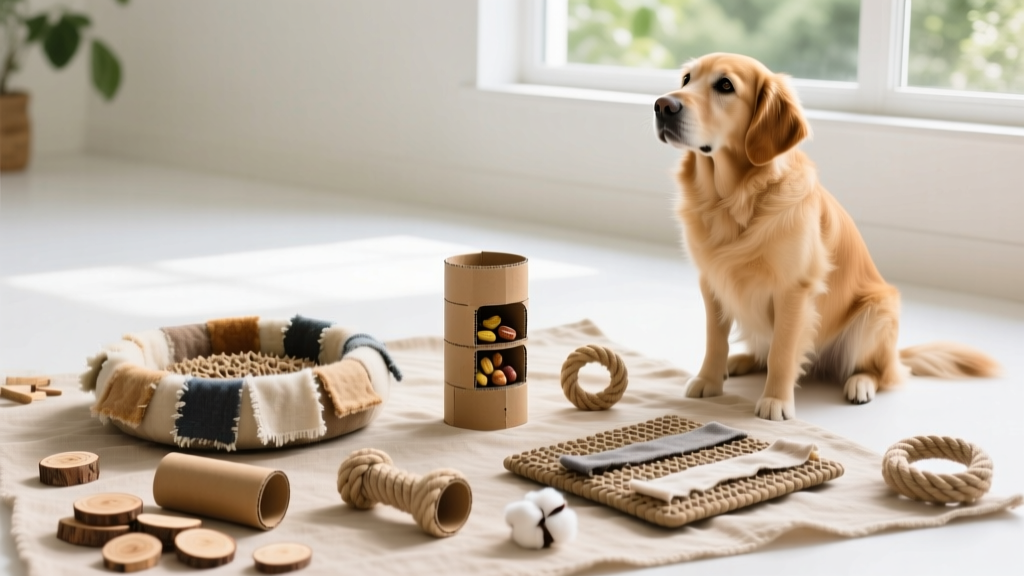
- Folded cotton blankets: Layer 2–3 tightly woven cotton blankets (avoid loose-knit throws that claws can snag on). Wash weekly. Cost: $0 if you already own them. Works well for medium-to-large crates where exact bed fit isn't critical.
- DIY pillow bed: Sew a cover from heavy-duty canvas or Cordura nylon (available at fabric stores for ~$12/yard), fill with shredded memory foam scraps (~$20 for a 5 lb bag from foam suppliers). Total cost: $30–$40 for a custom-sized, chew-resistant bed.
- Elevated cot from PVC pipe: Build a frame from 1-inch PVC pipe and fittings (~$15 at hardware stores), stretch Coolaroo shade cloth across and secure with bungee cords. Total cost: $25–$35. This is the same principle as a $100+ Kuranda cot.
- Yoga mat base: For small dogs in travel crates, a cut-to-size yoga mat provides grip, cushioning, and is waterproof. Cost: $8–$15 for a basic mat.
When DIY isn't enough: If your dog has diagnosed osteoarthritis, hip dysplasia, or intervertebral disc disease (IVDD), invest in a veterinary-recommended orthopedic bed. The foam density and pressure distribution of products like Big Barker or K9 Ballistics are difficult to replicate at home and genuinely matter for joint health.
When to Skip the Product and See Your Vet
A crate and bed setup solves comfort and management problems — not medical ones. Consult your veterinarian if you notice:
- Reluctance to lie down or frequent position changes in the crate — may indicate pain from arthritis, IVDD, or abdominal discomfort.
- Panting, pacing, or vocalizing in the crate that doesn't improve after 2–3 weeks of positive-reinforcement training — could signal separation anxiety that requires behavioral medication alongside training.
- Soiling the bed repeatedly despite adequate potty breaks — rule out urinary tract infection, Cushing's disease, or diabetes before assuming it's a training issue.
- Chewing and destroying beds compulsively — this may be pica (a condition where dogs eat non-food items) or a sign of under-stimulation that needs a veterinary behaviorist's assessment.
- Pressure sores or calluses on elbows, hocks, or hips — your vet can recommend specific therapeutic bedding and wound care.
Always consult your veterinarian before making decisions based on your dog's behavior or physical symptoms. Products reviewed here are comfort and management tools, not medical devices.
Frequently Asked Questions
What is the best dog crate with bed for large breeds?
For dogs over 70 lb (32 kg), the Impact Crate paired with a Big Barker 4-inch orthopedic pad offers the strongest combination of durability and joint support. The welded aluminum withstands powerful dogs, and the 10-year foam guarantee means the bed won't flatten under heavy weight. Budget alternative: a 42- or 48-inch Midwest iCrate with a separately purchased 3-inch memory foam bed from Furhaven.
How much does a dog crate with bed cost?
Expect to spend $45–$85 for a budget wire crate with a basic plush bed, $120–$240 for mid-range setups with orthopedic foam, and $280–$900 for premium combinations designed for escape artists or heavy-duty use. The bed typically accounts for 25–40% of the total cost.
Can I use a regular dog bed inside a crate?
You can, but most standard beds are too thick or too large. A bed designed for open-floor use often bunches up inside a crate, creating uneven surfaces and gaps where paws can get trapped. Crate-specific beds are cut to exact interior dimensions and are usually thinner to preserve headroom.
How often should I wash the crate bed cover?
Weekly at minimum, using hot water at 140°F (60°C) to kill dust mites and remove accumulated dander. Dogs with allergies or skin infections may need covers washed every 3–4 days. Always have a second cover on rotation so the bed isn't bare while one cover is in the wash.
Are there natural alternatives to buying a crate bed?
Yes. Layered cotton blankets, DIY canvas-and-foam beds, PVC-frame cots, and cut-to-size yoga mats all work as crate bedding. These alternatives cost $0–$40 compared to $25–$200 for commercial beds. However, dogs with diagnosed joint conditions benefit from the engineered foam density of purpose-built orthopedic beds.
Should I leave water in the crate with the bed?
For crating periods under 4 hours, water is unnecessary if your dog is hydrated beforehand. For longer periods or overnight, use a clip-on crate water bottle (like the Choco Nose nozzle, ~$12) rather than a bowl — bowls tip over and soak the bed. Never leave a water bowl with puppies under 6 months during unsupervised crating.
My dog keeps chewing the bed — what should I do?
First, rule out anxiety and boredom: ensure your dog gets adequate exercise (breed-appropriate minimums) and mental enrichment before crating. Provide a long-lasting chew (frozen Kong, Yak cheese chew) inside the crate. If chewing persists, switch to an elevated cot (Kuranda or PVC DIY) that eliminates chewable foam. If your dog is ingesting bed material, consult your veterinarian to rule out pica.
Sources: American Kennel Club — Crate Training Guide, AVMA — Crate Training Resources, Merck Veterinary Manual — House Training
Jonas Cole
All our authors care for dogs every day — read more of their work on the authors page.