Best Dog Boarding Kennel Picks: 2026 Buyer's Guide for Safe Stays
Find the best dog boarding kennel for your pup with our 2026 guide.
What to Look for in a Dog Boarding Kennel
Leaving your dog at a boarding facility is one of the most stressful decisions a pet owner faces. Whether you're traveling for work, vacation, or an emergency, the right dog boarding kennel can mean the difference between peace of mind and constant worry. But with thousands of facilities across the U.S. — ranging from basic concrete-run kennels to luxury pet resorts — how do you separate the genuinely excellent from the merely adequate?
After years of helping dog owners evaluate boarding options and working alongside veterinary professionals who see the aftermath of poor kennel experiences (kennel cough outbreaks, stress colitis, injury from improper handling), I've developed a clear framework for what actually matters. Here's what to prioritize.
How Dog Boarding Kennels Work (and Why Dogs Need Structure)
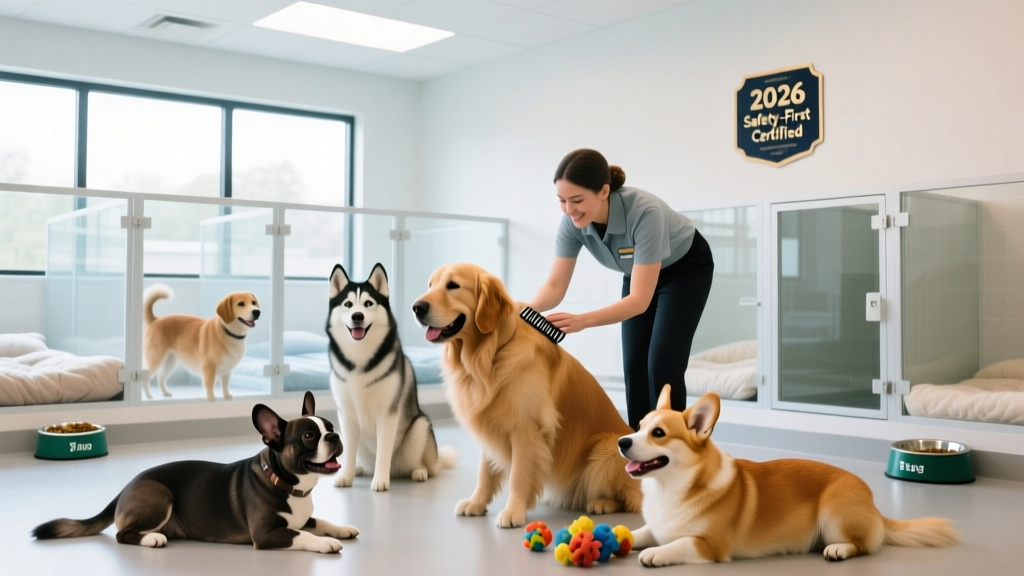
A boarding kennel provides temporary housing, feeding, exercise, and supervision for dogs while their owners are away. Modern facilities range from traditional kennel-style setups (individual runs with scheduled outdoor time) to open-concept cage-free environments where dogs socialize in groups.
According to the American Veterinary Medical Association (AVMA), dogs thrive in boarding environments that maintain consistent routines — regular feeding times, predictable exercise schedules, and familiar scents from home. The best kennels replicate your dog's daily rhythm as closely as possible, reducing cortisol spikes that lead to stress-related illness like diarrhea, appetite loss, and excessive barking.
Dogs with separation anxiety, resource guarding tendencies, or reactivity toward other dogs often do better in facilities offering private suites rather than group play. Always disclose behavioral issues upfront — a reputable kennel will adjust their handling protocol rather than turn your dog away.
Top 7 Dog Boarding Kennels & Alternatives Compared
The following picks represent a cross-section of the best boarding options available in 2026, including traditional kennels, luxury pet resorts, and modern alternatives. Pricing reflects national averages and will vary by region (urban areas typically cost 20-40% more).
1. Camp Bow Wow (National Chain)
Type: Cage-free group play with individual cabins
Price Range: $40-$65/night (overnight); $25-$38/day camp
Locations: 200+ across the U.S.
Key Features: All-day open play in large indoor/outdoor yards, live webcams accessible from your phone, individual sleeping cabins at night, optional one-on-one cuddle time add-ons ($12-$18/session).
- Webcam transparency builds trust
- Structured group play with temperament testing
- Consistent brand standards nationwide
- Good for social, high-energy dogs
- Not ideal for reactive or senior dogs
- Group play can stress shy temperaments
- Add-on fees accumulate quickly
- Staff turnover varies by franchise location
2. PetSuites (Luxury Pet Resort Chain)
Type: Private suites with webcam, spa services
Price Range: $55-$95/night (standard to premium suites)
Locations: 40+ locations, primarily Southeast and Midwest
Key Features: Glass-front private suites, elevated beds, flat-screen TVs playing calming content, optional bedtime stories read by staff, spa baths and blueberry facials, structured group or individual play options.
- Private suites reduce stress and disease transmission
- Excellent for anxious or older dogs
- Transparent webcam access
- Spa add-ons genuinely improve coat/skin health
- Premium pricing — 7-night stay can exceed $600
- Limited geographic availability
- Spa services are cosmetic, not medically necessary
3. Local Veterinary Boarding (Vet-Supervised)
Type: Traditional kennel with veterinary oversight
Price Range: $35-$60/night
Locations: Nationwide — many veterinary clinics offer boarding
Key Features: Direct veterinary supervision, ideal for dogs requiring medication administration, post-surgical monitoring, or those with chronic conditions. Individual runs with scheduled walks. Some clinics now offer "Fear Free" certified boarding environments.
- Immediate medical care if emergencies arise
- Best option for medically complex dogs
- Staff trained in animal health and handling
- Medication administration included in most cases
- Often more clinical/less stimulating environment
- Limited playtime compared to dedicated boarding facilities
- May trigger vet-visit anxiety in some dogs
- Typically no webcam access
4. Rover / Wag In-Home Boarding
Type: In-home pet sitting through marketplace platforms
Price Range: $30-$75/night depending on sitter and location
Locations: Nationwide (urban/suburban coverage strongest)
Key Features: Your dog stays in a sitter's home or the sitter stays in yours. Rover provides up to $25,000 in veterinary care reimbursement through their Rover Guarantee. Background-checked sitters with user reviews and photo updates.
- Home-like environment drastically reduces stress
- Individual attention — often the only dog
- Flexible scheduling and personalized routines
- Photo/text updates standard
- Quality varies enormously between sitters
- No regulatory oversight like licensed kennels
- Rover Guarantee has exclusions (read fine print)
- Emergency vet access depends on sitter's preparedness
5. The Pet Resorts (Regional Luxury)
Type: Boutique pet resort with themed suites
Price Range: $60-$120/night
Locations: Select metro areas (Dallas, Denver, Minneapolis, others)
Key Features: Themed private suites (beach cabin, mountain lodge), 24/7 on-site staff, indoor play areas with agility equipment, swimming pools at select locations, grooming and training add-ons, webcam access.
- Exceptional enrichment and stimulation
- 24/7 staffing means overnight supervision
- Themed suites reduce kennel-stress through environmental variety
- Swimming provides excellent low-impact exercise
- Highest price point in the market
- Limited to specific metro areas
- Themed amenities are largely aesthetic — dogs don't care about décor
- Waitlists common during holidays
6. Dogtopia (Daycare + Boarding Chain)
Type: Open-play daycare with overnight boarding
Price Range: $45-$70/night
Locations: 80+ locations across the U.S. and Canada
Key Features: Separated play areas by size and temperament, nap time enforced mid-day (reduces overstimulation), report cards sent to owners, optional training reinforcement during stay.
- Enforced nap time prevents overstimulation
- Size-separated play reduces injury risk
- Detailed daily report cards
- Good socialization for well-adjusted dogs
- Open play not suitable for all temperaments
- Can be noisy and overwhelming for sensitive dogs
- Premium add-ons increase cost significantly
7. Friends/Family or Pet Co-op (Informal)
Type: Informal arrangement with trusted people
Price Range: $0-$25/night (often reciprocal favors)
Locations: Wherever your network exists
Key Features: Your dog stays with someone they may already know, in a home environment. Lowest cost option with highest emotional comfort — if the arrangement works.
- Lowest cost or free
- Familiar people reduce dog anxiety
- Flexible, no rigid check-in/check-out times
- Personal investment in your dog's wellbeing
- No insurance or liability coverage
- Reliability depends on personal relationships
- Awkward if something goes wrong
- No professional training in dog handling
Side-by-Side Comparison
| Facility Type | Avg. Price/Night | Webcam | Vet On-Call | Best For | Accreditation |
|---|---|---|---|---|---|
| Camp Bow Wow | $40-$65 | ✓ Live | Partner vet | Social, active dogs | IBPSA member |
| PetSuites | $55-$95 | ✓ Live | Yes | Anxious/senior dogs | PCSA member |
| Vet-Supervised | $35-$60 | Rarely | In-house | Medically complex dogs | State veterinary board |
| Rover/Wag | $30-$75 | ✗ (photos) | Sitter's choice | Dogs needing 1-on-1 | Platform background check |
| The Pet Resorts | $60-$120 | ✓ Live | Yes | Luxury-seeking owners | IBPSA member |
| Dogtopia | $45-$70 | ✓ (select) | Partner vet | Daycare regulars | Corporate standards |
| Friends/Family | $0-$25 | ✗ | ✗ | Budget-conscious owners | None |
Safety Considerations and Red Flags
Walk Away If You See These Red Flags
- No vaccination verification: Any facility that doesn't require proof of DHPP, rabies, and Bordetella vaccines is a disease vector. The AKC notes that Bordetella (kennel cough) spreads rapidly in unvaccinated populations.
- Refuses facility tours: A reputable kennel welcomes unannounced visits during business hours. If they only allow scheduled tours, they may be hiding conditions.
- No temperament evaluation: Facilities that throw all dogs together without assessment risk fights, injuries, and extreme stress for vulnerable dogs.
- Strong ammonia odor: Indicates inadequate ventilation and sanitation — a respiratory disease risk.
- No written emergency protocol: Staff should be able to show you exactly what happens if your dog becomes ill, including which veterinary clinic they partner with and how they'll contact you.
- Staff can't answer basic questions: If front-desk employees don't know staff-to-dog ratios, feeding schedules, or vaccination requirements, management is inadequate.
Health risks to discuss with your veterinarian before boarding: Dogs with compromised immune systems, uncontrolled epilepsy, severe separation anxiety, or brachycephalic breeds (French Bulldogs, Pugs, Bulldogs) with brachycephalic obstructive airway syndrome (BOAS) face elevated boarding risks. Brachycephalic dogs are particularly vulnerable to heat stress and respiratory distress in poorly ventilated kennels. Always consult your veterinarian before boarding a dog with any chronic condition.
How to Prepare Your Dog for a Boarding Stay: Step by Step
Pre-Boarding Checklist (Start 4-6 Weeks Before Drop-Off)
- Update vaccinations (4-6 weeks prior): Bordetella vaccine takes 48-72 hours to become effective after intranasal administration, or 1-2 weeks after injectable. Schedule boosters early. Most kennels require proof within 6-12 months.
- Conduct a trial day (2-3 weeks prior): Book a single day of daycare at the facility. Observe your dog's behavior at pickup — excessive panting, trembling, or refusal to eat suggests the environment is too stressful.
- Prepare a comfort kit (1 week prior): Pack your dog's regular food (measured portions in labeled bags), a worn t-shirt with your scent, their favorite chew toy, and any medications with written dosage instructions.
- Write detailed care instructions: Include feeding amounts and times, known triggers (doorbells, men in hats, other male dogs), comfort strategies, and emergency vet authorization with your clinic's phone number.
- Exercise before drop-off: A 45-60 minute walk or play session the morning of drop-off reduces anxiety. A tired dog settles faster.
- Keep goodbyes brief: Prolonged emotional farewells increase your dog's anxiety. Stay calm, hand off the leash, and leave. Your dog will read your emotional state.
- Post-boarding decompression: Expect your dog to sleep heavily for 24-48 hours after returning home. This is normal "boarding hangover." Resume regular routines immediately — consistent meal times and walks help them readjust.
When to Skip Boarding and See the Vet Instead
Boarding is not appropriate for every dog in every situation. The following scenarios require veterinary consultation rather than kennel placement:
- Active illness: Any dog with vomiting, diarrhea, coughing, or fever within 72 hours of boarding should see a vet first. Most facilities will refuse admission and you risk exposing other dogs.
- Uncontrolled chronic conditions: Dogs with unstable diabetes, unmanaged Cushing's disease, or active cancer treatment need veterinary boarding or in-home veterinary-supervised sitting — not standard kennels.
- Severe behavioral issues: Dogs with documented bite histories, extreme fear aggression, or self-injurious kennel behavior (breaking teeth on bars, repetitive spinning to the point of injury) need behavioral veterinary consultation. A board-certified veterinary behaviorist can recommend appropriate care arrangements.
- Post-surgical recovery: Dogs within 14 days of surgery need restricted activity and wound monitoring that standard boarding staff typically cannot provide.
- Very young puppies: Puppies under 16 weeks have incomplete vaccination series and immature immune systems. Boarding exposes them to parvovirus and distemper risk that outweighs convenience.
In these cases, ask your veterinarian about veterinary-supervised boarding (many clinics offer this), certified in-home veterinary pet sitters, or veterinary house-call services in your area.
Pricing Breakdown: What Boarding Actually Costs
Budget realistically for boarding. Here's what a typical 7-night stay costs in 2026, including common add-ons:
| Expense | Budget Option | Mid-Range | Premium |
|---|---|---|---|
| Base boarding (7 nights) | $210-$280 | $315-$455 | $420-$840 |
| Vaccination updates (if needed) | $40-$80 | $40-$80 | $40-$80 |
| Temperament test/trial day | $25-$38 | $25-$38 | $25-$38 |
| Medication administration | $0-$5/day | $5-$10/day | Included-$8/day |
| Extra play/cuddle time | N/A | $10-$18/session | $15-$25/session |
| Total (7-night stay) | $275-$400 | $395-$600 | $500-$990 |
Where to book: Most national chains (Camp Bow Wow, Dogtopia, PetSuites) allow online booking through their websites. Independent facilities often require phone booking. Rover and Wag bookings happen exclusively through their apps. Book at least 4-6 weeks ahead for holidays — Thanksgiving, Christmas, and summer weeks fill fastest.
Natural Alternatives to Traditional Boarding
If kennel boarding doesn't suit your dog's temperament or your budget, consider these alternatives:
- In-home pet sitting: A professional sitter stays in your home, maintaining your dog's environment entirely. Costs $50-$100/night but eliminates kennel stress completely. Look for sitters certified through Pet Sitters International (PSI) or the National Association of Professional Pet Sitters (NAPPS).
- Pet co-ops: Groups of dog owners in the same neighborhood rotate hosting each other's dogs. Zero cost, maximum familiarity — but requires trust and coordination among members.
- House-sitting exchanges: Platforms like TrustedHousesitters connect homeowners with vetted sitters who stay for free in exchange for accommodation. You provide the home; they provide pet care.
- Family rotation: For frequent travelers, establishing a rotation among willing family members creates consistency for your dog while distributing the caregiving burden.
- Bring your dog: An increasing number of hotels, Airbnbs, and vacation rentals accept dogs for $25-$75/night pet fees. If your destination allows it, traveling together eliminates boarding entirely.
Frequently Asked Questions
What is the best dog boarding kennel for anxious dogs?
For dogs with separation anxiety or noise sensitivity, private-suite facilities like PetSuites or veterinary-supervised boarding provide the quietest environments. Avoid open-play group boarding like Camp Bow Wow or Dogtopia, as constant stimulation elevates cortisol. Ask specifically about soundproofing, individual climate control, and whether staff use calming techniques recommended by the ASPCA such as Adaptil pheromone diffusers.
How much does dog boarding cost per night?
National averages in 2026 range from $30/night (basic in-home sitting via Rover in lower-cost regions) to $120/night (luxury pet resort suites in major metros). The most common price point for standard kennel boarding is $40-$65/night. Budget an additional 15-25% for add-ons like medication administration, extra play sessions, or grooming.
How do I choose the right boarding kennel for my dog?
Match the facility to your dog's temperament, not the marketing photos. Social, high-energy dogs thrive in group-play environments. Shy, senior, or medically complex dogs need private suites or veterinary boarding. Always visit unannounced, ask to see where your dog will sleep and exercise, verify vaccination requirements, and request their written emergency protocol. Trust your instincts — if something feels off, keep looking.
Can I board my dog if they're not fully vaccinated?
No reputable facility will accept an under-vaccinated dog, and for good reason. Puppies under 16 weeks, dogs with expired vaccines, or those with vaccine exemptions pose a disease risk to all animals in the facility. If your dog cannot be vaccinated due to medical reasons (documented by your veterinarian), explore in-home pet sitting instead.
Will my dog be traumatized by boarding?
Most dogs adapt within 24-48 hours, especially at well-run facilities with structured routines. Signs of boarding stress include appetite suppression (typically resolves by day 2), increased sleeping, and clingy behavior when you return — all of which are normal and temporary. True trauma (excessive panting, aggression, regression in house training lasting more than 2 weeks) is rare and warrants a veterinary behavioral consultation.
How early should I book a dog boarding kennel?
For regular weekday travel, 2-3 weeks ahead is usually sufficient. For holidays (Thanksgiving through New Year's, Memorial Day weekend, Fourth of July), book 6-8 weeks in advance. Premium facilities in popular vacation destinations may require 3-4 months' notice for peak summer weeks.
Robin Maitland
All our authors care for dogs every day — read more of their work on the authors page.