DIY Dog Enrichment: Homemade Puzzle Toys and Snuffle Mats
Discover budget-friendly DIY dog enrichment ideas. Learn how to make homemade snuffle mats and puzzle toys to keep your pup mentally stimulated daily.
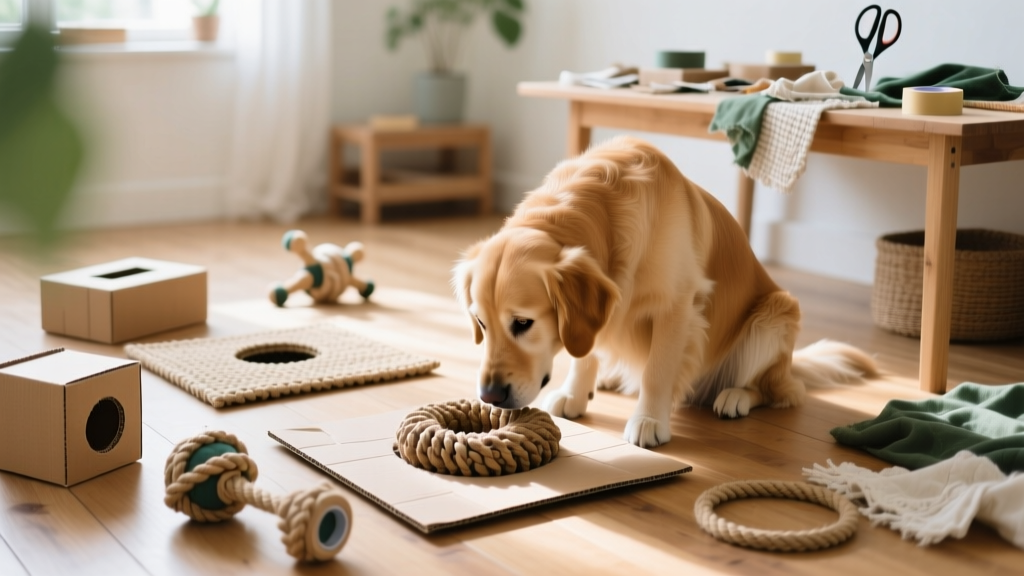
DIY dog food puzzles are homemade enrichment toys created from everyday household items like cardboard boxes, towels, and muffin tins that hide kibble, forcing dogs to use problem-solving skills to extract the food. This guide is specifically designed for dog owners, foster volunteers, and pet parents seeking budget-friendly mental stimulation for high-energy or food-motivated dogs. Building your own diy dog puzzles costs an average of $2.50 per toy and takes under 15 minutes to assemble. Unlike passive feeding, these homemade puzzles engage a dog's natural foraging instincts, reducing destructive behaviors born from boredom. Below, you will find step-by-step instructions for three effective puzzles, a safety checklist, and a comparison matrix to help you decide between homemade and commercial options.
Key Takeaways
- Homemade puzzles cost roughly $2.50 to make and take 15 minutes to assemble.
- Mental enrichment increases mealtime duration by up to 300% compared to standard bowls.
- Always supervise your dog and use treats larger than 1.5 inches in diameter to prevent choking.
- Limit puzzle rewards to 300 calories per day to maintain a healthy weight.
Understanding Canine Enrichment and Foraging
To build effective diy dog food puzzles, it helps to understand the behavioral science behind them. The American Kennel Club notes that mental stimulation is just as critical as physical exercise for preventing anxiety and destructive habits in domestic dogs.
Core Definitions
Canine Enrichment: Canine enrichment refers to the practice of enhancing a dog's environment to encourage natural behaviors, stimulate their brain, and improve overall welfare. This includes sensory, physical, and cognitive activities that prevent boredom and reduce stress-related behavioral issues in domestic dogs.
Foraging Instinct: The foraging instinct is an innate evolutionary drive in dogs to search, hunt, and work for their food rather than eating it passively from a bowl. Satisfying this drive through scent work and problem-solving lowers cortisol levels and promotes deep psychological satisfaction.
Top 3 Homemade Dog Enrichment Puzzles
These three designs utilize common household items and require no specialized tools. According to The Humane Society of the United States, rotating different puzzle types keeps dogs engaged and prevents them from solving the toy too quickly through repetitive memorization.
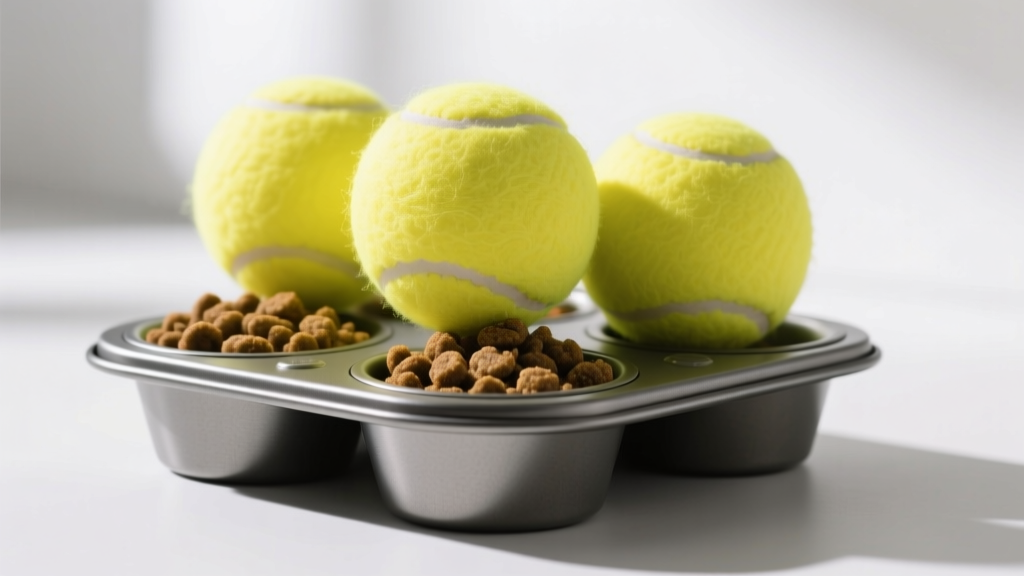
1. The Muffin Tin Shell Game
This puzzle leverages a dog's sense of smell and basic object permanence. Place high-value treats in the cups of a standard 12-cup metal muffin tin. Cover each treat with a tennis ball or a tightly crumpled piece of paper. Your dog must use their nose to locate the food and their paws or snout to displace the obstacles. This setup takes exactly 2 minutes to prepare and provides excellent introductory cognitive work for puppies and senior dogs alike.
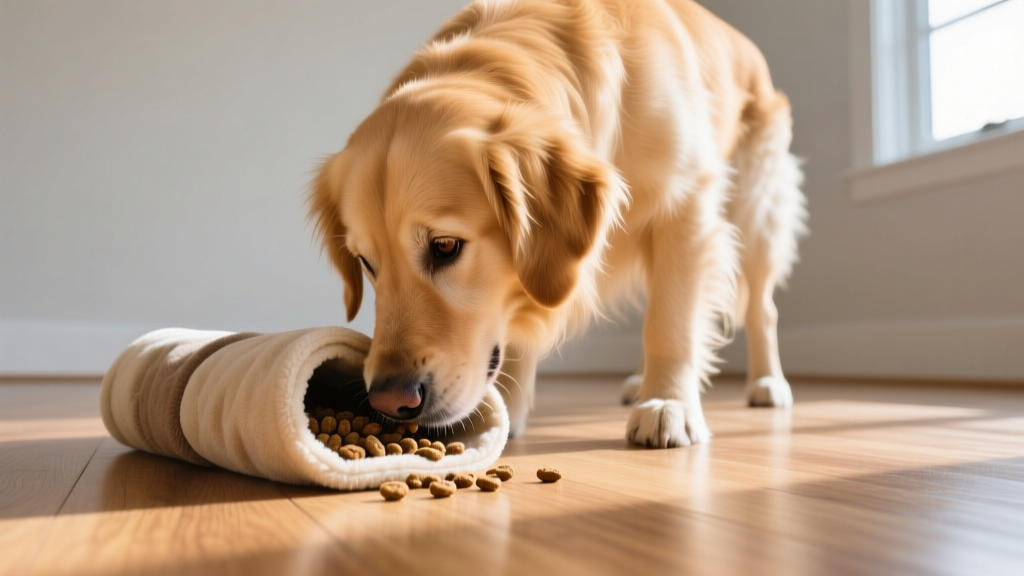
2. The Snuffle Towel Roll
Lay a clean, medium-sized fleece towel flat on the ground. Evenly distribute a half-cup of dry kibble across the surface. Tightly roll the towel into a cylinder, then tie it into a loose knot if your dog is an advanced solver. The dog must unroll and nudge the fabric folds to access the food. Fleece is highly recommended because it does not fray easily, reducing the risk of intestinal blockages if small fibers are accidentally ingested.
3. The Cardboard Foraging Box
Take a clean shoe box and fill it with safe, shreddable materials like crumpled paper towels or empty toilet paper rolls. Hide dry treats deep within the layers. Close the lid loosely or leave it open depending on your dog's experience level. This puzzle satisfies the natural urge to dig and shred, redirecting destructive chewing away from household furniture. Always remove the box once the treats are gone to prevent the dog from eating the cardboard.
DIY vs. Store-Bought Dog Puzzles
Choosing between homemade dog enrichment puzzles and commercial products depends on your budget, your dog's chewing style, and the level of difficulty required. Use the comparison table below to evaluate your options.
| Feature | DIY Dog Puzzles | Store-Bought Puzzles |
|---|---|---|
| Average Cost | $0.00 to $2.50 | $15.00 to $45.00 |
| Durability | Low (Single-use or short-term) | High (Hard plastics and rubber) |
| Customization | High (Adjust difficulty instantly) | Low (Fixed mechanisms) |
| Hygiene | High (Use fresh materials each time) | Moderate (Requires regular washing) |
Safety Checklist for Homemade Dog Toys
While DIY projects are cost-effective, they introduce unique risks if not managed properly. Follow this checklist before handing any homemade toy to your pet:
- Supervision: Never leave a dog unattended with cardboard, fabric, or small plastic items.
- Size Appropriateness: Ensure all hidden treats and puzzle components are larger than 1.5 inches in diameter to prevent choking.
- Material Toxicity: Avoid using boxes that previously held cleaning chemicals, foods toxic to dogs (like grapes or xylitol), or heavily inked paper.
- Caloric Tracking: Limit puzzle rewards to a maximum of 300 calories per day to prevent obesity, adjusting their main meal portions accordingly.
Frequently Asked Questions
How do I make a homemade puzzle for a heavy chewer?
For heavy chewers, avoid cardboard and fabric. Instead, use a heavy-duty PVC pipe with drilled holes and sealed ends. Fill it with kibble so the dog must roll the pipe across the floor to dispense the food. Sand down all edges to prevent mouth injuries.
What can I use instead of a commercial Kong toy?
A hollowed-out, sterilized beef marrow bone or a tightly rolled towel secured with natural twine can serve as excellent alternatives for stuffing with peanut butter or wet food. Always ensure the bone is raw, as cooked bones can splinter and cause internal damage.
Are food puzzles good for dogs with separation anxiety?
Yes. Food puzzles provide a high-value distraction that can help desensitize dogs to your departure. Offering a complex puzzle right before you leave creates a positive association with alone time and keeps their brain occupied during the peak anxiety window.
Conclusion and Next Steps
Building diy dog food puzzles is a highly effective, scientifically backed method to improve your dog's cognitive health and reduce behavioral issues without spending a fortune on commercial toys. By leveraging household items, you can provide endless mental stimulation tailored to your dog's specific skill level. To begin, gather a standard muffin tin, three tennis balls, and a half-cup of kibble to build your first shell game puzzle today.
jonas-cole
All our authors care for dogs every day — read more of their work on the authors page.