Can a Dog Get Fixed While in Heat? The Complete Spay...
Can a dog get fixed while in heat? Learn the risks, ideal spay timing by life stage, costs, recovery tips, and how age and breed size affect the decision.

If your unspayed female dog just started her heat cycle and you're wondering whether she can still be spayed right now, you're not alone. The short answer is yes, a dog can get fixed while in heat — but most veterinarians prefer to wait. The procedure becomes more complex, more expensive, and carries higher surgical risk when the reproductive tract is engorged with blood. This guide breaks down exactly what you need to know about spaying during heat, ideal timing windows by life stage, and how to manage your dog's reproductive health from adolescence through her senior years.
Understanding the Heat Cycle: Why Timing Matters for Spaying
A female dog's estrous cycle consists of four stages: proestrus, estrus, diestrus, and anestrus. During proestrus (lasting 7–10 days on average), the vulva swells and a bloody discharge appears. During estrus (5–14 days), the female is receptive to males and ovulation occurs. The entire heat cycle typically lasts 2–4 weeks, though this varies by breed and individual.
During heat, blood flow to the uterus and ovaries increases dramatically. The uterine tissue becomes friable (easily torn), and the ovarian blood vessels are engorged. This means:
- Increased bleeding risk: The surgeon must ligate (tie off) blood vessels that are larger and more fragile than usual
- Longer surgical time: The procedure may take 30–50% longer than a routine ovariohysterectomy
- Higher complication rates: Studies published in the Journal of the American Veterinary Medical Association (JAVMA) show elevated intraoperative hemorrhage risk
- Increased cost: Most clinics charge a "heat surcharge" of $150–$400 due to the additional time, suture material, and monitoring required
According to the Merck Veterinary Manual, small-breed dogs may cycle as frequently as every 4–5 months, while giant breeds may only cycle once every 12–18 months. This frequency affects your scheduling window.
Can a Dog Get Fixed While in Heat? What the Evidence Shows
Yes, the surgery is technically possible and is performed routinely in shelter medicine and emergency situations. However, the decision depends on your dog's specific circumstances:
| Scenario | Vet Recommendation | Typical Cost Range |
|---|---|---|
| Routine spay, not in heat | Ideal timing — standard procedure | $200–$600 |
| Early proestrus (first 1–3 days of heat) | Some vets will proceed; moderate risk increase | $350–$800 |
| Mid-heat (estrus, actively receptive) | Most vets prefer to wait; higher bleeding risk | $400–$1,000 |
| Post-heat (diestrus, within 4 weeks) | Uterus may still be enlarged; moderate risk | $300–$750 |
| Emergency (pyometra, open cervix infection) | Immediate surgery required regardless of cycle stage | $1,500–$5,000+ |
| Ideal window (8–12 weeks post-heat) | Uterus and vessels returned to normal size | $200–$600 |
The American Veterinary Medical Association (AVMA) supports spaying as a core component of responsible pet ownership and notes that the timing decision should be made between the owner and veterinarian based on breed, age, and health status.
Spay Timing by Life Stage: Adolescent, Adult, and Senior Dogs
The question of when to spay intersects directly with your dog's life stage. Each stage carries different considerations for surgical risk, recovery, and long-term health outcomes.
Adolescent Dogs (6–18 months)
This is the most common life stage for elective spaying. However, the ideal age has shifted in recent years based on emerging research:
- Small breeds (under 25 lb / 11 kg): Can typically be spayed at 6 months. They reach skeletal maturity earlier, and early spaying does not appear to increase orthopedic risk
- Medium breeds (25–50 lb / 11–23 kg): Spaying at 6–9 months is common; some vets recommend waiting until after the first heat if it occurs before 7 months
- Large breeds (50–90 lb / 23–41 kg): Research from UC Davis suggests waiting until 12–18 months to reduce risks of hip dysplasia, cranial cruciate ligament (CCL) tears, and certain cancers
- Giant breeds (over 90 lb / 41 kg): Many veterinarians now recommend delaying spay until 18–24 months to allow full growth plate closure
If your adolescent dog goes into heat before her scheduled spay, you'll likely need to reschedule 8–12 weeks out. During this waiting period, strict confinement away from intact males is essential — a female in heat can attract males from over a mile away.
Adult Dogs (1–7 years, depending on breed size)
Spaying an adult dog is straightforward when she's between heat cycles. If she's currently in heat, the same waiting period applies. Adult dogs typically recover faster than seniors and have fewer anesthesia-related complications. The primary concern in this stage is managing unwanted pregnancy risk during the waiting period.
Senior Dogs (Age Thresholds Vary by Size)
This is where the decision becomes more nuanced. Senior dogs may need spaying for medical reasons — particularly pyometra (a life-threatening uterine infection) or mammary tumors. In these cases, surgery proceeds regardless of heat cycle status because the alternative is far more dangerous.
- Small breeds (Chihuahuas, Toy Poodles, Dachshunds): 10–12 years
- Medium breeds (Beagles, Cocker Spaniels, Border Collies): 8–10 years
- Large breeds (Labradors, German Shepherds, Golden Retrievers): 6–8 years
- Giant breeds (Great Danes, Saint Bernards, Mastiffs): 5–6 years
Physical and Behavioral Changes After Spaying Across Life Stages
Spaying triggers hormonal shifts that manifest differently depending on when in your dog's life the procedure occurs.
Coat and Weight Changes
After spaying, many dogs experience a decrease in metabolic rate of approximately 20–30%. This is a significant physiological change that requires immediate dietary adjustment:
| Life Stage at Spay | Caloric Adjustment | Coat Changes | Activity Impact |
|---|---|---|---|
| Adolescent (6–18 mo) | Reduce intake by 15–20% post-recovery | Puppy coat may transition normally; some breeds develop softer texture | Minimal behavioral change; energy remains high |
| Adult (2–7 yr) | Reduce intake by 20–25%; switch to weight-management formula if needed | Some double-coated breeds develop "spay coat" — softer, denser undercoat | Slight decrease in roaming urge; baseline energy similar |
| Senior (7+ yr) | Monitor closely; senior formulas already lower-calorie | Existing coat thinning may continue; not spay-specific | Recovery takes longer; 14–21 day restricted activity recommended |
Behavioral Shifts to Expect
Spaying eliminates heat-related behaviors: no more flagging (tail-raising posture), vocalizing, restlessness during heat, or attracting male dogs. However, spaying does not fundamentally change your dog's personality. Fear-based reactivity, resource guarding, and learned behaviors remain and should be addressed through positive reinforcement training with a certified professional.
In some cases, spaying can slightly increase fear-based behaviors in already-anxious dogs, particularly if performed before behavioral maturity (around 18–24 months in large breeds). This is another reason the timing conversation with your veterinarian matters.
Health Screening Recommendations Before and After Spaying
Regardless of life stage, your vet will recommend pre-surgical bloodwork to assess organ function and anesthesia safety. Here's what to expect:
- Complete Blood Count (CBC): Checks for anemia, infection, and platelet count — essential for assessing bleeding risk, especially during heat ($80–$150)
- Blood Chemistry Panel: Evaluates liver and kidney function to ensure safe anesthesia processing ($100–$200)
- Heartworm test: Required by most clinics before anesthesia; positive dogs need treatment before elective surgery ($35–$75)
- Urinalysis: Screens for urinary tract infection that could complicate recovery ($25–$50)
- Coagulation profile: Especially important if spaying during heat or if breed is predisposed to clotting disorders (e.g., Dobermans with von Willebrand disease) ($80–$150)
For senior dogs, add an ECG or cardiac evaluation ($50–$200) and consider chest radiographs ($150–$350) to rule out heart disease or metastatic disease before surgery.
Post-Spay Health Monitoring by Life Stage
After spaying, long-term health screening should include:
- Annual thyroid panel: Spayed dogs have slightly higher hypothyroidism risk; baseline at 1 year post-spay, then every 2–3 years
- Body condition scoring: Monitor at every vet visit; target BCS of 4–5 on the 9-point scale
- Orthopedic screening: For dogs spayed before skeletal maturity, annual hip and stifle evaluations through age 3
- Urinary incontinence screening: Affects 5–20% of spayed females (most common in large breeds); report any leaking during sleep
Common Health Problems Related to Spay Timing
The decision of when to spay — and whether to spay during heat — connects to several health conditions that vary by life stage:
Pyometra: The Emergency That Makes Spay Timing Critical
Pyometra is a bacterial infection of the uterus that typically develops 4–8 weeks after a heat cycle. It affects approximately 23–24% of intact female dogs before age 10, according to studies cited in the Merck Veterinary Manual. Symptoms include:
- Excessive thirst and urination
- Lethargy and loss of appetite
- Vaginal discharge (in open-cervix pyometra)
- Distended abdomen
- Vomiting and collapse (in closed-cervix pyometra — a surgical emergency)
Mammary Tumors
Spaying before the first heat cycle reduces mammary tumor risk to approximately 0.5%. After one heat, the risk rises to 8%. After two or more heats, the risk reaches 26%. Approximately 50% of canine mammary tumors are malignant. This data supports early spaying for dogs not intended for responsible, health-tested breeding programs.
Orthopedic Concerns in Early-Spayed Large Breeds
Research from UC Davis (Hart et al., 2020) found that spaying Golden Retrievers before 12 months increased the incidence of CCL tears from 2% to 8% and hip dysplasia from 3% to 6%. Similar patterns were observed in German Shepherds and Labrador Retrievers. This is why breed-size-specific timing matters.
Home Environment and Recovery Adjustments by Life Stage
Post-spay recovery requires different environmental setups depending on your dog's age and size.
Adolescent Dogs: The Escape Artists
Young dogs are the most likely to rupture their incision through excessive activity. Recovery essentials:
- Crate or small-room confinement for 10–14 days
- Leash-only bathroom breaks — no off-leash yard time
- Elizabethan collar or recovery suit (recovery suits cost $20–$45 and are often better tolerated than cones)
- Remove access to furniture with jump-down risks for 14 days
Adult Dogs: The Cooperative Patients
Most adult dogs tolerate activity restriction well. Standard 10–14 day recovery protocol with daily incision checks. Monitor for seroma (fluid swelling) at the incision site, which occurs in approximately 5–8% of spays and usually resolves without intervention.
Senior Dogs: The Delicate Recovery
Senior dogs need extended recovery protocols and additional home modifications:
- Orthopedic bedding: Memory foam beds (K9 Ballistics or Big Barker, $120–$280) to prevent pressure sores during extended rest
- Non-slip surfaces: Yoga mats or rubber-backed rugs over hardwood floors to prevent falls on weakened legs
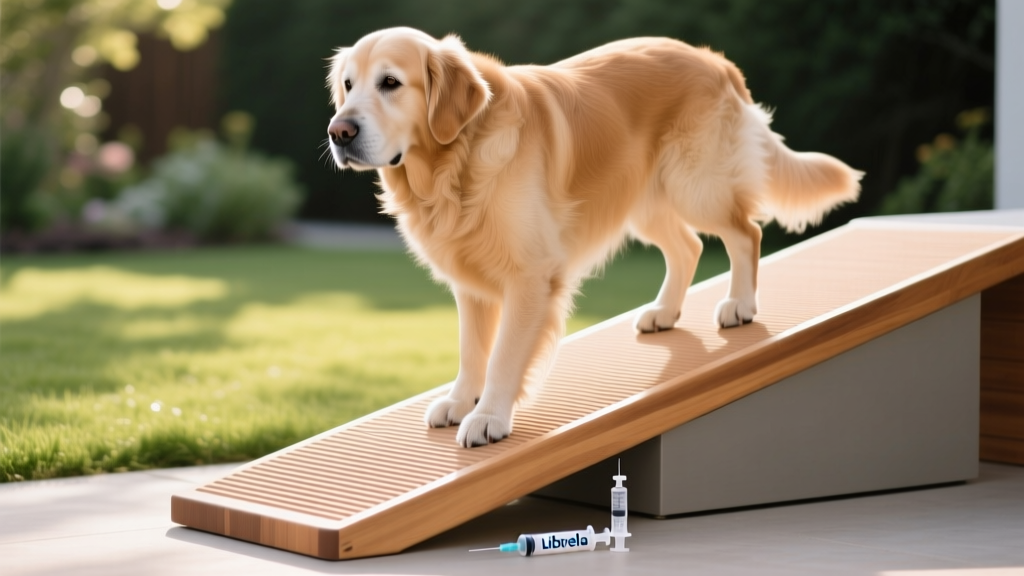
- Ramps or steps: For any furniture access post-recovery; Look for ramps rated for your dog's weight with a gentle incline (PetSafe Solvit, $35–$130)
- Elevated food and water bowls: Reduce neck and back strain during the healing period
- Temperature control: Senior dogs regulate body temperature poorly; maintain ambient temperature at 68–72°F (20–22°C)
- Extended recovery timeline: Expect 14–21 days of restricted activity versus the standard 10–14 days
Nutritional Adjustments After Spaying
Post-spay nutrition is one of the most overlooked aspects of recovery and long-term health. Here's how to adjust by life stage:
| Factor | Adolescent (6–18 mo) | Adult (2–7 yr) | Senior (7+ yr) |
|---|---|---|---|
| Immediate post-op (days 1–3) | Offer 50% normal meal evening of surgery; resume full meals next day if no vomiting | Same protocol; bland diet (boiled chicken + rice) if nauseated | Smaller, more frequent meals; warm food to encourage appetite |
| Weeks 1–4 post-spay | Continue puppy formula if under 12 months; do not reduce calories during growth | Reduce daily calories by 10–15% immediately; activity is lower | Maintain current senior diet; monitor weight weekly |
| Long-term (1–6 months post) | Transition to adult food at breed-appropriate age; reduce portions 15–20% | Switch to weight-management or spayed/neutered formula; target 22–25% protein, 10–15% fat | Joint-support formula with glucosamine/chondroitin; omega-3 fatty acids for inflammation |
| Key supplements | DHA for brain development if under 12 months | Probiotics for gut health; fish oil for coat | Glucosamine (500–1,000 mg/day for medium dogs); MSM; green-lipped mussel |
Always look for an AAFCO statement of complete and balanced nutrition on any commercial food. If you're considering a homemade diet post-spay, consult a board-certified veterinary nutritionist (find one at ACVN.org) to ensure nutritional completeness.
Exercise Modifications After Spaying and Through Each Life Stage
Recovery exercise restrictions are just the beginning. Your dog's exercise needs will evolve as she ages post-spay:
Post-Spay Recovery Exercise (All Ages)
- Days 1–3: Bathroom breaks only, leash-controlled, 3–5 minutes per outing
- Days 4–7: Short leash walks, 10–15 minutes, flat terrain only
- Days 8–14: Gradual increase to 20-minute walks; still no running, jumping, or rough play
- Day 14+ (after vet clearance): Gradual return to normal activity over 5–7 days
Long-Term Exercise by Life Stage
Adolescent dogs (post-recovery): Resume age-appropriate exercise — typically 5 minutes per month of age, twice daily. Avoid repetitive high-impact activities (agility, flyball) until growth plates close (12–18 months for large breeds).
Adult dogs: Maintain 30–60 minutes of daily exercise. Post-spay weight gain is the most common reason for decreased activity — adjust calories rather than exercise to manage weight.
Senior dogs: Shift to lower-impact activities — swimming, short sniff walks, gentle hiking on soft terrain. Aim for 20–40 minutes daily, split into two or three shorter sessions. Watch for lagging behind, reluctance to climb stairs, or stiffness after rest as signs to reduce intensity.
Quality of Life Assessment for Senior Spayed Dogs
If your dog was spayed later in life or has aged into her senior years post-spay, monitoring quality of life becomes essential. The HMMHHHHMM Scale (adapted from Dr. Alice Villalobos' HHHHHMM scale) provides a structured framework:
- Hurt: Is pain well-managed? Can she rest comfortably? (Target: 7+ with medication)
- Hunger: Is she eating enough? Does she show interest in food? (Target: 7+)
- Hydration: Is she drinking adequately? Any excessive thirst indicating kidney or endocrine issues? (Target: 7+)
- Hygiene: Can she keep herself clean? Is she soiling herself? (Target: 7+)
- Happiness: Does she greet you? Show interest in walks, toys, family? (Target: 7+)
- Mobility: Can she rise without assistance? Navigate stairs? (Target: 5+ with accommodations)
- More good days than bad: Track daily — when bad days outnumber good, it's time for a veterinary hospice conversation (Target: consistently yes)
Total score above 35: Quality of life is generally acceptable. Below 35: Schedule a quality-of-life consultation with your veterinarian to discuss pain management adjustments or end-of-life planning.
This is emotionally difficult territory. Caring for a senior dog — especially one recovering from a late-life spay due to pyometra or other reproductive emergency — takes a toll on owners. It's normal to feel overwhelmed. Lean on your veterinary team, consider veterinary hospice services, and connect with support communities. Your vet can provide referral to a veterinary hospice specialist if needed.
Frequently Asked Questions
Can a dog get fixed while in heat without extra risk?
No — there is always increased risk compared to spaying during anestrus (the resting phase). The engorged blood vessels and friable tissue mean higher bleeding risk and longer surgical time. However, the surgery is still safe in experienced hands, and the risk must be weighed against the danger of unwanted pregnancy or pyometra.
How long after heat can I get my dog spayed?
The ideal window is 8–12 weeks after the heat cycle ends. By this point, the uterus has returned to its normal size, blood vessels have regressed, and surgical risk matches that of a routine spay. Mark your calendar when you first notice heat signs so you can schedule proactively.
Will my vet refuse to spay a dog in heat?
Some veterinarians will decline to perform elective spays during heat due to the increased risk. Others will proceed but charge a heat surcharge. Emergency situations (pyometra, severe infection) are never refused. Call your clinic in advance to ask about their policy rather than arriving on the day of surgery.
Can a dog get pregnant during her first heat?
Yes. A female dog is fertile during her first heat cycle, which can occur as early as 6 months in small breeds. If your puppy goes into heat before her scheduled spay, keep her completely separated from intact males — including through fences and on-leash walks — until she can be spayed.
Is spaying a senior dog safe?
With proper pre-surgical screening (bloodwork, cardiac evaluation, urinalysis), senior dogs can be safely spayed. The risk of not spaying — particularly pyometra, which affects nearly 25% of intact females by age 10 — often outweighs the surgical risk. Your veterinarian will assess your individual dog's health status before recommending surgery.
How much does it cost to spay a dog in heat?
Expect to pay $350–$1,000 for a spay during heat, compared to $200–$600 for a routine spay. The surcharge reflects additional surgical time, suture materials, and monitoring. Low-cost spay clinics may not accept dogs in heat, so confirm before scheduling. Emergency pyometra surgery costs $1,500–$5,000+, making elective spay the more economical choice.
What should I do if my dog was accidentally bred during heat?
Contact your veterinarian immediately. Options include spaying during pregnancy (called a spay-abort, performed at the vet's discretion), or allowing the pregnancy to proceed with appropriate prenatal care. Do not attempt to use over-the-counter or home remedies to terminate a canine pregnancy — these can be dangerous and are not effective. Your veterinarian will discuss all options and associated costs.
Regardless of where your dog is in her life cycle, the decision about spay timing should always be made in partnership with your veterinarian. Breed, size, age, health history, and lifestyle all factor into the recommendation. Schedule a pre-spay consultation to discuss your dog's specific needs — and if she's currently in heat, start tracking her cycle dates now so you can book the ideal appointment window.
Beth Carrasco
All our authors care for dogs every day — read more of their work on the authors page.