Best Winter Dog Coats for Cold Weather Walks (2026 Buyer's Guide)
Compare the best winter dog coats for 2026 with expert buying criteria, pricing, safety tips, and breed-specific fit guidance for cold weather walks.

If you've ever watched your Chihuahua shake uncontrollably at the back door in January, you already know some dogs need an extra layer. But not every dog needs a winter dog coat — and picking the wrong one can cause chafing, overheating, or restricted movement. After testing dozens of options and consulting with veterinary rehabilitation specialists, I've put together this guide to help you find a coat that actually works for your dog's body type, climate, and activity level.
Does Your Dog Actually Need a Winter Coat?
Not every dog benefits from outerwear. According to the American Kennel Club, dogs most likely to need a winter dog coat fall into specific categories based on coat type, body composition, size, and health status:
- Short-haired or hairless breeds: Greyhounds, Whippets, Chinese Cresteds, American Hairless Terriers, and Boxers lack the insulating undercoat that breeds like Huskies and Malamutes rely on.
- Small and toy breeds: Dogs under 20 lb (9 kg) — Chihuahuas, Toy Poodles, Dachshunds, Italian Greyhounds — have a higher surface-area-to-volume ratio, meaning they lose body heat faster.
- Senior dogs and puppies: Older dogs with arthritis or reduced muscle mass generate less body heat. Puppies under 6 months haven't fully developed thermoregulation.
- Dogs with health conditions: Hypothyroidism, Cushing's disease, and kidney disease can impair a dog's ability to maintain core body temperature.
- Lean-bodied sighthounds: Greyhounds and Whippets carry very little body fat regardless of age, making them perpetually cold-sensitive.
Dogs that typically do not need a coat include double-coated northern breeds (Siberian Huskies, Alaskan Malamutes, Samoyeds), thick-coated working breeds (Newfoundlands, Bernese Mountain Dogs), and most healthy medium-to-large dogs with dense undercoats. Putting a coat on these dogs risks overheating — a condition that can escalate to heat stress even in cold weather if the dog is active.
What to Look for When Buying a Winter Dog Coat
Buying Criteria Checklist
- Insulation type and weight: Fleece-lined for mild cold (32–45°F / 0–7°C); synthetic fill or Thinsulate™ for freezing temps (below 32°F / 0°C).
- Waterproofing: Outer shell should be water-resistant at minimum (rated ≥2,000mm hydrostatic head) for snow and sleet.
- Coverage area: Chest, back, and belly coverage. Belly bands are critical — the abdomen loses heat fastest.
- Fit system: Three-point adjustable (neck, chest, belly) is ideal. Two-strap systems often gap at the shoulders.
- Harness compatibility: Look for a leash portal or harness-access slit if your dog wears a harness.
- Mobility: Shoulder gussets or stretch panels should allow full range of motion in the front legs.
- Reflective elements: Essential for early-morning and evening winter walks when daylight is limited.
- Washability: Machine-washable fabrics save time; coats that require hand-washing often get neglected.
The single most common mistake I see dog owners make is sizing by weight alone. A 25 lb (11 kg) Dachshund and a 25 lb (11 kg) French Bulldog have radically different body shapes. Always measure your dog's back length (base of neck to base of tail), chest girth (widest point behind the front legs), and neck circumference. Compare these to each brand's specific size chart — sizing is not standardized across manufacturers.
Top Winter Dog Coats Compared (2026 Picks)
These selections are based on material quality, fit adjustability, durability testing feedback, and value. Prices reflect typical retail as of early 2026.
1. Hurtta Expedition Parka
Price: $100–$130 | Best for: Active dogs in harsh winter climates
Designed in Finland for working dogs in sub-zero conditions. Features a Houndtex® laminated outer shell (waterproof to 10,000mm), 3M™ reflective piping, and a fleece-lined interior. The belly flap wraps fully underneath, and the adjustable back length accommodates both long-bodied and compact dogs.
- Exceptional waterproofing for driving snow
- Full belly coverage
- Reflective elements visible at 300+ meters
- Wide size range (8–32 in back length)
- Premium price point
- Can be warm for dogs active above 35°F (2°C)
- Leash portal requires separate harness worn underneath
2. Ruffwear Overcoat Fuse
Price: $90–$110 | Best for: Trail dogs needing insulation + harness integration
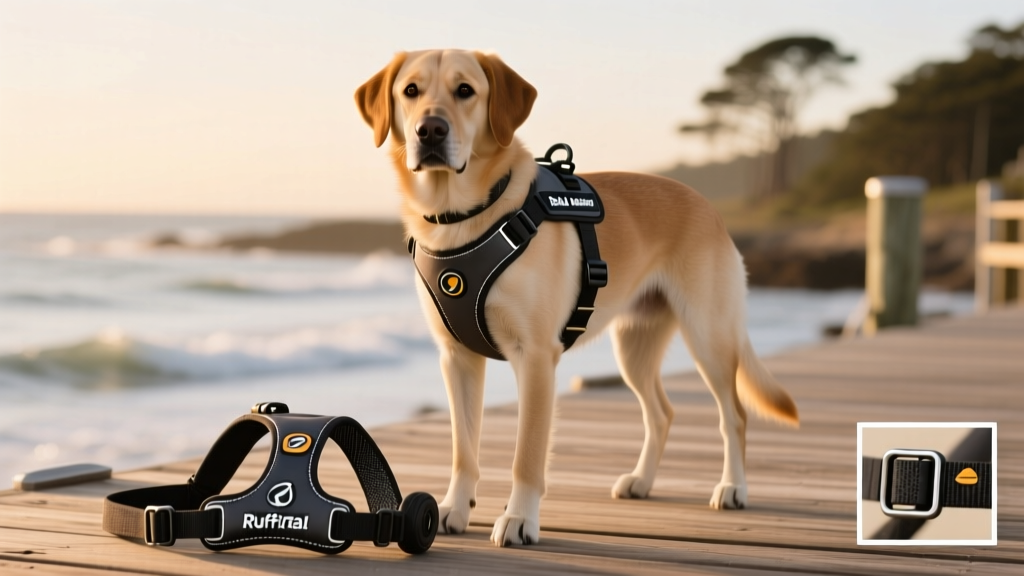
Combines a 250g recycled polyester insulation layer with Ruffwear's Web Master™ harness built in. This eliminates the need for a separate harness, reducing bulk. The shell is a 300-denier ripstop polyester with DWR (durable water repellent) finish. Two leash attachment points (back and chest).
- Built-in harness saves layering hassle
- Durable ripstop shell resists brush and brambles
- Two leash clip points for training flexibility
- No belly coverage — better for dry cold than wet snow
- Limited size range stops at 33 in girth
- Heavier than standalone coats (12 oz for medium)
3. Kurgo Loft Dog Jacket
Price: $55–$70 | Best for: Budget-conscious owners in moderate cold
A lightweight, reversible jacket with 3oz polyfill insulation on one side and a water-resistant ripstop shell on the other. Features a zippered leash portal and adjustable belly strap. Machine washable. A solid mid-tier option for dogs that need light insulation during 30–45°F (-1 to 7°C) walks.
- Affordable entry into quality insulation
- Reversible design (two color options)
- Easy on/off with single belly buckle
- Minimal belly coverage
- Not waterproof enough for heavy wet snow
- Thin insulation inadequate below 25°F (-4°C)
4. Chilly Dog Fleece Sweater
Price: $25–$40 | Best for: Indoor warmth and mild outdoor use
A hand-knit wool-blend sweater designed more for layering than standalone winter use. Available in over 20 patterns. Works well as a base layer under a waterproof shell for extra-cold days, or as standalone indoor wear for senior dogs with arthritis who feel drafts.
- Breathable natural wool blend
- Stylish — many color/pattern options
- Good layering piece under waterproof shells
- Not water-resistant at all
- No reflective elements
- Wool can irritate sensitive skin
- Stretching after repeated washes
5. Canada Pooch Alpine Sweater
Price: $65–$85 | Best for: Sighthounds and deep-chested breeds
Specifically cut for the unique proportions of Greyhounds, Whippets, Italian Greyhounds, and similar body types. Features a longer back panel, narrower chest, and a turtleneck collar that extends coverage to the neck base. Fleece-lined with a windproof outer layer.
- Finally, a coat that fits sighthound proportions
- Extended neck coverage blocks wind
- Soft fleece interior doesn't chafe thin skin
- Sighthound-specific fit won't work for barrel-chested breeds
- Not fully waterproof
- Limited to 5 color options
6. Zack & Zoey Nor'easter Blanket Coat
Price: $30–$45 | Best for: Quick coverage for small breeds
A simple Velcro-attach blanket-style coat that drapes over the back and secures at the chest and belly. Made from water-resistant polyester with a soft flannel lining. Ideal for quick potty breaks rather than extended walks. Lightweight and packs flat for travel.
- Easiest on/off of any coat reviewed
- Lightweight — good for dogs who resist wearing coats
- Affordable
- Velcro collects fur and debris quickly
- No reflective trim
- Minimal insulation — more windbreaker than winter coat
Side-by-Side Comparison Table
| Attribute | Hurtta Expedition | Ruffwear Overcoat Fuse | Kurgo Loft | Chilly Dog Fleece | Canada Pooch Alpine | Zack & Zoey |
|---|---|---|---|---|---|---|
| Price Range | $100–$130 | $90–$110 | $55–$70 | $25–$40 | $65–$85 | $30–$45 |
| Waterproofing | Full (10,000mm) | DWR water-resistant | Water-resistant | None | Windproof/water-resistant | Light water-resistant |
| Insulation | Heavy (fleece + shell) | Medium (250g polyfill) | Light (3oz polyfill) | Light (wool blend) | Medium (fleece + wind layer) | Minimal (flannel lining) |
| Belly Coverage | Full wrap | None | Partial | None | Partial | Partial |
| Reflective Trim | Yes (3M™) | Yes | Yes | No | Yes | No |
| Harness Compatible | Under-coat harness | Built-in harness | Leash portal | Over harness | Leash portal | Over harness |
| Best Temp Range | -20 to 32°F (-29 to 0°C) | 10 to 40°F (-12 to 4°C) | 25 to 45°F (-4 to 7°C) | Indoor / 40°F+ (4°C+) | 15 to 40°F (-9 to 4°C) | 32 to 50°F (0 to 10°C) |
How to Fit and Use a Winter Dog Coat Correctly
A poorly fitted coat can cause chafing at the armpits, restrict shoulder movement, or create pressure points along the spine. Here's how to get it right:
- Measure before you buy. Use a soft tape measure. Back length: from the prominent vertebra at the base of the neck (where the collar sits) to the base of the tail. Chest girth: around the widest part of the ribcage, usually just behind the elbows. Neck: where the collar naturally rests.
- Choose size by chest girth first. If your dog falls between sizes, size up for barrel-chested breeds (Bulldogs, Pugs) and size down for narrow-chested breeds (Greyhounds, Dobermans). Back length is adjustable on most coats; chest fit is not.
- Introduce the coat gradually. Let your dog sniff it first. Drape it over their back without fastening for 2–3 minutes while offering treats. Then secure the neck strap, reward, and remove. Progress to full fastening over 2–4 sessions using positive reinforcement — never force a fearful dog into a coat.
- Check the two-finger rule. You should be able to slide two fingers flat between the coat and your dog's body at every strap point. Tighter risks chafing; looser allows the coat to shift and rub.
- Watch for gait changes. After fastening, let your dog walk across a flat surface. If they're shortening their stride, lifting their legs unusually high, or freezing in place, the coat is restricting movement or causing anxiety. Adjust or try a different style.
- Limit continuous wear to 4–6 hours. Even well-fitted coats can trap moisture against the skin, leading to hot spots or fungal growth. Remove the coat indoors and check the skin underneath for redness or dampness.
- Overheating risk: Dogs cool primarily through panting and paw pad sweating. A coat that traps too much heat during vigorous exercise can cause heat stress even in 35°F (2°C) weather. Remove the coat if your dog is panting heavily, seeking shade, or has bright red gums.
- Choking hazards: Coats with dangling toggles, loose buckles, or decorative elements can catch on branches, crate wire, or other dogs' teeth during play. Choose streamlined designs for off-leash or dog park use.
- Wet coat = cold dog: A soaked coat loses insulation value and conducts heat away from the body faster than no coat at all. Always dry your dog's coat before the next outing. Carry a backup for long hikes.
- Never leave a coat on an unsupervised dog. Straps can snag on furniture legs, fence wire, or kennel latches, creating an entanglement risk.
How Much Should You Spend on a Winter Dog Coat?
Pricing breaks down into three tiers based on construction quality and intended use:
| Tier | Price Range | What You Get | Best For |
|---|---|---|---|
| Budget | $20–$45 | Basic fleece or light polyfill, Velcro closures, minimal waterproofing | Quick potty breaks, mild climates, indoor warmth |
| Mid-Range | $50–$90 | Better insulation, DWR finishes, reflective trim, adjustable multi-point fit | Daily walks in freezing temps, moderate activity |
| Premium | $90–$150 | Technical fabrics, full waterproof ratings, integrated harness systems, breed-specific cuts | Extended outdoor activity, extreme cold, working/sport dogs |
For most pet owners walking their dog 20–40 minutes twice daily in typical winter conditions, a mid-range coat in the $55–$85 range provides the best balance of warmth, durability, and value. Premium coats pay off if you hike, run, or live in regions where temperatures regularly drop below 10°F (-12°C).
When to Skip the Coat and See Your Vet Instead
Sometimes shivering or cold intolerance signals an underlying medical condition rather than a simple need for outerwear. Consult your veterinarian if you notice any of the following:
- New-onset shivering in a dog that previously tolerated cold well — this can indicate hypothyroidism, anemia, or pain.
- Reluctance to walk that doesn't improve with a coat — could signal arthritis, intervertebral disc disease (IVDD), or neurological issues worsened by cold.
- Hair loss or thinning coat — bilateral symmetrical alopecia is a hallmark of Cushing's disease or hypothyroidism, both of which also cause cold intolerance.
- Lethargy, weakness, or pale gums after cold exposure — these are signs of hypothermia and require immediate veterinary attention. Do not attempt to warm a hypothermic dog with a heating pad directly on the skin; wrap in warm blankets and transport to an emergency clinic.
A winter dog coat is a management tool, not a treatment. If your dog's cold sensitivity is new or worsening, a veterinary exam with bloodwork (thyroid panel, CBC, chemistry) is the right first step before spending money on gear.
Natural Alternatives and DIY Options
If you're looking for alternatives to commercial coats, here are a few approaches — with honest limitations:
- Grow the coat out: For dogs with double coats, avoiding shaving in summer allows the natural winter undercoat to develop fully. Never shave a double-coated breed — the undercoat provides insulation in both heat and cold.
- Dietary support: Omega-3 fatty acid supplements (fish oil at 20–55 mg EPA+DHA per kg body weight daily) support healthy skin and coat density, improving natural insulation over 8–12 weeks. Consult your vet before supplementing.
- DIY fleece coat: A simple pattern using anti-pill fleece and Velcro can work for short outings. However, homemade coats rarely achieve proper waterproofing or secure fit around the shoulders. Use commercial patterns from experienced sewists and test the fit carefully.
- Old human clothing: A child's fleece zip-up, cut to length and fitted with belly straps, can serve as an emergency layer. This is a temporary solution — the arm holes and shoulder seams don't align with canine anatomy and will restrict movement.
- Indoor warmth: Heated dog beds (look for thermostatically controlled models that stay within 102–105°F / 39–41°C, matching normal canine body temperature) and draft-free sleeping locations reduce the need for overnight coat use.
Frequently Asked Questions
What is the best winter dog coat overall?
For extreme cold and full weather protection, the Hurtta Expedition Parka is the top performer based on waterproofing, coverage, and build quality. For dogs who need an integrated harness solution, the Ruffwear Overcoat Fuse is the better choice. "Best" depends entirely on your dog's body shape, your climate, and your typical walk duration.
How do I know if my dog is cold and needs a coat?
Watch for: shivering, lifting paws off the ground alternately, hunching the back and tucking the tail, seeking shelter or pressing against your legs, whining, or refusing to continue walking. Small breeds and short-coated dogs typically show these signs below 45°F (7°C).
Can I leave a winter coat on my dog all day?
No. Extended wear (more than 4–6 hours) traps moisture against the skin, which can cause hot spots, bacterial folliculitis, or fungal infections. Remove the coat when your dog is indoors and in a climate-controlled environment. A dog's normal body temperature is 101–102.5°F (38.3–39.2°C) — most heated homes are already warm enough.
Do dogs with thick fur ever need coats?
Generally, no. Breeds like Huskies, Malamutes, and Newfoundlands have evolved double coats with dense undercoats that provide excellent insulation. However, a recently groomed or shaved double-coated dog may temporarily need a coat while the undercoat regrows (typically 3–6 months). Never shave a double-coated breed for summer — it disrupts the natural thermoregulation cycle.
Where should I buy a winter dog coat?
Specialty retailers like Chewy, REI, and independent pet stores tend to carry the full size ranges and allow exchanges for fit issues. Direct-from-brand websites (Hurtta, Ruffwear, Kurgo) often offer the widest size selection and detailed sizing guides. Avoid ultra-cheap coats from marketplace sellers with no sizing charts — inconsistent sizing and poor stitching are common complaints.
How do I wash and maintain a winter dog coat?
Most technical coats are machine washable on a gentle cycle with cold water and mild detergent. Avoid fabric softener — it degrades DWR waterproofing. Hang dry or tumble dry on low. Reapply a DWR spray (like Nikwax or Grangers) every 10–15 washes to restore water repellency. Check Velcro strips for fur buildup weekly and clean with a fine-tooth comb.
Disclaimer: This guide is for informational purposes. If your dog shows signs of cold intolerance, lethargy, or skin irritation from coat wear, consult your veterinarian for a proper evaluation. Individual dogs vary in their cold tolerance based on breed, age, health status, and acclimatization.
Tom Renshaw
All our authors care for dogs every day — read more of their work on the authors page.