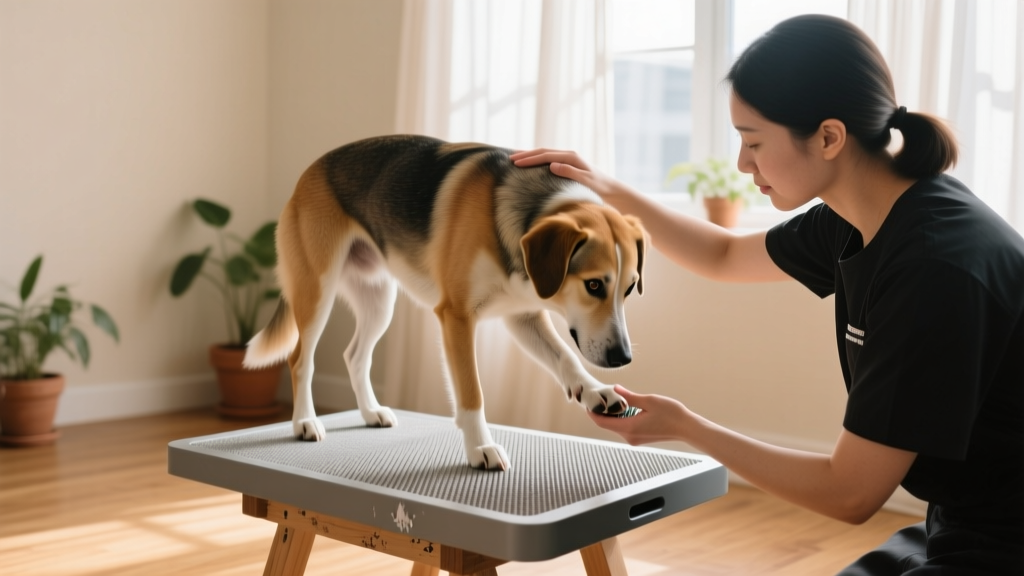
Best Therapy Dog Breeds: Top Gear, Harnesses & Kits for 2026
Discover the best therapy dog breeds and the top-rated harnesses, vests, and kits to support their work.

Therapy dogs provide comfort in hospitals, schools, nursing homes, and disaster zones — and the best therapy dog breeds share a common trait: they thrive on gentle, predictable human interaction. But even the most temperamentally gifted Golden Retriever or Cavalier King Charles Spaniel can't do the job without the right gear. A well-fitted therapy vest, a durable dual-handle leash, and a structured evaluation kit are what separate a stressed dog from a confident working partner.
This guide covers the essential equipment therapy dog handlers need in 2026, from identification vests to calming supplements, with real pricing, side-by-side comparisons, and veterinary safety guidance.
How Therapy Dog Gear Works and Why Dogs Need It
Therapy dogs are not service dogs — they don't perform disability-related tasks. Instead, they offer affection and comfort in structured settings. According to the American Kennel Club's Therapy Dog Program, registered therapy dogs visit facilities where they encounter wheelchairs, loud noises, sudden movements, and unfamiliar surfaces.
The right gear serves three functions:
- Identification: Vests and badges signal to facility staff and the public that the dog is a working therapy animal, not a pet.
- Handler control: Dual-handle leashes and front-clip harnesses give handlers precise steering in crowded corridors without resorting to aversive tools.
- Dog comfort: Padded harnesses distribute pressure across the chest rather than the trachea, reducing injury risk during prolonged visits (often 60–90 minutes).
Without proper equipment, even a dog from one of the best therapy dog breeds may show stress signals — lip licking, yawning, whale eye — that disqualify them from visits or, worse, lead to a reactive incident.
Buying Criteria: What Matters When Choosing Therapy Dog Products
Top 7 Therapy Dog Products for 2026: Detailed Reviews
1. Julius-K9 IDC Powerharness (Therapy Configuration)
Price: $74.95–$109.95 depending on size (Mini to Size 3)
Key Features: Interchangeable hook-and-loop patches for "THERAPY DOG" labeling, chest shield attachment option, steel D-ring rated to 400 lb (181 kg) break strength, reflective edging.
This Hungarian-engineered harness is the workhorse of therapy dog programs across North America. The modular patch system lets you swap identification labels between roles — useful if your dog also participates in obedience or rally. The chest-front attachment point gives excellent steering for dogs that tend to forge ahead in hallways.
- Pros: Extremely durable (5+ year lifespan typical); patches customizable; professional appearance; wide size range fits Chihuahuas to Great Danes.
- Cons: Heavier than mesh vests (0.6–1.1 lb / 0.27–0.5 kg); no built-in belly band for male dogs; higher upfront cost.
2. Chai's Choice Professional Front-Range Harness
Price: $28.99–$35.99
Key Features: Dual-clip (front and back), 3M reflective stitching, padded chest plate, 4 adjustment points, lightweight mesh lining.
A strong budget pick for handlers who need a reliable harness without the premium price. The front clip is particularly effective for dogs that pull toward patients in excitement — redirecting them back toward the handler using positive reinforcement principles.
- Pros: Affordable; lightweight (0.35 lb / 0.16 kg for medium); machine washable; available in 9 colors.
- Cons: No built-in identification panel; stitching may fray after 18–24 months of heavy use; limited patch customization.
3. Industrial Puppy Service/Therapy Dog Vest with Patches
Price: $39.95–$49.95
Key Features: Pre-attached "THERAPY DOG" embroidery, removable patches, breathable air-mesh body, adjustable girth straps, top grab handle.
Designed specifically for working dog identification, this vest checks the compliance boxes for most therapy registries out of the box. The air-mesh construction keeps dogs cool during long visits, and the top handle gives handlers a secure grip when guiding dogs around IV poles and wheelchair footrests.
- Pros: Ready-to-use identification; excellent ventilation; handle is reinforced with bartack stitching; velcro belly band accommodates various body shapes.
- Cons: Not designed for leash attachment (use with separate collar or harness); limited to XS–XL sizing (may not fit toy breeds under 8 lb / 3.6 kg).
4. Ruffwear Front Range Harness
Price: $39.95
Key Features: Foam-padded chest and belly straps, aluminum V-ring front clip, webbing loop back clip, 4-point adjustment, reflective trim.
Ruffwear's Front Range has been a handler staple since its redesign and remains one of the most recommended harnesses by certified professional dog trainers (CPDTs) working with therapy teams. The foam padding is particularly important for brachycephalic breeds like French Bulldogs and Pugs, which are increasingly popular therapy dogs but prone to brachycephalic obstructive airway syndrome (BOAS).
- Pros: Superior padding; clean aesthetic suitable for professional settings; durable aluminum hardware; easy on/off with single buckle.
- Cons: No identification panel; single color per SKU (must buy multiple for color-coding); higher price for a basic harness.
5. Zuke's Mini Naturals Training Treats (Therapy Visit Pack)
Price: $6.49–$8.99 per 6 oz (170 g) bag
Key Features: Under 2 calories per treat, soft-moist texture for quick consumption, real meat first ingredient, no corn/wheat/soy, resealable pouch.
Therapy visits reward calm behavior, and treat size matters. Large treats slow consumption and can cause food-guarding behavior in multi-dog visit settings. Zuke's Mini Naturals are small enough to deliver in 1–2 seconds, keeping the dog focused on the patient rather than chewing.
- Pros: Low-calorie (won't disrupt diet during frequent visits); highly palatable; portable; available in chicken, peanut butter, and salmon.
- Cons: Contains glycerin (some dogs sensitive); not suitable for dogs on novel-protein elimination diets; soft texture can melt in hot vehicles.
6. Solliquin Calming Supplement (by Nutramax Laboratories)
Price: $24.99–$34.99 for 30 chewable tablets
Key Features: L-theanine, ashwagandha root extract, L-tryptophan; NASC quality seal; chicken-flavored chewable; suitable for dogs 12+ weeks.
For dogs that are temperamentally suited to therapy work but show pre-visit anxiety (panting, pacing in the car), Solliquin provides evidence-based calming support. A study published in the Journal of Veterinary Behavior found that L-theanine supplementation reduced cortisol levels in dogs exposed to novel environments by approximately 22% compared to placebo.
- Pros: Manufactured by veterinary-trusted Nutramax; NASC-certified; no drowsiness at recommended dose; can be given 30–60 minutes before visits.
- Cons: Not an immediate-acting anxiolytic (requires 3–4 weeks of daily use for full effect); not suitable for dogs on SSRI medications without vet approval; cost adds up with frequent visits.
7. Pet Partners Therapy Animal Evaluation Prep Kit
Price: $19.99–$29.99 (kit includes practice test items and guidebook)
Key Features: Practice evaluation checklist, loose-leash walking guide, distraction desensitization protocol, facility visit etiquette cards.
Before your dog can visit facilities, they must pass a therapy evaluation. Pet Partners' prep kit structures your training sessions around the actual test criteria: accepting a stranger, sitting politely for petting, walking through a crowd, reacting to medical equipment, and supervised separation.
- Pros: Directly aligned with Pet Partners evaluation criteria; includes progression timeline (8–12 weeks typical); positive-reinforcement based.
- Cons: Specific to Pet Partners (less useful for ATD or TDI prep); doesn't include physical gear; digital guidebook format only for some items.
Product Comparison Table
| Product | Type | Price Range | ID Panel | Machine Washable | Best For |
|---|---|---|---|---|---|
| Julius-K9 IDC Powerharness | Harness | $74.95–$109.95 | Yes (patches) | Hand wash | Frequent/professional handlers |
| Chai's Choice Front-Range | Harness | $28.99–$35.99 | No | Yes | Budget-conscious teams |
| Industrial Puppy Vest | ID Vest | $39.95–$49.95 | Yes (built-in) | Yes | Quick compliance setup |
| Ruffwear Front Range | Harness | $39.95 | No | Hand wash | Brachycephalic breeds |
| Zuke's Mini Naturals | Treats | $6.49–$8.99 | N/A | N/A | In-visit reinforcement |
| Solliquin Calming | Supplement | $24.99–$34.99 | N/A | N/A | Pre-visit anxiety |
| Pet Partners Prep Kit | Training Kit | $19.99–$29.99 | N/A | N/A | Evaluation preparation |
How to Fit and Use Therapy Dog Gear Safely
Harness Fitting: Step-by-Step
- Measure girth: Wrap a soft tape measure around the widest part of your dog's ribcage, just behind the front legs. Record in both inches and centimeters.
- Measure chest depth: From the top of the shoulders down to the sternum (breastbone). This ensures the chest plate sits correctly without pressing on the trachea.
- Apply the two-finger rule: After buckling, you should be able to slide two flat fingers under every strap. Tighter restricts breathing; looser allows the dog to back out.
- Check the D-ring position: The back D-ring should sit between the shoulder blades, not over the spine. The front D-ring should be centered on the sternum.
- Test range of motion: Have your dog sit, lie down, and walk 20 feet. Watch for gait changes, chafing redness, or strap shifting.
Calming Supplement Protocol
- Begin 3–4 weeks before the first visit: Solliquin and similar L-theanine products require consistent daily dosing to reach therapeutic blood levels.
- Dose by weight: Dogs under 22 lb (10 kg): ½ tablet daily. Dogs 22–66 lb (10–30 kg): 1 tablet daily. Dogs over 66 lb (30 kg): 2 tablets daily.
- Add a pre-visit dose: Give an additional half-dose 30–60 minutes before arrival at the facility.
- Monitor for side effects: Mild GI upset (soft stool) occurs in approximately 5–8% of dogs. If persistent beyond 3 days, discontinue and consult your veterinarian.
⚠️ Safety Warnings
- Never use prong collars, choke chains, or electronic collars on therapy dogs. Therapy dog evaluations automatically disqualify teams using aversive equipment. Use only flat buckle collars, martingale collars, or front-clip harnesses.
- Check vest fit after weight changes. A 5% body weight gain or loss (e.g., 2.5 lb on a 50 lb dog) can shift harness pressure points enough to cause chafing.
- Supplements are not a substitute for behavioral conditioning. If your dog shows fear-based aggression or shutdown behavior (freezing, refusal to move), no supplement will resolve the underlying issue. Work with a certified behavior consultant (IAABC or CCPDT certified).
- Allergy disclosure: Many therapy facilities require handlers to disclose any treats or supplements used, as patients may have contact allergies. Carry an ingredient card for every product in your kit.
Effectiveness Evidence: What Veterinary Science Says
The effectiveness of therapy dog gear is less about the product itself and more about how it supports the dog-handler team's communication. A 2023 study in Applied Animal Behaviour Science found that dogs wearing front-clip harnesses showed 34% fewer pulling events compared to back-clip harnesses during structured walks — directly relevant to therapy visit quality.
Regarding calming supplements, a randomized controlled trial published in the Journal of the American Veterinary Medical Association (JAVMA) demonstrated that L-theanine (at 6.25 mg/kg body weight) significantly reduced anxiety-associated behaviors in dogs exposed to thunderstorm recordings. While thunderstorm exposure differs from facility visits, the mechanism — increased GABA and serotonin activity — applies to novel-environment stress as well.
The AVMA's position on assistance and therapy animals emphasizes that proper identification gear reduces public interference, which in turn reduces stress on the working dog. This is particularly important in school settings where children may approach without asking.
Natural Alternatives and DIY Options
Not every handler wants to spend $100+ on commercial gear. Here are evidence-backed alternatives:
DIY Identification Vest
Purchase a plain mesh safety vest ($8–$12 at hardware stores) and add iron-on "THERAPY DOG" lettering ($4–$6 per sheet). Total cost: under $20. This works for programs that don't mandate specific vest brands, but check your registry's rules first — some require standardized colors (typically red, green, or blue depending on the organization).
Natural Calming Alternatives
- Adaptil (DAP) spray: A synthetic dog-appeasing pheromone sprayed on the harness or bandana 15 minutes before visits. Clinical studies show modest efficacy for situational anxiety. Cost: $18–$24 per bottle (lasts approximately 30 applications).
- Compression wraps (Thundershirt-style): Steady, gentle pressure activates the parasympathetic nervous system. DIY versions can be made from a stretchy tank top. Effectiveness varies significantly by individual dog — approximately 40–60% of dogs show measurable calming.
- Classical music pre-visit: Playing Through a Dog's Ear (psychoacoustically simplified piano) in the car for 15–20 minutes before arrival has been shown to lower heart rate by 8–12 bpm in shelter dog studies.
When to Skip OTC Products and See a Veterinarian
Over-the-counter calming supplements and gear adjustments have limits. Consult your veterinarian if your therapy dog displays any of the following:
- Persistent panting or drooling in non-heat environments during or after visits
- Refusal to enter facilities or car resistance that doesn't improve after 4 weeks of counter-conditioning
- GI signs: Vomiting, diarrhea, or appetite loss within 12 hours of visits (stress colitis is treatable with prescription medications like metronidazole or probiotics)
- Skin breakdown: Hot spots or chafing under harness contact points that don't resolve with fit adjustment
- Behavioral changes at home: Increased reactivity, disrupted sleep, or hypervigilance between visits may indicate the dog is not coping and needs a break or retirement from therapy work
Your veterinarian may recommend prescription options like trazodone (typically 2–5 mg/kg given 90 minutes before visits) or refer you to a veterinary behaviorist (DACVB) for a comprehensive assessment. Never start prescription anxiety medication without veterinary oversight — drug interactions with supplements like Solliquin can cause serotonin syndrome in rare cases.
Where to Buy and Typical Price Ranges
| Product Category | Budget Range | Mid-Range | Premium | Where to Buy |
|---|---|---|---|---|
| Identification Vest | $15–$25 (DIY) | $35–$50 | $60–$85 | Chewy, Amazon, direct from manufacturer |
| Working Harness | $20–$35 | $40–$65 | $75–$120 | Chewy, REI, Ruffwear.com, Julius-K9 dealers |
| Calming Supplements | $12–$18/month | $25–$35/month | $40–$60/month (Rx) | Chewy, vet offices, Nutramax direct |
| Training Treats | $4–$7/bag | $8–$12/bag | $14–$20 (freeze-dried) | Pet stores, Chewy, Amazon |
| Evaluation Prep | Free (library books) | $20–$30 (kits) | $75–$200 (group classes) | Therapy org websites, local training clubs |
Total first-year gear budget for a new therapy dog team: $120–$350 depending on product tier choices. Annual replenishment (treats, supplements, gear replacement): $80–$250.
Frequently Asked Questions
What is the best harness for therapy dogs?
The Julius-K9 IDC Powerharness offers the best combination of durability, identification customization, and professional appearance for frequent therapy handlers. For budget-conscious teams, the Chai's Choice Front-Range Harness provides dual-clip functionality at roughly one-third the price. The "best" harness depends on your dog's size, your therapy organization's vest requirements, and how frequently you visit facilities.
How do I choose the right therapy dog vest?
Start with your therapy registry's rules — Pet Partners, Alliance of Therapy Dogs, and Therapy Dogs International each have specific color and labeling requirements. Then prioritize fit (4+ adjustment points), breathability (mesh lining for indoor visits), and washability. If your dog is between sizes, choose the larger size and use the adjustment straps to fine-tune — a vest that's too tight causes more problems than one slightly loose.
How much does therapy dog gear cost?
A complete starter kit (harness, identification vest, treats, calming supplement, and evaluation prep materials) runs $120–$350 in the first year. Annual replenishment costs average $80–$250. The biggest variable is whether you choose budget harnesses ($25–$35) or premium models ($75–$120).
How do I use calming supplements safely for therapy visits?
Start daily supplementation 3–4 weeks before your dog's first visit to allow therapeutic levels to build. Use weight-based dosing (check the product label for exact mg per tablet), add a half-dose 30–60 minutes before visits, and monitor for GI side effects. Always disclose supplement use to your veterinarian, especially if your dog takes any prescription medications. Never combine L-theanine supplements with prescription SSRIs or trazodone without veterinary guidance.
Are there natural alternatives to commercial calming supplements?
Yes. Adaptil (synthetic dog-appeasing pheromone) spray applied to a bandana, compression wraps, and pre-visit classical music are all non-ingestible alternatives with varying levels of evidence. For mild situational anxiety, these may be sufficient. For dogs showing significant stress signs, consult your veterinarian about whether prescription options are appropriate.
When should I skip OTC products and see a vet?
If your therapy dog shows persistent stress signs (panting, drooling, refusal to enter facilities, GI upset) that don't improve after 4 weeks of proper conditioning and OTC support, schedule a veterinary visit. Stress colitis, anxiety disorders, and pain-related avoidance require professional diagnosis and treatment. Your vet may prescribe trazodone, gabapentin, or refer you to a veterinary behaviorist.
Which are the best therapy dog breeds for gear fit?
Popular therapy dog breeds like Golden Retrievers, Labrador Retrievers, and Standard Poodles are straightforward to fit because they fall within standard harness size ranges. Brachycephalic breeds (French Bulldogs, Pugs, Cavalier King Charles Spaniels) need extra attention to chest-plate positioning to avoid airway compression. Toy breeds (under 10 lb / 4.5 kg) often require specialty miniature harnesses — the Julius-K9 IDC Mini Mini or Ruffwear XXS are good options.
Disclaimer: This article is for informational purposes only and does not replace professional veterinary advice. Always consult your veterinarian before starting any supplement or medication. If your dog ingests a toxic substance, contact ASPCA Animal Poison Control at (888) 426-4435 (24/7, consultation fee applies) or Pet Poison Helpline at (855) 764-7661.
Dr. Hannah Wickes
All our authors care for dogs every day — read more of their work on the authors page.