How to Choose the Right Leash for the Dog: 2026 Buyer's Guide
Find the best leash for the dog with our 2026 guide covering top picks, safety tips, pricing, and expert criteria for every breed and walking style.

Why the Right Leash Matters More Than You Think
A leash isn't just a tether — it's your primary communication tool with your dog on walks. The wrong leash can cause handler fatigue, encourage pulling, or even fail catastrophically under stress. According to the American Veterinary Medical Association, leash-related injuries account for a significant portion of dog-walking emergencies, including burns from rope leashes, finger fractures from loop handles, and dogs bolting when clips fail.
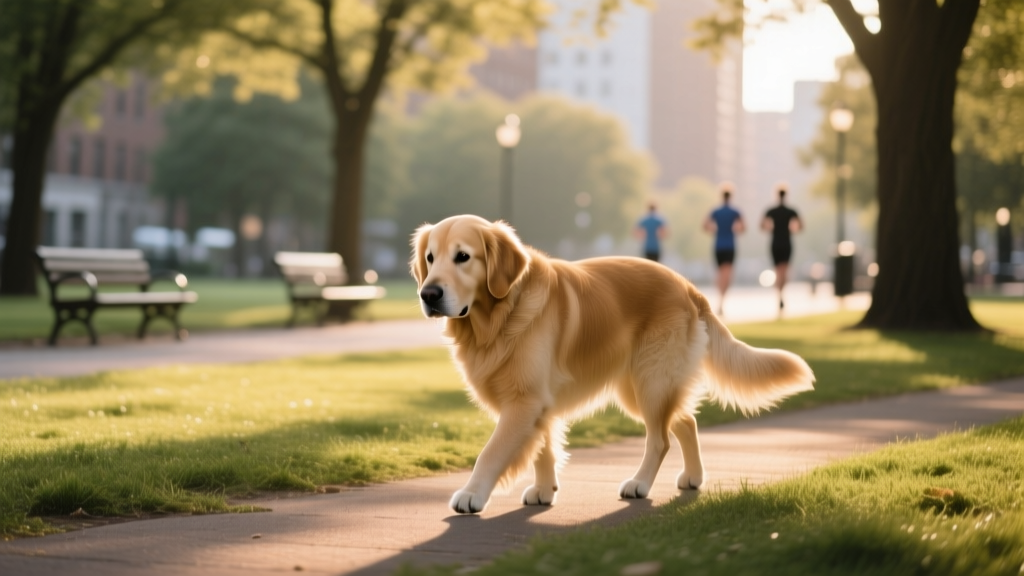
Whether you're navigating city sidewalks, hiking trails, or training a reactive dog, choosing the right leash for the dog you live with requires matching leash type to your dog's size, pulling strength, and your walking environment. This guide breaks down exactly what to look for, reviews seven top-performing leashes available in 2026, and flags the safety considerations most buyers overlook.
How Leashes Work and Why Dogs Need Them
A leash functions as a physical communication channel between handler and dog. When paired with a well-fitted harness or flat collar, leash pressure transmits directional cues, stop signals, and boundary information. The American Kennel Club recommends leash training as foundational for all dogs, noting that consistent leash use prevents roaming, wildlife encounters, and traffic accidents.
From a biomechanics standpoint, the leash should attach to a front-clip or dual-clip harness for dogs that pull — this redirects forward momentum sideways rather than allowing the dog to lean into chest pressure (which actually increases pulling force via the opposition reflex). For dogs that walk politely on leash, a back-clip harness or flat collar with a standard 6 ft leash works well.
Leash type also affects training outcomes. Fixed-length leashes provide consistent feedback, while retractable leashes teach dogs that pulling extends their range — counterproductive for loose-leash training. Certified trainers overwhelmingly recommend fixed-length leashes for dogs still learning walking manners.
Top 7 Leashes for Dogs in 2026: Detailed Reviews
1. Ruffwear Front Range Leash
Price: $34.95 | Length: 4 ft / 1.2 m | Material: StrongLock tubular webbing | Best For: Everyday walking, dogs 15–80 lb (7–36 kg)
Key Features: Swiveling carabiner with auto-lock, padded handle with reflective trim, traffic handle at 20 inches, lightweight at 4.2 oz.
- Auto-locking carabiner won't accidentally open
- Traffic handle excellent for urban environments
- Tubular webbing is soft on hands, resists tangling
- Available in 5 colors
- 4 ft length too short for dogs needing sniff room
- Not rated for dogs over 80 lb / 36 kg with strong pull
- Higher price point for a basic leash
2. Mendota Products Slip Lead
Price: $18.99–$24.99 | Length: 6 ft / 1.8 m | Material: Multi-filament polypropylene rope | Best For: Quick outings, shelter/rescue work, dogs 15–100 lb (7–45 kg)
Key Features: Integrated collar-and-leash design, oil-tanned leather snap, available in 3/8" and 1/2" rope diameters, handcrafted in the USA.
- No separate collar needed — great for escape artists
- Rope is soft, pliable, and floats in water
- Excellent for quick vet visits or emergencies
- Machine washable
- No padding on handle — rope burns possible with strong pullers
- Slip design can tighten excessively if dog pulls hard
- Not ideal as a primary training leash for reactive dogs
3. Blue-9 Balance Leash (Dual-Clip)
Price: $42.00 | Length: 6 ft / 1.8 m (adjustable to 3 ft, 4 ft, 5 ft) | Material: 600D nylon webbing | Best For: Training sessions, reactive dogs, multi-dog handlers
Key Features: Dual carabiner clips (connects to front and back of harness simultaneously), 6-point adjustability, O-ring for hands-free cross-body carry, available in 1" and 5/8" widths.
- Dual-clip system provides steering control on reactive dogs
- Adjustable length replaces multiple leashes
- Hands-free option reduces handler fatigue on long walks
- Heavy-duty bolt snaps rated for 150+ lb pull force
- Heavier than standard leashes (7.8 oz) — noticeable on small dogs
- Requires a dual-clip harness for full functionality
- Learning curve for length adjustment system
4. BioThane Long Line Training Leash
Price: $28.00–$45.00 (varies by length) | Length: 15 ft, 20 ft, or 30 ft | Material: BioThane-coated polyester webbing | Best For: Recall training, off-leash practice, dogs 20–120 lb (9–54 kg)
Key Features: 100% waterproof, wipes clean in seconds, brass bolt snap, floats in water, available in 3/8" and 3/4" widths, 10+ color options.
- Doesn't absorb water, mud, or odor — ideal for field work
- BioThane coating resists chewing damage better than nylon
- Smooth glide through grass prevents tangles at distance
- Excellent for practicing recalls with safety backup
- No handle — grip is hand-wrap only (gloves recommended)
- Can cause friction burns if pulled quickly through bare hands
- Too long for standard neighborhood walks
5. Primal Pet Gear Dual-Handle Traffic Leash
Price: $16.99 | Length: 6 ft / 1.8 m | Material: Double-layer nylon with reflective stitching | Best For: Strong pullers, urban walks, dogs 30–120 lb (14–54 kg)
Key Features: Two padded neoprene handles (standard + traffic at 18"), heavy-duty zinc alloy clip, 1" width double-stitched webbing, reflective thread throughout.
- Traffic handle gives instant close control at crosswalks
- Double-layer construction resists fraying under heavy pull
- Budget-friendly price for solid build quality
- Reflective stitching visible at 100+ ft in headlights
- Bolt snap (not locking carabiner) — less secure for very strong dogs
- Heavier than premium options at 8.5 oz
- Limited color selection
6. Herm Sprenger Ultra Lightweight Cord Leash
Price: $22.50 | Length: 4 ft / 1.2 m | Material: Climbing-grade round cord | Best For: Sport dogs, competition obedience, lightweight carry
Key Features: Weighs only 1.8 oz, stainless steel spring hook, 5mm cord diameter, compact coils for pocket storage.
- Extremely lightweight — barely noticeable in hand
- Round cord gives excellent tactile feedback for training
- Stainless steel hardware resists corrosion
- Compact enough to carry as backup leash
- No padding — thin cord uncomfortable during extended pulling
- Short 4 ft length limits dog's exploration radius
- Not suitable as primary leash for dogs over 60 lb / 27 kg
7. Tuff Mutt Hands-Free Bungee Leash
Price: $29.99 | Length: 4–5.5 ft (bungee stretch) | Material: Dual-layer nylon with elastic bungee core | Best For: Runners, joggers, active handlers, dogs 35–100 lb (16–45 kg)
Key Features: Waist belt with bungee shock absorber, dual handles for quick grab, reflective piping, stainless steel hardware, fanny pack attachment loop.
- Bungee absorbs sudden pulls — protects handler's back and joints
- Hands-free design allows natural arm swing while running
- Quick-grab handles for instant close control
- Waist belt distributes force across hips
- Bungee stretch reduces precision for training sessions
- Waist belt can ride up on shorter torsos
- Not recommended for reactive dogs needing constant close control
Leash Comparison Table
| Leash | Price | Length | Clip Type | Dog Weight Range | Best Use |
|---|---|---|---|---|---|
| Ruffwear Front Range | $34.95 | 4 ft | Auto-lock carabiner | 15–80 lb | Everyday urban walks |
| Mendota Slip Lead | $18.99–$24.99 | 6 ft | Integrated slip | 15–100 lb | Quick outings, rescue |
| Blue-9 Balance | $42.00 | 3–6 ft adjustable | Dual bolt snaps | 20–120 lb | Training, reactive dogs |
| BioThane Long Line | $28–$45 | 15–30 ft | Brass bolt snap | 20–120 lb | Recall training, field work |
| Primal Pet Gear Traffic | $16.99 | 6 ft | Zinc alloy bolt snap | 30–120 lb | Strong pullers, urban |
| Herm Sprenger Cord | $22.50 | 4 ft | Stainless spring hook | 10–60 lb | Competition, sport |
| Tuff Mutt Bungee | $29.99 | 4–5.5 ft stretch | Stainless bolt snap | 35–100 lb | Running, jogging |
Safety Considerations and Warnings
Critical Leash Safety Rules
- Never wrap a leash around your wrist or fingers. If a large dog bolts, the leash can fracture finger bones or dislocate joints. Loop through the palm and close your fist around the leash instead.
- Inspect clips before every walk. Bolt snaps fail when the internal spring corrodes or weakens. Test by clipping to a fixed object and pulling firmly. Replace any clip that opens under moderate pressure.
- Retractable leashes carry specific hazards. The thin cord can cause severe friction burns (both to humans and dogs), and the internal brake mechanism can fail under sudden force. The ASPCA notes retractable leashes give dogs access to dangerous distances before the handler can react. If you use one, choose a model with a locking brake and limit extension in high-traffic areas.
- Match leash width to dog strength. Dogs over 50 lb (23 kg) that pull should be on leashes at least 3/4" wide. Thin cords on large dogs concentrate force and increase snap risk.
- Avoid leashes with chain segments. Chain-link sections can catch and tangle, cause injury if they whip, and add unnecessary weight.
How to Use a Leash Correctly: Step-by-Step
- Attach to the correct point. For pullers, clip to the front chest ring of a harness. For polite walkers, back-clip or flat collar is fine. Never clip to a martingale or choke-style collar for standard walking — use a flat collar or harness instead.
- Hold the leash properly. Loop the handle over your non-dominant hand's wrist, then gather the leash in your dominant hand at a comfortable length. Keep your arm relaxed with a slight bend at the elbow — a rigid arm transfers all pull force to your shoulder.
- Maintain a "J" shape. The leash between you and your dog should form a loose "J" curve. If it's taut, your dog is pulling; if it's dragging, it's a trip hazard. Adjust your walking speed or direction to maintain slack.
- Use the traffic handle when needed. In crowded areas, at crosswalks, or when passing other dogs, slide your hand to the traffic handle (18–24" from the clip) for close control. Release back to the standard handle once the area is clear.
- Reward loose-leash walking. Every time your dog walks with slack in the leash, mark with a "yes" or click and deliver a treat at your leg. This is positive reinforcement — it builds the habit without force or corrections.
- For long lines, step on the leash — don't hold it. When using a 15–30 ft training leash, let it drag and step on it 5–10 ft from the dog. This prevents rope burns and gives you a braking point without hand contact.
Alternatives: When a Standard Leash Isn't the Answer
Not every situation calls for a traditional leash. Here are alternatives and when each makes sense:
- Hands-free waist leashes: Ideal for runners and joggers. The bungee-style models reviewed above (like the Tuff Mutt) absorb impact. Avoid for reactive dogs needing constant steering control.
- Couplers (two-dog leashes):strong> A Y-splitter that connects two dogs to one leash. Works only for dogs that walk at similar paces and don't tangle. Brands like Ruffwear and Stunt Puppy make quality couplers ($20–$35).
- DIY paracord leash: For craft-inclined owners, 550 paracord braided into a 6 ft leash with a bolt snap is functional and costs under $8 in materials. However, homemade leashes lack tested load ratings — use only for small to medium dogs (under 40 lb / 18 kg) that don't pull hard.
- Drag lines for indoor training: A lightweight 4–6 ft leash left attached to your dog's collar indoors (under supervision only) for practicing recall and redirecting unwanted behavior. Never leave a drag line on an unsupervised or crated dog — strangulation risk.
- GPS-enabled smart leashes: Emerging products like the Dogtra Pathfinder collar system pair GPS tracking with leash-free containment. These are training tools, not leash replacements, and require professional guidance to use humanely.
When to See a Trainer or Vet Instead of Buying a New Leash
A leash is equipment — it won't fix behavioral problems on its own. Consider professional help when:
- Your dog's pulling causes you physical pain or injury. A certified force-free trainer can teach loose-leash walking in 4–8 sessions ($75–$150/session). No leash product replaces proper training.
- Your dog shows leash reactivity (barking, lunging at other dogs on leash). This often stems from frustration or fear and requires counter-conditioning and desensitization protocols that a certified behavior consultant (IAABC or CCPDT-certified) can guide.
- Your dog exhibits sudden pulling or reluctance to walk. This can signal pain — hip dysplasia, arthritis, or paw injuries. Consult your veterinarian before assuming it's a behavioral issue. A dog that suddenly won't walk may have a musculoskeletal problem, not a stubbornness problem.
- You're considering aversive tools (prong collars, shock collars, choke chains) to stop pulling. These suppress behavior without addressing the cause and can increase fear and aggression. The American Veterinary Society of Animal Behavior recommends force-free methods as first-line treatment for all behavioral concerns.
Frequently Asked Questions
What is the best leash for the dog that pulls hard?
For strong pullers, a fixed-length leash paired with a front-clip harness is the most effective combination. The Blue-9 Balance Leash with its dual-clip system provides the most control, while the Primal Pet Gear Traffic Leash offers a budget option with a close-control handle. Neither replaces training — both give you the mechanical advantage to train loose-leash walking safely.
How do I choose the right leash length for my dog?
For standard neighborhood walks, 4–6 ft is ideal. For training in open areas, 15–30 ft long lines let dogs practice recall with a safety net. Avoid retractable leashes for training — they reward pulling by extending when the dog pulls forward. Match length to your environment: shorter for city sidewalks, longer for parks and fields.
How much does a good leash cost?
Quality leashes range from $15–$45. Budget options like the Primal Pet Gear Traffic Leash ($16.99) offer solid construction for casual use. Mid-range options from Ruffwear ($34.95) and BioThane ($28–$45) provide better hardware and durability. Specialized training leashes like the Blue-9 Balance ($42.00) justify their price with multi-function adjustability. Avoid leashes under $10 — cheap hardware is the most common failure point.
How do I use a leash safely with a reactive dog?
Use a 4–6 ft fixed-length leash attached to a front-clip harness. Keep the leash loose — tension transmits your anxiety to your dog and increases reactivity. Practice "look at that" and counter-conditioning at distances where your dog notices triggers but doesn't react. Work with a certified force-free trainer for structured desensitization. Never use a retractable leash with a reactive dog — the extended distance puts your dog past your ability to intervene.
Are retractable leashes ever a good choice?
Retractable leashes have limited appropriate uses: allowing a well-trained dog to explore an open field with a reliable recall, or giving a dog bathroom space in a fenced area. They are not suitable for training, city walks, reactive dogs, or strong pullers. If you use one, choose a model with a locking brake, tape-style cord (not thin wire), and limit extension to 10 ft in any area near roads or other dogs.
How often should I replace my dog's leash?
Inspect your leash monthly. Replace it when you notice: frayed or thinning webbing, a clip that opens under moderate pressure, stretched or cracked hardware, or chewed sections that expose inner threads. Most quality nylon leashes last 2–4 years with regular use. BioThane leashes can last 5+ years due to their waterproof coating. Leather leashes, when conditioned every 3–6 months, can last a decade or more.
Disclaimer: This guide provides product recommendations and general safety information. If your dog has behavioral issues around leash walking or shows signs of pain during walks, consult your veterinarian or a certified professional dog trainer. Product prices reflect 2026 retail pricing and may vary by retailer.
Dr. Hannah Wickes
All our authors care for dogs every day — read more of their work on the authors page.